





Hormones govern almost everything in a woman's body, right from the menstrual cycle to mood, sleep, weight, skin, fertility, and energy. When they are in balance, the body works smoothly. When they are not, the effects show up across multiple systems at once, which is exactly why hormonal imbalance is so often difficult to pin down.
Natural hormone balance is not about taking supplements or following a complicated protocol. It is about consistent, daily habits that support the glands and systems that produce, regulate, and clear hormones. For most women, the biggest drivers of hormonal disruption are also the most modifiable - diet, sleep, stress, and movement.

Hormone imbalance in women occurs when the levels of one or more hormones are too high or too low relative to what the body needs. The hormones most frequently involved are estrogen, progesterone, cortisol, insulin, thyroid hormones, and androgens like testosterone. Common causes include:
The good news is that lifestyle changes meaningfully improve hormonal balance in most women, particularly when no serious underlying condition is driving the imbalance.
Chronic stress is probably the most consistent driver of hormonal imbalance in Indian women today. Cortisol is not inherently bad; it is the body's primary stress response hormone and is necessary in short bursts. The problem is chronic elevation. High cortisol suppresses progesterone production, disrupts the hormonal axis that governs ovulation, raises blood sugar, promotes fat storage around the abdomen, and impairs sleep. Practical stress management that actually works:
Diet has a more direct effect on hormonal health than most people realise. What you eat influences insulin levels, estrogen clearance, inflammation, and the availability of the raw materials hormones are made from.
Stabilise Blood Sugar
Insulin is one of the most influential hormones in the body. When insulin spikes repeatedly from refined carbohydrates and sugar, it drives a hormonal cascade that worsens conditions like PCOS, increases androgen production, and disrupts ovulation.
Foods for hormonal balance that stabilise blood sugar:
Support Estrogen Clearance
The liver and gut work together to clear estrogen from the body. When this clearance is impaired, estrogen recirculates and builds up, contributing to what is sometimes called estrogen dominance. Practical steps:
Include Phytoestrogen-Rich Foods Moderately
Phytoestrogens are found in soy, flaxseeds, and sesame seeds. In moderate amounts, they can help buffer estrogen fluctuations, especially if you are in perimenopause. Flaxseed is easy to add to curd, roti dough, or a morning porridge. A tablespoon a day is enough.
Eat Enough Fat
Hormones are made from cholesterol. Very low-fat diets deprive the body of the raw materials needed for hormone synthesis. Including healthy fats in daily cooking is not only safe but necessary for hormonal health.
2. Prioritise Sleep

Sleep is where hormonal repair happens. Melatonin is produced during sleep, and it protects ovarian function and egg quality. Testosterone is produced during deep sleep in men and contributes to energy and libido in women too. Growth hormone, which is involved in cell repair and metabolism, is released primarily during deep sleep.
Sleep deprivation raises cortisol, disrupts insulin sensitivity, reduces progesterone, and throws the appetite-regulating hormones ghrelin and leptin out of balance, making overeating more likely the next day. If you want to follow a healthy lifestyle for hormonal balance, sleep is not optional:
3. Move Your Body — But Not Too Much
Exercise supports hormonal health in several ways: it improves insulin sensitivity, reduces cortisol over time, supports healthy weight, and has direct positive effects on estrogen metabolism.
But the type and intensity matter:
Walking after dinner is one of the most evidence-backed and accessible interventions for improving insulin sensitivity; even a 20-30-minute walk after the evening meal makes a measurable difference over weeks.
4. Reduce Exposure to Hormone-Disrupting Chemicals
Environmental chemicals mimic or interfere with hormones in the body. They are found in plastics, pesticide residues on food, synthetic fragrances, and non-stick cookware. The exposure is cumulative and largely invisible. Practical steps to reduce this daily load:
While each of these changes may seem minor on its own, the cumulative daily reduction in chemical exposure adds up over months and years.
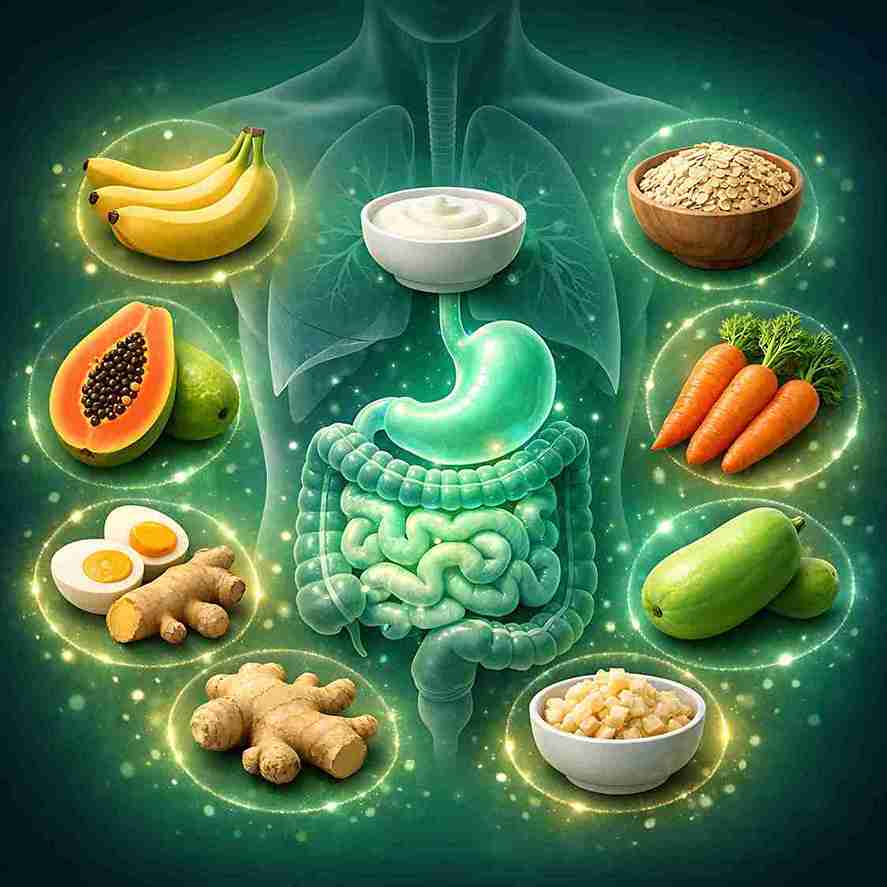
The gut microbiome directly influences estrogen levels through an enzyme system called the estrobolome. Beneficial gut bacteria help break down estrogen metabolites and clear them from the body. Gut dysbiosis allows estrogen to be reactivated and reabsorbed rather than excreted. Simple gut support:
Hormonal balance is not a fixed state; it shifts with age, season, stress, and health. But the foundation is consistent daily habits: eating food that stabilises blood sugar and supports hormone clearance, sleeping well, managing stress before it becomes chronic, moving regularly, and reducing unnecessary chemical exposure. These are not temporary fixes. They are the conditions the hormonal system needs to function properly over the long term.


Natural hormone balance starts with the basics: eating a diet based on whole grains, protein, healthy fats, and fibre; sleeping 7-8 hours on a consistent schedule; managing chronic stress through yoga, pranayama, or counselling; and getting moderate, regular exercise. Reducing exposure to hormone-disrupting chemicals in plastic containers and personal care products also helps. For significant or persistent hormonal symptoms, a blood test and a gynaecologist assessment should accompany lifestyle changes.
Hormone imbalance in women shows up in many ways, through irregular or painful periods, heavy bleeding, mood changes or irritability before periods, persistent fatigue, unexplained weight gain, especially around the abdomen, poor sleep, acne, excessive hair growth or hair loss, reduced sex drive, and difficulty conceiving. Because different hormones affect different systems, the symptom picture varies between women. A hormonal blood panel is the most reliable way to identify what is actually off and to what degree.
Foods for hormonal balance include whole grains like ragi, jowar, and oats for blood sugar stability; protein from dal, eggs, paneer, and fish to support hormone production; cruciferous vegetables like cabbage and cauliflower for oestrogen clearance; flaxseeds and walnuts for omega-3 fatty acids; and curd for gut health. Reducing refined carbohydrates, sugar, packaged snacks, and alcohol makes as much of a difference as adding these beneficial foods.
Yes, this is one of the most direct and most common connections. Chronic stress keeps cortisol elevated, which suppresses progesterone, disrupts the hormonal axis that governs ovulation, raises blood sugar, and promotes abdominal fat storage. Sustained high cortisol can delay or stop periods, worsen PMS, reduce fertility, and contribute to thyroid dysfunction over time.


 Best Gynecologists in Bellandur Best Gynecologists in Electronic City Best Gynecologists in HRBR LayoutBest Gynecologists in Jayanagar Best Gynecologists in Kanakapura RoadBest Gynecologists in Malleswaram Best Gynecologists in Nagarbhavi Best Gynecologists in Old Airport RoadBest Gynecologists in Sahakarnagar Best Gynecologists in Sarjapur RoadBest Gynecologists in ThanisandraBest Gynecologists in Varthur RoadBest Gynecologists in Whitefield Best Gynecologists in Industrial Area Phase IIBest Gynecologists in OMRBest Gynecologists in T NagarBest Gynecologists in New Industrial TownBest Gynecologists in IndirapuramBest Gynecologists in Golf Course RoadBest Gynecologists in Sector 14Best Gynecologists in Sector 47Best Gynecologists in Banjara HillsBest Gynecologists in GachibowliBest Gynecologists in Hitech CityBest Gynecologists in KompallyBest Gynecologists in Gomti NagarBest Gynecologists in MaladBest Gynecologists in NerulBest Gynecologists in VashiBest Gynecologists in Kailash ColonyBest Gynecologists in PatparganjBest Gynecologists in Punjabi BaghBest Gynecologists in VikaspuriBest Gynecologists in Gaur CityBest Gynecologists in Pari ChowkBest Gynecologists in Sector 51Best Gynecologists in Sector 5 Swastik ViharBest Gynecologists in Kalyani NagarBest Gynecologists in SB RoadBest Gynecologists in Pimple SaudagarBest Pediatricians in BellandurBest Pediatricians in Electronic CityBest Pediatricians in HRBR LayoutBest Pediatricians in JayanagarBest Pediatricians in Kanakapura RoadBest Pediatricians in MalleswaramBest Pediatricians in NagarbhaviBest Pediatricians in Old Airport RoadBest Pediatricians in SahakarnagarBest Pediatricians in Sarjapur RoadBest Pediatricians in ThanisandraBest Pediatricians in Varthur RoadBest Pediatricians in WhitefieldBest Pediatricians in Industrial Area Phase IIBest Pediatricians in OMRBest Pediatricians in T NagarBest Pediatricians in New Industrial TownshipBest Pediatricians in IndirapuramBest Pediatricians in Golf Course RoadBest Pediatricians in Sector 14Best Pediatricians in Sector 47Best Pediatricians in Hitech CityBest Pediatricians in Banjara HillsBest Pediatricians in GachibowliBest Pediatricians in KompallyBest Pediatricians in Gomti NagarBest Pediatricians in MaladBest Pediatricians in NerulBest Pediatricians in VashiBest Pediatricians in Kailash ColonyBest Pediatricians in PatparganjBest Pediatricians in Punjabi BaghBest Pediatricians in VikaspuriBest Pediatricians in Gaur CityBest Pediatricians in Pari ChowkBest Pediatricians in Sector 51Best Pediatricians in Sector 5 Swastik ViharBest Pediatricians in Kalyani NagarBest Pediatricians in SB RoadBest Pediatricians in Pimple Saudagar


