





Most women expect an infection to hurt or cause obvious symptoms, such as pain or fever, that prompt them to stop and seek help. Pelvic infections do not always work this way. A significant proportion of pelvic inflammatory disease cases are either completely without symptoms or cause symptoms so mild they are dismissed as period pain, a minor stomach upset, or general tiredness.
This is why silent pelvic infection is one of the more medically serious things a woman can have without knowing about it. The infection continues to advance, gradually causing more damage. By the time symptoms become noticeable, scarring has often already developed, potentially affecting the fallopian tubes permanently and lowering the chances of future pregnancy.

Pelvic inflammatory disease (PID) is an infection of the female reproductive organs - the uterus, fallopian tubes, ovaries, and the tissue surrounding them. It is almost always caused by bacteria travelling upward from the vagina or cervix into the upper reproductive tract.
The most common bacterial causes are sexually transmitted infections like chlamydia and gonorrhoea, which are the most frequent. However, PID can also result from bacteria that are naturally present in the vagina travelling upward, sometimes following procedures like IUD insertion, abortion, or any other intervention that opens the cervix.
Chlamydia, the most common sexually transmitted cause of PID worldwide, is nicknamed the "silent infection" because it causes no symptoms in approximately 70-80% of infected women. A woman can carry the infection for months or years without knowing. During that time, if the bacteria travel upward into the uterus and fallopian tubes, low-grade inflammation continues, quietly damaging the delicate lining of the tubes.
This slow, silent process is why PID is a leading cause of tubal infertility in India. By the time a couple presents to a fertility clinic and the woman is found to have blocked tubes, the original infection that caused the damage happened years earlier, was not detected, and hence was not treated.
While silent pelvic infection is common, some women do experience symptoms. The challenge is that they are often mild and easy to attribute to other causes.
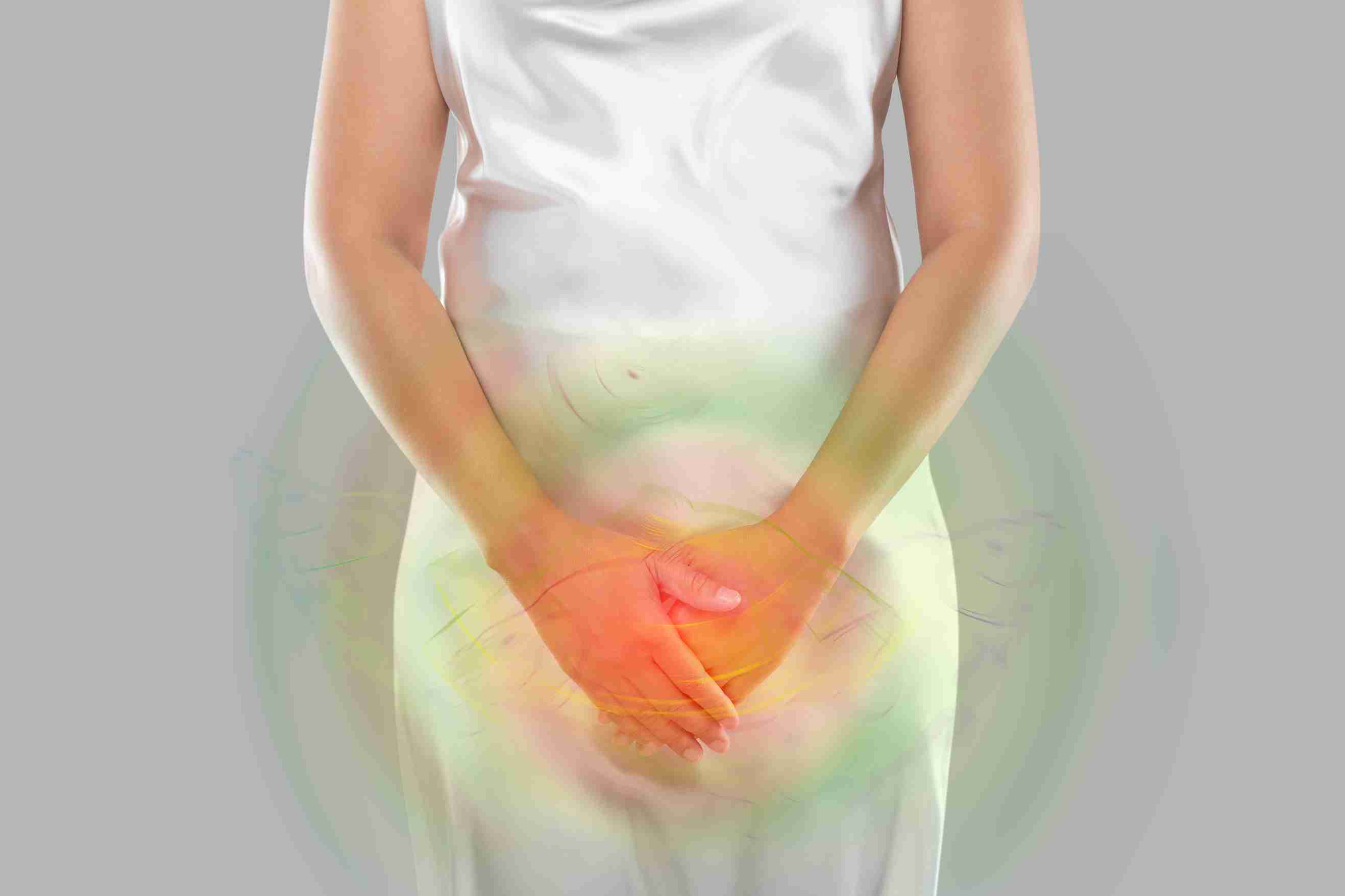
Lower abdominal or pelvic pain is the most common symptom when it is present. It may be a dull ache rather than a sharp pain, similar to period cramps. It may come and go. Many women with mild PID tolerate this for weeks, assuming it is period pain or a digestive issue.
Unusual vaginal discharge with more discharge than usual, discharge with an unpleasant or different smell, or discharge that is yellow or green rather than clear. Any significant change in vaginal discharge, especially if it has an odour, is worth getting assessed.
Irregular or heavier periods - some women notice their periods change character. Spotting between periods, heavier flow, or periods that are more painful than usual can all be associated with an underlying infection.
Pain or discomfort during sex - deep penetration pain that was not present before, or discomfort during sex that is new, can indicate infection or inflammation in the pelvic organs.
Pain or burning during urination - the urinary and reproductive tracts are in proximity. Pelvic infection sometimes causes urinary symptoms that are mistaken for a urinary tract infection.
Low-grade fever with a slightly elevated but not dramatically high temperature. Many women with PID have a fever of 99.5°F to 100.4°F, enough to feel vaguely unwell but not enough to send them to the doctor.
General fatigue and feeling unwell without a specific localising symptom, just a sense of not feeling right.
The key message is this: none of these symptoms on their own is dramatic. Each one individually has other possible explanations. This is exactly why pelvic infection symptoms are so often missed by the woman herself and sometimes by the first doctor she sees.
When PID becomes severe, the symptoms become harder to miss:
At this stage, the woman usually presents to emergency care. But this level of severity represents a significant infection that has been progressing - ideally, it would have been identified and treated much earlier.
A tubo-ovarian abscess, a collection of pus in or around the ovary or fallopian tube, is one of the serious complications of severe untreated PID and requires hospitalisation and often surgical drainage.
There is no single definitive test for pelvic inflammatory disease. Diagnosis is based on a combination of history, examination, and investigations. A gynaecologist examining a woman with PID typically finds:
Investigations typically ordered:

PID is treated with antibiotics, and when diagnosed, treatment should start promptly without waiting for swab results. The antibiotic regimen covers the range of possible organisms, including chlamydia, gonorrhoea, and other bacteria. Oral antibiotic treatment is appropriate for mild to moderate cases. Severe PID needs hospitalisation and intravenous antibiotics.
Treatment should cover both partners if the infection is sexually transmitted. An untreated partner will reinfect the woman, regardless of how well she responds to antibiotics.
Early and complete treatment is the most important factor in preventing long-term complications. The longer PID goes undetected and untreated, the greater the damage to the fallopian tubes.
Factors that raise the risk of developing PID include:
Pelvic infections are common, often silent, and capable of causing serious long-term damage to fertility. Yet, many women reach a fertility clinic before they are ever told this is a possible cause of their difficulty conceiving. Knowing the symptoms, getting tested if there is any concern, and ensuring both partners are treated when infection is identified are the most practical steps available. If you have any of the symptoms described and they persist for more than a few days, see a gynaecologist. Do not wait.


Yes. Silent pelvic infection is very common: chlamydia, the most frequent cause of PID, causes no symptoms in approximately 70-80% of infected women. The infection and the damage it causes to the fallopian tubes can progress for months without the woman knowing anything is wrong. This is why PID is a leading cause of tubal infertility; the damage often happens long before any diagnosis is made.
Pelvic inflammatory disease symptoms range from nothing at all to mild lower abdominal aching, unusual vaginal discharge, pain during sex, irregular periods, and low-grade fever. In severe cases, it causes significant abdominal pain, high fever, nausea, and vomiting. Most women with mild PID describe it as vague discomfort they assume is period pain or a digestive problem, which is exactly why it is so often missed.
Pelvic infection symptoms that should prompt a gynaecologist visit include unusual vaginal discharge with an odour, lower abdominal pain that is new or persistent, pain during sex, irregular or heavier periods, pain during urination, or a low-grade fever alongside feeling generally unwell. A gynaecologist will examine you for cervical tenderness and arrange swabs, blood tests, and an ultrasound. There is no reliable way to self-diagnose; clinical assessment is needed.
Yes. Pelvic inflammatory disease is one of the most common preventable causes of infertility in women. The infection scars the fallopian tubes, which prevents the egg from reaching the uterus or the sperm from reaching the egg. Even a single untreated episode causes tubal damage in a proportion of women. Recurrent PID significantly raises the risk. Early diagnosis and complete treatment are essential to minimising this damage.


 Best Gynecologists in Bellandur Best Gynecologists in Electronic City Best Gynecologists in HRBR LayoutBest Gynecologists in Jayanagar Best Gynecologists in Kanakapura RoadBest Gynecologists in Malleswaram Best Gynecologists in Nagarbhavi Best Gynecologists in Old Airport RoadBest Gynecologists in Sahakarnagar Best Gynecologists in Sarjapur RoadBest Gynecologists in ThanisandraBest Gynecologists in Varthur RoadBest Gynecologists in Whitefield Best Gynecologists in Industrial Area Phase IIBest Gynecologists in OMRBest Gynecologists in T NagarBest Gynecologists in New Industrial TownBest Gynecologists in IndirapuramBest Gynecologists in Golf Course RoadBest Gynecologists in Sector 14Best Gynecologists in Sector 47Best Gynecologists in Banjara HillsBest Gynecologists in GachibowliBest Gynecologists in Hitech CityBest Gynecologists in KompallyBest Gynecologists in Gomti NagarBest Gynecologists in MaladBest Gynecologists in NerulBest Gynecologists in VashiBest Gynecologists in Kailash ColonyBest Gynecologists in PatparganjBest Gynecologists in Punjabi BaghBest Gynecologists in VikaspuriBest Gynecologists in Gaur CityBest Gynecologists in Pari ChowkBest Gynecologists in Sector 51Best Gynecologists in Sector 5 Swastik ViharBest Gynecologists in Kalyani NagarBest Gynecologists in SB RoadBest Gynecologists in Pimple SaudagarBest Pediatricians in BellandurBest Pediatricians in Electronic CityBest Pediatricians in HRBR LayoutBest Pediatricians in JayanagarBest Pediatricians in Kanakapura RoadBest Pediatricians in MalleswaramBest Pediatricians in NagarbhaviBest Pediatricians in Old Airport RoadBest Pediatricians in SahakarnagarBest Pediatricians in Sarjapur RoadBest Pediatricians in ThanisandraBest Pediatricians in Varthur RoadBest Pediatricians in WhitefieldBest Pediatricians in Industrial Area Phase IIBest Pediatricians in OMRBest Pediatricians in T NagarBest Pediatricians in New Industrial TownshipBest Pediatricians in IndirapuramBest Pediatricians in Golf Course RoadBest Pediatricians in Sector 14Best Pediatricians in Sector 47Best Pediatricians in Hitech CityBest Pediatricians in Banjara HillsBest Pediatricians in GachibowliBest Pediatricians in KompallyBest Pediatricians in Gomti NagarBest Pediatricians in MaladBest Pediatricians in NerulBest Pediatricians in VashiBest Pediatricians in Kailash ColonyBest Pediatricians in PatparganjBest Pediatricians in Punjabi BaghBest Pediatricians in VikaspuriBest Pediatricians in Gaur CityBest Pediatricians in Pari ChowkBest Pediatricians in Sector 51Best Pediatricians in Sector 5 Swastik ViharBest Pediatricians in Kalyani NagarBest Pediatricians in SB RoadBest Pediatricians in Pimple Saudagar


