
Pregnancy comes with plenty of moments that sometimes make you pause and wonder if everything is going as it should. Hearing your baby's heartbeat for the first time is one of the most reassuring of them all. As pregnancy progresses, your doctor may continue to check the fetal heart rate during routine visits or recommend closer monitoring when needed.
The baby's heart rate does not stay at one fixed number throughout pregnancy. It changes with gestational age, movement and periods of sleep. A heartbeat Doppler is one of the simple tools healthcare professionals may use to listen to and assess the baby's heartbeat.
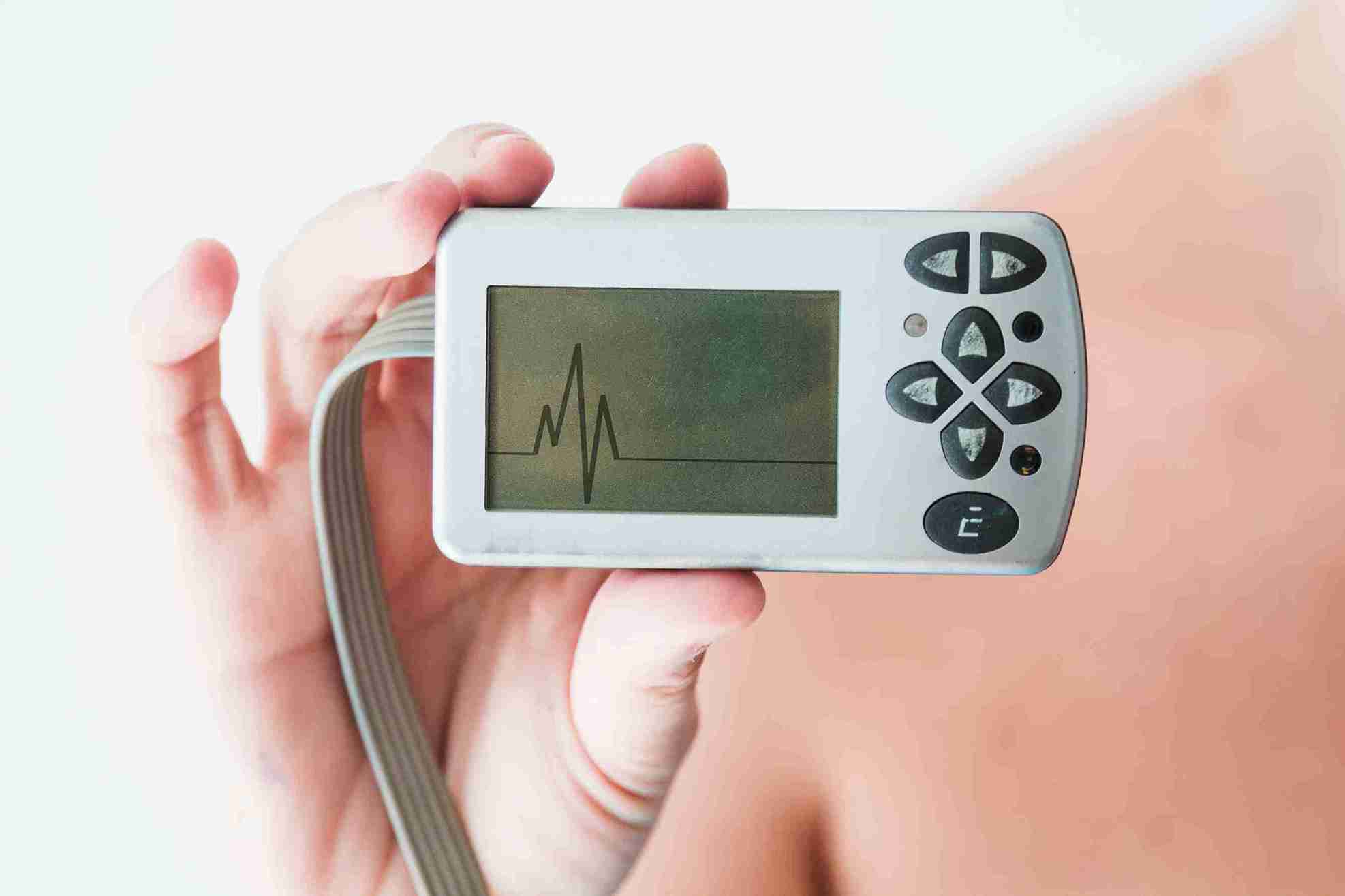
Fetal heart rate refers to how many times your baby's heart beats in a minute. It gives your doctor useful information about the baby's condition, particularly when assessed along with fetal movement, gestational age and other findings.
A single reading, however, cannot tell you whether a pregnancy is completely healthy. Doctors look at the overall pattern and clinical picture rather than focusing on one number.
There are changes in the expected fetal heart rate throughout the pregnancy period. The fetal heart rate tends to rise initially and gradually declines as pregnancy progresses. Later in pregnancy, an expected fetal heart rate of 110-160 beats per minute (bpm) is usually considered normal.
It is normal for the heart rate to momentarily increase when the baby moves and vary during sleep or activity. The healthcare professional can interpret the readings based on your gestational age and tests.
Fetal cardiac activity develops early in pregnancy and can usually be detected on ultrasound before a handheld Doppler can reliably pick it up. Around weeks 5-6, the heartbeat may be about 110 bpm, rising to around 170 bpm around weeks 9-10 before slowing as pregnancy advances.
This change is normal. The baby's developing nervous system, gestational age and activity influence the rate. That is why there is no single number that should be treated as normal throughout all nine months.
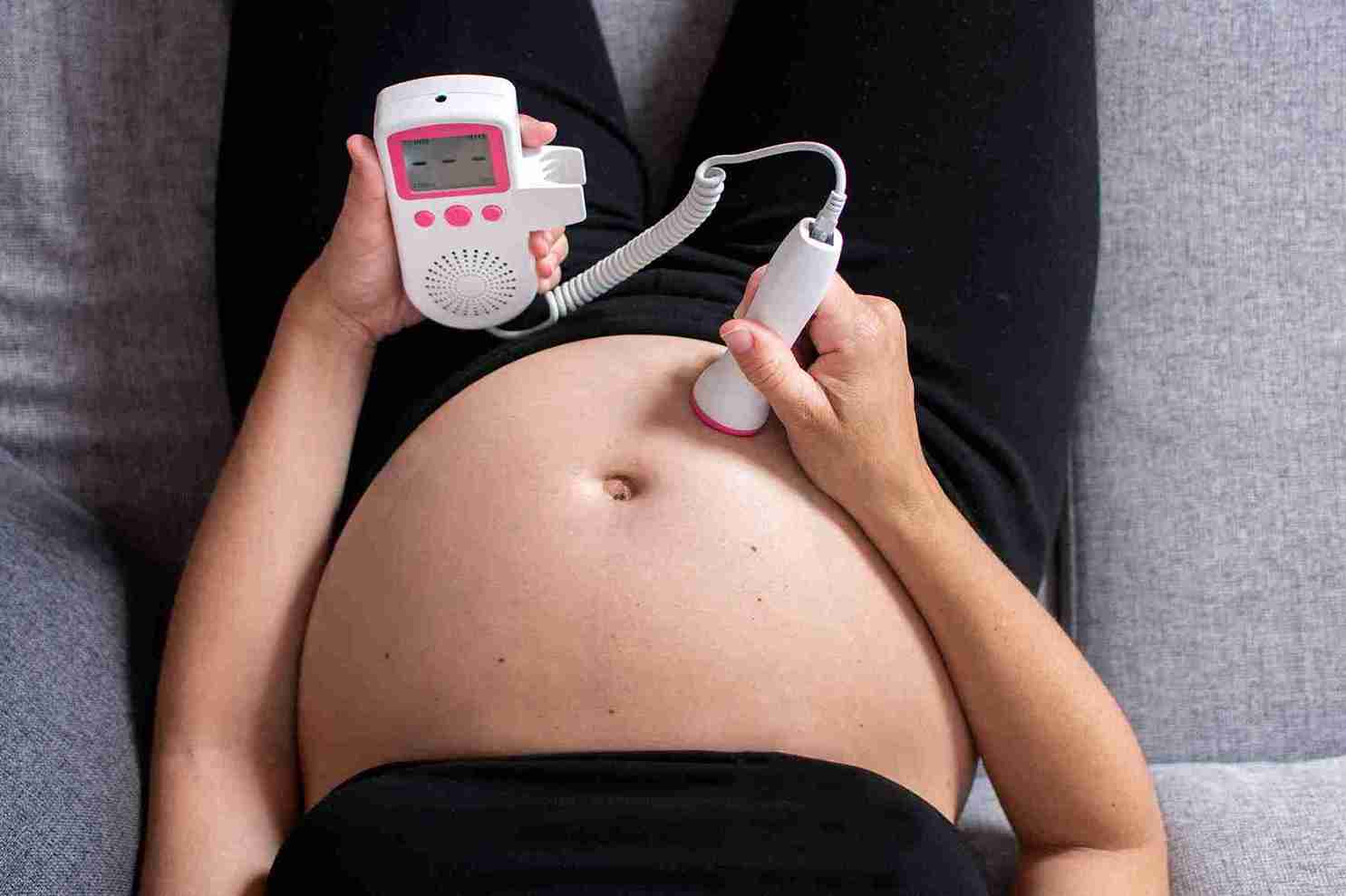
A fetal heartbeat Doppler is a handheld device that uses sound waves to detect the baby's heartbeat through the mother's abdomen. During an antenatal visit, the healthcare professional applies gel and gently moves the probe over the abdomen to locate the heartbeat.
A heartbeat Doppler for pregnancy is different from an ultrasound. A Doppler used to listen to the heartbeat provides an audible heart rate, while an ultrasound creates images and can assess the baby's anatomy, growth and other features. Hearing the heartbeat can be reassuring, but it does not replace routine prenatal examinations, ultrasound scans or other tests recommended by your obstetrician.
A fetal heartbeat may sometimes be detected with a handheld Doppler from around 10-12 weeks, although timing varies. Gestational age, the baby's position, placental location, maternal body size, and the equipment being used can affect how easily it is found. It is not abnormal when you cannot detect the heartbeat; this is especially true if the pregnancy is still early, and the baby is relatively small.
Short-term changes can happen for several reasons, including:
The baby's movement or activity
The baby's sleep cycle
Gestational age
Maternal activity or stress
Certain medicines
Maternal fever, infection or other health conditions
Your doctor considers these factors before deciding whether a reading needs further assessment.
A persistently unusually high or low fetal heart rate may need further evaluation. A baseline below 110 bpm or above 160 bpm can be concerning, particularly when the change persists or occurs with other abnormal findings.
Importantly, one unusual reading does not automatically mean there is a problem. Your healthcare professional may repeat monitoring, assess fetal movement or recommend tests such as an NST, ultrasound or biophysical profile to understand what is happening.
Contact your obstetrician or maternity care team promptly if you notice the following conditions:
Reduced or absent fetal movement, particularly later in pregnancy
Severe or persistent abdominal pain
Any other symptom your obstetrician has specifically asked you to report
Do not rely on a home Doppler to decide whether these symptoms are serious. Reduced fetal movement needs proper clinical assessment even if you can hear a heartbeat.
Home Dopplers can be difficult to use correctly and may not tell you whether the baby's heart rate pattern is healthy. Finding a heartbeat can create false reassurance, while not finding one can cause unnecessary anxiety.
However, if you are concerned about your baby, please contact your healthcare professional, rather than repeatedly checking with a device at home. Professional interpretation is important because fetal heart rate is assessed alongside other signs of fetal well-being.
Depending on your stage of pregnancy and medical needs, your doctor may use:
Handheld Doppler: For intermittent heartbeat checks during antenatal visits.
Ultrasound: To assess cardiac activity, growth and fetal anatomy.
Non-stress test (NST): Measures fetal heart rate in response to movement over time.
Electronic fetal monitoring: Provides continuous or intermittent monitoring during labour when required.
Cloudnine brings together obstetricians, maternal-fetal medicine specialists, radiologists and trained clinical teams to support pregnancies requiring routine or specialised monitoring. Fetal surveillance can include ultrasound, NST and Doppler-based assessments when clinically indicated.
Your baby's heart rate is interpreted alongside gestational age, movements, growth, maternal health and other findings, helping your care team decide what is appropriate for you and your baby.

Monitoring of the fetal heartbeat is essential in pregnancy, but one number rarely tells the whole story. The heart rate changes naturally throughout the development of the fetus. If your doctor recommends a fetal heartbeat Doppler, NST or ultrasound, these checks can provide more information about your baby's health. In case you suspect that your baby's movements have decreased or you see any other signs, contact a doctor to receive appropriate advice.

Yes. A fetal heart rate of 157 bpm falls within the 110-160 bpm baseline range, especially if it is later in the pregnancy period.
No. A fetal heart rate of 154 bpm cannot reliably predict whether the baby is a boy or a girl. Heart rate varies with gestational age and fetal activity.
The range for baseline fetal heart rate is 110-160 bpm and is considered normal in later pregnancy. Interpretation of the result will depend on gestational age and type of testing.
A fetal Doppler uses sound waves to detect and measure the baby's heartbeat. Healthcare professionals use it during pregnancy to check fetal heart rate as part of antenatal care.







 Best Gynecologists in Bellandur Best Gynecologists in Electronic City Best Gynecologists in HRBR LayoutBest Gynecologists in Jayanagar Best Gynecologists in Kanakapura RoadBest Gynecologists in Malleswaram Best Gynecologists in Nagarbhavi Best Gynecologists in Old Airport RoadBest Gynecologists in Sahakarnagar Best Gynecologists in Sarjapur RoadBest Gynecologists in ThanisandraBest Gynecologists in Varthur RoadBest Gynecologists in Whitefield Best Gynecologists in Industrial Area Phase IIBest Gynecologists in OMRBest Gynecologists in T NagarBest Gynecologists in New Industrial TownBest Gynecologists in IndirapuramBest Gynecologists in Golf Course RoadBest Gynecologists in Sector 14Best Gynecologists in Sector 47Best Gynecologists in Banjara HillsBest Gynecologists in GachibowliBest Gynecologists in Hitech CityBest Gynecologists in KompallyBest Gynecologists in Gomti NagarBest Gynecologists in MaladBest Gynecologists in NerulBest Gynecologists in VashiBest Gynecologists in Kailash ColonyBest Gynecologists in PatparganjBest Gynecologists in Punjabi BaghBest Gynecologists in VikaspuriBest Gynecologists in Gaur CityBest Gynecologists in Pari ChowkBest Gynecologists in Sector 51Best Gynecologists in Sector 5 Swastik ViharBest Gynecologists in Kalyani NagarBest Gynecologists in SB RoadBest Gynecologists in Pimple SaudagarBest Pediatricians in BellandurBest Pediatricians in Electronic CityBest Pediatricians in HRBR LayoutBest Pediatricians in JayanagarBest Pediatricians in Kanakapura RoadBest Pediatricians in MalleswaramBest Pediatricians in NagarbhaviBest Pediatricians in Old Airport RoadBest Pediatricians in SahakarnagarBest Pediatricians in Sarjapur RoadBest Pediatricians in ThanisandraBest Pediatricians in Varthur RoadBest Pediatricians in WhitefieldBest Pediatricians in Industrial Area Phase IIBest Pediatricians in OMRBest Pediatricians in T NagarBest Pediatricians in New Industrial TownshipBest Pediatricians in IndirapuramBest Pediatricians in Golf Course RoadBest Pediatricians in Sector 14Best Pediatricians in Sector 47Best Pediatricians in Hitech CityBest Pediatricians in Banjara HillsBest Pediatricians in GachibowliBest Pediatricians in KompallyBest Pediatricians in Gomti NagarBest Pediatricians in MaladBest Pediatricians in NerulBest Pediatricians in VashiBest Pediatricians in Kailash ColonyBest Pediatricians in PatparganjBest Pediatricians in Punjabi BaghBest Pediatricians in VikaspuriBest Pediatricians in Gaur CityBest Pediatricians in Pari ChowkBest Pediatricians in Sector 51Best Pediatricians in Sector 5 Swastik ViharBest Pediatricians in Kalyani NagarBest Pediatricians in SB RoadBest Pediatricians in Pimple Saudagar


