
Most babies naturally move into a head-down position during the final weeks of pregnancy, preparing for birth. However, in some pregnancies, the baby remains positioned with the buttocks or feet facing downward instead of the head. This is known as a breech presentation in pregnancy. While learning that your baby is breech can feel worrying, it does not automatically mean that something is wrong with your pregnancy or your baby.
A breech position is relatively common earlier in pregnancy because babies have plenty of room to move around. As pregnancy progresses, most babies turn head-down on their own. Only a small percentage remain breech close to the due date. If your healthcare provider identifies a breech position of the fetus during the third trimester, they will discuss monitoring, possible methods to encourage the baby to turn, and the safest delivery options based on your individual pregnancy.

Breech position of fetus is the one in which the buttocks, feet, or both are positioned to enter the birth canal first instead of the head. This situation is referred to in medical terms as breech presentation. Typically, babies assume a cephalic or vertex position in which the head comes out first before labour starts. If breech in pregnancy occurs, it implies that the baby's lower half is the part that will come out first during delivery.
Breech presentation during pregnancy is an important occurrence, especially after 36-37 weeks, since at that time the baby has a very low possibility of changing positions naturally.
There are different breech presentations in pregnancy based on the way the baby lies in the womb in relation to leg positioning.
It is the most common form of breech position. The baby's buttocks lie facing downward, with the legs straight and extended toward the head.
This is where the baby's buttocks point toward the birth canal, with the hips and knees bent, making it cross-legged in position.
One or both feet are positioned below the buttocks and may enter the birth canal first. This type carries a higher risk of complications during vaginal birth.
This is a rare form in which one or both knees present first while the baby's hips remain extended.
Breech position is very common in early pregnancy since the baby is likely to change position at some point during pregnancy.
As pregnancy progresses, most babies move into the head-first position before labour commences. This means that only a few babies will be in breech position when pregnancy reaches its end.
This is the reason why health care professionals always check the breech position of the fetus during third-trimester antenatal visits.
In many pregnancies, there is no clear reason why a baby remains breech. Often, it simply happens without any identifiable cause.
Several maternal factors may increase the likelihood of a breech baby, including:
● First pregnancy
● An unusually shaped uterus
● Too much amniotic fluid (polyhydramnios)
● Too little amniotic fluid (oligohydramnios)
Certain fetal conditions may also contribute, such as:
● Limited fetal movement
● Certain congenital conditions
● Babies who have less room to turn
Other pregnancy-related factors include:
● Twins or triplets
● Previous pregnancy with a breech baby
It is important to remember that most breech babies are otherwise healthy.
Many women experience no noticeable symptoms when their baby is breech.
Sometimes, possible clues include:
● A hard, round head felt beneath the ribs
● Strong kicks low in the abdomen
● Pressure or discomfort in the upper abdomen
● A healthcare provider suspects breech during a routine examination
However, these signs alone cannot confirm breech presentation in pregnancy. Ultrasound remains the most reliable way to determine the baby's position.
Yes. There are lots of cases when the baby naturally turns its head down until 36 weeks of pregnancy.
At 37 weeks of gestation, the space in the uterus becomes smaller, and therefore the chances for natural turning decrease. The volume of amniotic fluid, the baby's weight, and the configuration of the uterus could also play an important role.
Even if you have a breech baby at 37 weeks of pregnancy, your doctor will regularly monitor you and recommend the most suitable way of management.
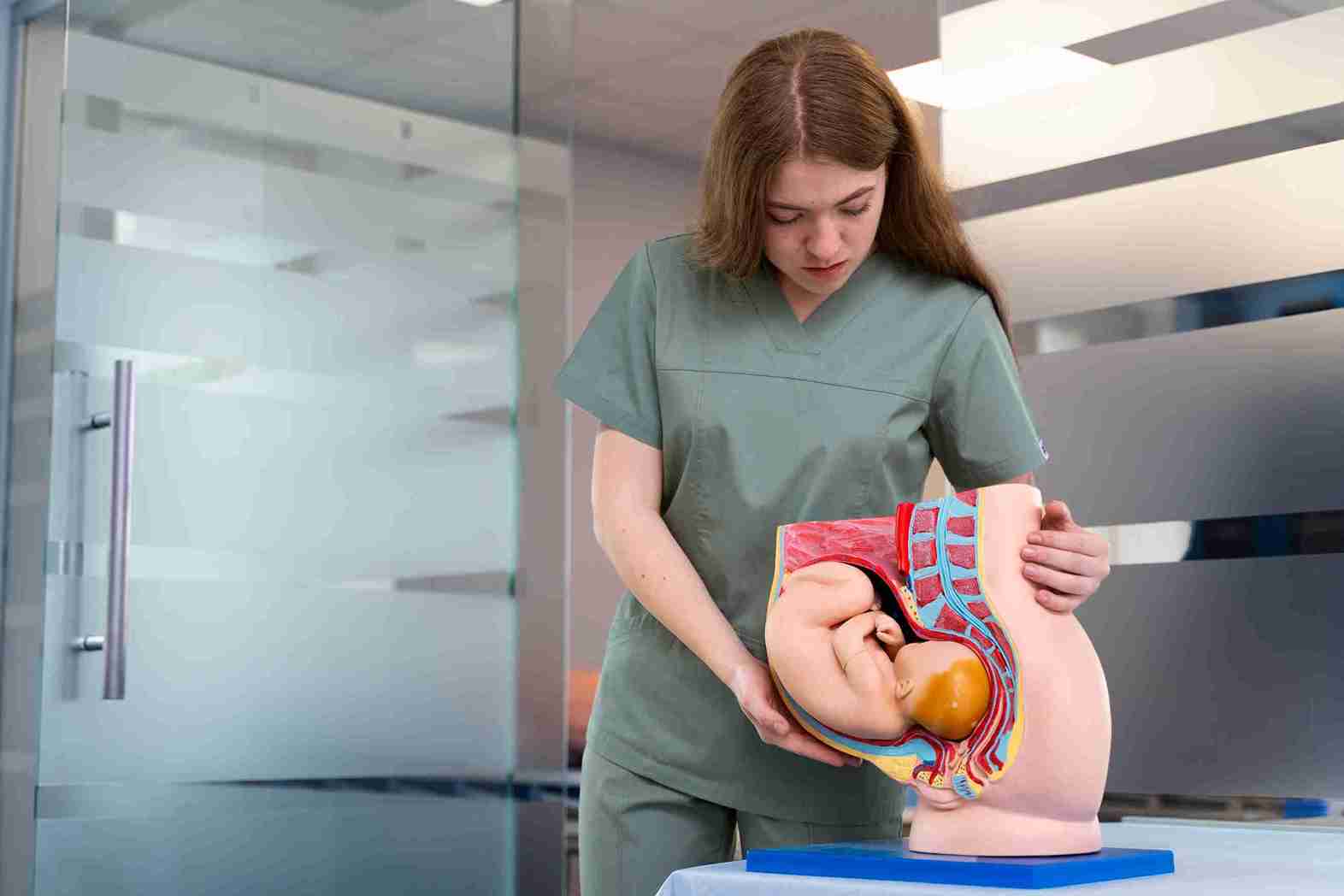
External cephalic version, or ECV, is a process that involves encouraging a breech baby to turn its body and position its head downward before going into labour.
This process is carried out when the baby is at least 36-37 weeks old and in cases where the patient has no medical reasons to be unable to undergo the process.
In ECV, the doctor carefully uses his hands on the mother's tummy and applies the pressure required to make the baby assume the right position. The ultrasound is performed both before and during the process to determine the baby's position while its heart rate is being monitored.
ECV is not surgical and is performed in hospitals where emergencies can be managed.
A woman may feel some pressure or discomfort during the process, and pain levels differ from woman to woman.
Potential benefits include:
● Increased likelihood of a head-down birth
● Reduced need for caesarean delivery in suitable pregnancies
Although ECV is generally considered safe, it does carry small risks, including temporary changes in the baby's heart rate, bleeding, labour beginning early, or the need for an emergency caesarean section.
ECV is usually not recommended in situations such as:
● Certain uterine abnormalities
● Fetal distress
● Some multiple pregnancies
● Other pregnancy complications where vaginal birth is not advised
Your obstetrician will determine whether ECV is appropriate based on your individual pregnancy.
Which mode of delivery is safest in a given case depends on various factors that must be considered before making an evaluation.
Planned cesarean delivery is usually recommended for many breech deliveries, especially where vaginal delivery can turn out to be unsafe.
Advantages may include:
● Fewer risks of delivery problems
● Timed delivery
● Continued specialist care
Generally, recovery will take somewhat longer than a vaginal delivery, but the majority of women make good recovery after delivery.
In some cases, vaginal breech delivery may be performed.
This may be done usually only in those cases where:
● Breech presentation is favourable
● Mother and baby meet specific criteria for suitability
● Labour is progressing normally
● Skilled obstetricians are available
● Hospital is equipped to manage breech deliveries
The most suitable method of delivery must always be determined in consultation with your healthcare provider.
You should visit your doctor immediately if you face the following conditions:
● Decrease in baby’s movement
● Breech presentation after 36 weeks
● Premature rupture of the water bag before labour begins
● Unexpected onset of labour
● Abdominal pain
● Any worries regarding your baby's movement
Early consultation will help the doctor to evaluate the situation and give you adequate advice.
Cloudnine takes care of breech babies during pregnancy with a personalised and evidence-based practice carried out by the expert obstetricians and fetal medicine specialists. Antenatal visits, ultrasound scans, and constant monitoring of the fetus will help detect breech presentation and take appropriate decisions accordingly.
If the doctor deems it appropriate, they will discuss with the patient whether an external cephalic version (ECV) would be beneficial for them. If the fetus continues to be in breech presentation, then they make individual plans for delivery depending upon the fetus's position, gestational period, mother's health, etc. Cloudnine offers the best maternity care units and an expert obstetrician team with round-the-clock availability.

Learning that your baby is breech can naturally raise questions, but it is important to remember that a breech position is not uncommon and does not necessarily indicate a problem. Understanding what breech in pregnancy means, the possible reasons it occurs, available options for turning the baby, and the safest delivery approaches can help you feel more informed and prepared. Regular antenatal check-ups, timely diagnosis, and discussions with your healthcare provider are key to achieving the best possible outcome for both mother and baby.
Want to consult the best gynecologists in India? Please find the links below.
Want to consult the best Maternity Packages in India? Please find the links below.

Sleeping on your left side is generally recommended during pregnancy, but no sleeping position has been proven to turn a breech baby.
Yes. Many babies are still changing positions at 33 weeks, and most naturally turn head-down before birth.
Walking supports overall pregnancy health, but there is limited evidence that it helps turn a breech baby
Sit with good posture and avoid prolonged slouching, but no sitting position has been proven to change a breech baby's position.







 Best Gynecologists in Bellandur Best Gynecologists in Electronic City Best Gynecologists in HRBR LayoutBest Gynecologists in Jayanagar Best Gynecologists in Kanakapura RoadBest Gynecologists in Malleswaram Best Gynecologists in Nagarbhavi Best Gynecologists in Old Airport RoadBest Gynecologists in Sahakarnagar Best Gynecologists in Sarjapur RoadBest Gynecologists in ThanisandraBest Gynecologists in Varthur RoadBest Gynecologists in Whitefield Best Gynecologists in Industrial Area Phase IIBest Gynecologists in OMRBest Gynecologists in T NagarBest Gynecologists in New Industrial TownBest Gynecologists in IndirapuramBest Gynecologists in Golf Course RoadBest Gynecologists in Sector 14Best Gynecologists in Sector 47Best Gynecologists in Banjara HillsBest Gynecologists in GachibowliBest Gynecologists in Hitech CityBest Gynecologists in KompallyBest Gynecologists in Gomti NagarBest Gynecologists in MaladBest Gynecologists in NerulBest Gynecologists in VashiBest Gynecologists in Kailash ColonyBest Gynecologists in PatparganjBest Gynecologists in Punjabi BaghBest Gynecologists in VikaspuriBest Gynecologists in Gaur CityBest Gynecologists in Pari ChowkBest Gynecologists in Sector 51Best Gynecologists in Sector 5 Swastik ViharBest Gynecologists in Kalyani NagarBest Gynecologists in SB RoadBest Gynecologists in Pimple SaudagarBest Pediatricians in BellandurBest Pediatricians in Electronic CityBest Pediatricians in HRBR LayoutBest Pediatricians in JayanagarBest Pediatricians in Kanakapura RoadBest Pediatricians in MalleswaramBest Pediatricians in NagarbhaviBest Pediatricians in Old Airport RoadBest Pediatricians in SahakarnagarBest Pediatricians in Sarjapur RoadBest Pediatricians in ThanisandraBest Pediatricians in Varthur RoadBest Pediatricians in WhitefieldBest Pediatricians in Industrial Area Phase IIBest Pediatricians in OMRBest Pediatricians in T NagarBest Pediatricians in New Industrial TownshipBest Pediatricians in IndirapuramBest Pediatricians in Golf Course RoadBest Pediatricians in Sector 14Best Pediatricians in Sector 47Best Pediatricians in Hitech CityBest Pediatricians in Banjara HillsBest Pediatricians in GachibowliBest Pediatricians in KompallyBest Pediatricians in Gomti NagarBest Pediatricians in MaladBest Pediatricians in NerulBest Pediatricians in VashiBest Pediatricians in Kailash ColonyBest Pediatricians in PatparganjBest Pediatricians in Punjabi BaghBest Pediatricians in VikaspuriBest Pediatricians in Gaur CityBest Pediatricians in Pari ChowkBest Pediatricians in Sector 51Best Pediatricians in Sector 5 Swastik ViharBest Pediatricians in Kalyani NagarBest Pediatricians in SB RoadBest Pediatricians in Pimple Saudagar


