





Few decisions in early parenthood carry as much weight or as much unsolicited opinion as how to feed a newborn. Some mothers breastfeed exclusively. Some use formula from the start. Many do both. And a large number feel guilty regardless of which choice they make.
The honest answer to "which is best" is not a simple one. Breastfeeding vs formula feeding is not a contest with a clear winner for every family. It is a decision shaped by the mother's health, the baby's needs, practical circumstances, and what is actually sustainable in the weeks and months after birth. What matters most is that the baby is fed, growing well, and that the mother is supported.

Breast milk is produced specifically for human infants and changes in composition as the baby grows. In the first few days after birth, the breasts produce colostrum, a thick, yellowish fluid that is small in volume but packed with antibodies, white blood cells, and growth factors. It is sometimes called the baby's first vaccine, and for good reason.
As milk comes in, usually between day three and five, it transitions to mature milk. Mature breast milk contains:
These components are not static. Breast milk changes composition within a single feed; foremilk at the start is more watery and quenches thirst, while hindmilk at the end is richer in fat. It also changes as the baby gets older and as the baby's immune needs change; a mother who is exposed to a pathogen produces antibodies against it in her milk within hours.
Breastfeeding is recommended, but it is not always possible and the reasons for this are more varied and legitimate than they are often given credit for.
Some mothers have insufficient milk supply despite correct technique and frequent feeding. Some babies have a poor latch from birth due to tongue-tie, prematurity, or anatomical factors that make effective feeding difficult. Some mothers have medical conditions or take medications that make breastfeeding inadvisable. Some mothers return to work early, a reality for many women and cannot sustain exclusive breastfeeding.
In all of these situations, formula feeding is not a failure.
Modern infant formula is designed to replicate the nutritional profile of breast milk as closely as possible. It contains fat, protein, carbohydrate, vitamins, and minerals in proportions appropriate for infant growth.
What formula cannot replicate:
Formula feeding for newborns is safe and nutritionally complete. Babies fed formula grow normally and develop normally. The differences between breastfed and formula-fed babies at a population level are real but modest; they represent averages across large groups, not individual destiny.
Choosing the right formula for a newborn:
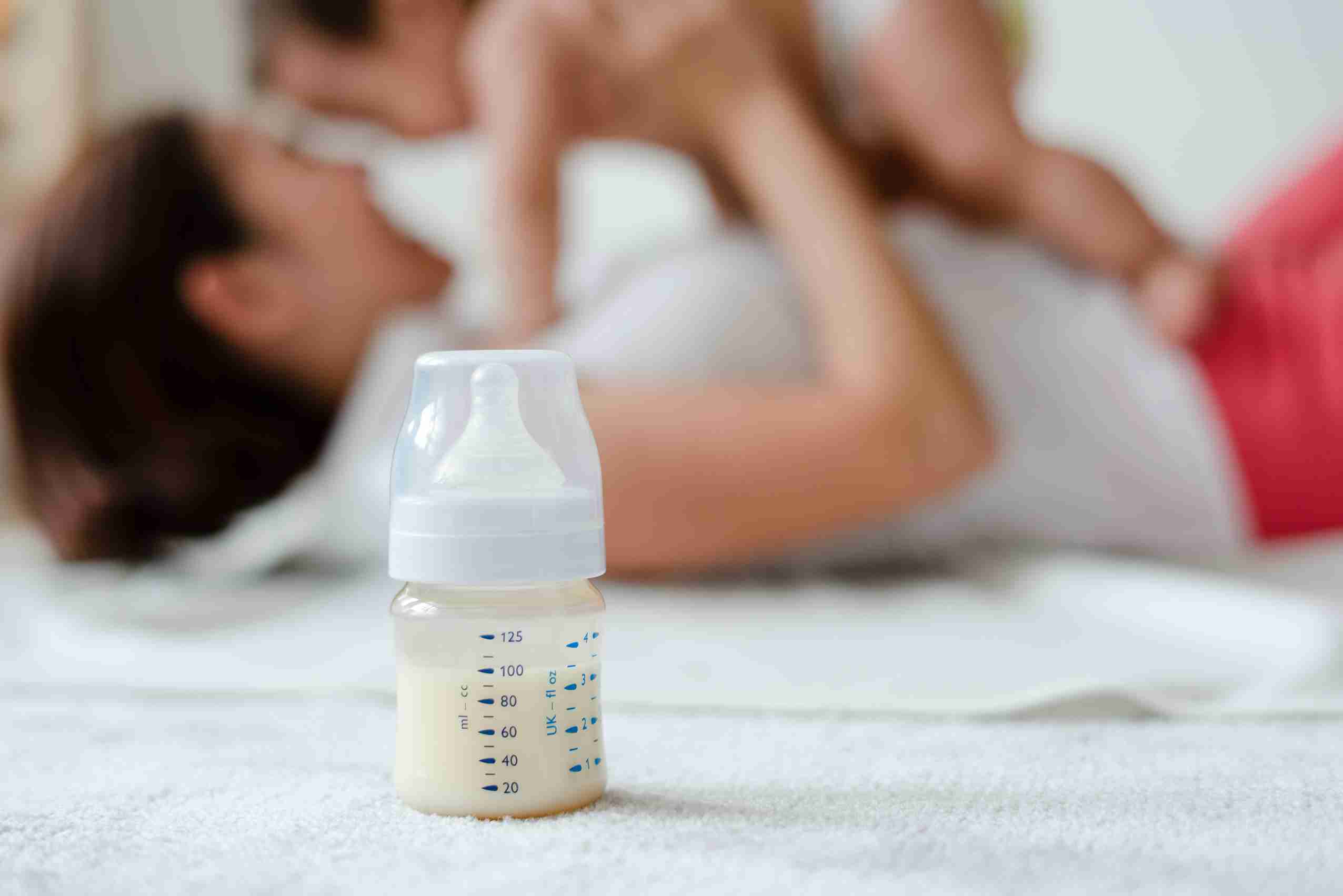
Breast milk has active antibodies and live immune cells that formula simply cannot replicate. Breast milk is adaptive in its composition depending on how the baby is growing, as well as throughout the individual feed. It changes according to the specific needs of the child during each particular time. However, the composition of the formula does not change. Furthermore, formula milk requires preparation and sterilisation prior to each feed, while breast milk is available instantly.
From a cost point of view, breast milk is free. Formula is an ongoing expense that adds up significantly over the first year. On the practical side, formula feeding allows anyone- the father, grandparents, or a caregiver to feed the baby, which gives the mother more flexibility. Breastfeeding requires the mother to be present or to express milk in advance.
The protection against infection is where the difference is most meaningful. Breastfeeding benefits for babies is that they have fewer ear infections, respiratory infections, and gut infections.
Both the breast milk and the formula enable the proper development of the infant. Indeed, there are genuine advantages to breastfeeding which should be strived for, but the formula is certainly not an inferior option to breastfeeding.
Mixed feeding, combining breastfeeding with formula, is an option many families do, and it is safe when done correctly.
Common reasons for mixed feeding:
Things to keep in mind with mixed feeding:
If mixed feeding is the plan, discussing it with a lactation consultant or paediatrician helps set it up in a way that protects breastfeeding as much as possible while meeting the baby's needs.

The Indian Academy of Paediatrics and the WHO both recommend:
In practice, many mothers stop breastfeeding earlier often due to work, supply concerns, or social pressure. Even partial breastfeeding for as long as it is manageable has benefit. It is not all or nothing.
Breastfeeding is the recommended first choice, with good reason; the immune and health benefits are real. But formula feeding is a safe, nutritionally complete alternative for families where breastfeeding is not possible or sustainable. The decision belongs to the mother and family, made with accurate information and without guilt. A baby who is fed, loved, and growing well is a baby who is doing well regardless of what is in the bottle or at the breast.

Want to consult the Best Gynecologists in India? Please find the links below.
Want to consult the Best Maternity Packages in India? Please find the links below.

Yes. Switching from breastfeeding to formula feeding is safe at any point. When switching, do it gradually: replace one feed at a time with formula over a week or two to allow the breasts to reduce milk production comfortably and avoid engorgement. Abruptly stopping can cause significant breast discomfort and mastitis. A lactation consultant can help manage the transition, especially if you want to preserve some breastfeeding alongside formula.
Yes, mixed feeding is safe. Breast milk vs formula in combination works well for many families. The main consideration is that introducing formula early can reduce breast milk supply since supply is driven by demand. If supplementing, try to breastfeed first before offering formula. Discuss the plan with a paediatrician or lactation consultant to set it up in a way that meets the baby's needs while protecting supply as much as possible.
The WHO recommend exclusive breastfeeding, breast milk only, no water or solids for the first six months. From six months, solid foods are introduced alongside continued breastfeeding for at least two years. The breastfeeding benefits for babies continue beyond six months: immunity support, bonding, and nutritional contribution remain meaningful even as solids become a larger part of the diet.
Formula does not contain the active antibodies and live immune cells found in breast milk, so formula-fed babies do not get the same immunity boost. Formula feeding for newborns is nutritionally complete, but research does show that formula-fed babies have slightly higher rates of respiratory infections, ear infections, and gut infections compared to exclusively breastfed babies.


 Best Gynecologists in Bellandur Best Gynecologists in Electronic City Best Gynecologists in HRBR LayoutBest Gynecologists in Jayanagar Best Gynecologists in Kanakapura RoadBest Gynecologists in Malleswaram Best Gynecologists in Nagarbhavi Best Gynecologists in Old Airport RoadBest Gynecologists in Sahakarnagar Best Gynecologists in Sarjapur RoadBest Gynecologists in ThanisandraBest Gynecologists in Varthur RoadBest Gynecologists in Whitefield Best Gynecologists in Industrial Area Phase IIBest Gynecologists in OMRBest Gynecologists in T NagarBest Gynecologists in New Industrial TownBest Gynecologists in IndirapuramBest Gynecologists in Golf Course RoadBest Gynecologists in Sector 14Best Gynecologists in Sector 47Best Gynecologists in Banjara HillsBest Gynecologists in GachibowliBest Gynecologists in Hitech CityBest Gynecologists in KompallyBest Gynecologists in Gomti NagarBest Gynecologists in MaladBest Gynecologists in NerulBest Gynecologists in VashiBest Gynecologists in Kailash ColonyBest Gynecologists in PatparganjBest Gynecologists in Punjabi BaghBest Gynecologists in VikaspuriBest Gynecologists in Gaur CityBest Gynecologists in Pari ChowkBest Gynecologists in Sector 51Best Gynecologists in Sector 5 Swastik ViharBest Gynecologists in Kalyani NagarBest Gynecologists in SB RoadBest Gynecologists in Pimple SaudagarBest Pediatricians in BellandurBest Pediatricians in Electronic CityBest Pediatricians in HRBR LayoutBest Pediatricians in JayanagarBest Pediatricians in Kanakapura RoadBest Pediatricians in MalleswaramBest Pediatricians in NagarbhaviBest Pediatricians in Old Airport RoadBest Pediatricians in SahakarnagarBest Pediatricians in Sarjapur RoadBest Pediatricians in ThanisandraBest Pediatricians in Varthur RoadBest Pediatricians in WhitefieldBest Pediatricians in Industrial Area Phase IIBest Pediatricians in OMRBest Pediatricians in T NagarBest Pediatricians in New Industrial TownshipBest Pediatricians in IndirapuramBest Pediatricians in Golf Course RoadBest Pediatricians in Sector 14Best Pediatricians in Sector 47Best Pediatricians in Hitech CityBest Pediatricians in Banjara HillsBest Pediatricians in GachibowliBest Pediatricians in KompallyBest Pediatricians in Gomti NagarBest Pediatricians in MaladBest Pediatricians in NerulBest Pediatricians in VashiBest Pediatricians in Kailash ColonyBest Pediatricians in PatparganjBest Pediatricians in Punjabi BaghBest Pediatricians in VikaspuriBest Pediatricians in Gaur CityBest Pediatricians in Pari ChowkBest Pediatricians in Sector 51Best Pediatricians in Sector 5 Swastik ViharBest Pediatricians in Kalyani NagarBest Pediatricians in SB RoadBest Pediatricians in Pimple Saudagar


