





Menstrual blood is not just blood; it is a combination of blood, uterine tissue, and mucus. This mixture can naturally lead to the formation of clots during menstruation. For many women, period blood clots are a common part of the menstrual cycle, especially during days of heavier flow.
However, it can sometimes be difficult to tell which clots fall within the normal range and which may signal an underlying health concern. Understanding the differences between normal and abnormal clotting will help you recognise when to remain calm and when to seek medical care.

Menstrual blood clots are gel-like lumps that appear while the lining of the uterus sheds off at a rapid rate and the blood coagulates before it has a chance to leave the body. This is how the body manages heavier menstrual flow.
Normal clots are typically bright or dark red, soft, and pea to quarter-sized. They tend to appear on the heaviest days of flow, usually the first two days.
Many women have questions like these: jelly-like blood clots during periods, is it normal? This consistency often comes from a mix of blood, tissue, and natural vaginal mucus.
Such clots are considered normal when they:
If the consistency changes suddenly or persists throughout the cycle, it may require evaluation.
Period blood clots normal vs. abnormal characteristics include:
Clots can be abnormal if they:
Any significant variation from your normal menstrual pattern should be checked by a physician.
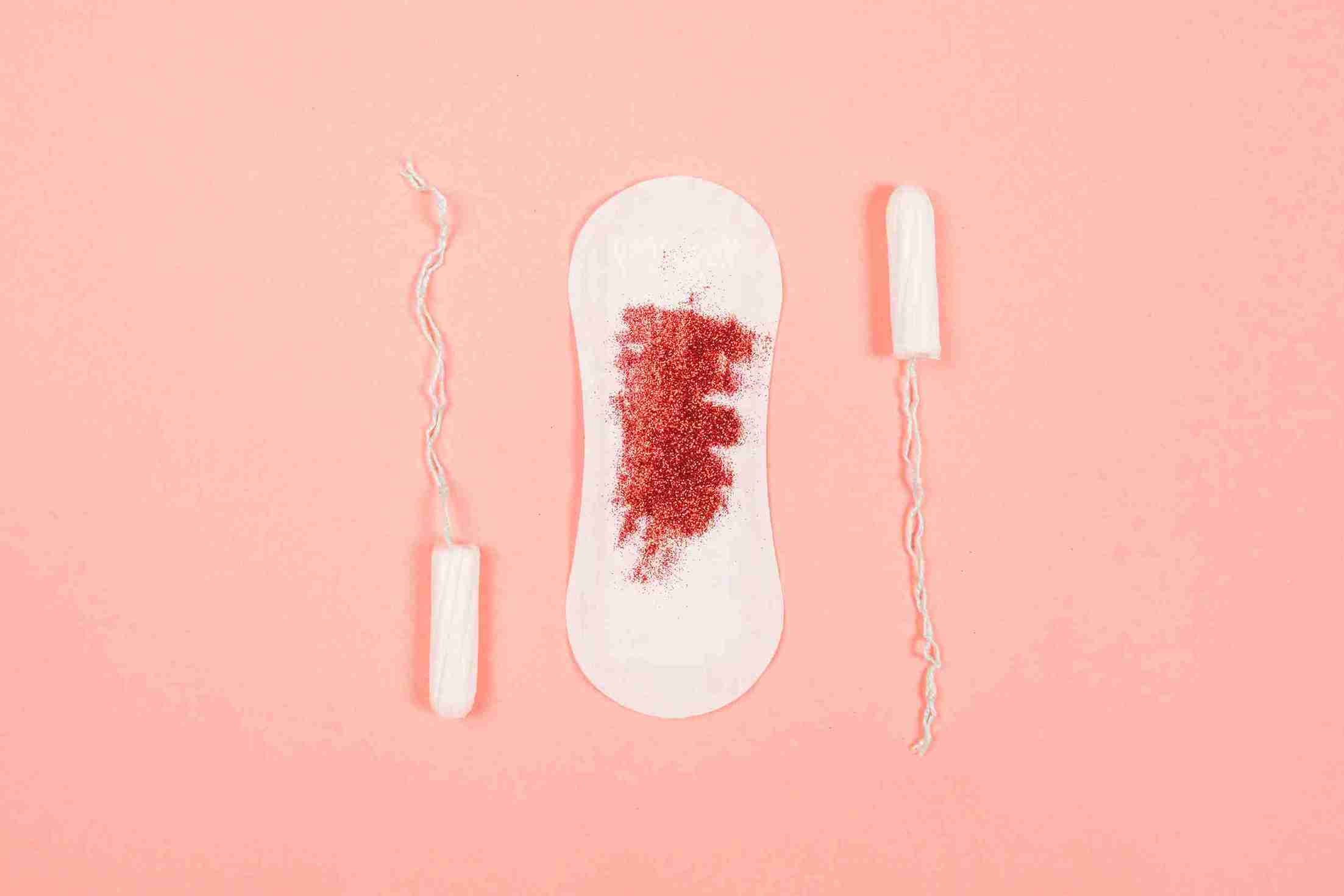
Some of the most common reasons for period blood clots include heavy flow. When the uterus lining sheds too quickly, clots form before the blood can exit.
Either low levels of progesterone or high levels of estrogen can cause an imbalance in the breakdown of the uterine lining, which then may lead to clotting.
Benign growths inside the uterus increase bleeding and cause frequent, large clots.
Endometrial tissue growing outside or deep within the uterine wall can lead to painful periods and thick, persistent clots.
Irregular cycles caused by PCOS may result in heavier shedding once menstruation begins.
Tissue-like clots may sometimes indicate a very early pregnancy loss. This must be discussed sensitively and evaluated medically.
Less common disorders can affect the body's mechanism for controlling menstrual bleeding.
Some women experience heavier periods and clotting during the first few months after IUD insertion.
Seek medical attention if you notice:

Lifestyle measures can help reduce mild clotting. If you are searching for: how to stop blood clots during period naturally, here is a list of ways to consider:
A heating pad eases cramps and improves blood flow, helping reduce clot formation.
Hydration naturally prevents thickening of the blood.
Include spinach, beetroot, lentils, jaggery, seeds, and lean meats to support healthy periods.
These are nutrients that support hormonal balance.
Physical movement helps with blood circulation and hence reduces pelvic congestion.
These can increase inflammation and worsen clotting.
Consult an expert in case you notice:
Early evaluation helps in preventing complications.

Hormonal therapy, progesterone supplementation, NSAIDs (Nonsteroidal Anti-Inflammatory Drugs) may be used to regulate bleeding.
Preventing or treating anaemia resulting from heavy blood loss.
Fibroids, endometriosis, PCOS, or thyroid issues are treated based on severity.
In severe cases, procedures like myomectomy, polypectomy, or endometrial ablation may be recommended (rare for younger women).
Cloudnine offers compassionate, specialised gynaecological care designed to help women understand and manage their menstrual health holistically. With experienced gynaecologists, advanced diagnostic tools, and personalised treatment plans, Cloudnine ensures every woman receives accurate evaluation and customised care for period-related concerns. Whether you're dealing with heavy bleeding, clotting, or hormonal imbalance, Cloudnine offers comfort, clarity, and long-term wellness through evidence-based guidance on heavy bleeding, clotting, or hormonal imbalance.

Period blood clots are common and usually normal. However, it is crucial to differentiate between typical and alarming clotting. By understanding period blood clots, signs of abnormal bleeding, and knowing when help may be necessary, women can confidently take charge of their menstrual health.
Always be aware of sudden changes, persistent heavy bleeding, or large clots, and consult your doctor whenever something feels off. Supportive medical care and lifestyle adjustments can make a big difference in menstrual comfort and overall well-being.

Large clots usually suggest heavy bleeding and can be associated with a condition such as fibroids, hormonal imbalance, or menorrhagia.
Unhealthy clots are usually large, frequent, and occur continuously throughout the cycle; in some cases, they may lead to severe cramping or pain, have a bad odour, and can cause excessive blood loss.
No, period blood clots are not an indication of infertility; however, the conditions associated with heavy clots have to be medically evaluated.
Yes, high stress can disrupt hormones, resulting in heavy bleeding and clots that are larger in size in some females.


 Best Gynecologists in Bellandur Best Gynecologists in Electronic City Best Gynecologists in HRBR LayoutBest Gynecologists in Jayanagar Best Gynecologists in Kanakapura RoadBest Gynecologists in Malleswaram Best Gynecologists in Nagarbhavi Best Gynecologists in Old Airport RoadBest Gynecologists in Sahakarnagar Best Gynecologists in Sarjapur RoadBest Gynecologists in ThanisandraBest Gynecologists in Varthur RoadBest Gynecologists in Whitefield Best Gynecologists in Industrial Area Phase IIBest Gynecologists in OMRBest Gynecologists in T NagarBest Gynecologists in New Industrial TownBest Gynecologists in IndirapuramBest Gynecologists in Golf Course RoadBest Gynecologists in Sector 14Best Gynecologists in Sector 47Best Gynecologists in Banjara HillsBest Gynecologists in GachibowliBest Gynecologists in Hitech CityBest Gynecologists in KompallyBest Gynecologists in Gomti NagarBest Gynecologists in MaladBest Gynecologists in NerulBest Gynecologists in VashiBest Gynecologists in Kailash ColonyBest Gynecologists in PatparganjBest Gynecologists in Punjabi BaghBest Gynecologists in VikaspuriBest Gynecologists in Gaur CityBest Gynecologists in Pari ChowkBest Gynecologists in Sector 51Best Gynecologists in Sector 5 Swastik ViharBest Gynecologists in Kalyani NagarBest Gynecologists in SB RoadBest Gynecologists in Pimple SaudagarBest Pediatricians in BellandurBest Pediatricians in Electronic CityBest Pediatricians in HRBR LayoutBest Pediatricians in JayanagarBest Pediatricians in Kanakapura RoadBest Pediatricians in MalleswaramBest Pediatricians in NagarbhaviBest Pediatricians in Old Airport RoadBest Pediatricians in SahakarnagarBest Pediatricians in Sarjapur RoadBest Pediatricians in ThanisandraBest Pediatricians in Varthur RoadBest Pediatricians in WhitefieldBest Pediatricians in Industrial Area Phase IIBest Pediatricians in OMRBest Pediatricians in T NagarBest Pediatricians in New Industrial TownshipBest Pediatricians in IndirapuramBest Pediatricians in Golf Course RoadBest Pediatricians in Sector 14Best Pediatricians in Sector 47Best Pediatricians in Hitech CityBest Pediatricians in Banjara HillsBest Pediatricians in GachibowliBest Pediatricians in KompallyBest Pediatricians in Gomti NagarBest Pediatricians in MaladBest Pediatricians in NerulBest Pediatricians in VashiBest Pediatricians in Kailash ColonyBest Pediatricians in PatparganjBest Pediatricians in Punjabi BaghBest Pediatricians in VikaspuriBest Pediatricians in Gaur CityBest Pediatricians in Pari ChowkBest Pediatricians in Sector 51Best Pediatricians in Sector 5 Swastik ViharBest Pediatricians in Kalyani NagarBest Pediatricians in SB RoadBest Pediatricians in Pimple Saudagar


