
White discharge after periods is normal for most women. The presence of vaginal discharge is crucial to ensuring reproductive well-being because it cleanses, lubricates, and protects the vagina from infections. It varies in volume and texture depending on the different phases of the reproductive cycle due to hormonal fluctuations.
Normally, white vaginal discharge after the period is not something to worry about. But when there are variations in its colour, odour, texture, and other symptoms like irritation and pain, then it may be a sign of an underlying condition. This article explains everything you need to know about white vaginal discharge after periods.
Yes, white discharge after periods is normal for the majority of women. After menstruation ends, the level of estrogen increases and starts producing cervical mucus. This discharge helps in removing dead cells and bacteria from the vagina, while maintaining the vagina's natural pH balance.
Normal discharge is usually white or clear, mild-smelling or odourless, and is not associated with itching, burning, pain, or irritation. In contrast, abnormal discharge often changes in colour, develops a strong odour, or causes discomfort.
White discharge after menstruation occurs because estrogen levels gradually increase once the menstrual period ends. Estrogen causes the formation of cervical mucus, which is needed in the preparation of the reproductive system for ovulation.
In addition, the vagina has its natural cleaning function, which helps to constantly cleanse dead cells and maintain healthy bacteria. As ovulation comes close, the discharge will increase and become more slippery. All these processes are absolutely normal.
In most cases, the white vaginal discharge after period lasts for a couple of days. It all depends on the hormonal balance and the duration of the menstrual cycle.
As ovulation nears, discharge often changes from creamy white to a clearer, stretchier consistency. As each cycle of menstruation is unique, variations in the amount and duration of the discharge are quite normal.
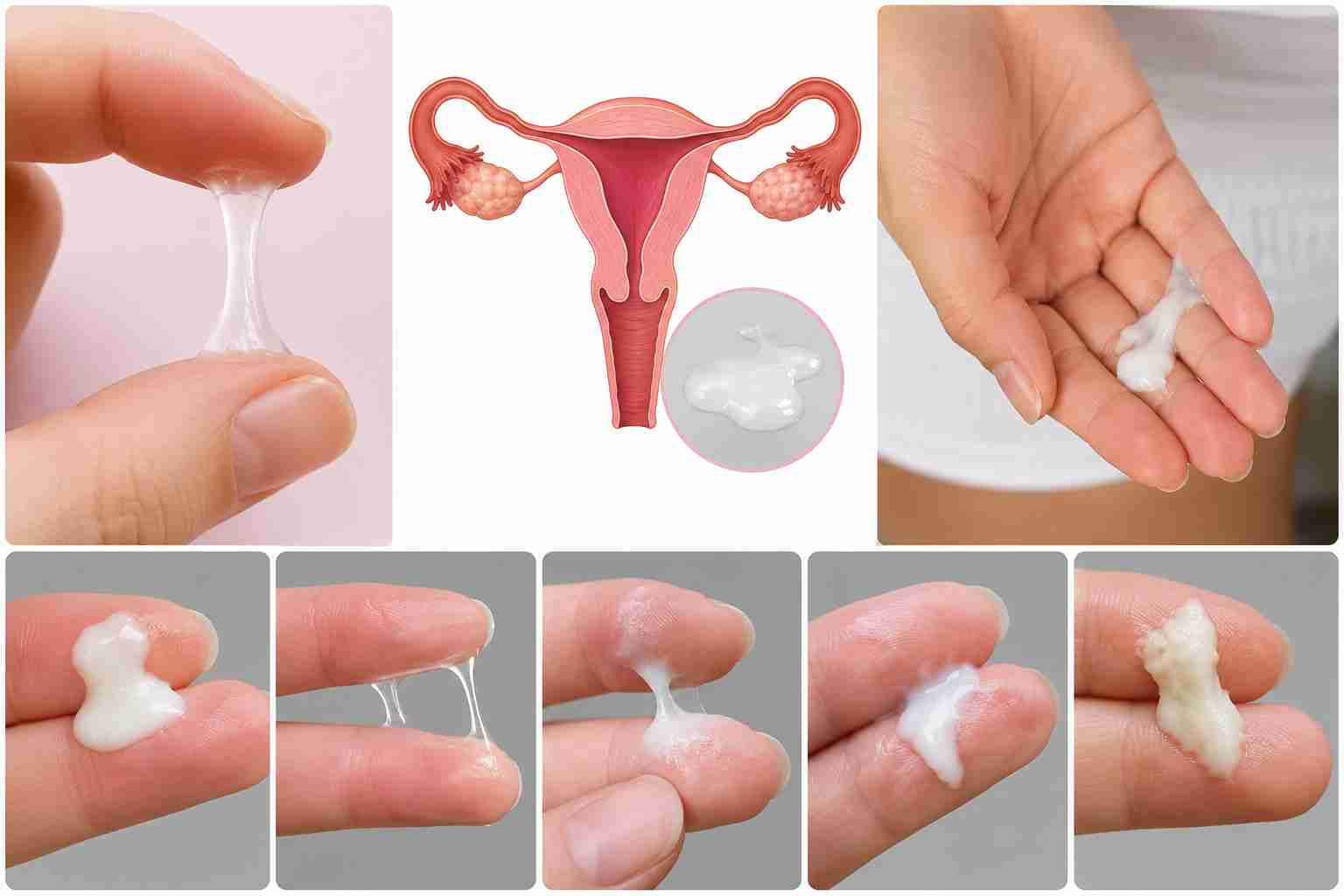
Normal white discharge after a period usually has the following characteristics:
Hormonal changes after periods are one of the most frequent causes of white discharge after a period and are considered normal.
As ovulation approaches, the production of cervical mucus becomes intensified. As a result, white discharge after menstruation may become more slippery and stretchable.
White vaginal discharge after period may appear in some women in case of pregnancy due to natural hormonal changes. Nevertheless, only the appearance of white discharge cannot serve as an indicator of pregnancy; a test is needed for accurate diagnosis.
Sexual arousal naturally increases vaginal lubrication, which may temporarily increase discharge.
Due to the influence of hormonal oral contraceptives, the levels of estrogen may be changed, thus affecting vaginal discharge.
Antibiotics may disrupt the normal vaginal flora balance, thus causing white discharge after the period.
While white vaginal discharge following menstruation is normally healthy, some conditions may require immediate attention, including:
Some signs include:
This condition may result in:
Sexually Transmitted Diseases (STDs)
These infections include Chlamydia, Gonorrhea, and Trichomoniasis. These conditions lead to abnormal discharge accompanied by pelvic pain, bleeding between periods, or painful urination.
Cervicitis is an inflammatory condition that leads to discharge, irritation, and post-sex bleeding.
PID is a serious infection affecting the reproductive organs and requires prompt medical evaluation to prevent complications.
The treatment depends on the underlying cause:
Never take any medication on your own without being diagnosed first.

Consult a healthcare provider if you experience:
Cloudnine offers comprehensive women's healthcare with experienced gynaecologists, advanced diagnostic facilities, and personalised treatment plans. Whether you have concerns about menstrual health, vaginal infections, fertility, pregnancy, or overall reproductive wellness, Cloudnine provides evidence-based care in a supportive environment, helping women make informed decisions at every stage of life.
Getting white discharge after the period is mostly a good sign that signifies natural hormonal fluctuations along with the vagina's natural self-cleaning process. While white discharge after menstruation is often normal, changes in colour, odour, texture, or associated symptoms should not be ignored. Seeking timely medical advice when needed can help maintain long-term vaginal and reproductive health.

Want to consult the Best Gynecologists in India? Please find the links below.
Want to consult the Best Maternity Packages in India? Please find the links below.

White or clear discharge for a few days after menstruation is normal. The duration varies depending on hormonal changes and cycle length.
Milky discharge is commonly seen after menstruation and before ovulation as estrogen levels rise.
Clear, slippery, egg white-like cervical mucus around ovulation is the most fertile because it helps sperm move more easily.
Early pregnancy may cause increased milky white discharge, but discharge alone cannot confirm pregnancy. A pregnancy test is the most reliable method.







 Best Gynecologists in Bellandur Best Gynecologists in Electronic City Best Gynecologists in HRBR LayoutBest Gynecologists in Jayanagar Best Gynecologists in Kanakapura RoadBest Gynecologists in Malleswaram Best Gynecologists in Nagarbhavi Best Gynecologists in Old Airport RoadBest Gynecologists in Sahakarnagar Best Gynecologists in Sarjapur RoadBest Gynecologists in ThanisandraBest Gynecologists in Varthur RoadBest Gynecologists in Whitefield Best Gynecologists in Industrial Area Phase IIBest Gynecologists in OMRBest Gynecologists in T NagarBest Gynecologists in New Industrial TownBest Gynecologists in IndirapuramBest Gynecologists in Golf Course RoadBest Gynecologists in Sector 14Best Gynecologists in Sector 47Best Gynecologists in Banjara HillsBest Gynecologists in GachibowliBest Gynecologists in Hitech CityBest Gynecologists in KompallyBest Gynecologists in Gomti NagarBest Gynecologists in MaladBest Gynecologists in NerulBest Gynecologists in VashiBest Gynecologists in Kailash ColonyBest Gynecologists in PatparganjBest Gynecologists in Punjabi BaghBest Gynecologists in VikaspuriBest Gynecologists in Gaur CityBest Gynecologists in Pari ChowkBest Gynecologists in Sector 51Best Gynecologists in Sector 5 Swastik ViharBest Gynecologists in Kalyani NagarBest Gynecologists in SB RoadBest Gynecologists in Pimple SaudagarBest Pediatricians in BellandurBest Pediatricians in Electronic CityBest Pediatricians in HRBR LayoutBest Pediatricians in JayanagarBest Pediatricians in Kanakapura RoadBest Pediatricians in MalleswaramBest Pediatricians in NagarbhaviBest Pediatricians in Old Airport RoadBest Pediatricians in SahakarnagarBest Pediatricians in Sarjapur RoadBest Pediatricians in ThanisandraBest Pediatricians in Varthur RoadBest Pediatricians in WhitefieldBest Pediatricians in Industrial Area Phase IIBest Pediatricians in OMRBest Pediatricians in T NagarBest Pediatricians in New Industrial TownshipBest Pediatricians in IndirapuramBest Pediatricians in Golf Course RoadBest Pediatricians in Sector 14Best Pediatricians in Sector 47Best Pediatricians in Hitech CityBest Pediatricians in Banjara HillsBest Pediatricians in GachibowliBest Pediatricians in KompallyBest Pediatricians in Gomti NagarBest Pediatricians in MaladBest Pediatricians in NerulBest Pediatricians in VashiBest Pediatricians in Kailash ColonyBest Pediatricians in PatparganjBest Pediatricians in Punjabi BaghBest Pediatricians in VikaspuriBest Pediatricians in Gaur CityBest Pediatricians in Pari ChowkBest Pediatricians in Sector 51Best Pediatricians in Sector 5 Swastik ViharBest Pediatricians in Kalyani NagarBest Pediatricians in SB RoadBest Pediatricians in Pimple Saudagar


