
A baby's digestive system is still developing, so changes in bowel movements are common. However, knowing the difference between normal stools and baby diarrhoea is important. While babies, especially those who are breastfed, naturally pass soft or runny stools, diarrhoea usually involves frequent, watery stools that are noticeably different from their usual pattern.
Loose motion in kids can often occur due to infections, food intolerance, or changes in diet, and although it often improves within a few days, dehydration can develop quickly in infants. Babies lose fluids faster than older children; therefore, recognising the warning signs and seeking timely medical care is essential.
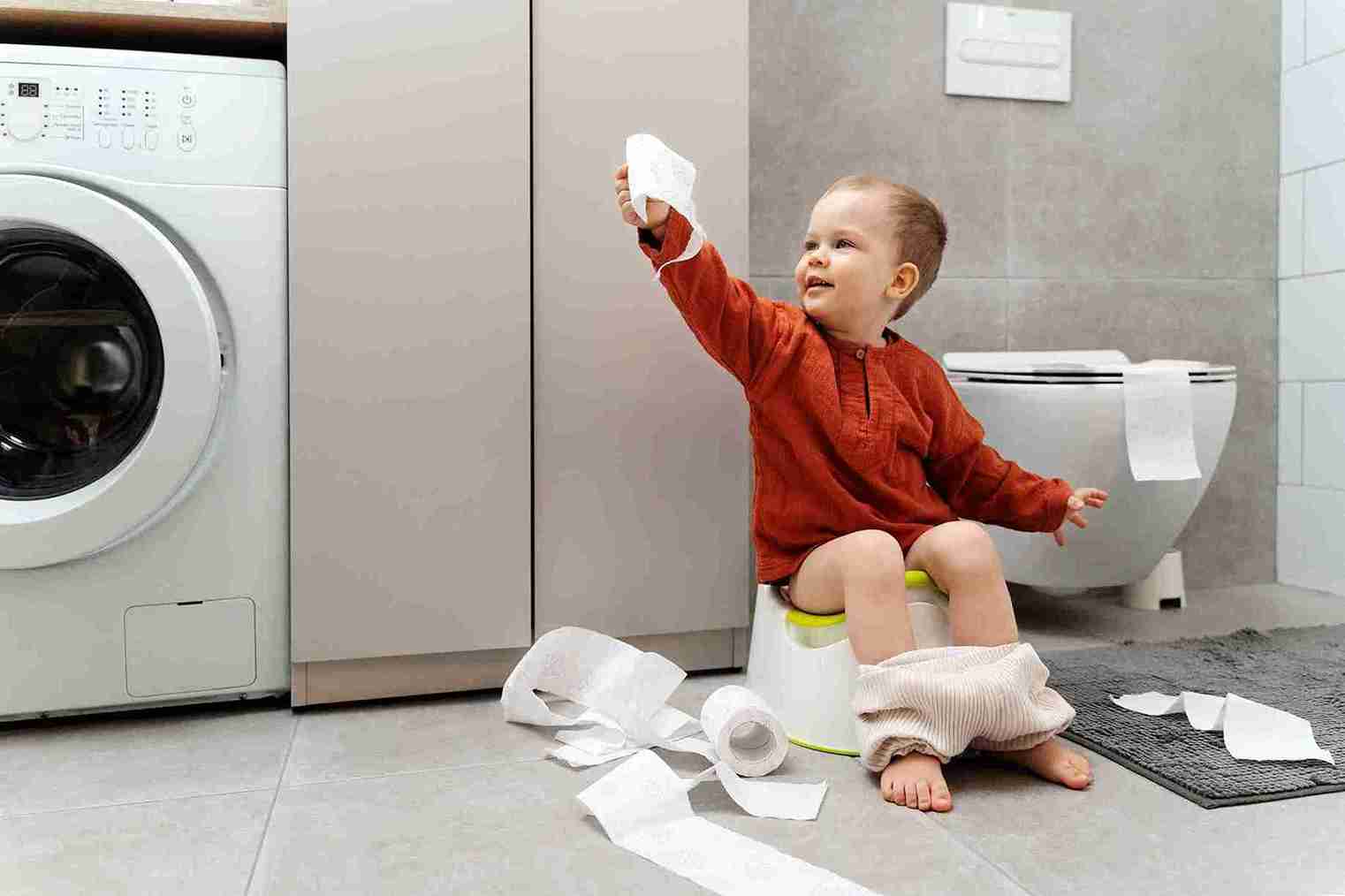
Baby diarrhoea is described as having watery stools more frequently compared to usual bowel motions. Instead of just concentrating on how many stools your baby passes, you should pay attention to the sudden change in frequency as well as the thinning of the stool.
In general, breastfed babies tend to pass soft, yellow stools several times a day, whereas formula-fed babies usually have firm, tan/brown stools. Acute diarrhoea is generally less than two weeks in duration and is caused mainly by infection. Chronic diarrhoea may last longer and require additional investigation.
Parents often get concerned about yellow watery diarrhoea in babies, but yellowish stool is not always a symptom of disease in babies. In fact, breastfed babies normally pass yellow stool resembling mustard-yellow that might seem to be very watery.
However, yellow watery diarrhoea in babies may indicate an infection if stools suddenly become very frequent, contain mucus or blood, have a foul smell, or are accompanied by fever, vomiting, poor feeding, or unusual sleepiness. Viral infections are the most common cause, although food intolerance or bacterial infections may also be responsible.
Knowing the causes of diarrhoea in children allows the parents to act accordingly. These include:
Among the usual causes of diarrhoea in infants and children are viruses like rotavirus, norovirus, and adenovirus.
Diarrhoea may be caused by bacteria such as Salmonella, E. coli, Shigella, and Campylobacter, especially after ingesting contaminated foods and water.
Parasites, food allergy or intolerance, food poisoning, and even antibiotic-associated diarrhoea may also occur in children. A sudden alteration in diet may cause loose bowels. Many parents believe teething causes diarrhoea, but no evidence that teething directly leads to diarrhoea. Instead, babies often put more objects into their mouths while teething, increasing exposure to germs.
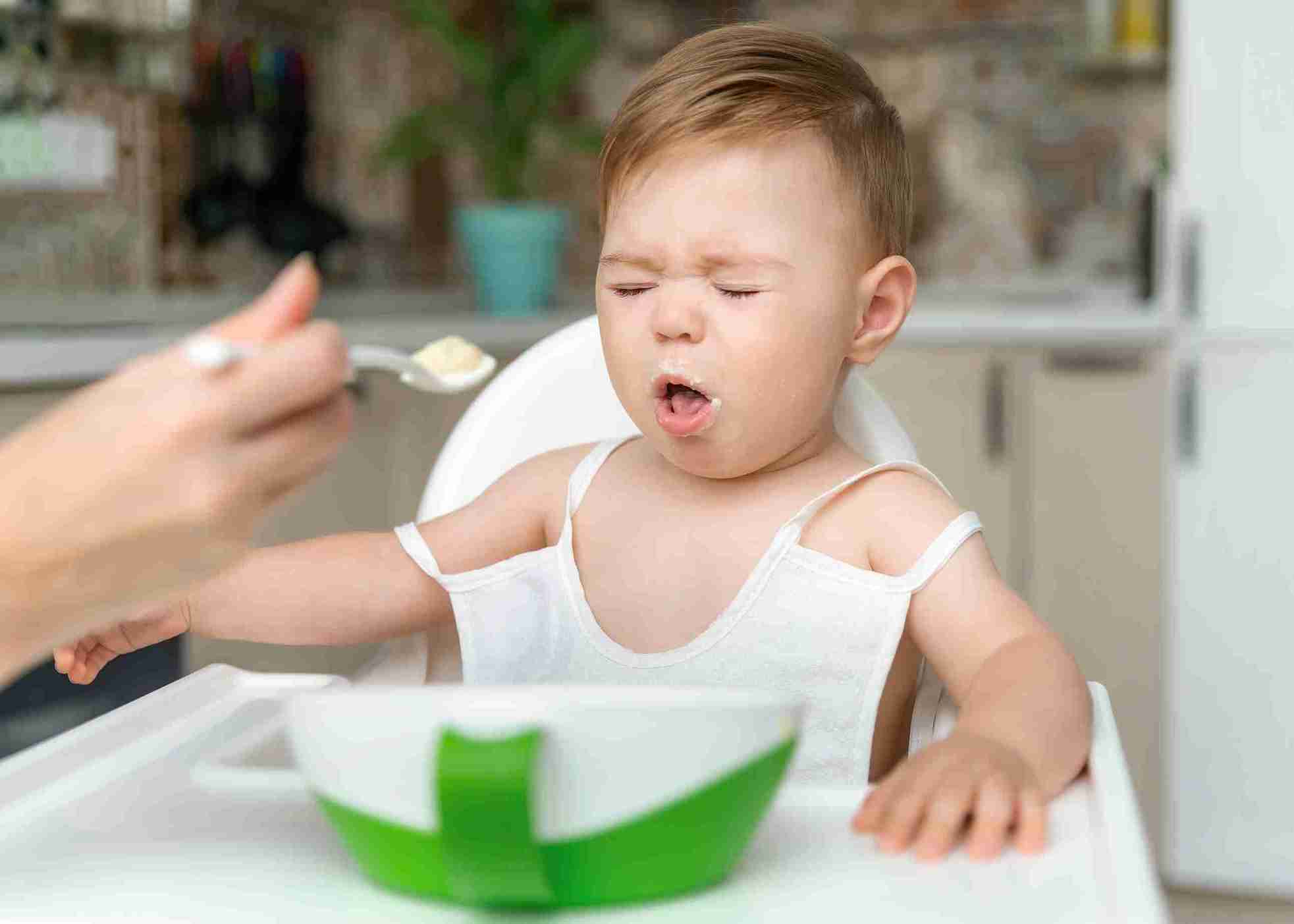
The symptoms are dependent upon the cause of diarrhoea and usually consist of increased loose motions, vomiting, fever, stomach cramps, poor appetite, irritability, and tiredness. In some cases, the baby’s stool might have blood and mucus or even lead to weight loss after some days of persistent diarrhoea.
Since dehydration occurs fast in babies, the following signs include: dry mouth, lack of tears when crying, sunken eyes, sunken fontanelle, low number of wet diapers, excessive sleeping, cold hands and feet, or rapid breathing.
Note: Dehydration is the most dangerous complication of diarrhoea and must be treated urgently.
There are many parents looking for ways to stop diarrhoea in kids fast; however, it cannot be done instantly. The main thing to do is to replace the lost fluids and treat the disease causing the problem. Oral Rehydration Solution (ORS) is the safest method to replace fluids and minerals. Breastfeeding must be continued since breast milk helps to rehydrate and recover from diarrhoea. The formula must be used if you are advised to do so by your doctor.
Provide age-specific food such as rice, bananas, applesauce, bread, yoghurt (if appropriate), potatoes, and oatmeal as soon as your kid starts eating. Taking zinc and probiotics may also be suggested by the doctor in certain situations. It is important to avoid any anti-diarrhoea drugs unless the doctor prescribes them.
The right diet can support recovery during loose motion in kids.
Small, frequent meals are usually better tolerated than large portions.
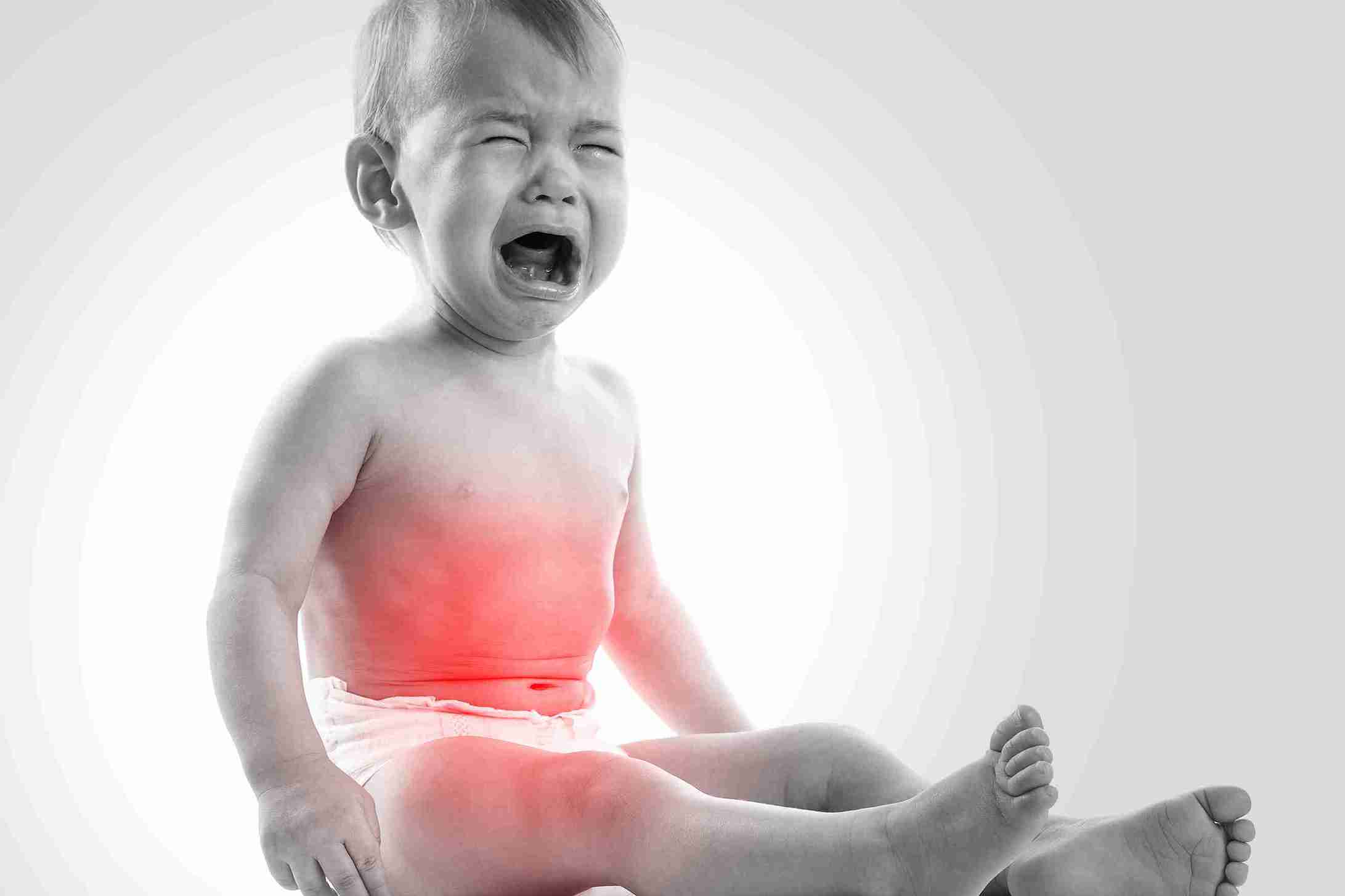
While not all cases of baby diarrhoea can be prevented, simple hygienic practices greatly decrease the chances of it happening. Wash your hands before feeding the baby and after you change his or her diapers, cook food safely, use only clean water for drinking, sterilise feeding bottles correctly, practice proper hygiene with the diapers, keep babies away from people who have stomach infections, and ensure your child receives the recommended rotavirus vaccination.
Consult your doctor right away if your baby is under three months old and suffers from diarrhoea, starts passing bloody stools, vomits frequently, has high body temperature, has diarrhoea lasting more than 24-48 hours, refuses to eat, complains about abdominal pain, looks lethargic, develops seizures, or has any signs of dehydration.
At Cloudnine, experienced paediatricians provide prompt evaluation and personalised treatment for babies with digestive illnesses, including diarrhoea and dehydration. Supported by advanced diagnostic facilities, paediatric emergency care, and expert nutritional guidance, the team focuses on identifying the underlying cause while helping your baby recover safely.
Most cases of baby diarrhoea improve with proper hydration, continued feeding, and supportive care. However, because babies can become dehydrated quickly, it is important to monitor symptoms closely and seek medical attention whenever warning signs appear. Early treatment can prevent complications and help your baby recover comfortably.

Want to consult the Best Pediatrician in India? Please find the links below

Diarrhoea caused by viruses usually resolves within a couple of days, but this can vary depending on the cause.
If your baby shows signs of dehydration, bloody stool, prolonged vomiting, fever, inability to feed well, or prolonged diarrhoea, visit a paediatrician.
Yes, this is common in breastfed babies, who may pass yellow and runny stools. This is alarming if the stool becomes too watery all of a sudden.
You need to concentrate on preventing dehydration by providing sufficient feeds and ORS, as well as visiting a doctor to determine the cause of diarrhoea.







 Best Gynecologists in Bellandur Best Gynecologists in Electronic City Best Gynecologists in HRBR LayoutBest Gynecologists in Jayanagar Best Gynecologists in Kanakapura RoadBest Gynecologists in Malleswaram Best Gynecologists in Nagarbhavi Best Gynecologists in Old Airport RoadBest Gynecologists in Sahakarnagar Best Gynecologists in Sarjapur RoadBest Gynecologists in ThanisandraBest Gynecologists in Varthur RoadBest Gynecologists in Whitefield Best Gynecologists in Industrial Area Phase IIBest Gynecologists in OMRBest Gynecologists in T NagarBest Gynecologists in New Industrial TownBest Gynecologists in IndirapuramBest Gynecologists in Golf Course RoadBest Gynecologists in Sector 14Best Gynecologists in Sector 47Best Gynecologists in Banjara HillsBest Gynecologists in GachibowliBest Gynecologists in Hitech CityBest Gynecologists in KompallyBest Gynecologists in Gomti NagarBest Gynecologists in MaladBest Gynecologists in NerulBest Gynecologists in VashiBest Gynecologists in Kailash ColonyBest Gynecologists in PatparganjBest Gynecologists in Punjabi BaghBest Gynecologists in VikaspuriBest Gynecologists in Gaur CityBest Gynecologists in Pari ChowkBest Gynecologists in Sector 51Best Gynecologists in Sector 5 Swastik ViharBest Gynecologists in Kalyani NagarBest Gynecologists in SB RoadBest Gynecologists in Pimple SaudagarBest Pediatricians in BellandurBest Pediatricians in Electronic CityBest Pediatricians in HRBR LayoutBest Pediatricians in JayanagarBest Pediatricians in Kanakapura RoadBest Pediatricians in MalleswaramBest Pediatricians in NagarbhaviBest Pediatricians in Old Airport RoadBest Pediatricians in SahakarnagarBest Pediatricians in Sarjapur RoadBest Pediatricians in ThanisandraBest Pediatricians in Varthur RoadBest Pediatricians in WhitefieldBest Pediatricians in Industrial Area Phase IIBest Pediatricians in OMRBest Pediatricians in T NagarBest Pediatricians in New Industrial TownshipBest Pediatricians in IndirapuramBest Pediatricians in Golf Course RoadBest Pediatricians in Sector 14Best Pediatricians in Sector 47Best Pediatricians in Hitech CityBest Pediatricians in Banjara HillsBest Pediatricians in GachibowliBest Pediatricians in KompallyBest Pediatricians in Gomti NagarBest Pediatricians in MaladBest Pediatricians in NerulBest Pediatricians in VashiBest Pediatricians in Kailash ColonyBest Pediatricians in PatparganjBest Pediatricians in Punjabi BaghBest Pediatricians in VikaspuriBest Pediatricians in Gaur CityBest Pediatricians in Pari ChowkBest Pediatricians in Sector 51Best Pediatricians in Sector 5 Swastik ViharBest Pediatricians in Kalyani NagarBest Pediatricians in SB RoadBest Pediatricians in Pimple Saudagar


