
Aching knees can be an unexpected part of pregnancy. You may notice discomfort while climbing stairs, standing for long periods or getting up after sitting. As your body gains weight and your centre of gravity shifts, the way you stand and walk can change, placing more load on your knees. Still, knee pain during pregnancy is not always a pregnancy symptom. Pain after an injury, marked swelling, redness, warmth or difficulty walking needs medical assessment rather than being treated as a normal pregnancy symptom.

Pregnancy knee pain can worsen as weight gain increases the load carried by your knees during everyday activities such as walking, standing and climbing stairs.
Pregnancy-related hormonal changes can alter ligament laxity and joint support. This may affect how the knee moves and feels during activities.
As your abdomen grows during the later stages of pregnancy, your centre of gravity moves forward. You may adjust the way you stand and walk to maintain balance, which can increase stress on the knees.
Mild swelling of the feet and legs can occur during pregnancy, particularly later in the day. This can make the legs feel heavy and uncomfortable.
You may become less active because of fatigue or discomfort. On the other hand, suddenly increasing exercise or walking can strain a knee that is not accustomed to the workload.
A previous ligament injury, arthritis, kneecap problem or knee surgery can become more noticeable as your weight and movement change during pregnancy.
Knee pain in the third trimester may become more noticeable because your abdomen is larger, balance can change, and everyday movements require more effort.
You may experience stiffness, tenderness, mild swelling or discomfort while walking, climbing stairs or standing for a long time. Pain may also appear after sitting in the same position for an extended period. Significant swelling, redness, warmth, severe tenderness or difficulty putting weight on the leg needs medical assessment.
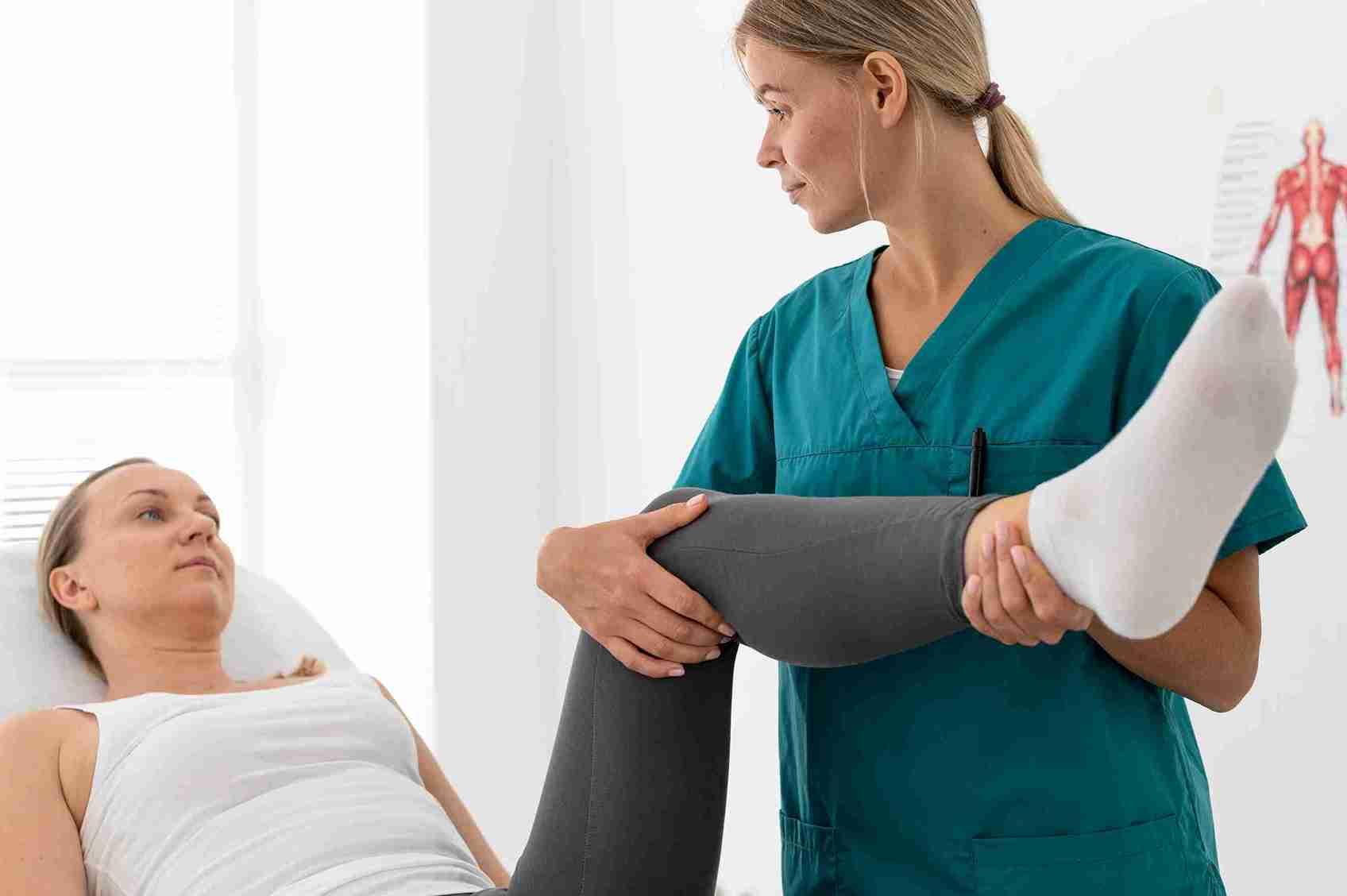
Treatment for knee pain in pregnancy is based on the reason for the knee pain rather than pregnancy alone.
When extra joint stress due to increased weight and movement patterns causes pain, the treatment could focus on eliminating unnecessary stress along with some light activity. In some cases, your doctor and physiotherapist may recommend activity modification, postural correction, suitable shoes, and exercises to help maintain lower-limb strength.
Physiotherapy can be useful when knee pain is affecting walking, stairs or daily activities. Treatment may include posture assessment, movement retraining, gentle strengthening, stretching and a personalised antenatal exercise programme.
If swelling is contributing to discomfort, resting with the legs elevated and avoiding prolonged standing or sitting can help. FOGSI also recommends leg elevation and avoiding prolonged standing for symptomatic pregnancy-related leg discomfort.
Knee pain that starts after a fall, twist or other injury should be assessed by a doctor. Depending on the injury, treatment may involve temporary activity restriction, physiotherapy, a supportive device or further examination or imaging when clinically required.
Persistent pain may need evaluation for conditions such as a joint disorder, tendon problem, significant inflammation or another cause unrelated to normal pregnancy changes. Treatment may then include targeted physiotherapy or other specialist care.
Do not self-medicate for knee pain during pregnancy. Your obstetrician should decide whether a pain-relief medicine is appropriate after considering your stage of pregnancy, symptoms, other medicines and medical history.
The first step is to reduce activities that clearly worsen your symptoms without stopping movement altogether. You can:
If pain continues despite these measures, a physiotherapist can assess your posture, walking pattern, muscle strength and joint movement and create a pregnancy-safe exercise plan.

You should seek medical advice if your knee pain is severe, persistent, suddenly worsening or follows an injury.
You should also get prompt assessment if you have:
One-sided leg swelling or pain with sudden breathlessness or chest pain can indicate a blood clot and requires urgent medical care.
Cloudnine provides obstetric and physiotherapy support for women during pregnancy. Its physiotherapy services include antenatal exercises, posture assessment and management of pregnancy-related musculoskeletal conditions. If knee pain is affecting the way you walk, stand or carry out daily activities, a physiotherapist can assess your movement and identify changes that may reduce strain.
Knee discomfort can become more noticeable as your body changes during pregnancy, especially with increasing weight, altered posture and reduced mobility. Treatment can range from activity modification and swelling management to physiotherapy and targeted exercises, depending on the cause. Pain after an injury, severe swelling, difficulty walking or persistent symptoms should be assessed instead of being assumed to be a normal part of pregnancy.

Want to consult the Best Gynecologists in India? Please find the links below.
Want to consult the Best Maternity Packages in India? Please find the links below.

Avoid activities that make the pain worse, change your position regularly and wear comfortable, supportive footwear. You can continue walking and other pregnancy-safe activities if your doctor has cleared you for exercise. If the pain is affecting your walking or daily activities, ask your doctor about physiotherapy.
Calcium and vitamin D may help support bone health during pregnancy, but they should not be taken specifically as a treatment for knee pain. Take prenatal supplements, calcium or vitamin D in the dose advised by your doctor based on your nutritional and pregnancy needs.
Rest the painful knee from activities that worsen the pain, avoid standing for long periods, elevate your legs if they are swollen and use a cold or warm compress if your doctor recommends it. Gentle movement can help prevent stiffness.
Water helps maintain hydration during pregnancy, while milk and other calcium-rich drinks can contribute to your daily calcium intake. These drinks support general health but do not directly treat knee pain.


 Best Gynecologists in Bellandur Best Gynecologists in Electronic City Best Gynecologists in HRBR LayoutBest Gynecologists in Jayanagar Best Gynecologists in Kanakapura RoadBest Gynecologists in Malleswaram Best Gynecologists in Nagarbhavi Best Gynecologists in Old Airport RoadBest Gynecologists in Sahakarnagar Best Gynecologists in Sarjapur RoadBest Gynecologists in ThanisandraBest Gynecologists in Varthur RoadBest Gynecologists in Whitefield Best Gynecologists in Industrial Area Phase IIBest Gynecologists in OMRBest Gynecologists in T NagarBest Gynecologists in New Industrial TownBest Gynecologists in IndirapuramBest Gynecologists in Golf Course RoadBest Gynecologists in Sector 14Best Gynecologists in Sector 47Best Gynecologists in Banjara HillsBest Gynecologists in GachibowliBest Gynecologists in Hitech CityBest Gynecologists in KompallyBest Gynecologists in Jawahar NagarBest Gynecologists in Gomti NagarBest Gynecologists in Phase 3, Sector 58Best Gynecologists in MaladBest Gynecologists in NerulBest Gynecologists in VashiBest Gynecologists in Kailash ColonyBest Gynecologists in PatparganjBest Gynecologists in Punjabi BaghBest Gynecologists in RohiniBest Gynecologists in VikaspuriBest Gynecologists in Gaur CityBest Gynecologists in Pari ChowkBest Gynecologists in Sector 51Best Gynecologists in Sector 5 Swastik ViharBest Gynecologists in Kalyani NagarBest Gynecologists in SB RoadBest Gynecologists in Pimple SaudagarBest Pediatricians in BellandurBest Pediatricians in Electronic CityBest Pediatricians in HRBR LayoutBest Pediatricians in JayanagarBest Pediatricians in Kanakapura RoadBest Pediatricians in MalleswaramBest Pediatricians in NagarbhaviBest Pediatricians in Old Airport RoadBest Pediatricians in SahakarnagarBest Pediatricians in Sarjapur RoadBest Pediatricians in ThanisandraBest Pediatricians in Varthur RoadBest Pediatricians in WhitefieldBest Pediatricians in Industrial Area Phase IIBest Pediatricians in OMRBest Pediatricians in T NagarBest Pediatricians in New Industrial TownshipBest Pediatricians in IndirapuramBest Pediatricians in Golf Course RoadBest Pediatricians in Sector 14Best Pediatricians in Sector 47Best Pediatricians in Hitech CityBest Pediatricians in Banjara HillsBest Pediatricians in GachibowliBest Pediatricians in KompallyBest Pediatricians in Jawahar NagarBest Pediatricians in Gomti NagarBest Pediatricians in Phase 3, Sector 58Best Pediatricians in MaladBest Pediatricians in NerulBest Pediatricians in VashiBest Pediatricians in Kailash ColonyBest Pediatricians in PatparganjBest Pediatricians in Punjabi BaghBest Pediatricians in RohiniBest Pediatricians in VikaspuriBest Pediatricians in Gaur CityBest Pediatricians in Pari ChowkBest Pediatricians in Sector 51Best Pediatricians in Sector 5 Swastik ViharBest Pediatricians in Kalyani NagarBest Pediatricians in SB RoadBest Pediatricians in Pimple Saudagar


