
An irregular period can leave you wondering whether stress, PCOS, thyroid problems or another hormonal issue is affecting your cycle. Occasional variation can happen, but repeated changes, missed periods, heavy bleeding or cycles outside your usual pattern deserve a closer look from a clinician.
Blood tests can help identify pregnancy, thyroid or prolactin disorders, ovulation problems, androgen excess and metabolic changes. Tests depend on your age, cycle pattern, symptoms, medicines and whether pregnancy or fertility is a concern. A gynaecologist may also recommend an ultrasound.

In adults, menstrual cycles occur within 24 to 38 days. But when periods repeatedly come much earlier or later than expected, disappear for long stretches, or bleeding becomes unusually heavy or prolonged, it may point to irregular periods that need evaluation. Bleeding for more than 7 days, heavy bleeding or intermenstrual bleeding should also be assessed.
A blood test for irregular periods can help look for specific causes. Pregnancy is excluded first when relevant. TSH checks thyroid function, prolactin assesses hyperprolactinaemia, and FSH with estradiol provides information about ovarian function. Androgen testing is useful with acne or excess hair. A hormonal test for irregular periods is done based on the suspected cause, not a routine package.
These tests are selected according to symptoms.
If pregnancy is possible, it should be excluded first. A quantitative serum beta-hCG below 5 mIU/mL is commonly considered negative, subject to the lab’s range. Very early pregnancy can have a low level, so repeat testing may be needed.
TSH is checked because thyroid disorders can disturb ovulation. If abnormal, free T4 may be added.
High prolactin can cause irregular or absent periods. Breast discharge is not required. A mild elevation may be repeated because levels can rise temporarily.
FSH is used in assessing ovarian function. High levels of FSH with low estradiol may indicate reduced ovarian function.
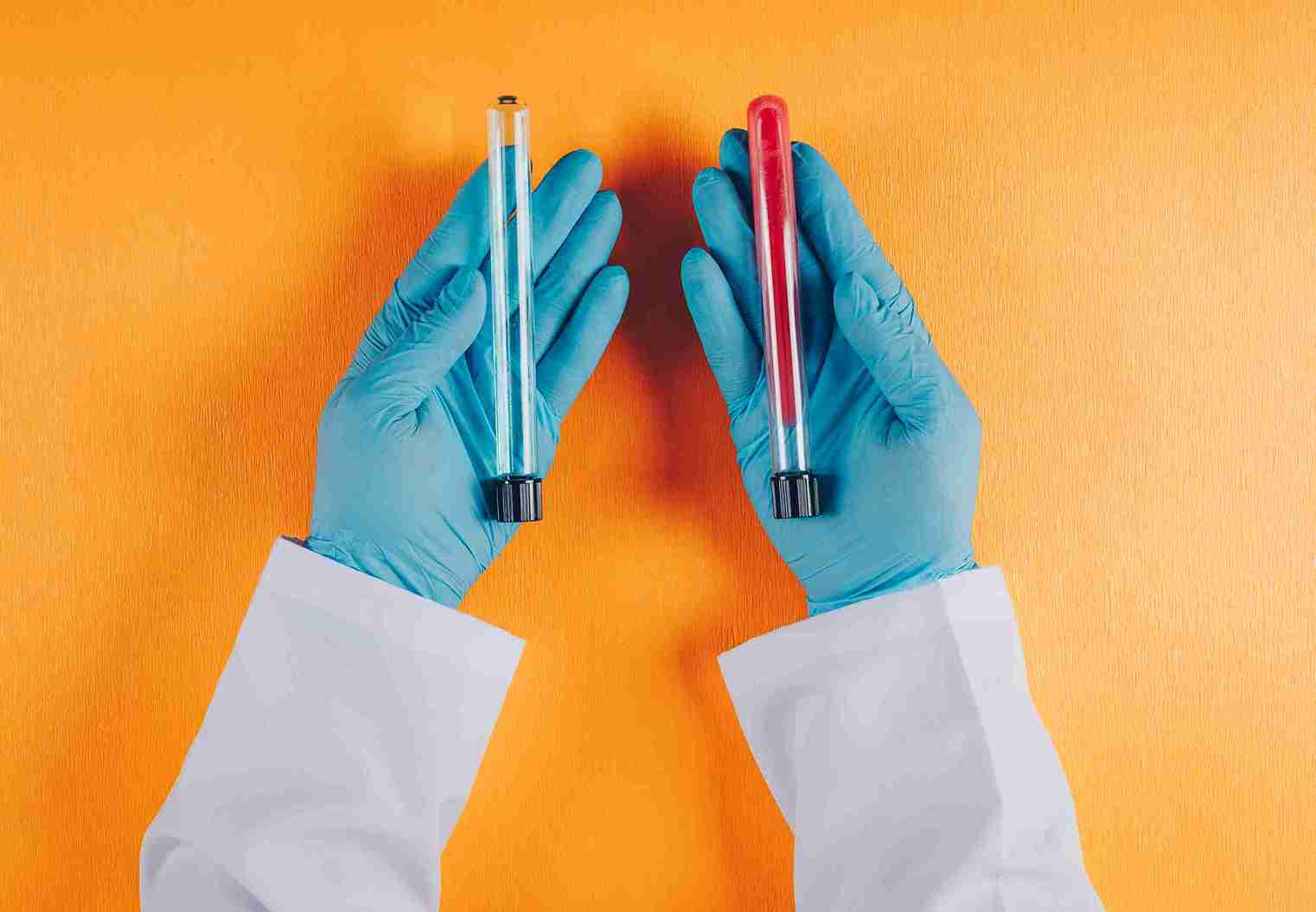
LH plays a role in ovulation and is assessed along with FSH and estradiol. It cannot be assessed on its own to diagnose PCOS.
Testosterone may be checked along with androgen excess. DHEAS or 17-hydroxyprogesterone may be added when indicated.
Estradiol reflects ovarian oestrogen production. Timing matters.
Progesterone helps assess whether ovulation has occurred. It is generally measured about 7 days before the expected next period, not automatically on Day 21. Tracking your menstrual cycle can also help you understand your ovulation pattern, and an ovulation calculator can help estimate when ovulation may occur.
Glucose or HbA1c may be checked with PCOS or metabolic risk factors. CBC may be added with heavy bleeding to check for anaemia.
Testing may depend on symptoms.
Not every hormone test needs a particular cycle day. Tests such as FSH, LH and estradiol may be measured in the early follicular phase when ovarian function is assessed. Progesterone is timed to ovulation, usually 7 days before the expected period. TSH and prolactin generally do not need cycle-day timing. Do not automatically schedule every test on Day 2 or Day 3.

Carry your last menstrual period date and cycle records. Tell your doctor about medicines and hormonal contraception. Ask if fasting is needed for glucose or insulin testing.
High TSH may point to thyroid dysfunction, persistent prolactin elevation can affect ovulation, and high androgens can occur with PCOS or other conditions.
Not always. Evaluation can include menstrual history, pregnancy testing, examination, blood tests and pelvic ultrasound. You can't diagnose PCOS from one blood test alone.
See a gynaecologist if cycles remain irregular, you miss periods for 3 months, bleeding is very heavy or prolonged, or you bleed between periods. Seek earlier care for severe pelvic pain or possible pregnancy.
Cloudnine’s gynaecology care combines menstrual history, targeted tests and imaging when needed.
At Cloudnine, the evaluation is based on the patient rather than a fixed set of tests. The gynaecologist reviews cycle history, bleeding pattern, age, symptoms, medicines, pregnancy possibility and fertility plans before selecting investigations. Blood tests can assess thyroid function, prolactin, ovarian hormones, androgen levels and metabolic health, while pelvic ultrasound may provide information about the uterus and ovaries. This helps distinguish PCOS, thyroid disorders, hyperprolactinaemia and ovulatory problems.
Irregular periods have several possible causes, so testing should follow your symptoms rather than a fixed package. Pregnancy, thyroid, prolactin, ovulatory and androgen problems can require different investigations. A gynaecologist can decide whether blood tests, ultrasound or further evaluation is needed.


The gynaecologist may review your cycle history, symptoms, pregnancy possibility and medicines. Tests may include pregnancy testing, TSH, prolactin, reproductive hormones, androgens, glucose or ultrasound.
This can often depend on the cause. Treating thyroid disease or managing PCOS may improve cycle regularity.
For adults, cycles of about 24 to 38 days are generally within the expected range. Repeated cycles outside this range need assessment.
There is no single treatment. Management depends on the cause and may include lifestyle measures, medicines or fertility treatment. Do not take hormonal medicines without medical advice.


 Best Gynecologists in Bellandur Best Gynecologists in Electronic City Best Gynecologists in HRBR LayoutBest Gynecologists in Jayanagar Best Gynecologists in Kanakapura RoadBest Gynecologists in Malleswaram Best Gynecologists in Nagarbhavi Best Gynecologists in Old Airport RoadBest Gynecologists in Sahakarnagar Best Gynecologists in Sarjapur RoadBest Gynecologists in ThanisandraBest Gynecologists in Varthur RoadBest Gynecologists in Whitefield Best Gynecologists in Industrial Area Phase IIBest Gynecologists in OMRBest Gynecologists in T NagarBest Gynecologists in New Industrial TownBest Gynecologists in IndirapuramBest Gynecologists in Golf Course RoadBest Gynecologists in Sector 14Best Gynecologists in Sector 47Best Gynecologists in Banjara HillsBest Gynecologists in GachibowliBest Gynecologists in Hitech CityBest Gynecologists in KompallyBest Gynecologists in Gomti NagarBest Gynecologists in MaladBest Gynecologists in NerulBest Gynecologists in VashiBest Gynecologists in Kailash ColonyBest Gynecologists in PatparganjBest Gynecologists in Punjabi BaghBest Gynecologists in VikaspuriBest Gynecologists in Gaur CityBest Gynecologists in Pari ChowkBest Gynecologists in Sector 51Best Gynecologists in Sector 5 Swastik ViharBest Gynecologists in Kalyani NagarBest Gynecologists in SB RoadBest Gynecologists in Pimple SaudagarBest Pediatricians in BellandurBest Pediatricians in Electronic CityBest Pediatricians in HRBR LayoutBest Pediatricians in JayanagarBest Pediatricians in Kanakapura RoadBest Pediatricians in MalleswaramBest Pediatricians in NagarbhaviBest Pediatricians in Old Airport RoadBest Pediatricians in SahakarnagarBest Pediatricians in Sarjapur RoadBest Pediatricians in ThanisandraBest Pediatricians in Varthur RoadBest Pediatricians in WhitefieldBest Pediatricians in Industrial Area Phase IIBest Pediatricians in OMRBest Pediatricians in T NagarBest Pediatricians in New Industrial TownshipBest Pediatricians in IndirapuramBest Pediatricians in Golf Course RoadBest Pediatricians in Sector 14Best Pediatricians in Sector 47Best Pediatricians in Hitech CityBest Pediatricians in Banjara HillsBest Pediatricians in GachibowliBest Pediatricians in KompallyBest Pediatricians in Gomti NagarBest Pediatricians in MaladBest Pediatricians in NerulBest Pediatricians in VashiBest Pediatricians in Kailash ColonyBest Pediatricians in PatparganjBest Pediatricians in Punjabi BaghBest Pediatricians in VikaspuriBest Pediatricians in Gaur CityBest Pediatricians in Pari ChowkBest Pediatricians in Sector 51Best Pediatricians in Sector 5 Swastik ViharBest Pediatricians in Kalyani NagarBest Pediatricians in SB RoadBest Pediatricians in Pimple Saudagar


