


You may hear this minutes after your teenager takes a hard fall during basketball, twists something while running or collides with another player. They may be more worried about missing the rest of the match than about the injury itself.
For parents, deciding what happens next is not always easy. Some sporting injuries settle without much intervention, while others need closer attention even when a teenager insists they feel okay.
Between 12 and 16 years, young athletes are still growing, while training and competition may be becoming more demanding. Understanding sports injuries in teens can help you make a more informed decision about when they can take a break and when an injury deserves further assessment.
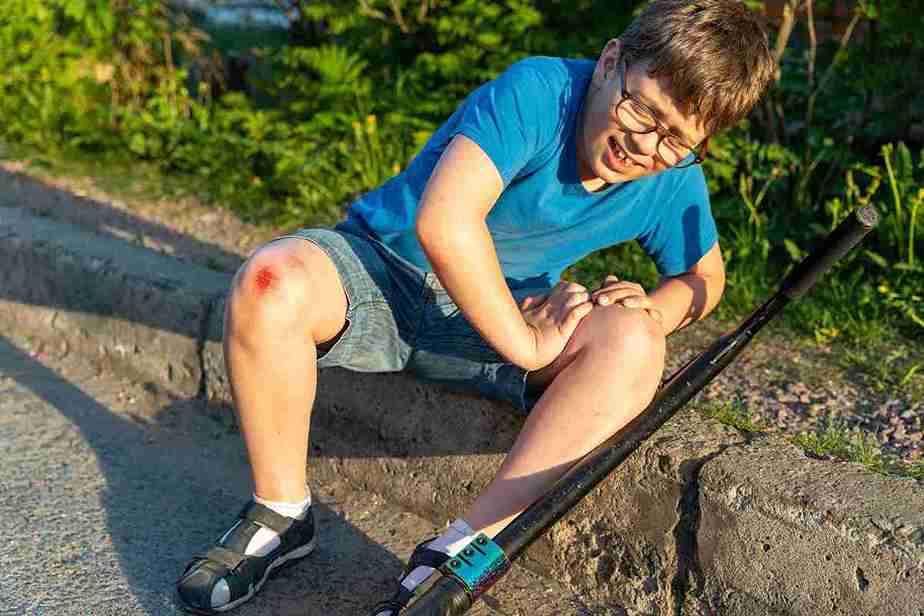
Start with what changed after the incident. Are they moving differently? Did the impact involve the head? Are they struggling to continue an activity they could comfortably do moments earlier?
You do not need to decide exactly what the injury is from the sidelines. The immediate question is whether continuing to play is sensible or whether it is time to stop and take a closer look.
A concussion is a brain injury that can happen after a blow or jolt to the head or body. Concussion in teenagers does not always look dramatic immediately after it happens. Your teen may complain of a headache, dizziness or nausea. They may seem unsteady, have trouble concentrating or say that their vision feels different. Sometimes, a parent or coach simply notices that the teenager seems slower or not quite like themselves.
These changes after an impact should not be dismissed simply because your teen wants to continue playing. If a concussion is suspected, your teen should stop playing and be assessed by a healthcare professional. They should not return to sport that day, even if they begin to feel better.
Yes. A teenager does not have to lose consciousness to have a concussion.
They may remain awake, talk normally and remember what happened. This can make an injury seem less significant than it is, so loss of consciousness should not be used as the deciding factor when concussion is suspected.
Some changes after a head injury need urgent medical assessment rather than waiting to see whether they settle.
Seek urgent medical attention if your teenager develops:
● Increasing drowsiness or difficulty waking
● Repeated vomiting
● A worsening or severe headache
● A seizure
● Increasing confusion or unusual behaviour
● Weakness, numbness or difficulty with coordination
● Slurred speech
● One pupil appearing larger than the other
● Loss of consciousness
Symptoms after a head injury can also change over time. If your teenager's condition noticeably worsens after the initial injury, seek medical care promptly.
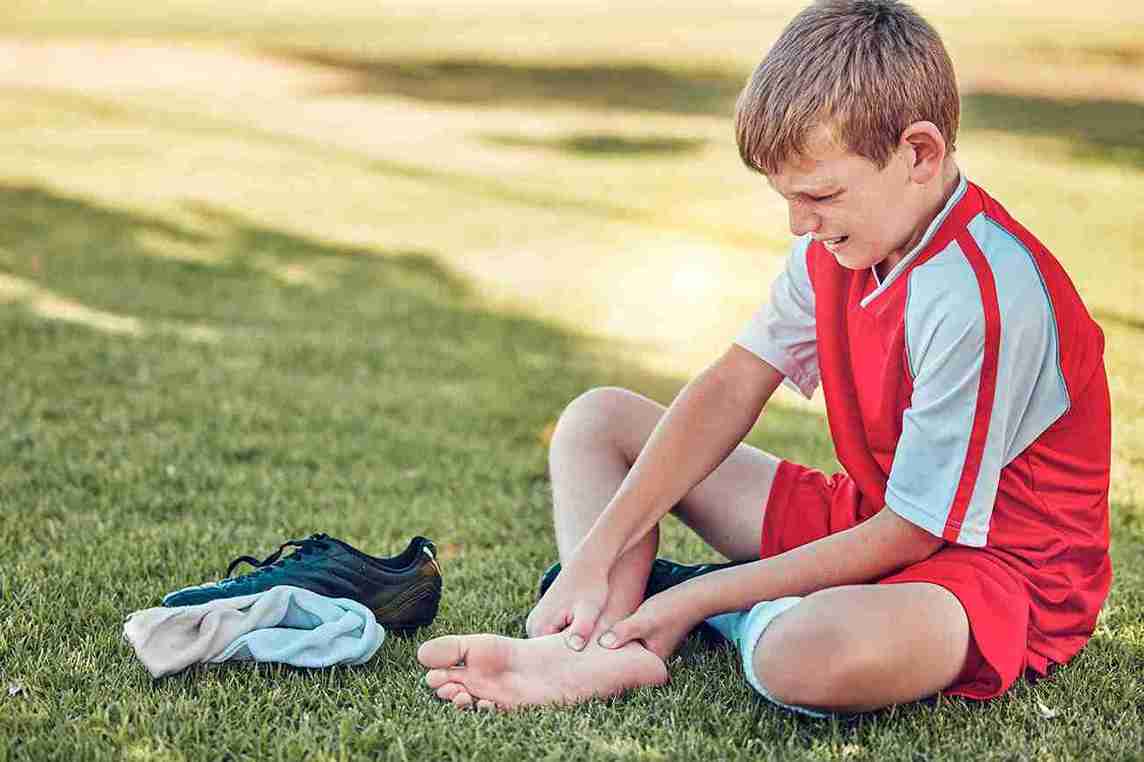
A teen lands awkwardly after a jump and immediately says, “It’s just a twist.” Sometimes it may be minor, but continuing to play can make it harder to judge what has actually happened.
If your teenager cannot comfortably put weight on the foot, the ankle looks unusually swollen or misshapen, or the pain is significant, it is better to have the injury assessed. What looks like a sprain can sometimes be a fracture or another injury.
Once an ankle sprain has been assessed, recovery is not simply about waiting for the pain to disappear. Sprained ankle treatment depends on the severity of the injury and may include initially protecting the ankle, managing discomfort, and gradually restoring movement.
As healing progresses, exercises to rebuild strength and balance may also be recommended. Following the rehabilitation plan helps the ankle regain the function needed for everyday movement before more demanding sporting activities are considered.
Feeling better is encouraging, but it is not always the same as being ready to compete again. After an ankle sprain, your teen may need to regain movement, strength and balance before progressing to running, jumping or changing direction comfortably.
A concussion follows a different return-to-sport process. Activity is usually increased gradually, with each stage guided by symptoms and medical advice. Your teenager should not rush through this process simply because a match or tournament is approaching. The goal is to return when they are ready for the demands of their sport, not just when they feel better sitting at home.
For a teenager, concussion recovery can affect more than training. Reading, concentrating in class or completing schoolwork may feel more difficult for a while.
Many teens can begin returning to school relatively early, with temporary adjustments if needed. Your child's doctor can guide these changes according to their symptoms. Keeping the school informed can help teachers support your teen's transition as they work towards their usual routine.
Sports medicine for teens takes into account both the injury and the demands of the activity they want to return to. This can be particularly useful when recovery is taking longer than expected, an injury keeps recurring, or a young athlete needs sport-specific guidance.
Simply telling a teenager to “be careful” is unlikely to prevent much. Injury prevention is more about the habits around how they train and play.
A proper warm-up, appropriate equipment, good technique and gradual increases in training intensity can all help reduce the risk of injury. Adequate recovery between demanding sessions matters too.
Encourage your teen to report pain or an injury as soon as it happens rather than hiding it to avoid missing a game. Protective equipment should also be used correctly for the sport, while remembering that no helmet or piece of equipment can completely prevent a concussion.
For teens aged 12–16 years, being told to sit out can be frustrating, particularly when sport is an important part of their routine. Taking an injury seriously does not mean keeping them away from sport unnecessarily. Sometimes, sitting out for now is simply part of helping them get back to the sport they enjoy.


Warning signs can include a worsening headache, repeated vomiting, increasing confusion, unusual drowsiness, seizures, slurred speech, weakness or problems with coordination. These require urgent medical attention after a head injury.
There is no single rest period for every injury. A sprain and a concussion have different recovery pathways, and the time needed also depends on severity and individual progress. Follow the recovery plan advised for your teen’s specific injury.
Return should be based on recovery rather than a fixed number of days. After a sprain, physical function needs to be restored sufficiently for the sport. Following a concussion, return to sport should progress gradually in accordance with medical guidance.
Good preparation can reduce the risk of many injuries. This includes appropriate warm-ups, correct equipment and technique, sensible progression of training and enough recovery between demanding sessions. Encourage teens to report injuries early rather than trying to play through them.


 Best Gynecologists in Bellandur Best Gynecologists in Electronic City Best Gynecologists in HRBR LayoutBest Gynecologists in Jayanagar Best Gynecologists in Kanakapura RoadBest Gynecologists in Malleswaram Best Gynecologists in Nagarbhavi Best Gynecologists in Old Airport RoadBest Gynecologists in Sahakarnagar Best Gynecologists in Sarjapur RoadBest Gynecologists in ThanisandraBest Gynecologists in Varthur RoadBest Gynecologists in Whitefield Best Gynecologists in Industrial Area Phase IIBest Gynecologists in OMRBest Gynecologists in T NagarBest Gynecologists in New Industrial TownBest Gynecologists in IndirapuramBest Gynecologists in Golf Course RoadBest Gynecologists in Sector 14Best Gynecologists in Sector 47Best Gynecologists in Banjara HillsBest Gynecologists in GachibowliBest Gynecologists in Hitech CityBest Gynecologists in KompallyBest Gynecologists in Gomti NagarBest Gynecologists in Phase 3, Sector 58Best Gynecologists in MaladBest Gynecologists in NerulBest Gynecologists in VashiBest Gynecologists in Kailash ColonyBest Gynecologists in PatparganjBest Gynecologists in Punjabi BaghBest Gynecologists in VikaspuriBest Gynecologists in Gaur CityBest Gynecologists in Pari ChowkBest Gynecologists in Sector 51Best Gynecologists in Sector 5 Swastik ViharBest Gynecologists in Kalyani NagarBest Gynecologists in SB RoadBest Gynecologists in Pimple SaudagarBest Pediatricians in BellandurBest Pediatricians in Electronic CityBest Pediatricians in HRBR LayoutBest Pediatricians in JayanagarBest Pediatricians in Kanakapura RoadBest Pediatricians in MalleswaramBest Pediatricians in NagarbhaviBest Pediatricians in Old Airport RoadBest Pediatricians in SahakarnagarBest Pediatricians in Sarjapur RoadBest Pediatricians in ThanisandraBest Pediatricians in Varthur RoadBest Pediatricians in WhitefieldBest Pediatricians in Industrial Area Phase IIBest Pediatricians in OMRBest Pediatricians in T NagarBest Pediatricians in New Industrial TownshipBest Pediatricians in IndirapuramBest Pediatricians in Golf Course RoadBest Pediatricians in Sector 14Best Pediatricians in Sector 47Best Pediatricians in Hitech CityBest Pediatricians in Banjara HillsBest Pediatricians in GachibowliBest Pediatricians in KompallyBest Pediatricians in Gomti NagarBest Pediatricians in Phase 3, Sector 58Best Pediatricians in MaladBest Pediatricians in NerulBest Pediatricians in VashiBest Pediatricians in Kailash ColonyBest Pediatricians in PatparganjBest Pediatricians in Punjabi BaghBest Pediatricians in VikaspuriBest Pediatricians in Gaur CityBest Pediatricians in Pari ChowkBest Pediatricians in Sector 51Best Pediatricians in Sector 5 Swastik ViharBest Pediatricians in Kalyani NagarBest Pediatricians in SB RoadBest Pediatricians in Pimple Saudagar


