
Feeding in the first year for infants is something that can become quite challenging, especially for new parents. A newborn may feed only on milk, while a six-month-old is learning to swallow new textures, and a one-year-old may already be picking up soft pieces of family food.
For the first six months of life, exclusive breastfeeding is recommended for healthy babies. Complementary foods can be introduced after six completed months along with breast milk feeding. It is normal for babies to take time to adjust to new foods, flavours, and textures as complementary feeding begins. Knowing what changes at each stage can make this transition easier for parents.
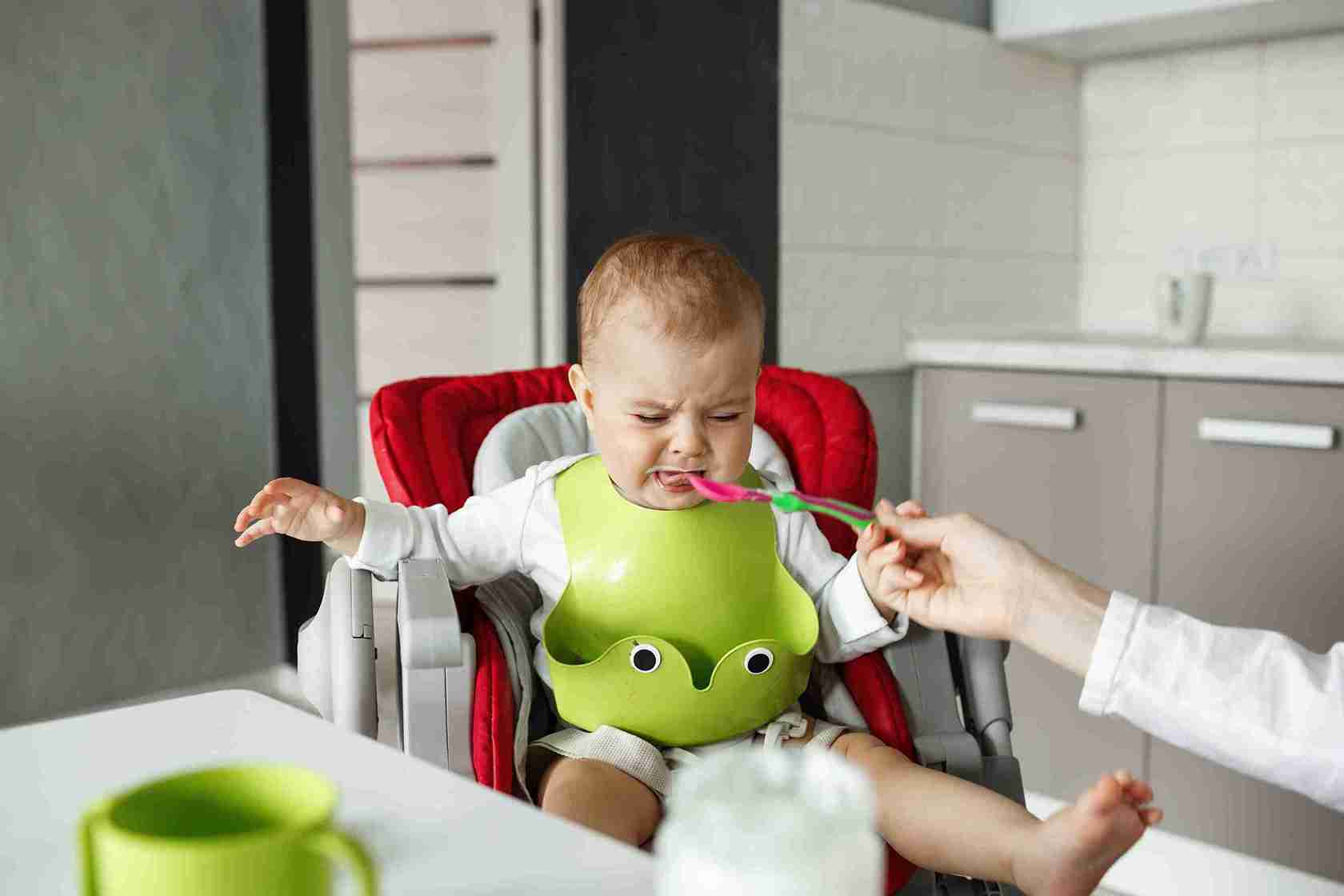
Feeding needs change as babies grow, with gradual changes in the type, texture, and frequency of foods offered.
You can gradually increase the amount, variety and frequency as the child grows, while continuing to respond to hunger and fullness cues. If breastfeeding is not possible or an infant needs a substitute for medical reasons, an appropriate infant formula may be advised.
Breast milk is the recommended food during the first six months. Feed according to hunger and fullness cues. Rooting, sucking movements and hand-to-mouth movements can indicate hunger; turning away or releasing the breast can indicate fullness.
If formula is being used, preparation and feeding should follow the paediatrician's advice and the instructions for the specific formula.
Continue breast milk or formula as the baby's main nutrition. Reaching four or five months alone does not mean that complementary foods should be started. The baby should first develop the ability to control the head and neck and handle food safely. For most healthy infants, complementary feeding begins after six completed months.
After six completed months, begin complementary foods soon after six months while continuing breastfeeding because the baby's nutrient requirements increase. Start with soft, thick, mashed foods such as rice or ragi, thick dal, cooked vegetables and mashed fruit. Introduce foods one at a time and gradually increase variety and consistency.
Move from completely smooth purees towards mashed and slightly lumpy textures. Soft finger foods can be introduced when the baby is developmentally ready. Offer complementary foods 2-3 times daily alongside breast milk and include cereals or millets, pulses, vegetables, fruits and suitable protein sources.
Iron-rich foods are particularly important at this stage because complementary foods need to contribute substantially to the baby's iron intake.

Encourage self-feeding with appropriately soft pieces. Family foods can be modified by making them soft, finely chopped or mashed and keeping added salt and sugar low. Provide 3-4 complementary meals at this stage, with an additional nutritious snack when needed, alongside continued breastfeeding.
The diet can become more varied and gradually resemble the family meal. Offer soft, finely chopped or suitable finger foods across different food groups. Continue breastfeeding with 3-4 meals and nutritious snacks. By around one year, most babies can transition towards family foods with appropriate texture and safety modifications.
A varied diet should include cereals or millets, pulses or other protein foods, vegetables, fruits and suitable fats.
Start with a small amount and introduce foods one at a time. Indian dietary guidance recommends observing the baby for several days as a new food is established before introducing another unfamiliar food.
Common allergenic foods do not need to be unnecessarily delayed after complementary feeding begins. However, babies with significant eczema, an existing food allergy or other risk factors may need individual advice from a paediatrician. Continue breastfeeding alongside complementary feeding up to two years and beyond.
Some foods and feeding practices can increase nutritional or safety risks:
Feed the baby while seated upright and stay with them throughout the meal. Food should be soft enough to mash and prepared in a size and shape the baby can manage.
Responsive feeding is equally important. Follow hunger and fullness cues instead of making the baby finish a fixed amount. Avoid force-feeding or feeding while distracted. Ensure you keep hands, utensils and preparation surfaces clean to prevent food-borne infections.
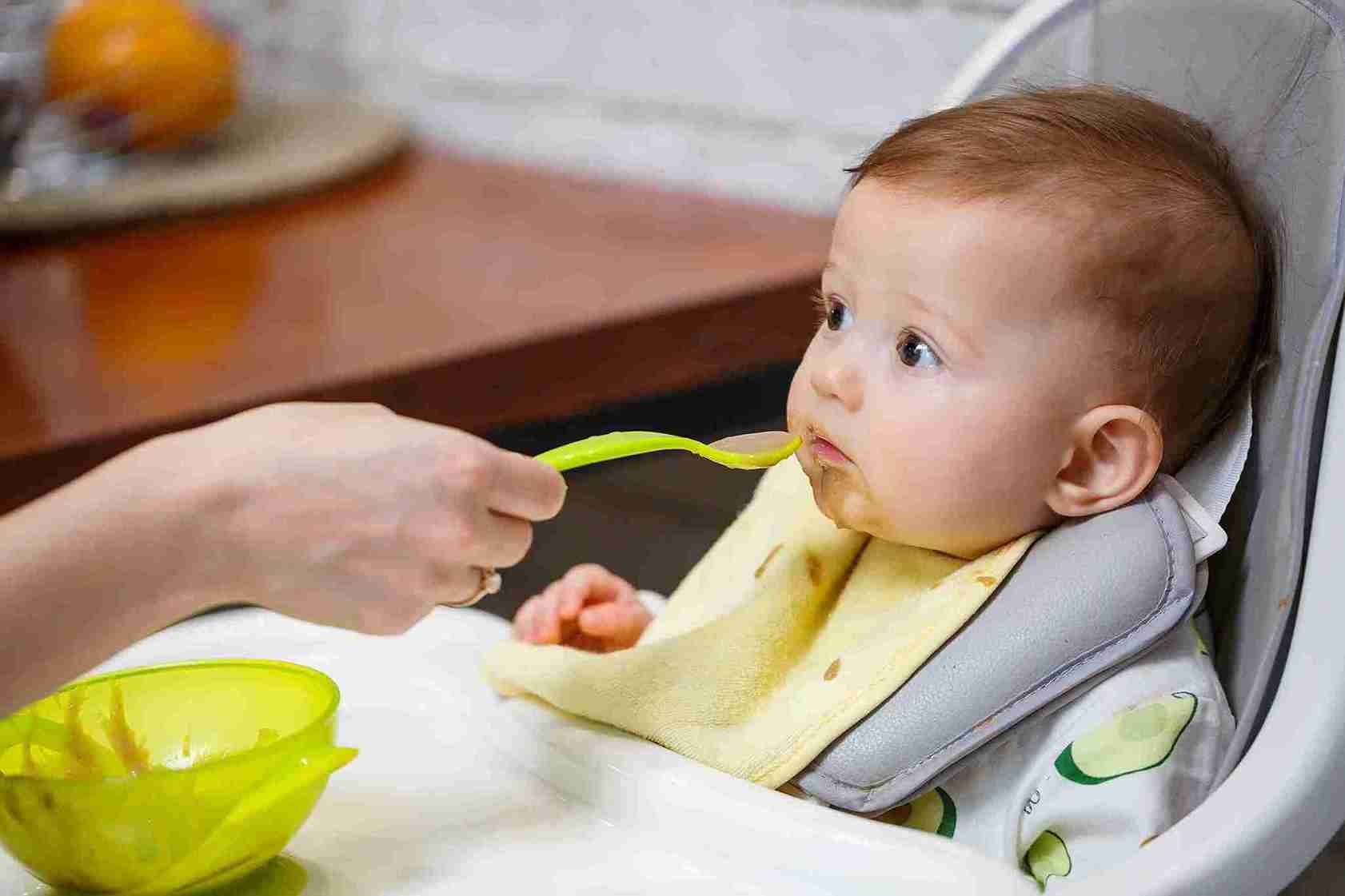
Some common signs can include:
At Cloudnine, infant feeding can be assessed alongside the baby's growth, development, feeding history and individual nutritional needs rather than following a rigid chart. Paediatric and nutrition support can help parents decide when to progress textures, address feeding difficulties and understand whether growth needs closer monitoring. This can be particularly helpful for babies with poor weight gain, prematurity, feeding difficulties or suspected food intolerance, where a standard infant feeding schedule by age may not be enough.
Feeding during the first year is a gradual progression, not a race to make every baby follow the same schedule. Starting complementary foods after six completed months, building variety and texture gradually, and paying attention to hunger and fullness cues can help establish a healthy feeding pattern. If your baby is eating much less than expected, struggling with textures or not growing as expected, paediatric assessment can guide the next step.


Weight should be interpreted according to the baby's age, sex and growth trajectory using standard growth charts. The pattern of growth over time is more useful than comparing your baby with another child.
A birth weight below 2.5 kg is classified as low birth weight. But, a 2 kg weight in an older infant needs interpretation according to age and growth trajectory.
Turning away, closing the mouth, stopping sucking, releasing the breast or bottle and becoming unsettled can indicate fullness. Repeated vomiting or discomfort warrants assessment.
Watch for fullness cues. Slowing down, closing the mouth, turning away, releasing the breast or bottle and becoming relaxed are common signs.


 Best Gynecologists in Bellandur Best Gynecologists in Electronic City Best Gynecologists in HRBR LayoutBest Gynecologists in Jayanagar Best Gynecologists in Kanakapura RoadBest Gynecologists in Malleswaram Best Gynecologists in Nagarbhavi Best Gynecologists in Old Airport RoadBest Gynecologists in Sahakarnagar Best Gynecologists in Sarjapur RoadBest Gynecologists in ThanisandraBest Gynecologists in Varthur RoadBest Gynecologists in Whitefield Best Gynecologists in Industrial Area Phase IIBest Gynecologists in OMRBest Gynecologists in T NagarBest Gynecologists in New Industrial TownBest Gynecologists in IndirapuramBest Gynecologists in Golf Course RoadBest Gynecologists in Sector 14Best Gynecologists in Sector 47Best Gynecologists in Banjara HillsBest Gynecologists in GachibowliBest Gynecologists in Hitech CityBest Gynecologists in KompallyBest Gynecologists in Jawahar NagarBest Gynecologists in Gomti NagarBest Gynecologists in Phase 3, Sector 58Best Gynecologists in MaladBest Gynecologists in NerulBest Gynecologists in VashiBest Gynecologists in Kailash ColonyBest Gynecologists in PatparganjBest Gynecologists in Punjabi BaghBest Gynecologists in RohiniBest Gynecologists in VikaspuriBest Gynecologists in Gaur CityBest Gynecologists in Pari ChowkBest Gynecologists in Sector 51Best Gynecologists in Sector 5 Swastik ViharBest Gynecologists in Kalyani NagarBest Gynecologists in SB RoadBest Gynecologists in Pimple SaudagarBest Pediatricians in BellandurBest Pediatricians in Electronic CityBest Pediatricians in HRBR LayoutBest Pediatricians in JayanagarBest Pediatricians in Kanakapura RoadBest Pediatricians in MalleswaramBest Pediatricians in NagarbhaviBest Pediatricians in Old Airport RoadBest Pediatricians in SahakarnagarBest Pediatricians in Sarjapur RoadBest Pediatricians in ThanisandraBest Pediatricians in Varthur RoadBest Pediatricians in WhitefieldBest Pediatricians in Industrial Area Phase IIBest Pediatricians in OMRBest Pediatricians in T NagarBest Pediatricians in New Industrial TownshipBest Pediatricians in IndirapuramBest Pediatricians in Golf Course RoadBest Pediatricians in Sector 14Best Pediatricians in Sector 47Best Pediatricians in Hitech CityBest Pediatricians in Banjara HillsBest Pediatricians in GachibowliBest Pediatricians in KompallyBest Pediatricians in Jawahar NagarBest Pediatricians in Gomti NagarBest Pediatricians in Phase 3, Sector 58Best Pediatricians in MaladBest Pediatricians in NerulBest Pediatricians in VashiBest Pediatricians in Kailash ColonyBest Pediatricians in PatparganjBest Pediatricians in Punjabi BaghBest Pediatricians in RohiniBest Pediatricians in VikaspuriBest Pediatricians in Gaur CityBest Pediatricians in Pari ChowkBest Pediatricians in Sector 51Best Pediatricians in Sector 5 Swastik ViharBest Pediatricians in Kalyani NagarBest Pediatricians in SB RoadBest Pediatricians in Pimple Saudagar


