
It is natural to feel concerned when your newborn’s skin or eyes look yellow. In most babies, newborn jaundice is mild and often improves as the baby’s liver matures and bilirubin levels fall. Knowing the signs of recovery from jaundice can help you recognise warning signs. Changes in feeding, alertness, wet and dirty diapers, weight, and bilirubin levels can provide a clearer picture of how your baby is progressing. Understanding these signs can help you feel more confident while recognising when medical advice is needed.
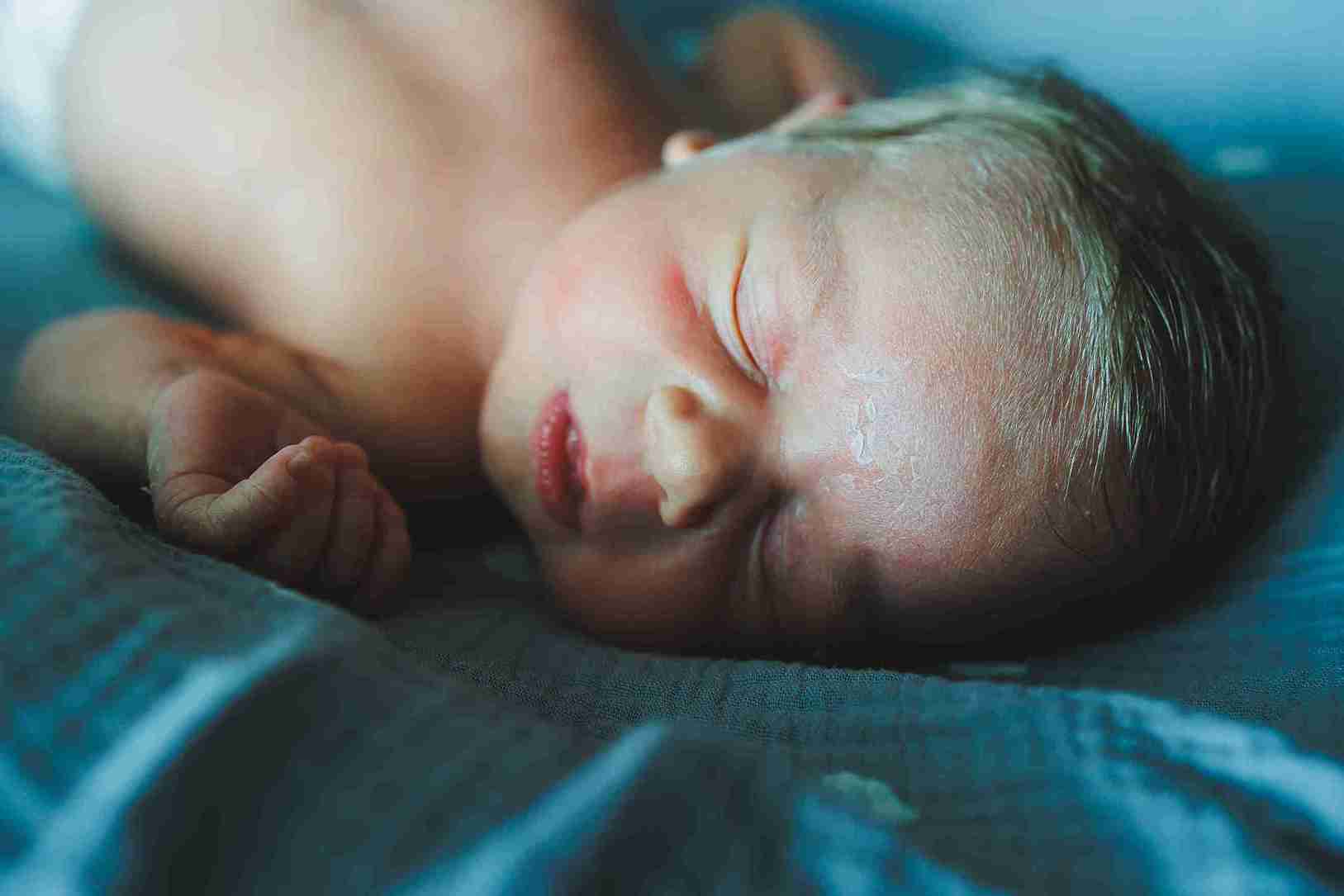
Jaundice in newborns occurs when bilirubin, a yellow pigment produced as red blood cells break down, builds up in the blood. A newborn’s liver is still developing and may process bilirubin less efficiently. Physiological jaundice commonly appears after the first 24 hours and settles as the baby matures. Jaundice appearing in the first 24 hours, becoming severe or persisting needs evaluation.
Common signs include:
Skin colour alone cannot show whether bilirubin is at a safe level. A paediatrician may recommend bilirubin testing based on the baby’s age, symptoms and risk factors.
Yellowing usually becomes less noticeable as bilirubin falls. However, parents should not use appearance alone to decide that follow-up is unnecessary.
The yellow tint in the whites of the eyes may gradually reduce, especially when feeding and behaviour are normal.
Adequate milk intake supports hydration and helps bilirubin leave the body through stools. Feed as advised by your baby’s doctor.
Regular wet and dirty diapers are useful clues about feeding and hydration. Fewer wet diapers or poor feeding need prompt advice.
A baby who wakes for feeds, sucks well and responds normally is reassuring. Unusual sleepiness or difficulty waking needs medical attention.
The fall in levels may be confirmed through transcutaneous or serum tests of bilirubin.
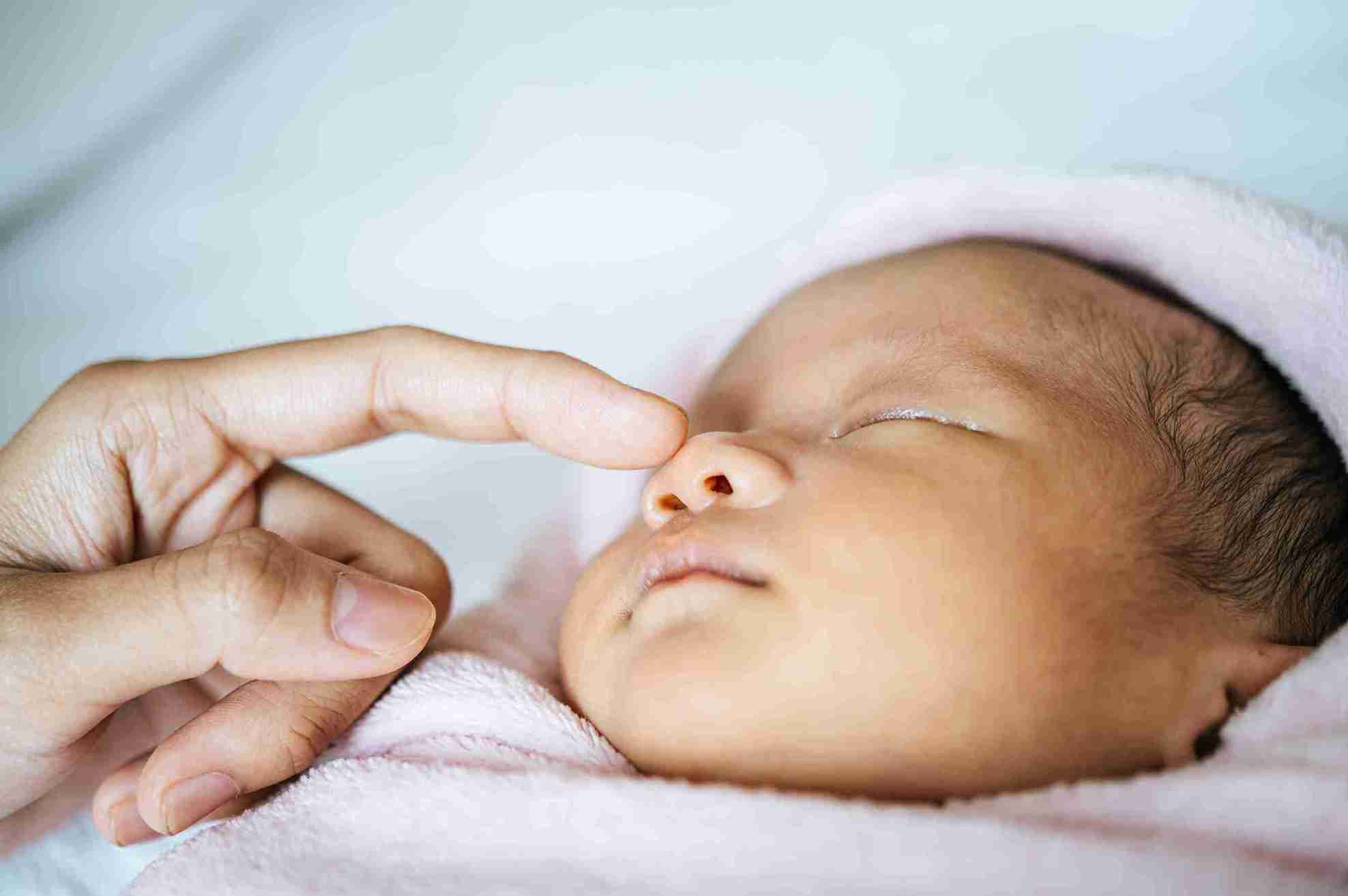
Common neonatal jaundice symptoms often improve during the first one to two weeks, but recovery varies. Premature babies and those with feeding difficulties may remain jaundiced longer. Persistent yellowing should be assessed and should not be assumed to be normal.
Bilirubin is created during the breakdown of old red blood cells. The baby’s liver may not handle it well in the early stages. But as the liver matures, bilirubin is eliminated through urine and stool. Adequate feeding can also help support this process.
A paediatrician may examine the baby and use a transcutaneous bilirubin meter. A blood test may be needed to confirm the level or guide treatment. Management considers age in hours, gestational age, bilirubin level and risk factors. Visual assessment alone cannot accurately measure bilirubin.
Treatment depends on the bilirubin level and your baby’s age in hours, gestational age and risk factors.
This may be appropriate when bilirubin is below the treatment threshold and your baby is otherwise well. Your doctor may recommend:
Phototherapy uses controlled blue light to help convert bilirubin into a form the body can eliminate more easily. During treatment, your baby may wear eye protection and have most of the body exposed to the light. Feeding and temperature are monitored.
Follow the prescribed duration and attend the recommended follow-up, even if the yellow colour improves quickly.
This is rarely required and is reserved for very high bilirubin levels or signs of severe bilirubin-related illness. It is performed in a specialised neonatal unit.
Direct sunlight is not a safe or reliable substitute for medical phototherapy. It can cause overheating, sunburn or chilling, and does not provide controlled treatment.
If you notice the yellowing deepening or spreading quickly, especially to the legs, palms, or soles, consult a trusted paediatrician immediately.
Other symptoms include poor feeding, weak sucking, fewer wet diapers, excessive sleepiness, inability to be awakened, high-pitched cries, fever, and stiffness/floppiness. Rapidly worsening jaundice also needs prompt medical assessment.

Jaundice can persist or return depending on its cause. Breastfeeding-related jaundice may last longer, but returning or persistent yellowing should be discussed with a paediatrician.
Here are some simple ways parents can help thier babies recover from jaundice:
Cloudnine brings paediatric, neonatal and maternity care together, with newborn assessment, bilirubin monitoring, breastfeeding guidance and phototherapy when required. Care considers feeding, gestational age, weight and bilirubin levels rather than skin colour alone. Parents also receive counselling regarding feeding, diaper monitoring and further care during the recovery process. This helps provide assurance to parents and ensures that babies receive timely care when needed.
Newborn jaundice will generally get better slowly as your baby feeds and hydrates well and as the liver starts to process bilirubin better. It is good if the yellow tinge goes away slowly and your baby is feeding properly, but recovery depends on your paediatrician’s advice and any recommended bilirubin checks.
Ensure regular follow-up visits to the paediatrician and seek medical help if the symptoms get worse. With proper monitoring and appropriate care, most newborns can recover safely.


Some babies may get sleepier than usual, but difficulty waking or missing feeds is a warning sign and needs prompt medical assessment.
Breast milk does not directly clear jaundice, but frequent, effective breastfeeding helps your baby pass bilirubin through stools and urine. Continue breastfeeding unless your paediatrician advises otherwise.
Direct sunlight is not a safe or reliable treatment. Phototherapy, when indicated, uses controlled medical light and should be given as prescribed.
Usually, breastfeeding can continue. Frequent, effective feeding is important, although your baby’s doctor may recommend additional support based on intake, weight and bilirubin levels.


 Best Gynecologists in Bellandur Best Gynecologists in Electronic City Best Gynecologists in HRBR LayoutBest Gynecologists in Jayanagar Best Gynecologists in Kanakapura RoadBest Gynecologists in Malleswaram Best Gynecologists in Nagarbhavi Best Gynecologists in Old Airport RoadBest Gynecologists in Sahakarnagar Best Gynecologists in Sarjapur RoadBest Gynecologists in ThanisandraBest Gynecologists in Varthur RoadBest Gynecologists in Whitefield Best Gynecologists in Industrial Area Phase IIBest Gynecologists in OMRBest Gynecologists in T NagarBest Gynecologists in New Industrial TownBest Gynecologists in IndirapuramBest Gynecologists in Golf Course RoadBest Gynecologists in Sector 14Best Gynecologists in Sector 47Best Gynecologists in Banjara HillsBest Gynecologists in GachibowliBest Gynecologists in Hitech CityBest Gynecologists in KompallyBest Gynecologists in Gomti NagarBest Gynecologists in MaladBest Gynecologists in NerulBest Gynecologists in VashiBest Gynecologists in Kailash ColonyBest Gynecologists in PatparganjBest Gynecologists in Punjabi BaghBest Gynecologists in VikaspuriBest Gynecologists in Gaur CityBest Gynecologists in Pari ChowkBest Gynecologists in Sector 51Best Gynecologists in Sector 5 Swastik ViharBest Gynecologists in Kalyani NagarBest Gynecologists in SB RoadBest Gynecologists in Pimple SaudagarBest Pediatricians in BellandurBest Pediatricians in Electronic CityBest Pediatricians in HRBR LayoutBest Pediatricians in JayanagarBest Pediatricians in Kanakapura RoadBest Pediatricians in MalleswaramBest Pediatricians in NagarbhaviBest Pediatricians in Old Airport RoadBest Pediatricians in SahakarnagarBest Pediatricians in Sarjapur RoadBest Pediatricians in ThanisandraBest Pediatricians in Varthur RoadBest Pediatricians in WhitefieldBest Pediatricians in Industrial Area Phase IIBest Pediatricians in OMRBest Pediatricians in T NagarBest Pediatricians in New Industrial TownshipBest Pediatricians in IndirapuramBest Pediatricians in Golf Course RoadBest Pediatricians in Sector 14Best Pediatricians in Sector 47Best Pediatricians in Hitech CityBest Pediatricians in Banjara HillsBest Pediatricians in GachibowliBest Pediatricians in KompallyBest Pediatricians in Gomti NagarBest Pediatricians in MaladBest Pediatricians in NerulBest Pediatricians in VashiBest Pediatricians in Kailash ColonyBest Pediatricians in PatparganjBest Pediatricians in Punjabi BaghBest Pediatricians in VikaspuriBest Pediatricians in Gaur CityBest Pediatricians in Pari ChowkBest Pediatricians in Sector 51Best Pediatricians in Sector 5 Swastik ViharBest Pediatricians in Kalyani NagarBest Pediatricians in SB RoadBest Pediatricians in Pimple Saudagar


