


A child with fever, cough or runny nose can leave parents wondering, “Is this just a viral infection, or does my child need antibiotics?” The symptoms can look remarkably similar, especially in the first few days, making it difficult to know what is actually causing the illness.
But many childhood infections settle with appropriate supportive care. Viruses cause a large number of common childhood illnesses, while some infections are bacterial and may need specific treatment. Instead of trying to diagnose the cause from one symptom, parents can watch the child’s overall condition and know when medical advice is needed.

Bacteria are microorganisms that can multiply independently. Viruses are infectious agents that enter cells and use them to multiply. Depending on the infection, both can spread through respiratory droplets, close contact, contaminated hands or surfaces.
Both may cause fever, tiredness, cough, sore throat and poor appetite, so symptoms alone cannot always identify the cause.
Not every bacterial infection requires antibiotics, and not every fever requires testing.
When comparing viral vs bacterial cold symptoms, it is better to look at the whole illness rather than one sign. Both types can cause a runny or blocked nose, cough, sore throat, fever and fatigue. Viral illnesses may also cause sneezing, body aches and reduced appetite.
Mucus can become thick or yellow/green during a viral illness too. Its colour alone cannot reliably tell parents that an infection is bacterial.
The progression can be more useful. A child who gradually becomes better is often recovering normally, while symptoms that persist, worsen or return after initial improvement may need assessment.
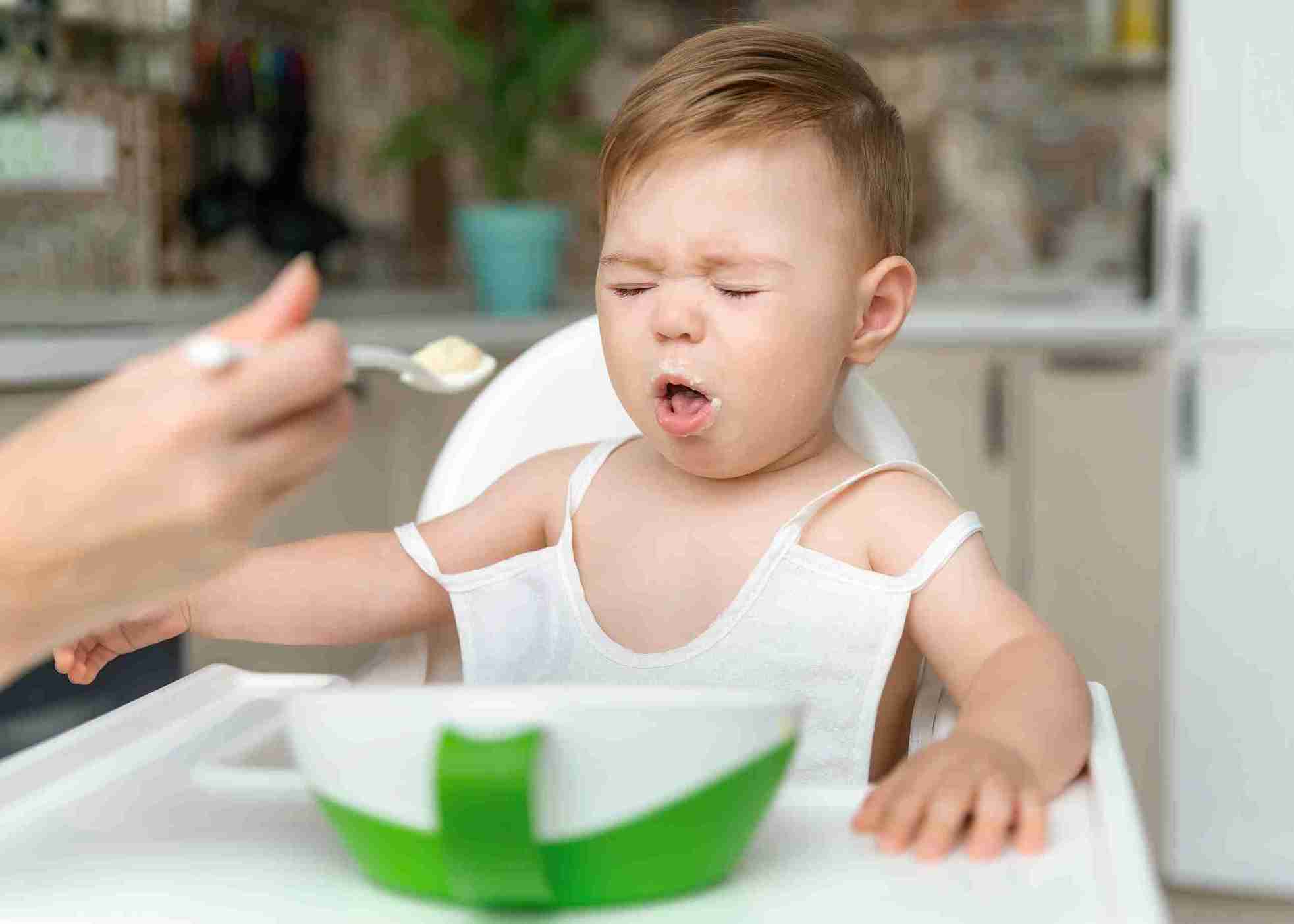
Common symptoms include:
Many common viral illnesses improve gradually with rest, fluids and supportive care, but some can last longer. Recovery also depends on the child’s age, general health and the specific infection.
A bacterial infection may be more likely if your child has:
A paediatrician may need to examine your child and recommend tests before deciding on treatment.
The flu is viral, not bacterial. Influenza is caused by influenza viruses. Fever, cough, pronounced tiredness and body aches are common symptoms. Antibiotics do not treat influenza itself. Antiviral medicines may be considered for some children depending on factors such as how soon treatment is started, illness severity and the child’s risk of complications. A paediatrician should decide whether they are appropriate.
Fever can occur with both types of infection, so temperature alone cannot identify the cause. Consider your child’s overall condition, including hydration, breathing, alertness, activity and other symptoms. Very young infants with fever need prompt medical assessment because the approach depends strongly on age.
Doctors consider the child’s age, medical history, symptoms, duration, possible exposure and physical examination. Depending on the suspected illness, they may use rapid tests, throat swabs or cultures, urine testing, blood tests or other investigations.
There is no single test that identifies every bacterial or viral infection. Clinical assessment helps determine whether testing or treatment is necessary.
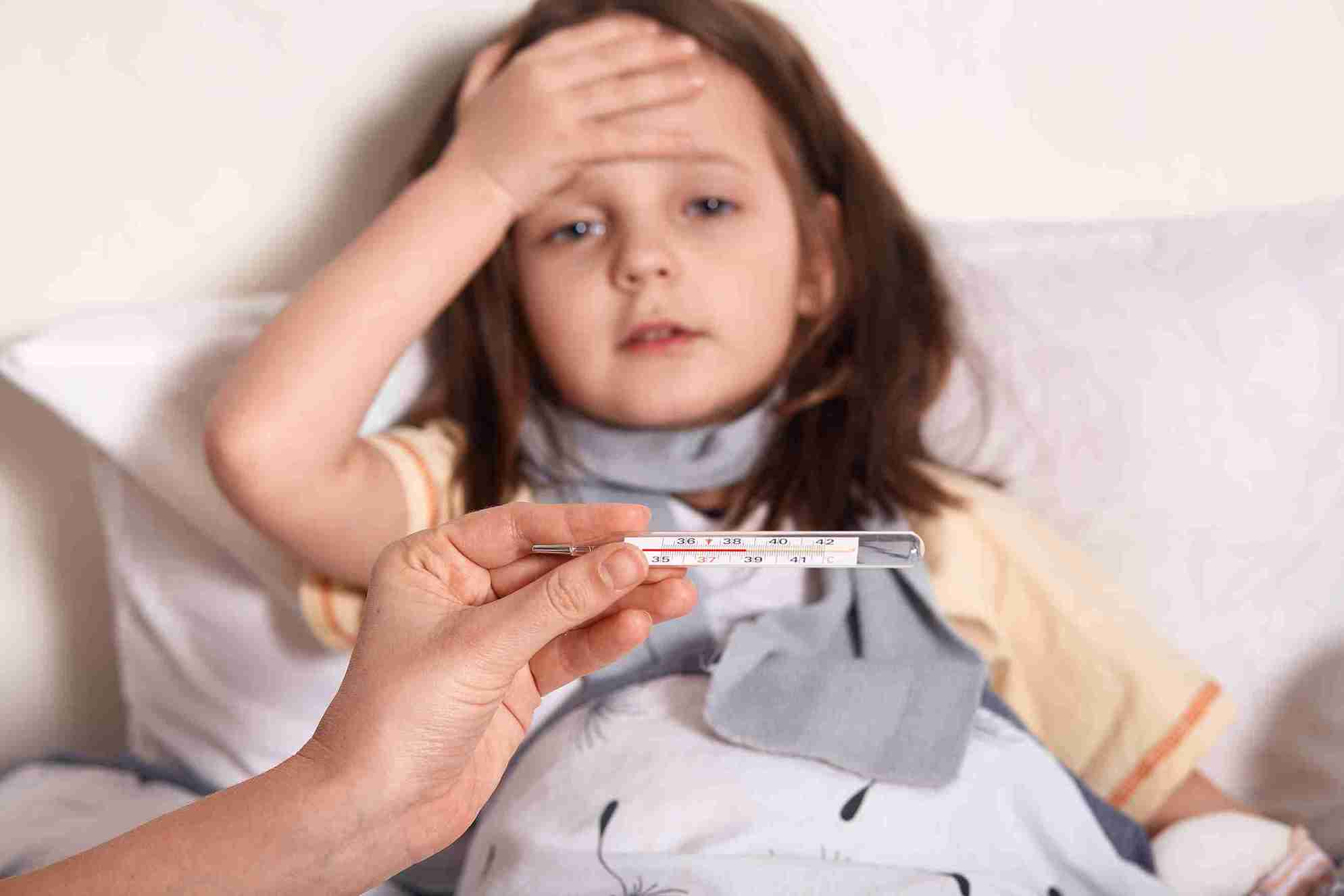
Supportive care may include:
Some bacterial infections require antibiotics. The appropriate medicine depends on the infection and should be prescribed by a healthcare professional. Give it exactly as advised and complete the prescribed course unless the treating doctor changes the plan.
Antibiotics target bacteria and not viruses. The unnecessary use of antibiotics can lead to side effects and antibiotic resistance. Thus, children should not be given leftover antibiotics or medicines prescribed for someone else.
A viral infection does not literally turn into a bacterial infection. But it’s possible for a secondary bacterial infection to appear either simultaneously or after a viral one in a child. Any new or worsened symptoms after improvement must be evaluated instead of treating the child with antibiotics without prior evaluation.
Seek urgent medical care if your child has:
When a child looks unusually unwell, prompt assessment is more important than relying on the thermometer alone.

Simple measures can reduce the spread of infections:
Cloudnine’s paediatric care covers common coughs, colds and fevers as well as bacterial and viral infections, with specialist support when a child needs closer evaluation. Its paediatric teams also focus on preventive care and recognising warning signs that require further assessment.
This helps parents receive appropriate guidance without treating every fever or cold as an emergency, while ensuring children with more concerning symptoms can be assessed promptly.
Viral and bacterial infections can look alike, particularly during the early stages. Fever, mucus colour or cough alone cannot reliably identify the cause. Watch how your child is drinking, breathing, behaving and responding over time. Avoid antibiotics without medical advice, and seek prompt care for red-flag symptoms. When unsure, a paediatric assessment is safer than trying to identify the infection from symptoms alone.


It depends on the type of infection since neither of them is always more difficult to manage. Some viral diseases need supportive treatment only, while there are some bacterial infections that respond well to adequate antibiotics.
Many viral colds and flu-like illnesses start improving within 3-5 days, although cough, congestion or tiredness can last 1-2 weeks. Some viral infections, such as gastroenteritis, may improve within a few days.
Most viral infections cannot be eliminated with antibiotics. Support rest, fluids, nutrition and comfort, and follow your paediatrician’s advice.
It depends on the infection. If antibiotics are needed, the right medicine and dose should be prescribed after the child is assessed.


 Best Gynecologists in Bellandur Best Gynecologists in Electronic City Best Gynecologists in HRBR LayoutBest Gynecologists in Jayanagar Best Gynecologists in Kanakapura RoadBest Gynecologists in Malleswaram Best Gynecologists in Nagarbhavi Best Gynecologists in Old Airport RoadBest Gynecologists in Sahakarnagar Best Gynecologists in Sarjapur RoadBest Gynecologists in ThanisandraBest Gynecologists in Varthur RoadBest Gynecologists in Whitefield Best Gynecologists in Industrial Area Phase IIBest Gynecologists in OMRBest Gynecologists in T NagarBest Gynecologists in New Industrial TownBest Gynecologists in IndirapuramBest Gynecologists in Golf Course RoadBest Gynecologists in Sector 14Best Gynecologists in Sector 47Best Gynecologists in Banjara HillsBest Gynecologists in GachibowliBest Gynecologists in Hitech CityBest Gynecologists in KompallyBest Gynecologists in Gomti NagarBest Gynecologists in Phase 3, Sector 58Best Gynecologists in MaladBest Gynecologists in NerulBest Gynecologists in VashiBest Gynecologists in Kailash ColonyBest Gynecologists in PatparganjBest Gynecologists in Punjabi BaghBest Gynecologists in VikaspuriBest Gynecologists in Gaur CityBest Gynecologists in Pari ChowkBest Gynecologists in Sector 51Best Gynecologists in Sector 5 Swastik ViharBest Gynecologists in Kalyani NagarBest Gynecologists in SB RoadBest Gynecologists in Pimple SaudagarBest Pediatricians in BellandurBest Pediatricians in Electronic CityBest Pediatricians in HRBR LayoutBest Pediatricians in JayanagarBest Pediatricians in Kanakapura RoadBest Pediatricians in MalleswaramBest Pediatricians in NagarbhaviBest Pediatricians in Old Airport RoadBest Pediatricians in SahakarnagarBest Pediatricians in Sarjapur RoadBest Pediatricians in ThanisandraBest Pediatricians in Varthur RoadBest Pediatricians in WhitefieldBest Pediatricians in Industrial Area Phase IIBest Pediatricians in OMRBest Pediatricians in T NagarBest Pediatricians in New Industrial TownshipBest Pediatricians in IndirapuramBest Pediatricians in Golf Course RoadBest Pediatricians in Sector 14Best Pediatricians in Sector 47Best Pediatricians in Hitech CityBest Pediatricians in Banjara HillsBest Pediatricians in GachibowliBest Pediatricians in KompallyBest Pediatricians in Gomti NagarBest Pediatricians in Phase 3, Sector 58Best Pediatricians in MaladBest Pediatricians in NerulBest Pediatricians in VashiBest Pediatricians in Kailash ColonyBest Pediatricians in PatparganjBest Pediatricians in Punjabi BaghBest Pediatricians in VikaspuriBest Pediatricians in Gaur CityBest Pediatricians in Pari ChowkBest Pediatricians in Sector 51Best Pediatricians in Sector 5 Swastik ViharBest Pediatricians in Kalyani NagarBest Pediatricians in SB RoadBest Pediatricians in Pimple Saudagar


