


Human papillomavirus (HPV) is the most common STI worldwide. In India, it is also the most significant preventable cause of cervical cancer, which is the second most common cancer in Indian women. Yet awareness of HPV among women in India remains low, and many women have the infection without knowing it.
Understanding HPV infection in women - what it is, how it spreads, what symptoms it does or does not cause, how it is detected, and crucially, how it can be prevented - is not just useful knowledge. It can protect your health and your life.

HPV is a family of 200+ related viruses. They spread through skin contact, most commonly during sexual activity, including vaginal, anal, and oral sex, and genital contact without full penetration.
Most HPV infections clear on their own within 1-2 years, managed by the immune system without causing harm. The problem arises when certain high-risk types of HPV persist. These persistent infections are the ones that can cause cell changes in the cervix that, if not detected and treated, may eventually lead to cervical cancer.
HPV types are broadly categorised as:
High-risk types - HPV 16 and 18, which together account for about 70% of cervical cancer cases. Other high-risk types account for a further proportion.
Low-risk types - HPV 6 and 11, which cause genital warts but are not associated with cancer.
This is where HPV is most misunderstood. HPV symptoms in women are, in most cases, none at all.
Most HPV infections cause no symptoms: no pain, no discharge, no visible change. The virus can be present for months or years, silently causing cellular changes in the cervix without the woman noticing anything.
This is the fundamental reason why cervical screening with the Pap smear and HPV test is very important. By the time symptoms like abnormal bleeding, post-coital bleeding, an unusual discharge, or pelvic pain appear, cervical cancer may already be at an advanced stage.
The only HPV-related symptom that does show up visibly is from low-risk types: genital warts. These appear as flesh-coloured, flat or raised growths on the vulva, vagina, cervix, or around the anus. They are caused by HPV types 6 and 11 - the same types that the quadrivalent and 9-valent vaccines protect against. Genital warts are not cancer and do not become cancer, but they can be uncomfortable and need treatment.
HPV spreads through intimate skin contact - it does not require penetrative sex. Condoms reduce the risk but do not eliminate it, because HPV can be present on skin not covered by a condom.
Almost all individuals who are sexually active can be exposed to HPV at some point. This is not a reflection of promiscuity; it is the nature of a virus that is this common. Most infections are cleared naturally. The minority that persists is what creates risk.
Factors that increase the risk of persistent high-risk HPV and progression to cervical precancer:
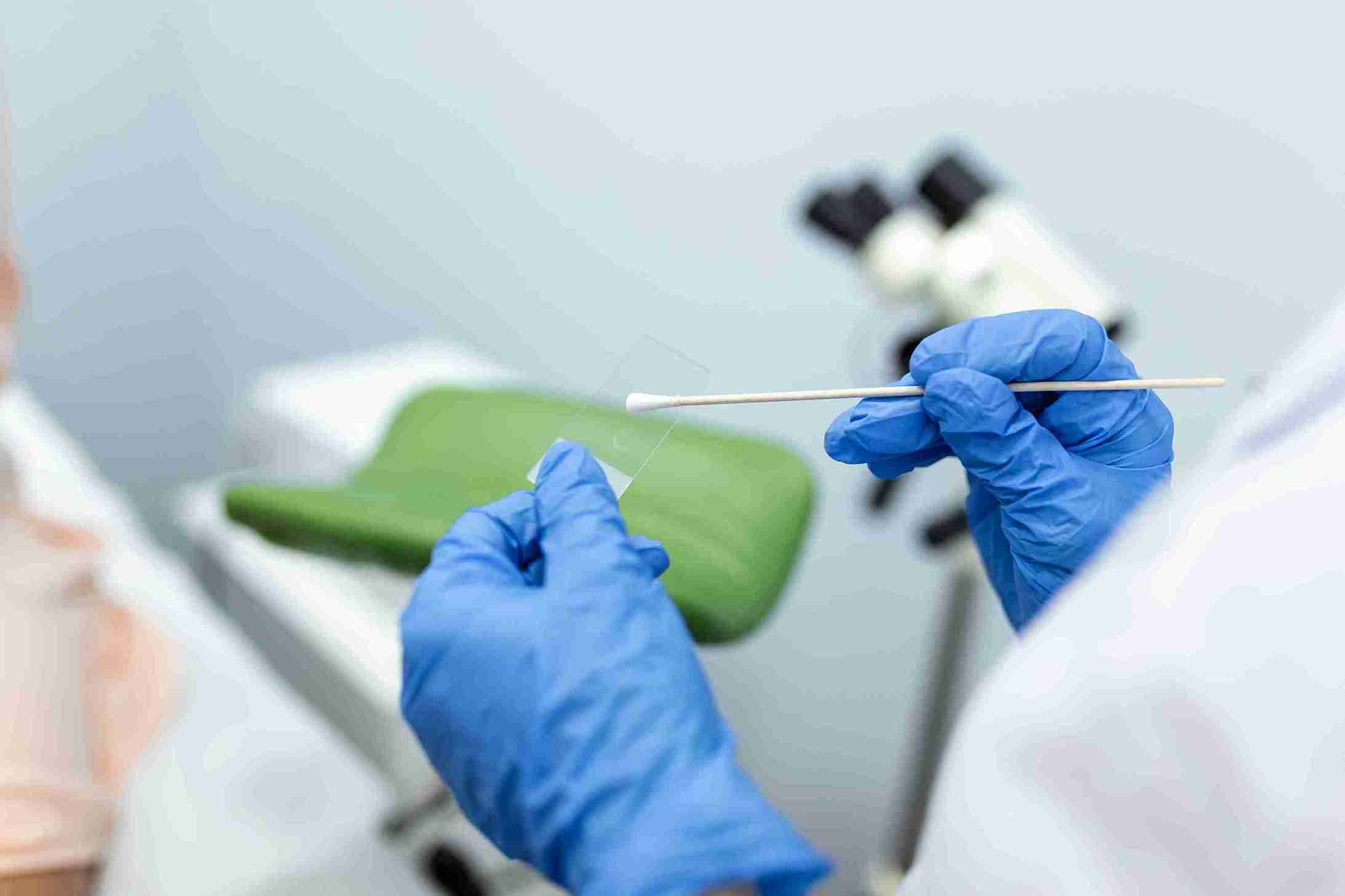
HPV testing in women is now the cornerstone of cervical cancer prevention. There are two main screening tools:
The Pap smear collects cells from the cervix, which are then examined under a microscope for abnormal changes. It can detect early pre-cancerous cell changes (dysplasia) before they progress to cancer.
The HPV test checks directly for the presence of high-risk HPV DNA in cervical cells. It is more sensitive than the Pap smear at detecting high-risk infection and can identify women at risk before abnormal cells develop.
The standard recommendation in India is:
Screening is recommended even for women who have had the HPV vaccine, the vaccine may not protect against all types of HPV, and women who were already exposed before vaccination are not protected against those strains.
A positive HPV test or an abnormal Pap smear result does not mean cervical cancer. It means further evaluation is needed.
Colposcopy is usually the next step. The gynaecologist applies a solution to the cervix that highlights abnormal areas, and a biopsy is taken if warranted.
Based on the biopsy findings:
HPV prevention in women can be achieved through two evidence-backed approaches: vaccination and regular screening.

Vaccination is the most powerful preventive tool available. The vaccines available in India include:
The vaccine works best when given before any HPV exposure, which means before sexual activity begins. The IAP recommends vaccination from age 9, with a two-dose schedule for girls aged 9 to 14 (given six months apart) and a three-dose schedule for those 15 and older.
Adults up to age 45 can benefit from vaccination and should discuss it with their gynaecologist. The vaccine does not treat existing infection but protects against the types not yet encountered.
Condoms reduce HPV transmission. They are an important protective measure alongside vaccination and screening, not a substitute for either.
Regular Pap smears and HPV testing remain essential even in vaccinated women. Screening detects cell changes early, when treatment is straightforward and effective.
HPV infection in women is extremely common, usually silent, and in most cases cleared naturally by the immune system. But the minority of persistent infections that drive cervical cancer make prevention and early detection genuinely life-saving. Vaccination for young girls and women, regular screening from the appropriate age, and awareness of what HPV is and is not are the tools that protect women in India and everywhere.


Yes. Persistent infection with HPV types, especially HPV 16 and 18, is the primary cause of cervical cancer. These types cause cell changes in the cervix that, if not detected and treated, may progress to cancer over several years. HPV infection in women is usually cleared naturally, but when high-risk types persist, regular screening catches changes early, when treatment is simple and effective. Vaccination prevents infection with the highest-risk types.
Most HPV infections cause no symptoms at all, including high-risk infections that lead to cervical precancer. This is why regular screening is essential. HPV symptoms women may notice include genital warts, which appear as flesh-coloured growths on the vagina, vulva, or around the anus. These are not cancer. Symptoms of advanced cervical cancer appear much later and indicate the disease has already progressed.
HPV testing women undergo involves collecting a swab of cells from the cervix during a routine gynaecological examination. The sample is tested for HPV DNA. This is more sensitive than the Pap smear alone for detecting high-risk infection. A combined approach, HPV testing plus Pap smear (co-testing), is the most comprehensive screening method.
Yes. HPV prevention in women achieved through vaccination is highly effective, especially the 9-valent vaccine (Gardasil 9), which protects against 9 HPV types responsible for approximately 90% of cervical cancers. Vaccination is most effective before HPV exposure, ideally from age 9. Adults up to age 45 can still benefit.


 Best Gynecologists in Bellandur Best Gynecologists in Electronic City Best Gynecologists in HRBR LayoutBest Gynecologists in Jayanagar Best Gynecologists in Kanakapura RoadBest Gynecologists in Malleswaram Best Gynecologists in Nagarbhavi Best Gynecologists in Old Airport RoadBest Gynecologists in Sahakarnagar Best Gynecologists in Sarjapur RoadBest Gynecologists in ThanisandraBest Gynecologists in Varthur RoadBest Gynecologists in Whitefield Best Gynecologists in Industrial Area Phase IIBest Gynecologists in OMRBest Gynecologists in T NagarBest Gynecologists in New Industrial TownBest Gynecologists in IndirapuramBest Gynecologists in Golf Course RoadBest Gynecologists in Sector 14Best Gynecologists in Sector 47Best Gynecologists in Banjara HillsBest Gynecologists in GachibowliBest Gynecologists in Hitech CityBest Gynecologists in KompallyBest Gynecologists in Gomti NagarBest Gynecologists in MaladBest Gynecologists in NerulBest Gynecologists in VashiBest Gynecologists in Kailash ColonyBest Gynecologists in PatparganjBest Gynecologists in Punjabi BaghBest Gynecologists in VikaspuriBest Gynecologists in Gaur CityBest Gynecologists in Pari ChowkBest Gynecologists in Sector 51Best Gynecologists in Sector 5 Swastik ViharBest Gynecologists in Kalyani NagarBest Gynecologists in SB RoadBest Gynecologists in Pimple SaudagarBest Pediatricians in BellandurBest Pediatricians in Electronic CityBest Pediatricians in HRBR LayoutBest Pediatricians in JayanagarBest Pediatricians in Kanakapura RoadBest Pediatricians in MalleswaramBest Pediatricians in NagarbhaviBest Pediatricians in Old Airport RoadBest Pediatricians in SahakarnagarBest Pediatricians in Sarjapur RoadBest Pediatricians in ThanisandraBest Pediatricians in Varthur RoadBest Pediatricians in WhitefieldBest Pediatricians in Industrial Area Phase IIBest Pediatricians in OMRBest Pediatricians in T NagarBest Pediatricians in New Industrial TownshipBest Pediatricians in IndirapuramBest Pediatricians in Golf Course RoadBest Pediatricians in Sector 14Best Pediatricians in Sector 47Best Pediatricians in Hitech CityBest Pediatricians in Banjara HillsBest Pediatricians in GachibowliBest Pediatricians in KompallyBest Pediatricians in Gomti NagarBest Pediatricians in MaladBest Pediatricians in NerulBest Pediatricians in VashiBest Pediatricians in Kailash ColonyBest Pediatricians in PatparganjBest Pediatricians in Punjabi BaghBest Pediatricians in VikaspuriBest Pediatricians in Gaur CityBest Pediatricians in Pari ChowkBest Pediatricians in Sector 51Best Pediatricians in Sector 5 Swastik ViharBest Pediatricians in Kalyani NagarBest Pediatricians in SB RoadBest Pediatricians in Pimple Saudagar