
A hysterectomy, the surgical removal of the uterus, is one of the most commonly performed gynaecological surgeries in India. For many women, it is the end of years of heavy bleeding, pain, or the treatment of a serious condition. For others, it is a decision that raises questions about identity, hormones, and what life will look like afterwards.
Learn more about hysterectomy, the different hysterectomy types and procedures, the causes, and recovery. This can help you make the right decision when you have to.
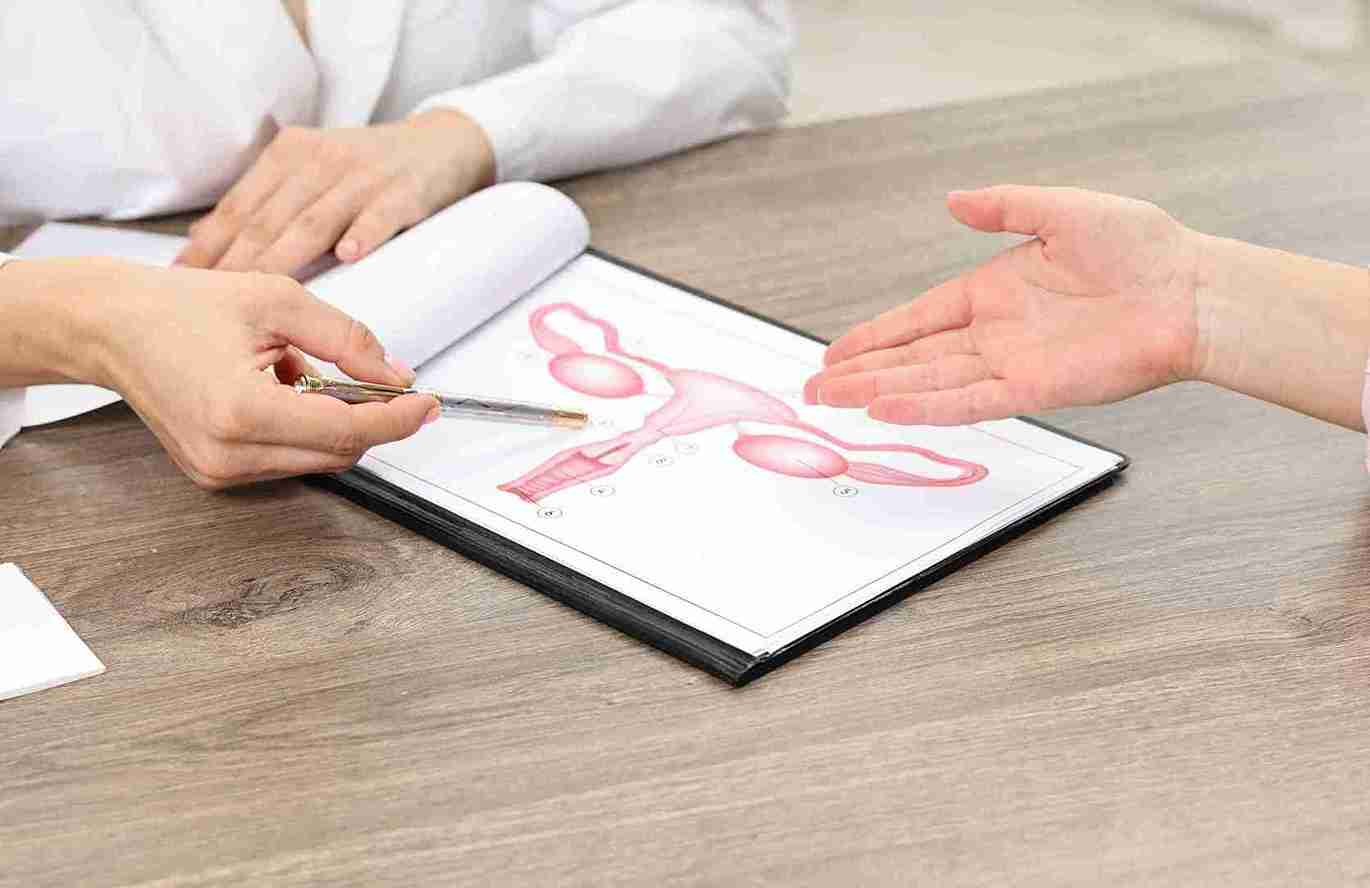
Hysterectomy is a surgery used for the removal of the uterus. At times, it may also include the removal of the cervix, fallopian tubes, or the ovaries, along with the uterus. This depends on why the surgery is being done. Once a hysterectomy is done, the woman will no longer get her periods and hence cannot get pregnant. It is a permanent procedure and cannot be reversed later. It is suggested only when the woman has exhausted all the other options, or when hysterectomy is the only solution for her condition.
Not all hysterectomies are the same. The type depends on which structures are removed and how the surgery is performed.
Total hysterectomy - both the uterus and the cervix are removed.
Subtotal (partial) hysterectomy - only the uterus is removed; the cervix is left in place. Less commonly done, cervical screening must continue afterwards.
Total hysterectomy with bilateral salpingo-oophorectomy (BSO) - the cervix, fallopian tubes, and both ovaries are removed along with the uterus. When the ovaries are removed before natural menopause, surgical menopause begins immediately.
Radical hysterectomy - the uterus, upper portion of the vagina, cervix, and surrounding tissue are removed. This is primarily performed for cervical cancer.
Abdominal hysterectomy (open surgery) - the uterus is removed through a horizontal incision just above the pubic hairline (similar to a caesarean section scar). This is the common approach and is still used when the uterus is very large or when extensive pelvic work is needed.
Vaginal hysterectomy - as the name indicates, the uterus is through the vagina without any abdominal incision. Suitable for certain cases, especially when combined with prolapse repair.
Laparoscopic hysterectomy - performed through small abdominal cuts, and the surgery is performed using a camera along with long instruments.
Robot-assisted laparoscopic hysterectomy - similar to laparoscopic but using a robot for greater precision. Available at select centres in India.
If you have uterine fibroids, adenomyosis, endometriosis, uterine prolapse, abnormal uterine bleeding or rupture, or gynaecological cancers, your gynaecologist may suggest a hysterectomy.

Recovery varies significantly depending on the surgical approach.
Hospital stay: 3-5 days.
First two weeks: Expect significant fatigue, wound tenderness, and movement restrictions—no lifting, driving, or strenuous activity. Pain is manageable due to medications. Wound care as directed.
Weeks 3-6: Gradual return to light activities. Most women feel noticeably better by week four, but should not rush their return to work or normal activity.
Full recovery: 6-8 weeks for most women, though this varies. Women with desk jobs may return to work in 4-6 weeks; those with physical jobs need longer.
Hospital stay: Usually 1-2 days.
First week: Less pain than open surgery, but fatigue is inevitable. Some shoulder tip pain from the gas used to inflate the abdomen; this resolves within a day or two.
Weeks 2-3: Most women feel significantly better and can resume light daily activities.
Full recovery: Most women recover fully within 3-4 weeks, which is considerably faster than open surgery.
Recovery is similar to laparoscopic, 3-4 weeks to full activity.
What to Avoid During Recovery (All Approaches)
No heavy lifting (anything over 3-4 kg) for six weeks after abdominal surgery, and four weeks after laparoscopic surgery
No driving until pain-free and able to respond quickly - usually two weeks after laparoscopic and 4-6 weeks after open surgery
No sexual intercourse for 6-8 weeks, or until the vaginal vault has healed
No baths until the wound or vaginal vault is healed
No strenuous exercise until the gynaecologist gives clearance
Hysterectomy recovery time varies by individual. Factors that affect it include:
Surgical approach - laparoscopic recovery is significantly faster than abdominal
Reason for surgery - cancer surgery or emergency hysterectomy may have a longer recovery than an elective hysterectomy for fibroids
Overall health - anaemia from heavy bleeding before surgery, obesity, and other medical conditions can slow recovery
Whether ovaries were removed - if ovaries are removed before natural menopause, the sudden onset of surgical menopause (with hot flushes, sleep disturbance, and mood changes) can affect the recovery experience
Before recommending hysterectomy, most gynaecologists will have discussed and tried other hysterectomy treatment options depending on the condition:
Hormonal treatment for fibroids, adenomyosis, and heavy bleeding: GnRH agonists, the hormonal IUD (Mirena), and combined pills
Endometrial ablation destroys the uterine lining for heavy bleeding; not suitable for women who want future pregnancy
Uterine fibroid embolisation cuts off the blood supply to fibroids without surgery
Myomectomy - surgical removal of fibroids while preserving the uterus
Hysterectomy becomes the recommendation when these options have failed, are not suitable, or when the condition is severe enough that uterus preservation is not in the woman's best interest.
Periods stop permanently - which for many women after years of heavy, painful periods, is a significant relief.
Pregnancy is no longer possible - this is the most important consideration for women who have not yet completed their family. Hysterectomy should not be performed on women who may want to conceive in the future unless there is a life-threatening indication.
Hormonal changes - if the ovaries are left intact, hormonal function continues, and natural menopause happens at the usual age. If both ovaries are removed, surgical menopause begins immediately. Hormone replacement therapy (HRT) is typically offered to manage menopausal symptoms in women who undergo early surgical menopause.
Prolapse and pelvic floor - pelvic floor physiotherapy after hysterectomy supports recovery and reduces long-term pelvic floor problems.
Sexual function - most women report no significant change or even improvement in sexual satisfaction after hysterectomy, especially when heavy bleeding and pain were previously affecting intimacy. Healing takes time, and sexual activity is usually resumed after 6-8 weeks.

A hysterectomy is a major decision, but for the right indication, it resolves conditions that have often been affecting a woman's quality of life for years. Understanding the types, what recovery involves, and what changes afterwards helps women approach this decision with confidence. If hysterectomy has been recommended, ask your surgeon which type is planned, and why, and what the recovery will look like for your specific situation.
Want to consult the Best Gynecologists in India? Please find the links below.
Want to consult the Best Maternity Packages in India? Please find the links below.

No. Once the uterus is removed, pregnancy is not possible. This is the most important consideration before agreeing to a hysterectomy, especially for younger women who have not had a child. If the ovaries are left in place, eggs continue to be produced, but there is no uterus to carry a pregnancy. Women who have not completed their family should discuss uterus-preserving alternatives, such as myomectomy, before considering hysterectomy.
Hysterectomy treatment options become relevant for conditions including large or symptomatic uterine fibroids, severe adenomyosis, treatment-resistant endometriosis, uterine prolapse, abnormal uterine bleeding not controlled by medication or ablation, and gynaecological cancers. It is recommended after other treatments have been tried and failed, or when the severity of the condition makes uterus preservation inadvisable or impossible.
Hysterectomy recovery time depends on the surgical approach. After an abdominal hysterectomy, a full recovery takes 6-8 weeks. After laparoscopic or vaginal hysterectomy, most women recover fully within 3-4 weeks. All women should avoid heavy lifting for several weeks, avoid sex for 6-8 weeks, and avoid driving until pain-free. Return to work depends on the job type and the surgical approach used.
Laparoscopic hysterectomy offers significantly faster recovery than open surgery - typically 3-4 weeks versus 6-8 weeks. It involves smaller incisions, less post-operative pain, a shorter hospital stay of 1-2 days, lower risk of wound infection, and a faster return to normal activities and work.


 Best Gynecologists in Bellandur Best Gynecologists in Electronic City Best Gynecologists in HRBR LayoutBest Gynecologists in Jayanagar Best Gynecologists in Kanakapura RoadBest Gynecologists in Malleswaram Best Gynecologists in Nagarbhavi Best Gynecologists in Old Airport RoadBest Gynecologists in Sahakarnagar Best Gynecologists in Sarjapur RoadBest Gynecologists in ThanisandraBest Gynecologists in Varthur RoadBest Gynecologists in Whitefield Best Gynecologists in Industrial Area Phase IIBest Gynecologists in OMRBest Gynecologists in T NagarBest Gynecologists in New Industrial TownBest Gynecologists in IndirapuramBest Gynecologists in Golf Course RoadBest Gynecologists in Sector 14Best Gynecologists in Sector 47Best Gynecologists in Banjara HillsBest Gynecologists in GachibowliBest Gynecologists in Hitech CityBest Gynecologists in KompallyBest Gynecologists in Jawahar NagarBest Gynecologists in Gomti NagarBest Gynecologists in Phase 3, Sector 58Best Gynecologists in MaladBest Gynecologists in NerulBest Gynecologists in VashiBest Gynecologists in Kailash ColonyBest Gynecologists in PatparganjBest Gynecologists in Punjabi BaghBest Gynecologists in RohiniBest Gynecologists in VikaspuriBest Gynecologists in Gaur CityBest Gynecologists in Pari ChowkBest Gynecologists in Sector 51Best Gynecologists in Sector 5 Swastik ViharBest Gynecologists in Kalyani NagarBest Gynecologists in SB RoadBest Gynecologists in Pimple SaudagarBest Pediatricians in BellandurBest Pediatricians in Electronic CityBest Pediatricians in HRBR LayoutBest Pediatricians in JayanagarBest Pediatricians in Kanakapura RoadBest Pediatricians in MalleswaramBest Pediatricians in NagarbhaviBest Pediatricians in Old Airport RoadBest Pediatricians in SahakarnagarBest Pediatricians in Sarjapur RoadBest Pediatricians in ThanisandraBest Pediatricians in Varthur RoadBest Pediatricians in WhitefieldBest Pediatricians in Industrial Area Phase IIBest Pediatricians in OMRBest Pediatricians in T NagarBest Pediatricians in New Industrial TownshipBest Pediatricians in IndirapuramBest Pediatricians in Golf Course RoadBest Pediatricians in Sector 14Best Pediatricians in Sector 47Best Pediatricians in Hitech CityBest Pediatricians in Banjara HillsBest Pediatricians in GachibowliBest Pediatricians in KompallyBest Pediatricians in Jawahar NagarBest Pediatricians in Gomti NagarBest Pediatricians in Phase 3, Sector 58Best Pediatricians in MaladBest Pediatricians in NerulBest Pediatricians in VashiBest Pediatricians in Kailash ColonyBest Pediatricians in PatparganjBest Pediatricians in Punjabi BaghBest Pediatricians in RohiniBest Pediatricians in VikaspuriBest Pediatricians in Gaur CityBest Pediatricians in Pari ChowkBest Pediatricians in Sector 51Best Pediatricians in Sector 5 Swastik ViharBest Pediatricians in Kalyani NagarBest Pediatricians in SB RoadBest Pediatricians in Pimple Saudagar


