


Your period may occasionally arrive later than you expected. A single longer cycle does not necessarily mean something is wrong, especially if your periods are usually regular. But if the gap between periods repeatedly becomes longer or your usual cycle pattern changes, it may be worth finding out why.
Long menstrual cycles can occur for several reasons. Sometimes, ovulation happens later than usual or does not occur during a particular cycle. Hormonal conditions, life-stage changes and other health or lifestyle factors can also influence cycle length.
Understanding your usual pattern can help you recognise when a change is temporary and when a gynaecological evaluation may be useful.

A menstrual cycle is counted from the first day of one period to the first day of the next. For adults aged 18–45, menstrual cycles occurring every 24 to 38 days are generally considered within the normal frequency range. Cycles longer than 38 days are classified as infrequent.
However, the number of days is only part of the picture. Your usual cycle pattern also matters. If your periods were previously predictable but have started occurring much further apart, that change may be worth discussing with a gynaecologist even if it happens only intermittently.
Cycle patterns can also differ during adolescence and around the transition to menopause, so consider age and life stage when evaluating cycle length.
One reason a menstrual cycle becomes longer is that ovulation occurs later than usual. If ovulation does not occur during a cycle, the timing of the next period may also become less predictable.
A long cycle causes uncertainty about when your next period may arrive, particularly when the pattern is unpredictable. Several hormonal, health and lifestyle factors can contribute to this change.
Conditions or hormonal changes that affect ovulation can cause periods to occur further apart. These may include:
● PCOS
● Thyroid-related conditions
● Other hormonal changes that interfere with regular ovulation
PCOS has recently been renamed Polyendocrine Metabolic Ovarian Syndrome (PMOS). The new terminology was introduced in 2026 to better reflect the condition's broader hormonal and metabolic nature, although PCOS remains widely recognised during the transition to the new name.
Cycle length can also be influenced by:
● The years following the start of menstruation
● The transition towards menopause
● Significant changes in weight
● High levels of physical or emotional stress
● Intensive exercise
● Certain medicines
These factors do not automatically explain a long cycle. When cycles are repeatedly long or have changed noticeably from your usual pattern, the surrounding symptoms and health history can help determine whether further evaluation is needed.
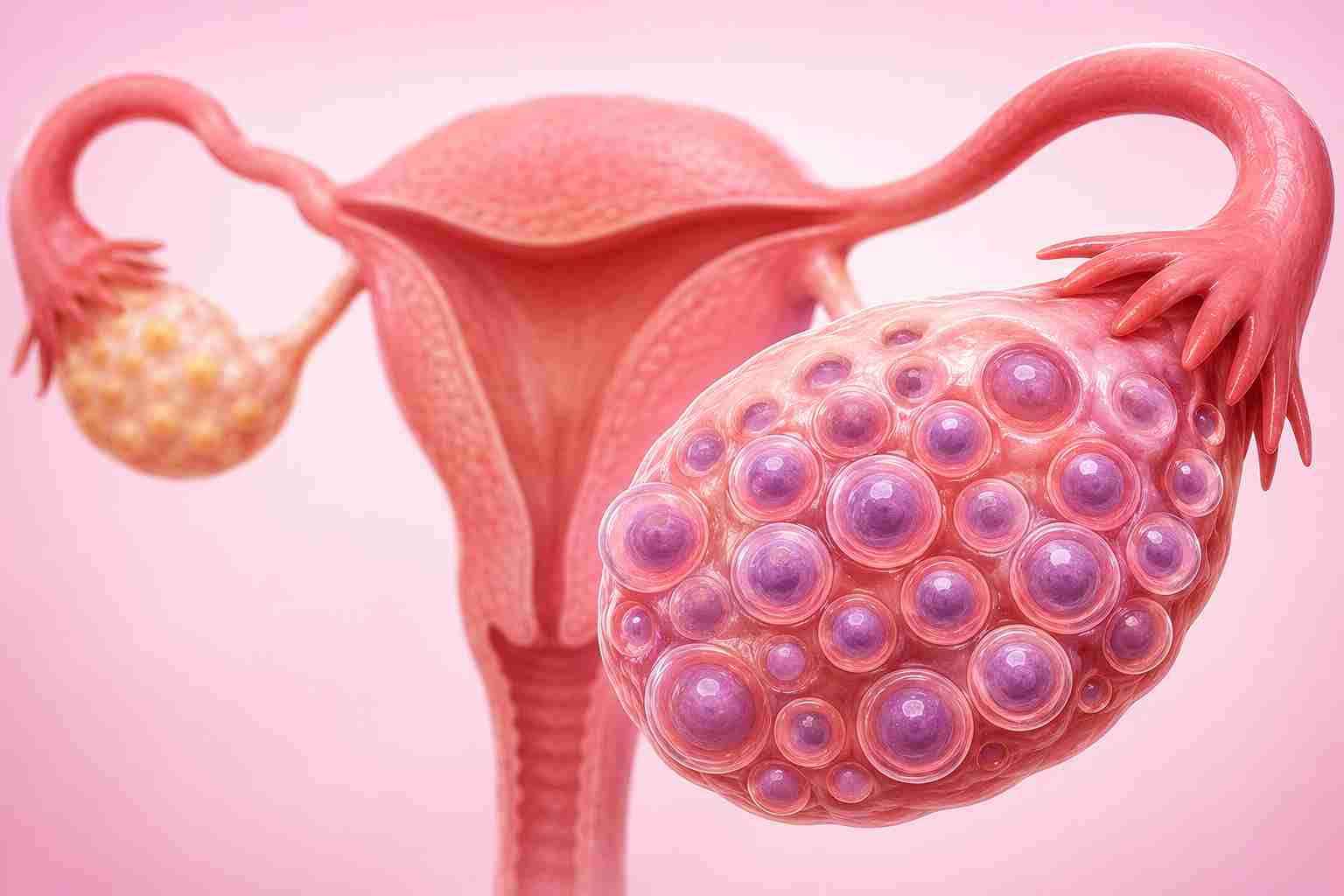
Yes. PCOS can affect how regular ovulation occurs. When ovulation is delayed or does not occur, periods may come further apart, resulting in longer or unpredictable menstrual cycles. Irregular or infrequent periods are among the recognised features of PCOS.
However, having long menstrual cycles does not necessarily mean you have PCOS. Diagnosis considers the overall clinical picture, including menstrual patterns and other relevant hormonal or metabolic features.
The term “prolonged menstrual cycles” may describe cycles with a longer-than-usual interval between periods, but it can sometimes be confused with prolonged menstrual bleeding. These refer to different aspects of menstruation:
● Long menstrual cycle: There are more days between the start of one period and the start of the next.
● Prolonged menstrual bleeding: The bleeding itself continues for longer than expected.
For example, someone may have a long cycle but bleed for a usual number of days once their period begins. Conversely, a person may have periods at regular intervals but experience prolonged bleeding. This distinction is important when describing your symptoms to a gynaecologist.
An occasional longer cycle can happen. However, speak to a gynaecologist if your cycles are repeatedly long or unpredictable, or if there has been a noticeable change from your usual pattern.
Evaluation may also be appropriate if long cycles occur alongside other symptoms, or if you are planning a pregnancy and irregular ovulation makes the timing of conception less predictable.
Seek prompt medical attention if you experience unusually heavy bleeding accompanied by symptoms such as dizziness, fainting, shortness of breath or feeling significantly unwell. Heavy or otherwise abnormal bleeding may need assessment separately from cycle length.
Evaluating long menstrual cycles begins with understanding your menstrual pattern and any changes you have noticed. Your gynaecologist may ask about when your periods started becoming longer or irregular, your usual cycle length, associated symptoms, medicines, recent weight or lifestyle changes and relevant medical history.
Depending on your individual situation, evaluation may include:
● A physical or pelvic examination, when appropriate
● A pregnancy test, where relevant
● Blood tests to assess hormonal factors, such as thyroid function or other hormones when indicated
● A pelvic ultrasound to assess the uterus and ovaries, when needed
Not everyone with longer cycles needs the same tests. Your age, symptoms, medical history and menstrual pattern guide the evaluation.

Tracking when each period begins can show whether a longer cycle is an occasional change or part of a recurring pattern. You may also find it helpful to record how long bleeding lasts, whether the flow has changed and any symptoms that occur alongside your periods.
This information can give your gynaecologist a clearer picture of menstrual cycle abnormalities and help guide whether further evaluation is needed. Tracking helps you recognise patterns, but it cannot identify the underlying cause on its own.
Menstrual cycles can vary, and an occasional longer cycle may not indicate a health problem. However, consistently long or increasingly unpredictable cycles are worth discussing with a gynaecologist.
Understanding what may be influencing your cycle can help your gynaecologist determine whether any further evaluation or management is needed.

Want to consult the Best Gynecologists in India? Please find the links below.
Want to consult the Best Maternity Packages in India? Please find the links below.

Long menstrual cycles can occur when ovulation happens later than usual or does not occur regularly. Possible causes include hormonal or ovulatory conditions such as PCOS, thyroid problems, significant weight changes, stress, intensive exercise, certain medicines and changes associated with life stages such as puberty or perimenopause.
A menstrual cycle is measured from the first day of one period to the first day of the next. For adults aged 18–45, cycles occurring every 24 to 38 days are generally considered within the normal frequency range, while cycles longer than 38 days are considered infrequent. Your usual cycle pattern and any persistent changes are also important when deciding whether evaluation is needed.
Yes. PCOS can interfere with regular ovulation, causing periods to occur less frequently or unpredictably. However, long cycles alone do not mean that you have PCOS, as several other factors can affect menstrual cycle length.
A gynaecologist will usually begin by reviewing your menstrual pattern, symptoms, medical history, medicines and relevant lifestyle changes. Depending on your situation, evaluation may include a physical or pelvic examination, pregnancy testing, targeted blood tests and a pelvic ultrasound. The tests recommended will depend on the possible underlying cause rather than cycle length alone.


 Best Gynecologists in Bellandur Best Gynecologists in Electronic City Best Gynecologists in HRBR LayoutBest Gynecologists in Jayanagar Best Gynecologists in Kanakapura RoadBest Gynecologists in Malleswaram Best Gynecologists in Nagarbhavi Best Gynecologists in Old Airport RoadBest Gynecologists in Sahakarnagar Best Gynecologists in Sarjapur RoadBest Gynecologists in ThanisandraBest Gynecologists in Varthur RoadBest Gynecologists in Whitefield Best Gynecologists in Industrial Area Phase IIBest Gynecologists in OMRBest Gynecologists in T NagarBest Gynecologists in New Industrial TownBest Gynecologists in IndirapuramBest Gynecologists in Golf Course RoadBest Gynecologists in Sector 14Best Gynecologists in Sector 47Best Gynecologists in Banjara HillsBest Gynecologists in GachibowliBest Gynecologists in Hitech CityBest Gynecologists in KompallyBest Gynecologists in Gomti NagarBest Gynecologists in MaladBest Gynecologists in NerulBest Gynecologists in VashiBest Gynecologists in Kailash ColonyBest Gynecologists in PatparganjBest Gynecologists in Punjabi BaghBest Gynecologists in VikaspuriBest Gynecologists in Gaur CityBest Gynecologists in Pari ChowkBest Gynecologists in Sector 51Best Gynecologists in Sector 5 Swastik ViharBest Gynecologists in Kalyani NagarBest Gynecologists in SB RoadBest Gynecologists in Pimple SaudagarBest Pediatricians in BellandurBest Pediatricians in Electronic CityBest Pediatricians in HRBR LayoutBest Pediatricians in JayanagarBest Pediatricians in Kanakapura RoadBest Pediatricians in MalleswaramBest Pediatricians in NagarbhaviBest Pediatricians in Old Airport RoadBest Pediatricians in SahakarnagarBest Pediatricians in Sarjapur RoadBest Pediatricians in ThanisandraBest Pediatricians in Varthur RoadBest Pediatricians in WhitefieldBest Pediatricians in Industrial Area Phase IIBest Pediatricians in OMRBest Pediatricians in T NagarBest Pediatricians in New Industrial TownshipBest Pediatricians in IndirapuramBest Pediatricians in Golf Course RoadBest Pediatricians in Sector 14Best Pediatricians in Sector 47Best Pediatricians in Hitech CityBest Pediatricians in Banjara HillsBest Pediatricians in GachibowliBest Pediatricians in KompallyBest Pediatricians in Gomti NagarBest Pediatricians in MaladBest Pediatricians in NerulBest Pediatricians in VashiBest Pediatricians in Kailash ColonyBest Pediatricians in PatparganjBest Pediatricians in Punjabi BaghBest Pediatricians in VikaspuriBest Pediatricians in Gaur CityBest Pediatricians in Pari ChowkBest Pediatricians in Sector 51Best Pediatricians in Sector 5 Swastik ViharBest Pediatricians in Kalyani NagarBest Pediatricians in SB RoadBest Pediatricians in Pimple Saudagar


