





Pregnancy is one of the most transformative phases in a woman’s life. Along with the joy of nurturing a new life, it brings major physical, hormonal and postural changes. These changes can often lead to back pain, pelvic discomfort, swelling or fatigue. This is where physiotherapy during pregnancy becomes invaluable — helping you move safely, reduce discomfort and build strength in a way that supports both your body and your baby.
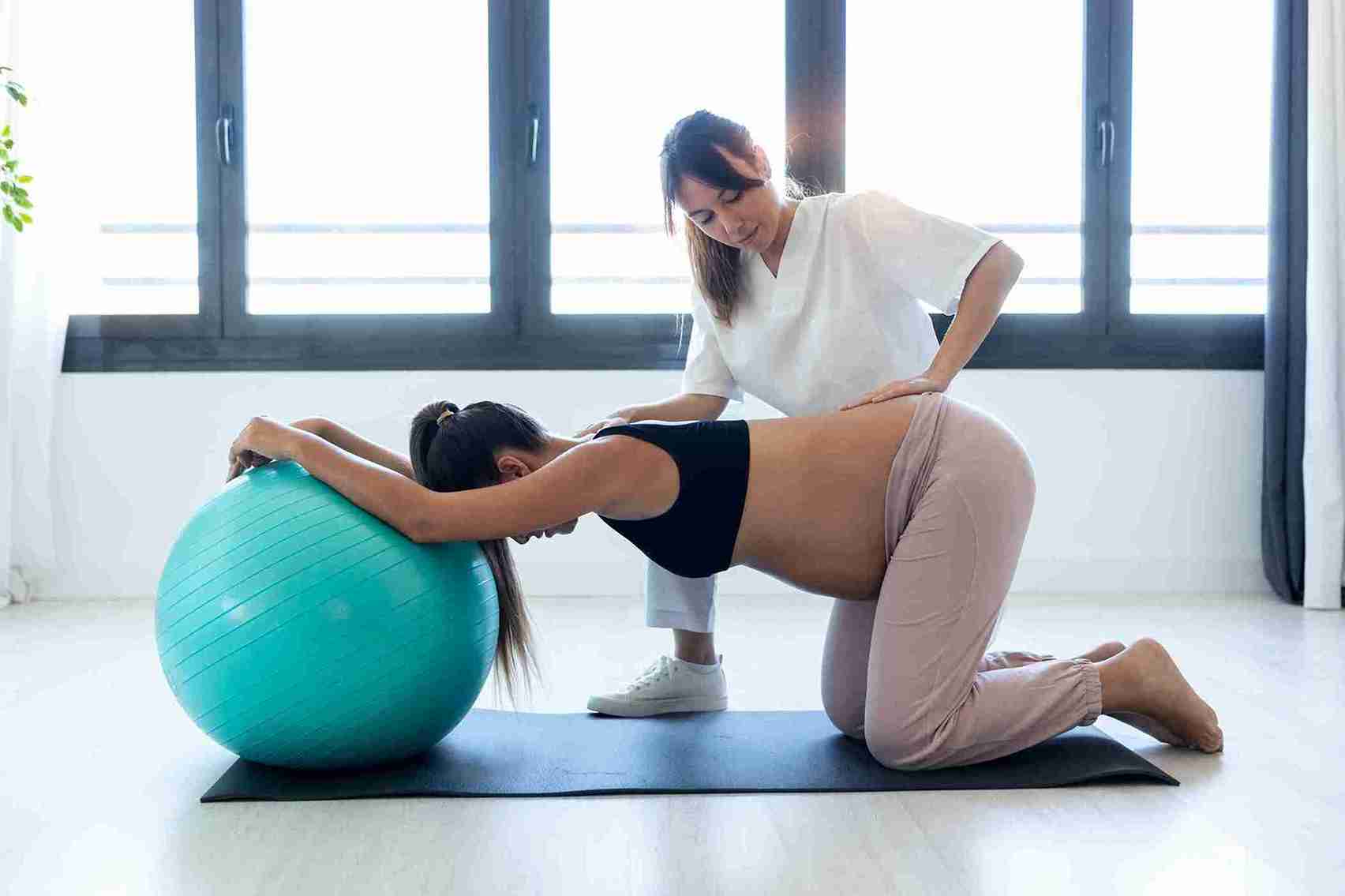
As your body adjusts to the growing baby, your centre of gravity shifts, ligaments loosen, and your muscles work harder to maintain stability. Physiotherapy helps you adapt to these changes with posture correction, breathing awareness and guided strengthening.
Unlike general workouts, pregnancy physiotherapy focuses on safe, trimester-specific movement that enhances flexibility and stability without stressing the joints. For instance, pregnancy physiotherapy exercises in the third trimester will help with postpartum recovery.
What must be remembered is that physiotherapy is all about creating balance — keeping your body active, your mind calm, and your muscles ready for the demands of childbirth and early mothering.
If you’ve ever searched for “pregnancy physiotherapy near me”, you’ve already taken the first step toward prioritising your health and comfort.
The World Health Organization (WHO) recommends that pregnant women engage in low-impact aerobic exercises several times a week — unless medically restricted. This helps maintain good circulation, muscle tone and endurance for labour.
However, yoga — while excellent — is not the only choice. Many women benefit equally from physiotherapy-guided programmes that combine gentle mobility, controlled strength training and posture work. These forms of movement are not only safe but also more functional, helping you sail smoothly through pregnancy and postnatal recovery.
When it comes to pregnancy physiotherapy exercises, do them under expert supervision. A women’s health physiotherapist understands how your body changes across trimesters and customises every movement accordingly.
These sessions are designed to strengthen deep muscles, improve breathing patterns and release areas of tightness — all while keeping your energy levels steady. Physiotherapy also addresses issues like lower back discomfort, pelvic pressure and fatigue, helping you move more freely and confidently.
The focus isn’t on intensity but on intention and awareness. Every stretch, breath and movement is taught with care, ensuring your safety and your baby’s well-being.
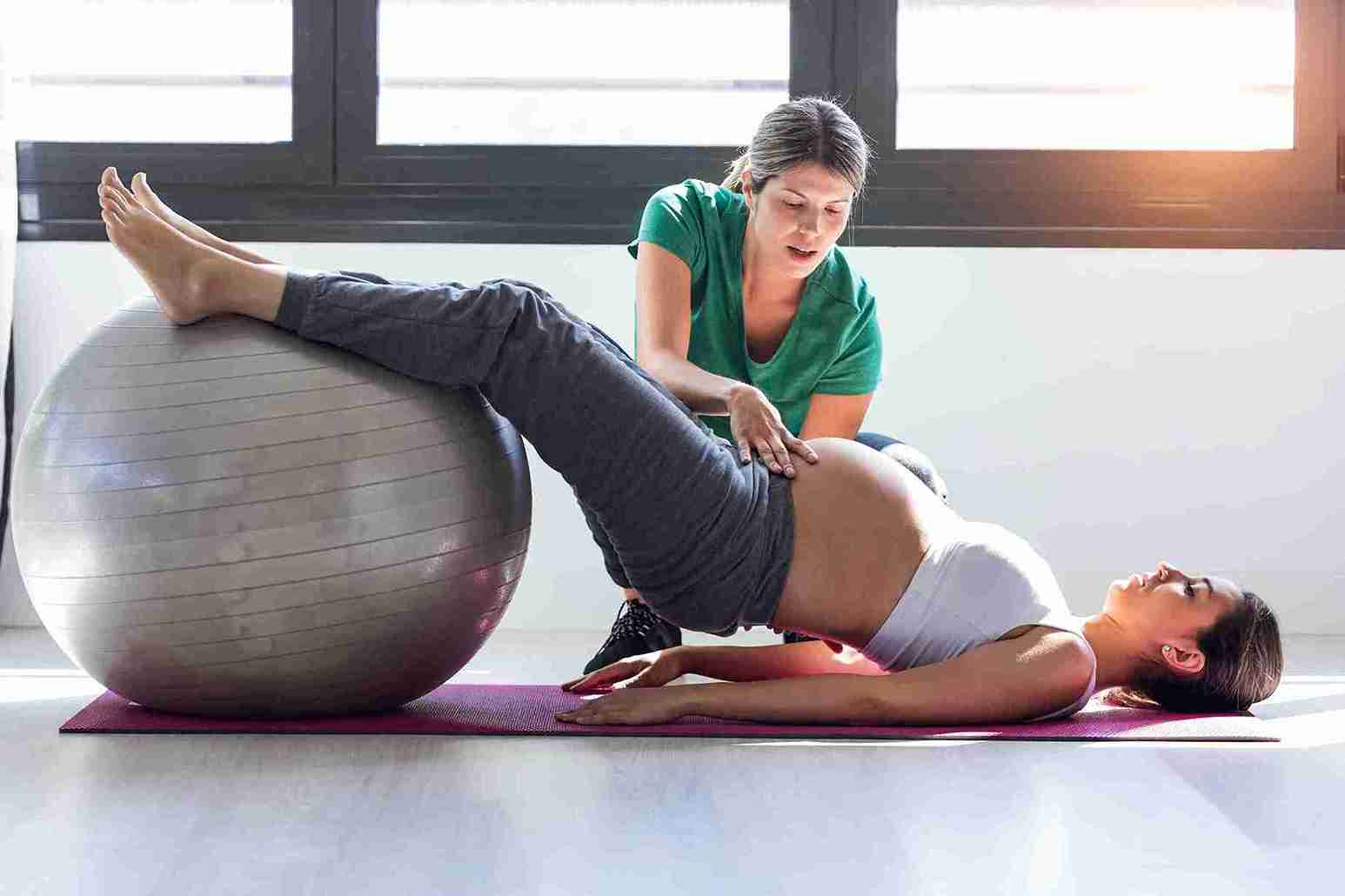
True pregnancy fitness is not about pushing limits or achieving a certain body shape. It’s about listening to your body, respecting its changes and moving mindfully.
Including guided sessions of physiotherapy in pregnancy fitness classes will help you stay connected with your body, nurture your strength, and experience this journey with greater comfort and confidence. On days when you feel energetic, a full physiotherapy-guided session can boost your stamina and mood. On slower days, gentle mobility or breathing practice can be equally effective. Physiotherapy empowers you to make these adjustments confidently, keeping your fitness routine flexible and sustainable.
Maintaining strength and stability during pregnancy also prepares you for the postnatal phase — when lifting your baby, feeding or prolonged sitting can strain your back or shoulders. With proper physiotherapy guidance, you build the endurance and posture needed to handle these new responsibilities comfortably.
While yoga offers relaxation and flexibility, physiotherapy focuses on functional strength — the kind that helps you move comfortably through daily life. From standing and bending safely to improving your breathing mechanics, physiotherapy places equal importance on core stability, pelvic floor support and posture alignment.
These aspects are crucial not only during pregnancy but also after delivery. A strong foundation reduces the risk of pain, incontinence or fatigue and helps you return to your daily activities sooner and more confidently.
It’s advisable to seek help from a physiotherapist if you experience:
You can search by typing “pregnancy physiotherapy near me” to choose a qualified women’s health physiotherapist, and you can receive personalised assessment and care that adapts to your body’s changing needs.
Book an online appointment with Dr. Kiranjeet Kaur for Pregnancy & Gynecology related issues.

A consistent physiotherapy routine during pregnancy doesn’t just support your present comfort — it prepares you for a smoother labour and quicker recovery after birth. With improved posture, balanced muscle tone, and better breathing control, you’re more equipped to handle labour efficiently and recover stronger.
It’s not about perfection — it’s about progress, patience and understanding what your body truly needs. Physiotherapy gives you that awareness.
Pregnancy is not a time to stop moving; it’s a time to move wisely. So if you’re ready to take charge of your health, explore physiotherapy during pregnancy — and experience how gentle, mindful movement can transform your pregnancy experience.
Remember: Pregnancy physiotherapy exercises – do it, because every small, safe movement today builds the strength you’ll rely on tomorrow. Whether you’re preparing for birth or recovering afterwards, let physiotherapy be your partner in achieving balance, comfort and lifelong fitness. So, go ahead and join pregnancy physiotherapy courses and reap the benefits these sessions have to offer!


Pregnancy-related physiotherapy sessions are completely safe. Physiotherapy helps your body get ready for childbirth and recovery while keeping you comfortable and active. It supports your changing body, improves posture and breathing, and builds strength for daily tasks. The movements will be tailored to each trimester so as to protect your joints.
Physiotherapy sessions can help with a lot of issues associated with pregnancy. For instance, it can ease pregnancy-related back pain, pelvic discomfort, swelling, stiff muscles and fatigue. It reduces pain, enhances mobility and even supports all the physical changes associated with pregnancy. To put it briefly, it keeps you at ease and self-assured while your baby develops inside of you.
Expectant mothers can safely increase their strength and improve their balance by going to physiotherapy sessions on a regular basis. Pregnancy physiotherapy is highly recommended because it involves safe exercises, gentle stretches and posture training. This helps support the body and makes routine activities easier to perform. It also supports core muscles and the pelvic floor, helping them feel stable and confident as their bodies undergo changes.
Regular physiotherapy sessions can help expectant moms feel stronger and ready for labour. It teaches appropriate breathing techniques, strengthens muscles, and enhances posture. This improves your ability to manage contractions and even helps speed up postpartum recovery.


 Best Gynecologists in Bellandur Best Gynecologists in Electronic City Best Gynecologists in HRBR LayoutBest Gynecologists in Jayanagar Best Gynecologists in Kanakapura RoadBest Gynecologists in Malleswaram Best Gynecologists in Nagarbhavi Best Gynecologists in Old Airport RoadBest Gynecologists in Sahakarnagar Best Gynecologists in Sarjapur RoadBest Gynecologists in ThanisandraBest Gynecologists in Varthur RoadBest Gynecologists in Whitefield Best Gynecologists in Industrial Area Phase IIBest Gynecologists in OMRBest Gynecologists in T NagarBest Gynecologists in New Industrial TownBest Gynecologists in IndirapuramBest Gynecologists in Golf Course RoadBest Gynecologists in Sector 14Best Gynecologists in Sector 47Best Gynecologists in Banjara HillsBest Gynecologists in GachibowliBest Gynecologists in Hitech CityBest Gynecologists in KompallyBest Gynecologists in Gomti NagarBest Gynecologists in MaladBest Gynecologists in NerulBest Gynecologists in VashiBest Gynecologists in Kailash ColonyBest Gynecologists in PatparganjBest Gynecologists in Punjabi BaghBest Gynecologists in VikaspuriBest Gynecologists in Gaur CityBest Gynecologists in Pari ChowkBest Gynecologists in Sector 51Best Gynecologists in Sector 5 Swastik ViharBest Gynecologists in Kalyani NagarBest Gynecologists in SB RoadBest Gynecologists in Pimple SaudagarBest Pediatricians in BellandurBest Pediatricians in Electronic CityBest Pediatricians in HRBR LayoutBest Pediatricians in JayanagarBest Pediatricians in Kanakapura RoadBest Pediatricians in MalleswaramBest Pediatricians in NagarbhaviBest Pediatricians in Old Airport RoadBest Pediatricians in SahakarnagarBest Pediatricians in Sarjapur RoadBest Pediatricians in ThanisandraBest Pediatricians in Varthur RoadBest Pediatricians in WhitefieldBest Pediatricians in Industrial Area Phase IIBest Pediatricians in OMRBest Pediatricians in T NagarBest Pediatricians in New Industrial TownshipBest Pediatricians in IndirapuramBest Pediatricians in Golf Course RoadBest Pediatricians in Sector 14Best Pediatricians in Sector 47Best Pediatricians in Hitech CityBest Pediatricians in Banjara HillsBest Pediatricians in GachibowliBest Pediatricians in KompallyBest Pediatricians in Gomti NagarBest Pediatricians in MaladBest Pediatricians in NerulBest Pediatricians in VashiBest Pediatricians in Kailash ColonyBest Pediatricians in PatparganjBest Pediatricians in Punjabi BaghBest Pediatricians in VikaspuriBest Pediatricians in Gaur CityBest Pediatricians in Pari ChowkBest Pediatricians in Sector 51Best Pediatricians in Sector 5 Swastik ViharBest Pediatricians in Kalyani NagarBest Pediatricians in SB RoadBest Pediatricians in Pimple Saudagar


