
Winter can make a child’s lips crack, and the skin on their cheeks, hands, arms and legs feel rough or itchy. Cold air, dry indoor heat, hot baths, harsh cleansers, and frequent lip licking commonly contribute. Children with eczema or sensitive skin may flare more easily.
Most winter dryness can improve with a consistent routine. Painful bleeding, oozing, severe itching, dehydration or symptoms that do not improve with basic care require a paediatrician’s assessment.

Some common causes include:
Chapped lips alone usually do not indicate a vitamin deficiency.
Yes. Saliva briefly moistens the lips but evaporates quickly. It can irritate cracked skin and create a cycle of dryness, licking and further cracking. Apply a lip ointment and remind the child to use it regularly. For younger children, apply it before outdoor play, meals and bedtime.
In winter, common causes include cold air, wind, indoor heating, lip licking, mouth breathing and irritating products. Dry lips may also occur during fever, vomiting or diarrhoea. Look for dehydration signs such as reduced urination, dry mouth, unusual sleepiness, sunken eyes or difficulty drinking.
Persistent dryness with mouth sores, widespread rash, poor growth, fatigue, restricted eating or recurrent infections needs medical evaluation.
Dry lips vitamin deficiency can cause concern, but isolated chapped lips do not indicate a specific deficiency. Deficiencies may cause mouth-corner cracks, a sore tongue, pale skin, fatigue, poor appetite or poor growth.
Do not give iron, B12 or high-dose supplements based only on chapped lips. A paediatrician can review the child’s diet, growth and symptoms and decide whether testing is needed.
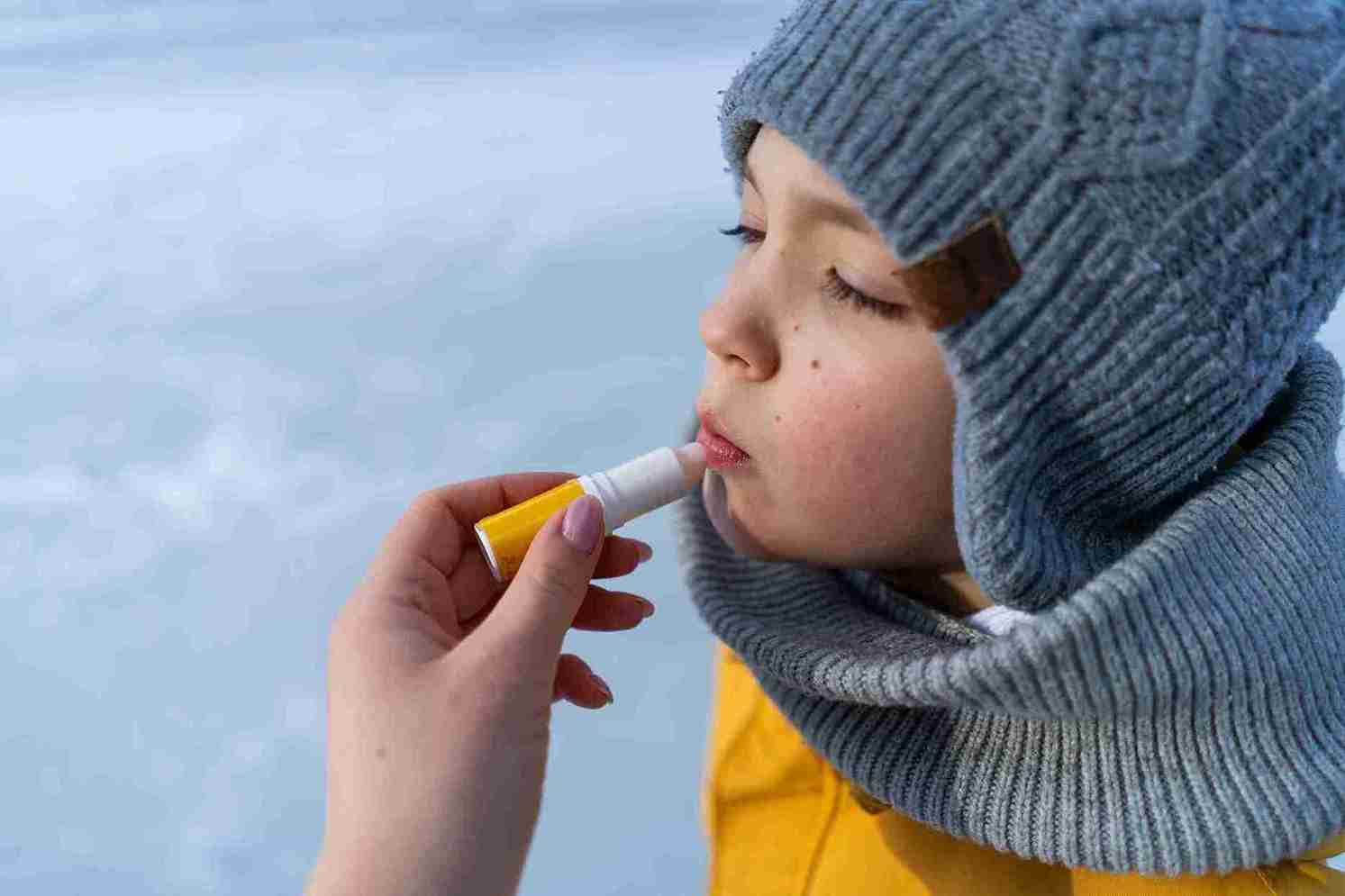
Chapped lips usually heal when the cause of irritation is addressed and the lips are protected from further irritants. The following steps can help:
Use a plain, fragrance-free lip balm containing petrolatum. Apply a thick layer:
Avoid products that sting. Menthol, camphor, cinnamon and strong flavours may worsen irritation.
Give normal amounts of fluids frequently. In case of vomiting and diarrhoea, use oral rehydration drinks to compensate for loss of electrolytes, as advised by a doctor, instead of just water and sweetened beverages.
Keep balm accessible and use simple reminders to apply a lip balm. Take care of nasal congestion as per appropriate medical advice.
Use a scarf or high collar to shield the lower face without covering the nose or mouth. Apply balm before outdoor play and after wiping the face.
For cracked lips treatment:
In case of cracks occurring mostly around the mouth corners, keep the area dry after eating and get some guidance in case of persistence, leakage, or recurrence.
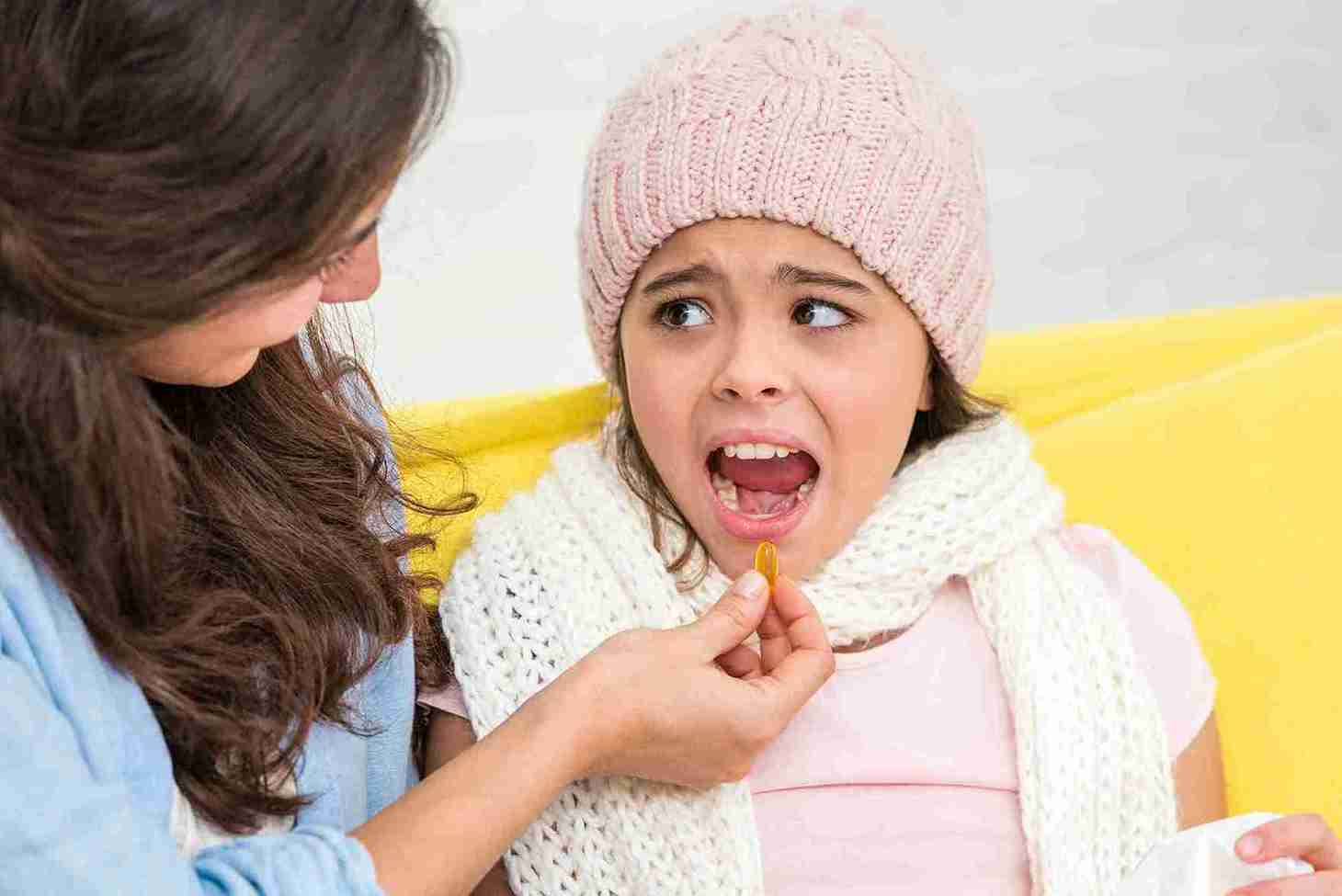
Avoid:
Honey should not be given orally to children younger than one year and is not needed for chapped lips.
Within a few minutes of bathing, apply a thick, fragrance-free cream or ointment to slightly damp skin.
Keep baths short and lukewarm. Hot water can worsen dryness and itching.
Use a mild, fragrance-free cleanser only where needed. Avoid scrubbing dry patches.
Apply moisturiser daily, especially to the cheeks, hands, knees, elbows, shins, ankles and skin around the mouth.
Winter dryness usually causes mild flaking or tightness that improves with moisturisation. Eczema is more likely with persistent itching, inflamed patches or repeated flares.
A paediatrician should assess persistent itching, inflamed patches, sleep disturbance, oozing or recurrent rashes. Do not apply steroid creams to a child’s face or around the mouth unless prescribed.

Seek medical help from a paediatrician if the child has the following:
Seek urgent care for severe dehydration, breathing difficulty, facial swelling or rapidly spreading infection.
Cloudnine’s paediatric services can assess persistent chapped lips, eczema-like rashes, dehydration, nutritional concerns and possible skin infections. A paediatrician can distinguish routine winter dryness from conditions requiring treatment or further evaluation.
Dry lips in winter are mostly easily manageable with a gentle, consistent routine and do not always indicate any nutritional deficiency or an illness. Most cases can improve as the barrier of the lip skin recovers. Avoid over-treating the area and give simple measures time to work.
However, if symptoms continue despite these steps, keep returning or seem out of proportion to the weather, a paediatrician can help identify the cause and recommend appropriate treatment.


Deficiencies may cause mouth-corner cracks, tongue changes, fatigue, pallor or poor growth, but chapped lips alone do not identify one. A paediatrician should assess the child before recommending tests or supplements.
B12 deficiency can affect the mouth, but isolated dry lips are not a reliable sign. Persistent symptoms with fatigue, pallor, mouth changes, restricted eating or poor growth should be discussed with a paediatrician.
A plain petrolatum-based lip balm or ointment prevents dehydration and helps to prevent cracking of the lip skin. Apply it several times daily, particularly before going out and before bedtime.
Ensure adequate fluid intake and a balanced diet including fruits, vegetables, legumes, whole grains, eggs, nuts where age-appropriate and other protein sources. Seek nutritional advice for restricted diets or poor growth.


 Best Gynecologists in Bellandur Best Gynecologists in Electronic City Best Gynecologists in HRBR LayoutBest Gynecologists in Jayanagar Best Gynecologists in Kanakapura RoadBest Gynecologists in Malleswaram Best Gynecologists in Nagarbhavi Best Gynecologists in Old Airport RoadBest Gynecologists in Sahakarnagar Best Gynecologists in Sarjapur RoadBest Gynecologists in ThanisandraBest Gynecologists in Varthur RoadBest Gynecologists in Whitefield Best Gynecologists in Industrial Area Phase IIBest Gynecologists in OMRBest Gynecologists in T NagarBest Gynecologists in New Industrial TownBest Gynecologists in IndirapuramBest Gynecologists in Golf Course RoadBest Gynecologists in Sector 14Best Gynecologists in Sector 47Best Gynecologists in Banjara HillsBest Gynecologists in GachibowliBest Gynecologists in Hitech CityBest Gynecologists in KompallyBest Gynecologists in Gomti NagarBest Gynecologists in Phase 3, Sector 58Best Gynecologists in MaladBest Gynecologists in NerulBest Gynecologists in VashiBest Gynecologists in Kailash ColonyBest Gynecologists in PatparganjBest Gynecologists in Punjabi BaghBest Gynecologists in VikaspuriBest Gynecologists in Gaur CityBest Gynecologists in Pari ChowkBest Gynecologists in Sector 51Best Gynecologists in Sector 5 Swastik ViharBest Gynecologists in Kalyani NagarBest Gynecologists in SB RoadBest Gynecologists in Pimple SaudagarBest Pediatricians in BellandurBest Pediatricians in Electronic CityBest Pediatricians in HRBR LayoutBest Pediatricians in JayanagarBest Pediatricians in Kanakapura RoadBest Pediatricians in MalleswaramBest Pediatricians in NagarbhaviBest Pediatricians in Old Airport RoadBest Pediatricians in SahakarnagarBest Pediatricians in Sarjapur RoadBest Pediatricians in ThanisandraBest Pediatricians in Varthur RoadBest Pediatricians in WhitefieldBest Pediatricians in Industrial Area Phase IIBest Pediatricians in OMRBest Pediatricians in T NagarBest Pediatricians in New Industrial TownshipBest Pediatricians in IndirapuramBest Pediatricians in Golf Course RoadBest Pediatricians in Sector 14Best Pediatricians in Sector 47Best Pediatricians in Hitech CityBest Pediatricians in Banjara HillsBest Pediatricians in GachibowliBest Pediatricians in KompallyBest Pediatricians in Gomti NagarBest Pediatricians in Phase 3, Sector 58Best Pediatricians in MaladBest Pediatricians in NerulBest Pediatricians in VashiBest Pediatricians in Kailash ColonyBest Pediatricians in PatparganjBest Pediatricians in Punjabi BaghBest Pediatricians in VikaspuriBest Pediatricians in Gaur CityBest Pediatricians in Pari ChowkBest Pediatricians in Sector 51Best Pediatricians in Sector 5 Swastik ViharBest Pediatricians in Kalyani NagarBest Pediatricians in SB RoadBest Pediatricians in Pimple Saudagar


