





If you've ever been told to "take complete rest" during pregnancy, you're not alone. Many women receive well-meaning advice from family and friends, but not all of it reflects current medical guidance. While certain pregnancy complications may require activity restrictions, most women with a healthy pregnancy are encouraged to stay active. In fact, exercise during pregnancy is now recognised as an important part of antenatal care. The right kind of movement can support your physical and emotional well-being, help your body adapt to pregnancy and prepare you for childbirth.
The key is choosing activities that are appropriate for your stage of pregnancy and your individual health. That's why it's always a good idea to discuss your exercise routine with your obstetrician or physiotherapist before starting or continuing any fitness programme.
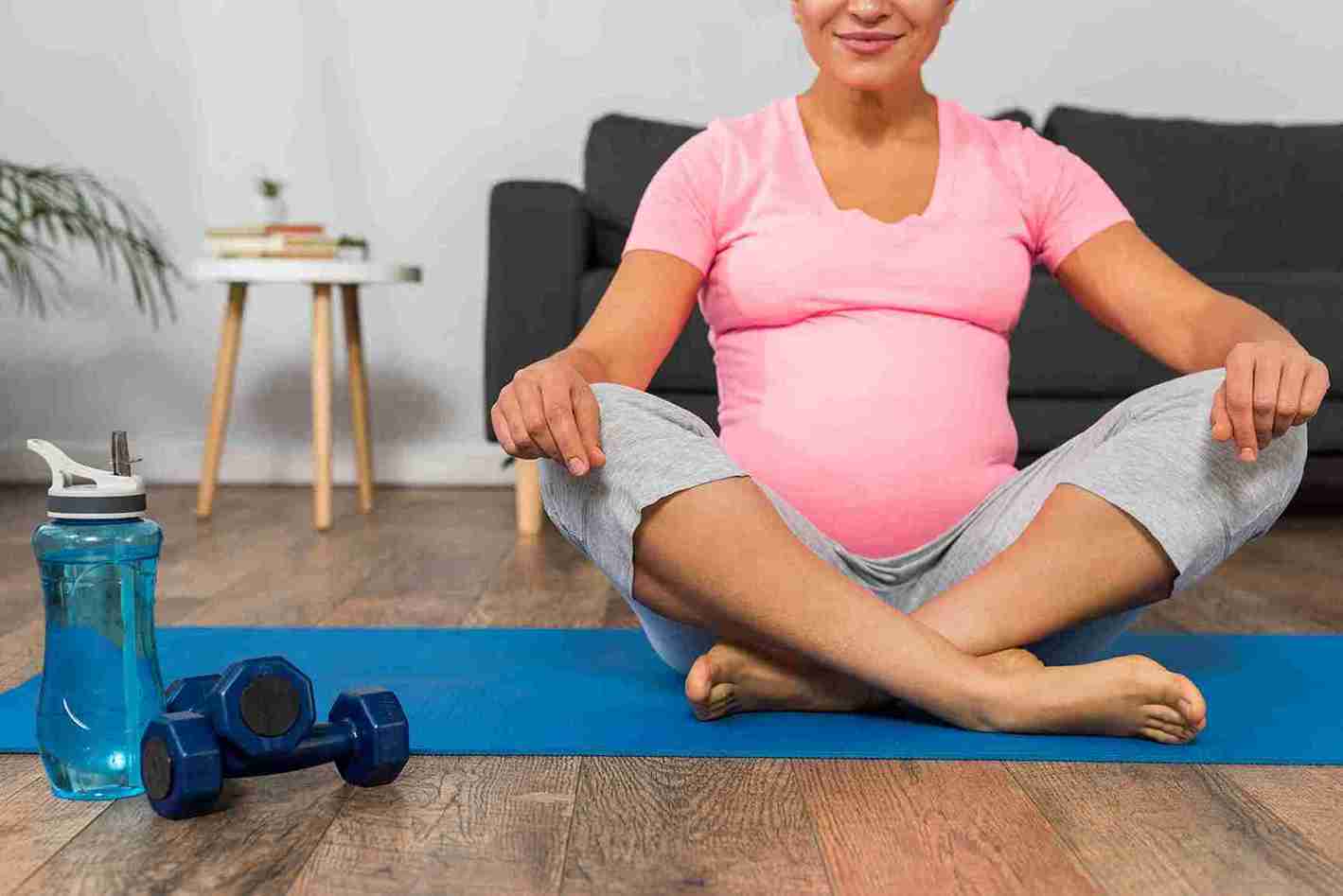
For women with an uncomplicated pregnancy, the answer is yes. Regular exercise during pregnancy is generally considered safe and offers several health benefits for both mother and baby. Women with certain pregnancy complications may need modified activity plans or temporary restrictions, which is why personalised medical advice is important.
Depending on your individual health, your doctor may recommend modifying or avoiding certain activities if you have conditions such as placenta praevia, severe anaemia, preeclampsia, heart or lung problems, or an increased risk of preterm birth. Your obstetrician will guide you on what is appropriate for your pregnancy. The goal isn't to exercise harder but to stay active safely and consistently.
Pregnancy brings unique challenges to your body. As your baby develops, your posture shifts, your joints loosen, and everyday tasks may become more exhausting. Engaging in prenatal exercises can help you adapt and maintain your well-being.
Staying active during pregnancy may help:
No single exercise programme is right for everyone. The best results usually come from choosing activities you enjoy and can continue comfortably throughout your pregnancy.
Your body changes throughout pregnancy, so your exercise routine may also need to change. Instead of pushing yourself to do more, choose safe pregnancy workouts that align with your body's needs at each stage.

During the first trimester, many women experience fatigue, nausea or changes in energy levels.
Suitable activities may include:
Remember to stay well hydrated and avoid becoming overheated, especially during warmer weather.
Many women find the second trimester more comfortable and notice that their energy levels improve.
The second trimester is usually an ideal period to maintain safe pregnancy workouts, including:
As your bump grows, your centre of gravity changes. Exercises that improve posture, stability and flexibility may help you feel more comfortable during everyday activities.
By the third trimester, comfort becomes the priority. Exercises should support mobility, breathing and preparation for labour rather than improving fitness.
Activities commonly recommended include:
Choose movements that feel comfortable, avoid overexertion and allow yourself plenty of time to rest when needed. Listening to your body becomes especially important during the final weeks of pregnancy.
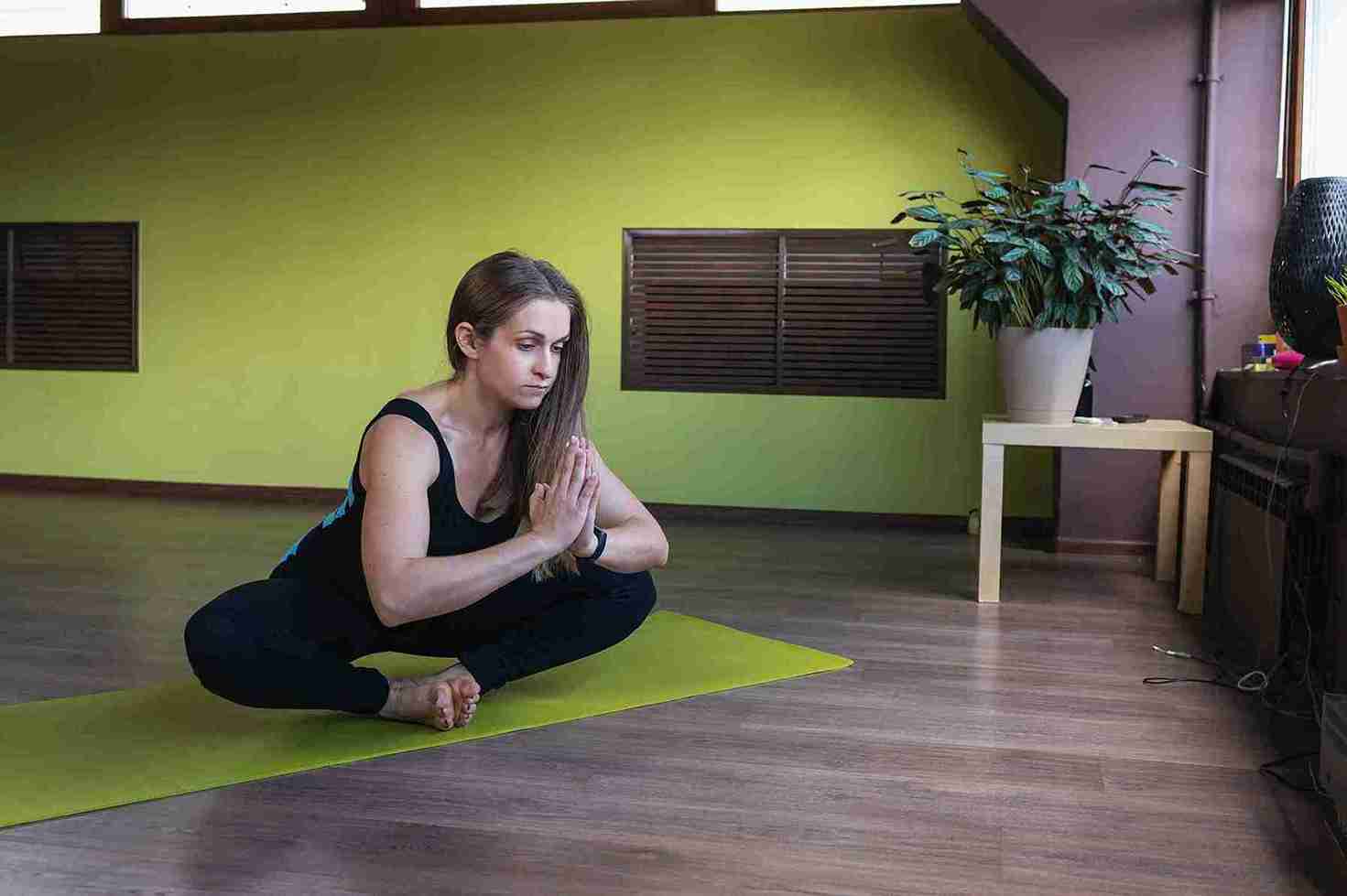
Many women hope that exercising during pregnancy will increase their chances of having a normal vaginal delivery. While exercise during pregnancy cannot guarantee how labour or birth will progress, staying active may help prepare your body for the physical demands of childbirth.
Regular activity can support:
Many factors influence the type of delivery, including your baby's position, your health and how labour progresses. Exercise is one part of a healthy pregnancy, but it should not be viewed as a guarantee of a particular birth outcome.
Staying active is encouraged during most pregnancies, but some activities may carry unnecessary risks and are generally best avoided unless your healthcare provider advises otherwise.
These include:
If you're unsure whether an activity is safe, it's always better to ask your obstetrician or physiotherapist before continuing.
A few simple precautions can help you get the most out of safe pregnancy workouts while reducing the risk of discomfort or injury.
Pregnancy is not the time to pursue personal bests or break fitness records. Focus on staying active in a way that feels safe and enjoyable.

While exercise during pregnancy is safe for most women, some symptoms should never be ignored.
Stop exercising and seek medical advice if you experience:
These symptoms do not always indicate a serious problem, but they should be assessed promptly by your healthcare provider. One of the simplest ways to judge whether you're exercising at the right intensity is the "talk test." During safe pregnancy workouts, you should generally be able to hold a conversation while exercising. If you're becoming extremely breathless, dizzy, overheated or uncomfortable, it's a sign to slow down or stop.
Some days you'll feel more energetic than others, and that's perfectly normal. Pregnancy is a time to work with your body, not against it.
You don't need an intensive workout routine to benefit from prenatal exercises. Regular walks, gentle stretching, pregnancy yoga or guided strength exercises can all contribute to a healthier pregnancy when they're appropriate for your individual situation.
Start slowly if you're new to exercise. Stay consistent rather than trying to do too much at once. Most importantly, choose activities you enjoy and continue to follow the advice of your obstetrician or physiotherapist throughout your pregnancy. Staying active isn't about achieving perfect fitness. It's about supporting your changing body, helping you feel your best and preparing for the journey ahead.

Want to consult the Best Gynecologists in India? Please find the links below.
Want to consult the Best Maternity Packages in India? Please find the links below.

Yes. For most women with an uncomplicated pregnancy, exercise during pregnancy is considered safe and is encouraged. However, every pregnancy is different, so it's important to discuss your exercise routine with your obstetrician before starting or continuing any programme.
Exercise cannot guarantee a normal vaginal delivery. However, staying active may improve endurance, muscle strength, flexibility and overall fitness, which can help prepare the body for labour and support recovery after birth.
In many uncomplicated pregnancies, healthcare providers recommend around 150 minutes of moderate-intensity activity per week, spread across several days. However, recommendations vary based on individual health, fitness levels and pregnancy-related conditions.
Activities with a high risk of falls or abdominal injury, contact sports, scuba diving and heavy lifting without guidance are generally avoided during pregnancy. Your doctor may also advise modifying certain exercises based on your stage of pregnancy and medical history.


 Best Gynecologists in Bellandur Best Gynecologists in Electronic City Best Gynecologists in HRBR LayoutBest Gynecologists in Jayanagar Best Gynecologists in Kanakapura RoadBest Gynecologists in Malleswaram Best Gynecologists in Nagarbhavi Best Gynecologists in Old Airport RoadBest Gynecologists in Sahakarnagar Best Gynecologists in Sarjapur RoadBest Gynecologists in ThanisandraBest Gynecologists in Varthur RoadBest Gynecologists in Whitefield Best Gynecologists in Industrial Area Phase IIBest Gynecologists in OMRBest Gynecologists in T NagarBest Gynecologists in New Industrial TownBest Gynecologists in IndirapuramBest Gynecologists in Golf Course RoadBest Gynecologists in Sector 14Best Gynecologists in Sector 47Best Gynecologists in Banjara HillsBest Gynecologists in GachibowliBest Gynecologists in Hitech CityBest Gynecologists in KompallyBest Gynecologists in Gomti NagarBest Gynecologists in MaladBest Gynecologists in NerulBest Gynecologists in VashiBest Gynecologists in Kailash ColonyBest Gynecologists in PatparganjBest Gynecologists in Punjabi BaghBest Gynecologists in VikaspuriBest Gynecologists in Gaur CityBest Gynecologists in Pari ChowkBest Gynecologists in Sector 51Best Gynecologists in Sector 5 Swastik ViharBest Gynecologists in Kalyani NagarBest Gynecologists in SB RoadBest Gynecologists in Pimple SaudagarBest Pediatricians in BellandurBest Pediatricians in Electronic CityBest Pediatricians in HRBR LayoutBest Pediatricians in JayanagarBest Pediatricians in Kanakapura RoadBest Pediatricians in MalleswaramBest Pediatricians in NagarbhaviBest Pediatricians in Old Airport RoadBest Pediatricians in SahakarnagarBest Pediatricians in Sarjapur RoadBest Pediatricians in ThanisandraBest Pediatricians in Varthur RoadBest Pediatricians in WhitefieldBest Pediatricians in Industrial Area Phase IIBest Pediatricians in OMRBest Pediatricians in T NagarBest Pediatricians in New Industrial TownshipBest Pediatricians in IndirapuramBest Pediatricians in Golf Course RoadBest Pediatricians in Sector 14Best Pediatricians in Sector 47Best Pediatricians in Hitech CityBest Pediatricians in Banjara HillsBest Pediatricians in GachibowliBest Pediatricians in KompallyBest Pediatricians in Gomti NagarBest Pediatricians in MaladBest Pediatricians in NerulBest Pediatricians in VashiBest Pediatricians in Kailash ColonyBest Pediatricians in PatparganjBest Pediatricians in Punjabi BaghBest Pediatricians in VikaspuriBest Pediatricians in Gaur CityBest Pediatricians in Pari ChowkBest Pediatricians in Sector 51Best Pediatricians in Sector 5 Swastik ViharBest Pediatricians in Kalyani NagarBest Pediatricians in SB RoadBest Pediatricians in Pimple Saudagar


