
A period that suddenly becomes irregular, unexplained weight changes, or feeling unusually tired for weeks can make you wonder what has changed in your body. Sometimes, these changes are linked to the thyroid, a small gland in the neck that helps regulate metabolism, energy, body temperature and other body functions.
Thyroid disorders can affect women during the reproductive years, pregnancy and after childbirth. The thyroid symptoms in female patients are not always obvious and may overlap with anaemia, PCOS or menopause. Hypothyroidism means the thyroid is underactive, while hyperthyroidism means it is overactive. Both require assessment rather than self-diagnosis.
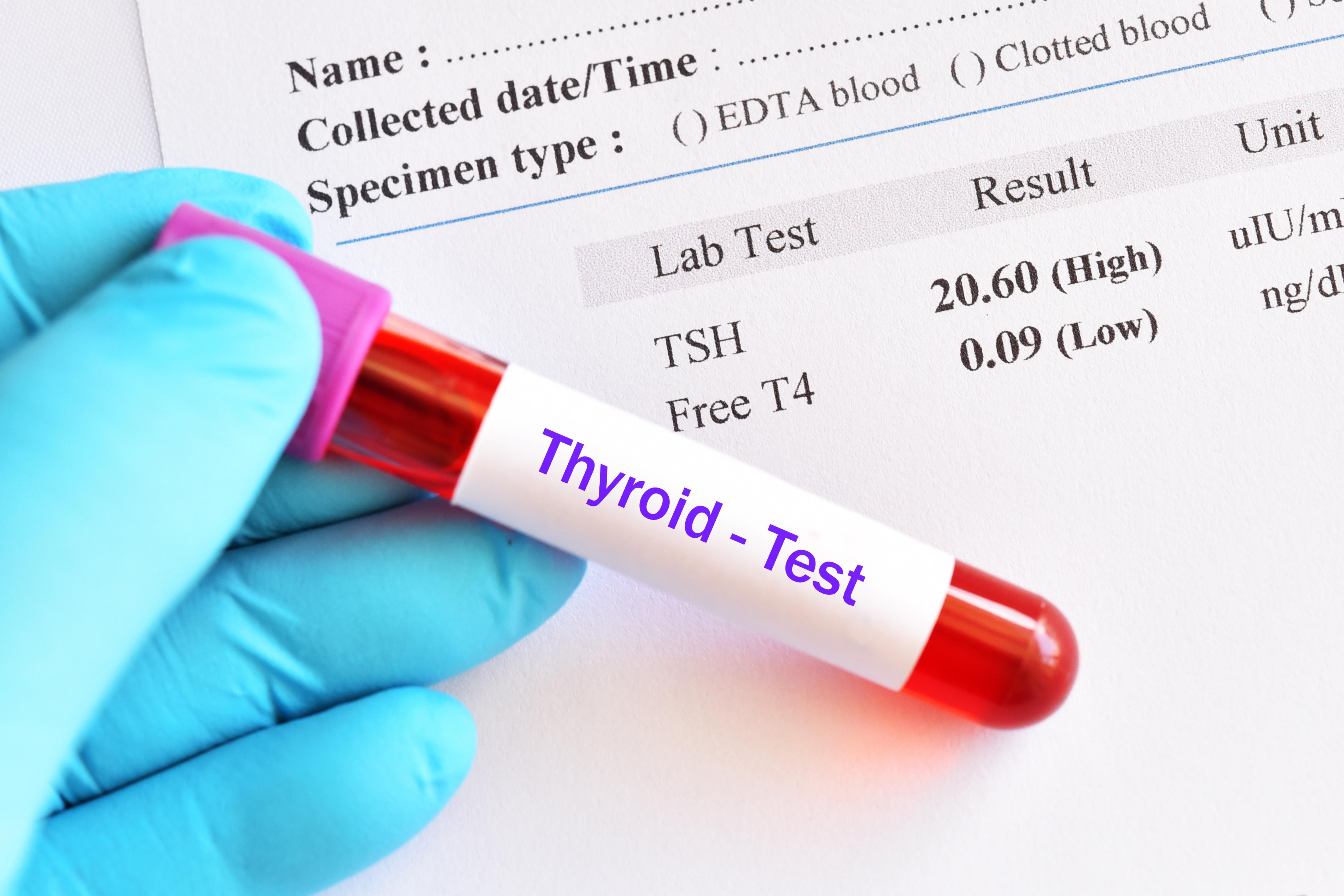
The thyroid is a small, butterfly-shaped gland in the neck that produces hormones called T4 and T3. These hormones help regulate metabolism, energy use, body temperature, heart rate and several other body functions. When the thyroid produces too little or too much hormone, it can affect how these processes work.
Symptoms of thyroid in females vary with the type and severity. A woman may have only some of these signs. Some common symptoms are:
Persistent symptoms occurring together deserve medical attention.
Common causes include:
The immune system may attack the thyroid, as in Hashimoto’s thyroiditis, or stimulate it, as in Graves’ disease.
Iodine is needed for thyroid hormone production. Both too little and too much can affect thyroid function. Iodised salt is an important source in India.
Thyroiditis can temporarily alter hormone levels and, in some forms, later cause hypothyroidism.
Most nodules do not produce excess hormone, but some can become overactive and need assessment.
Amiodarone and lithium can affect thyroid function.
Pregnancy increases thyroid hormone requirements. Postpartum thyroiditis can cause an overactive phase followed by an underactive phase.

Common causes of thyroid problems in females include:
Both underactive and overactive thyroid disorders can affect periods, making bleeding heavier, lighter, irregular, or absent.
Thyroid dysfunction can interfere with ovulation and affect conception. TSH may be checked during infertility evaluation.
Thyroid function is extremely significant during pregnancy. Thyroid disorder, if there is any, should be monitored more carefully and treated.
Postpartum thyroiditis can occur during the first year. Palpitations, unusual fatigue, anxiety, weight changes or later cold intolerance should not automatically be assumed to be normal postpartum changes.
Diagnosis involves symptoms, medical history, physical examination, and certain tests. These can include:
The TSH test is usually the primary blood test in thyroid testing. An elevated TSH level generally indicates hypothyroidism, while low levels are associated with hyperthyroidism. The results are considered based on the laboratory normal range and other findings.
The free T4 level determines the nature and severity of the dysfunction.
This test is used when there is suspicion of hyperthyroidism.
The thyroperoxidase (TPO) or TSH-receptor antibodies can help diagnose thyroid conditions.
Ultrasound may be advised for a neck swelling, lump or nodule. It assesses structure.

Treatment depends on the condition and hormone levels.
Levothyroxine is generally used to treat hypothyroidism while hyperthyroidism may require medicines that reduce thyroid hormone production. Dose adjustments should be under medical supervision.
Follow-up tests may be needed to check response and adjust medication.
Some nodules only need monitoring. Others may need imaging, biopsy or treatment depending on their features.
Pregnancy may require closer testing and medication adjustment. Do not stop or change thyroid medications without medical consultation.
A proper balanced diet and exercise can help to maintain good health. Avoid taking any excessive iodine supplements. Lifestyle measures do not replace required medication.
Note your signs of tiredness, changes in weight, hair loss, changes in stool (bowels) and periods. Discuss these with your doctor if these symptoms persist or occur together. Get testing if advised and review results with a healthcare professional.
See a doctor for persistent unexplained fatigue, significant weight changes, ongoing menstrual irregularities, difficulty conceiving, neck swelling, persistent palpitations or marked hair loss with other symptoms. New symptoms during pregnancy or after childbirth also deserve assessment. Chest pain, breathing difficulty or a very rapid or markedly irregular heartbeat needs prompt care.

Cloudnine’s gynaecology and endocrinology care combines symptom assessment, thyroid testing and further evaluation when needed, helping distinguish thyroid dysfunction from other health concerns. For women who are pregnant, planning pregnancy or experiencing thyroid changes after childbirth, monitoring can also be tailored to the stage of pregnancy or postpartum period. This helps ensure that treatment and follow-up are based on the individual’s thyroid condition rather than symptoms alone.
Thyroid disorders not only impact energy levels but also affect the menstrual cycle, fertility, mood, hair, digestion, weight gain or loss, and heart rate. When multiple such symptoms continue, getting evaluated can help identify the underlying cause. With appropriate treatment and regular monitoring, most thyroid disorders can be managed effectively, including during pregnancy and after childbirth.
Want to consult the Best Gynecologists in India? Please find the links below.
Want to consult the Best Maternity Packages in India? Please find the links below.

The early stage of hypothyroidism can be subclinical hypothyroidism, where TSH is above the laboratory reference range but free T4 remains normal. It does not occur in every thyroid disorder, and the decision to treat depends on the TSH level, symptoms, age, pregnancy status and other clinical factors.
Thyroid disorders can occur at any age, including childhood, reproductive years and older age. Women may also develop thyroid dysfunction during pregnancy or within the first year after childbirth. Family history and autoimmune conditions can increase the risk.
For most people with thyroid disease, there is no need to completely avoid specific everyday foods. Do not take unnecessary iodine supplements or products containing very high iodine amounts unless prescribed.
There is no particular fruit that treats thyroid disease. But fruits such as guava, orange, apple, papaya, berries and citrus fruits can be included as part of a balanced diet.


 Best Gynecologists in Bellandur Best Gynecologists in Electronic City Best Gynecologists in HRBR LayoutBest Gynecologists in Jayanagar Best Gynecologists in Kanakapura RoadBest Gynecologists in Malleswaram Best Gynecologists in Nagarbhavi Best Gynecologists in Old Airport RoadBest Gynecologists in Sahakarnagar Best Gynecologists in Sarjapur RoadBest Gynecologists in ThanisandraBest Gynecologists in Varthur RoadBest Gynecologists in Whitefield Best Gynecologists in Industrial Area Phase IIBest Gynecologists in OMRBest Gynecologists in T NagarBest Gynecologists in New Industrial TownBest Gynecologists in IndirapuramBest Gynecologists in Golf Course RoadBest Gynecologists in Sector 14Best Gynecologists in Sector 47Best Gynecologists in Banjara HillsBest Gynecologists in GachibowliBest Gynecologists in Hitech CityBest Gynecologists in KompallyBest Gynecologists in Gomti NagarBest Gynecologists in MaladBest Gynecologists in NerulBest Gynecologists in VashiBest Gynecologists in Kailash ColonyBest Gynecologists in PatparganjBest Gynecologists in Punjabi BaghBest Gynecologists in VikaspuriBest Gynecologists in Gaur CityBest Gynecologists in Pari ChowkBest Gynecologists in Sector 51Best Gynecologists in Sector 5 Swastik ViharBest Gynecologists in Kalyani NagarBest Gynecologists in SB RoadBest Gynecologists in Pimple SaudagarBest Pediatricians in BellandurBest Pediatricians in Electronic CityBest Pediatricians in HRBR LayoutBest Pediatricians in JayanagarBest Pediatricians in Kanakapura RoadBest Pediatricians in MalleswaramBest Pediatricians in NagarbhaviBest Pediatricians in Old Airport RoadBest Pediatricians in SahakarnagarBest Pediatricians in Sarjapur RoadBest Pediatricians in ThanisandraBest Pediatricians in Varthur RoadBest Pediatricians in WhitefieldBest Pediatricians in Industrial Area Phase IIBest Pediatricians in OMRBest Pediatricians in T NagarBest Pediatricians in New Industrial TownshipBest Pediatricians in IndirapuramBest Pediatricians in Golf Course RoadBest Pediatricians in Sector 14Best Pediatricians in Sector 47Best Pediatricians in Hitech CityBest Pediatricians in Banjara HillsBest Pediatricians in GachibowliBest Pediatricians in KompallyBest Pediatricians in Gomti NagarBest Pediatricians in MaladBest Pediatricians in NerulBest Pediatricians in VashiBest Pediatricians in Kailash ColonyBest Pediatricians in PatparganjBest Pediatricians in Punjabi BaghBest Pediatricians in VikaspuriBest Pediatricians in Gaur CityBest Pediatricians in Pari ChowkBest Pediatricians in Sector 51Best Pediatricians in Sector 5 Swastik ViharBest Pediatricians in Kalyani NagarBest Pediatricians in SB RoadBest Pediatricians in Pimple Saudagar


