


Hypothyroidism develops when the thyroid does not produce enough thyroid hormone, slowing processes throughout the body. In India, hypothyroidism is more common in women than men. Sometimes, symptoms may overlap with PCOS, menopause, pregnancy and other conditions, so symptoms alone cannot establish the diagnosis. Let's take a look at its symptoms, causes, testing, and treatment considerations that can help women understand when thyroid evaluation may be appropriate.
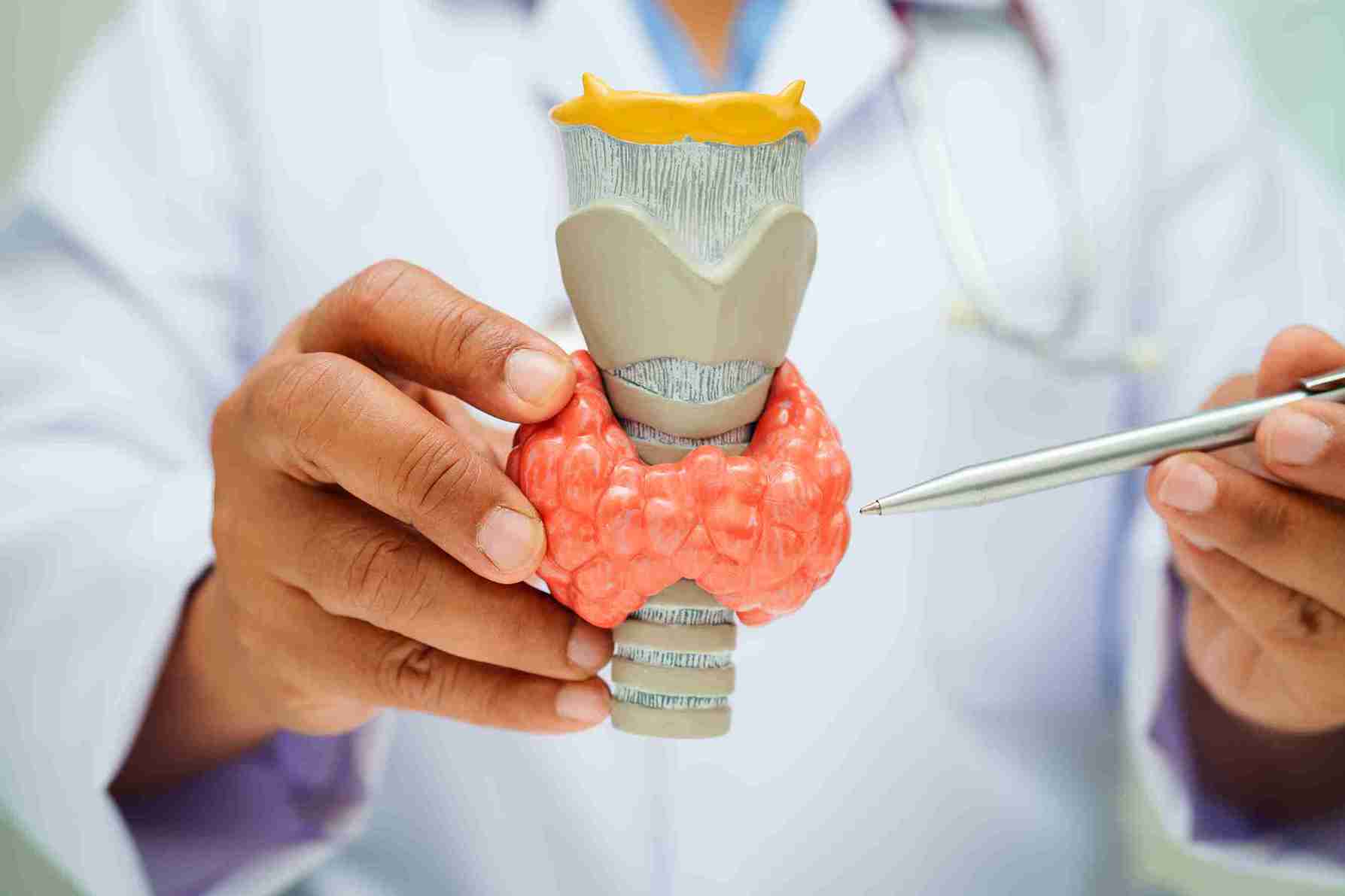
The thyroid produces T4 and T3, hormones involved in metabolism, energy, temperature and digestion. In primary hypothyroidism, the thyroid cannot produce enough hormone, so TSH usually rises. Overt hypothyroidism generally shows high TSH with low free T4, while subclinical hypothyroidism has high TSH with normal free T4.
Symptoms may develop gradually and do not always appear together.
Thyroid dysfunction may also affect reproductive function and ovulation.
Hypothyroidism can cause heavier or irregular periods and affect ovulation. Persistent menstrual changes or difficulty conceiving may warrant thyroid testing.
Pregnancy may change the thyroid hormone requirements, which requires more frequent and closer monitoring. TSH levels can be checked every 4-6 weeks up until mid-pregnancy. Postpartum thyroiditis may result in a temporary hyperthyroid phase followed by hypothyroidism.
Fatigue, weight changes and low mood can occur in both menopause and hypothyroidism. Thyroid testing can distinguish thyroid dysfunction from menopausal symptoms.
The symptoms of underactive thyroid in elderly female patients can be subtle. Tiredness, constipation, slower movement, low mood, and cognitive changes may occur.

The side effects of hypothyroidism in females can include raised cholesterol, cardiovascular risk, menstrual and fertility problems, depression, carpal tunnel syndrome and goitre. Severe untreated disease can rarely progress to myxoedema coma. Too much levothyroxine can cause palpitations, tremor, anxiety and insomnia and may contribute to bone loss or heart rhythm problems over time.
Common causes include:
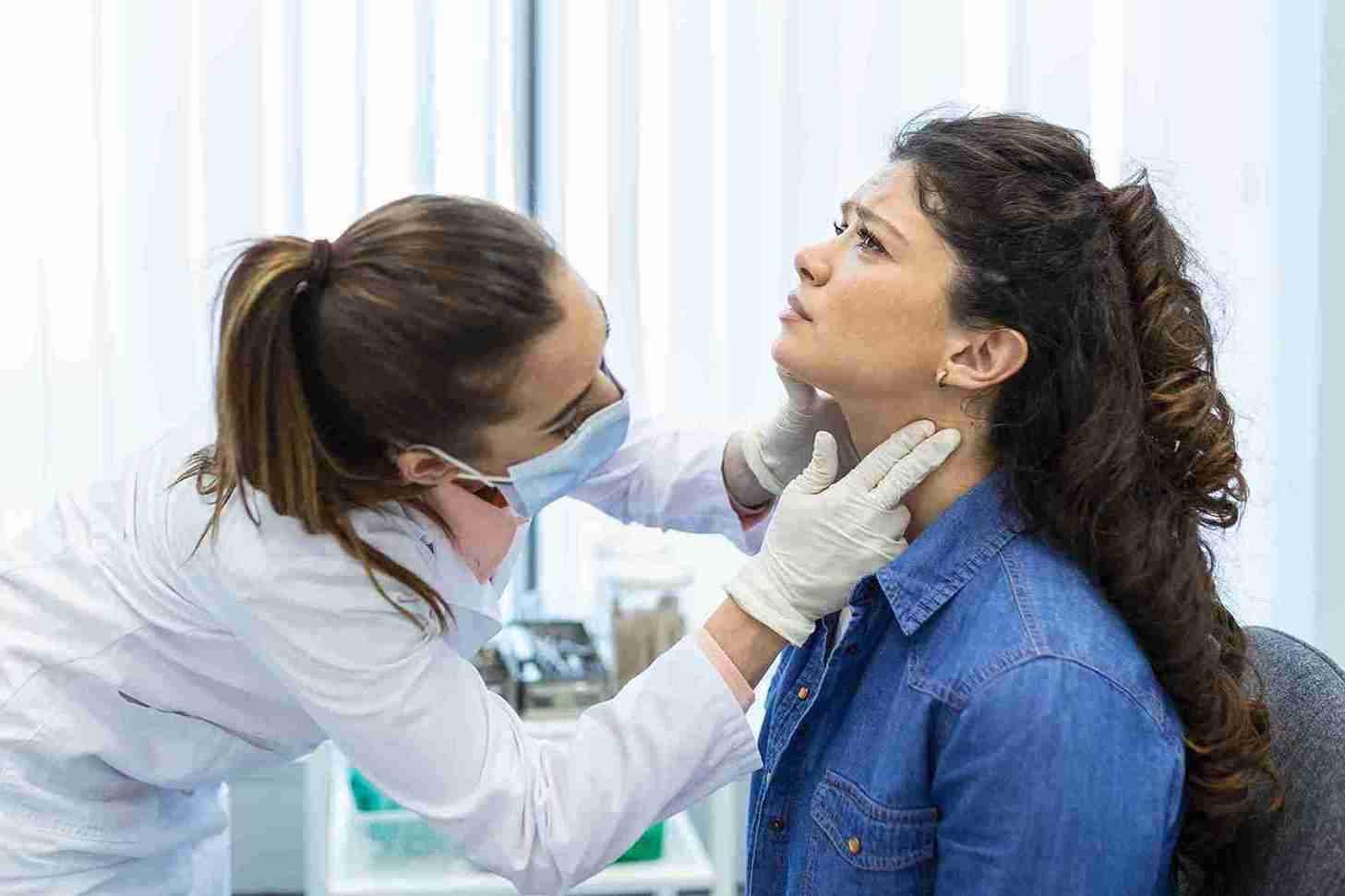
Consult a doctor for a thyroid test if fatigue, unexplained weight loss/gain, constipation, hair loss, persistent depressed mood or changes in menstruation occur without another clear explanation. Swelling of the neck, difficulty conceiving or pregnancy needs a medical assessment. Severe weakness, confusion or breathing difficulty also needs prompt assessment.
TSH is usually the first blood test for suspected primary hypothyroidism. If abnormal, free T4 determines whether it is overt or subclinical. Anti-TPO antibodies can support autoimmune thyroiditis when clinically indicated.
Pregnancy requires pregnancy-specific reference ranges.
Levothyroxine is the standard thyroid hormone replacement. It is generally taken consistently on an empty stomach, with the dose adjusted according to TSH, clinical context and pregnancy status. TSH is usually rechecked after a dose change. Treatment decisions for subclinical hypothyroidism consider TSH level, symptoms, age, pregnancy or fertility plans, thyroid antibodies and cardiovascular factors.
Cloudnine brings thyroid care into the wider context of women’s reproductive and hormonal health. Its gynaecology and maternity teams can assess thyroid concerns alongside menstrual irregularities, fertility, preconception planning, pregnancy and postpartum changes. This can help when symptoms overlap with PCOS, menopause or pregnancy. For women taking levothyroxine, thyroid function can be monitored during pregnancy and after delivery, with treatment adjusted when required. Results are interpreted alongside symptoms and life stage.
An underactive thyroid can affect several parts of daily life, but a diagnosis does not mean you have to live with these symptoms indefinitely. Once the thyroid problem is identified, the right treatment and regular monitoring can help restore hormone levels and improve symptoms over time.
If changes such as persistent tiredness, menstrual problems, weight changes or feeling unusually cold have been difficult to explain, getting them evaluated can provide clarity and a clear way forward. With appropriate care, hypothyroidism can be managed safely through different stages of life, including pregnancy and menopause.

Want to consult the Best Gynecologists in India? Please find the links below.
Want to consult the Best Maternity Packages in India? Please find the links below.

Confirmed hypothyroidism is usually treated with levothyroxine. The dose is individualised and monitored with thyroid function tests. Some causes may be temporary.
Low thyroid hormone can cause tiredness, feeling cold, weight gain, constipation, dry skin, hair thinning, muscle aches, low mood and slower thinking. Some women also develop heavier or irregular periods. Symptoms alone may not confirm hypothyroidism.
All forms of hypothyroidism cannot be prevented, especially autoimmune hypothyroidism. However, using adequately iodised salt may help prevent iodine deficiency. Excessive intake of iodine should be avoided without any medical advice, as it can affect thyroid function.
A balanced diet and activity support overall health but cannot replace thyroid hormone when the thyroid is underactive. Confirmed hypothyroidism generally requires levothyroxine.


 Best Gynecologists in Bellandur Best Gynecologists in Electronic City Best Gynecologists in HRBR LayoutBest Gynecologists in Jayanagar Best Gynecologists in Kanakapura RoadBest Gynecologists in Malleswaram Best Gynecologists in Nagarbhavi Best Gynecologists in Old Airport RoadBest Gynecologists in Sahakarnagar Best Gynecologists in Sarjapur RoadBest Gynecologists in ThanisandraBest Gynecologists in Varthur RoadBest Gynecologists in Whitefield Best Gynecologists in Industrial Area Phase IIBest Gynecologists in OMRBest Gynecologists in T NagarBest Gynecologists in New Industrial TownBest Gynecologists in IndirapuramBest Gynecologists in Golf Course RoadBest Gynecologists in Sector 14Best Gynecologists in Sector 47Best Gynecologists in Banjara HillsBest Gynecologists in GachibowliBest Gynecologists in Hitech CityBest Gynecologists in KompallyBest Gynecologists in Gomti NagarBest Gynecologists in Phase 3, Sector 58Best Gynecologists in MaladBest Gynecologists in NerulBest Gynecologists in VashiBest Gynecologists in Kailash ColonyBest Gynecologists in PatparganjBest Gynecologists in Punjabi BaghBest Gynecologists in VikaspuriBest Gynecologists in Gaur CityBest Gynecologists in Pari ChowkBest Gynecologists in Sector 51Best Gynecologists in Sector 5 Swastik ViharBest Gynecologists in Kalyani NagarBest Gynecologists in SB RoadBest Gynecologists in Pimple SaudagarBest Pediatricians in BellandurBest Pediatricians in Electronic CityBest Pediatricians in HRBR LayoutBest Pediatricians in JayanagarBest Pediatricians in Kanakapura RoadBest Pediatricians in MalleswaramBest Pediatricians in NagarbhaviBest Pediatricians in Old Airport RoadBest Pediatricians in SahakarnagarBest Pediatricians in Sarjapur RoadBest Pediatricians in ThanisandraBest Pediatricians in Varthur RoadBest Pediatricians in WhitefieldBest Pediatricians in Industrial Area Phase IIBest Pediatricians in OMRBest Pediatricians in T NagarBest Pediatricians in New Industrial TownshipBest Pediatricians in IndirapuramBest Pediatricians in Golf Course RoadBest Pediatricians in Sector 14Best Pediatricians in Sector 47Best Pediatricians in Hitech CityBest Pediatricians in Banjara HillsBest Pediatricians in GachibowliBest Pediatricians in KompallyBest Pediatricians in Gomti NagarBest Pediatricians in Phase 3, Sector 58Best Pediatricians in MaladBest Pediatricians in NerulBest Pediatricians in VashiBest Pediatricians in Kailash ColonyBest Pediatricians in PatparganjBest Pediatricians in Punjabi BaghBest Pediatricians in VikaspuriBest Pediatricians in Gaur CityBest Pediatricians in Pari ChowkBest Pediatricians in Sector 51Best Pediatricians in Sector 5 Swastik ViharBest Pediatricians in Kalyani NagarBest Pediatricians in SB RoadBest Pediatricians in Pimple Saudagar


