
Periods can be influenced by many lifestyle habits, including sleep, stress, diet, and exercise. Another factor that may affect menstrual health is alcohol consumption. While occasional drinking may not significantly affect everyone, some women notice changes in their cycle, cramps, mood, or bleeding patterns after drinking alcohol.
The connection between alcohol and period health is mainly related to hormones, hydration, and overall body balance. This article explains how alcohol may affect menstruation, whether it can delay or change periods, and what symptoms to watch for.

Many women wonder, "Does alcohol affect periods? Yes, in some cases, alcohol can cause changes in your hormones that affect your menstrual cycles.
Alcohol can change estrogen and progesterone levels. Both hormones play a vital role in controlling menstruation. Women have reported changes in their flow, cycle duration, moods, or cramping after drinking alcohol.
However, the effects of alcohol and period health can vary from person to person depending on overall health, drinking habits, stress levels, and hormonal balance.
There are several hormones responsible for regulating the menstrual cycle that can be influenced by alcohol consumption.
Drinking alcohol might lead to an estrogen surge in the bloodstream. High levels of this hormone can impact menstrual bleeding and bring about breast tenderness, bloating, and mood changes.
Chronic or heavy alcohol consumption might lead to hormonal imbalance and prevent ovulation. Irregular cycles might be caused by progesterone and ovulation issues.
Drinking might negatively impact sleeping quality, which, combined with stress hormones, can affect the regularity of the menstrual cycle and PMS.
Women often wonder, does drinking on your period make you bleed more? Sometimes, alcohol can result in heavier periods.
Consuming alcohol can cause dilation of the blood vessels. Additionally, some women might experience inflammation due to drinking, dehydration, and hormonal fluctuations.
Thus, whether drinking alcohol during the period makes you bleed more or less depends on many factors, including alcohol consumption volume and water intake.

If you have spotting or light bleeding after consuming alcohol, one question that may come to mind is does alcohol make your period come faster.
Alcohol-induced hormonal imbalance can sometimes affect the menstrual cycle, particularly when the body is stressed in some way. Sleep disturbances, dehydration, and hormonal imbalances can lead to early bleeding.
Still, not all women will experience early bleeding following alcohol consumption. Changes in their cycles can also happen if they are going through other stresses, such as travelling, getting sick, or other external causes.
A common concern is: why does my period stop when I drink alcohol?
Heavy alcohol use can interfere with the hormones that regulate ovulation and menstruation. Excessive drinking may place stress on the body and temporarily affect reproductive hormone balance, leading to lighter periods or missed cycles.
In some cases, women may notice irregular bleeding or temporary cycle disruption after binge drinking or chronic alcohol use. However, persistent missed periods should not be ignored, and a medical evaluation may be necessary to rule out hormonal or reproductive conditions.
Another common question is, how many days can alcohol delay your period?
Mild delays may occur due to hormonal disruption, stress, dehydration, or poor sleep associated with drinking. The number of delayed days varies from person to person.
For some women, periods may be delayed by only a few days, while heavy or long-term alcohol consumption may contribute to more noticeable irregularities. If you are repeatedly asking how many days alcohol can delay your period, tracking your cycle and consulting a doctor may help identify the underlying cause.
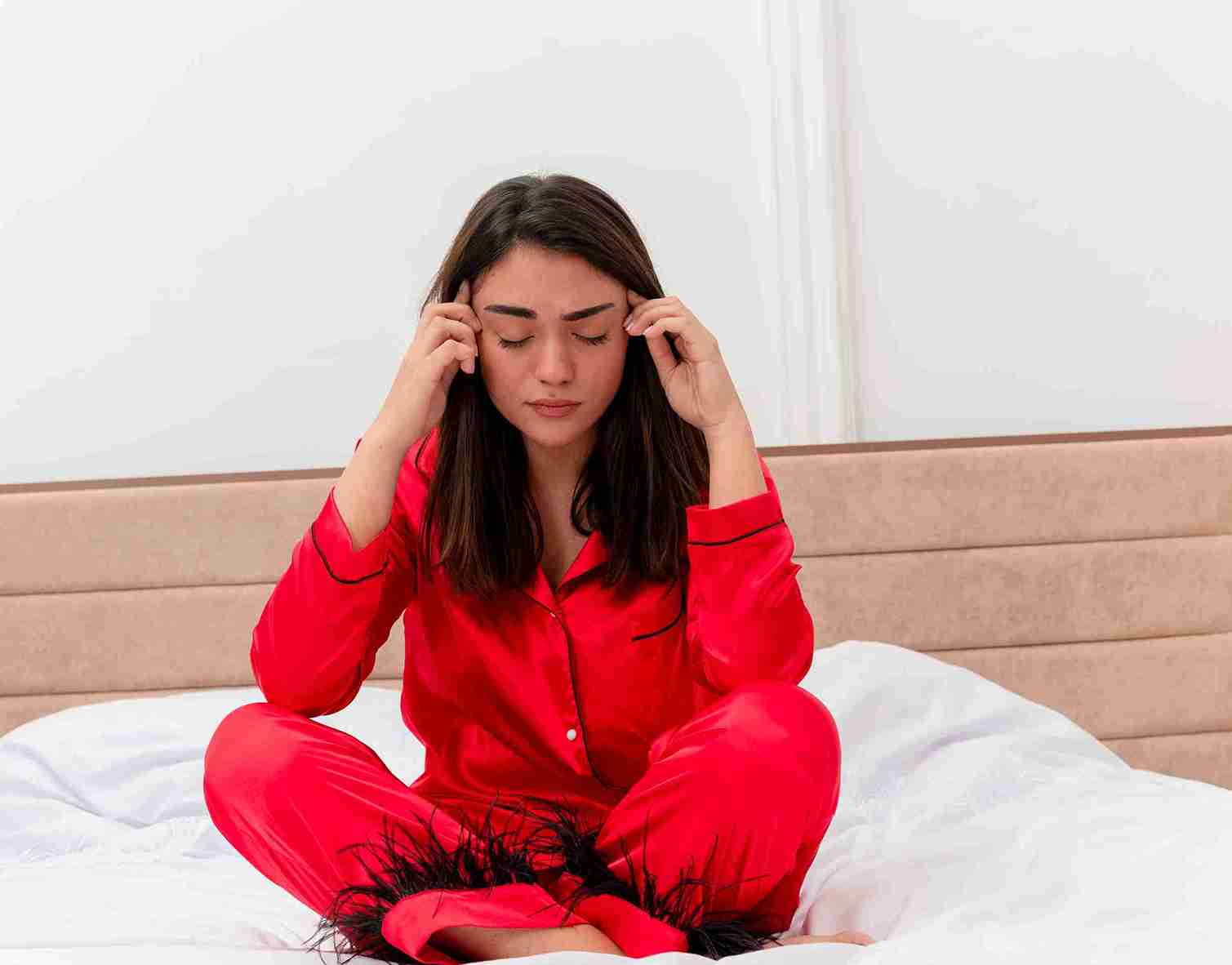
Alcohol may worsen several PMS-related symptoms, including:
Alcohol can increase dehydration and inflammation, both of which may intensify premenstrual discomfort.
While alcohol might give some individuals a sensation of momentary relaxation that could alleviate some muscle tightness, alcohol could also exacerbate dehydration and inflammation, possibly aggravating cramping.
The consumption of alcoholic beverages rich in sugar content may also promote bloating and abdominal pain throughout the period.
Consuming too much alcohol over a prolonged period may disrupt ovulation and fertility. In addition, alcohol could impact your hormones and menstruation cycle. These disruptions might, in the long run, result in ovulation irregularities or difficulties with conception.
For many women, occasional moderate drinking during periods may not cause major problems. However, staying hydrated and maintaining proper nutrition is important.
Excessive alcohol intake may worsen cramps, fatigue, headaches, bloating, and mood changes. Listening to your body and drinking responsibly can help reduce discomfort.
You should consult your doctor if you experience the following:
Cloudnine Hospitals provides comprehensive women’s healthcare support, including guidance on menstrual health, hormonal balance, and lifestyle-related reproductive concerns. With experienced gynaecologists and personalised care, Cloudnine helps women better understand how factors like stress, diet, sleep, and alcohol consumption may affect their menstrual cycles and overall well-being.
Alcohol can influence menstrual health in different ways, from affecting hormones and cycle timing to worsening PMS symptoms and cramps. While occasional drinking may not significantly impact everyone, excessive or frequent alcohol consumption can sometimes lead to irregular periods or heavier symptoms. Paying attention to your body, maintaining healthy habits, and seeking medical advice for persistent menstrual changes can help support better reproductive health.

Want to consult the best gynecologists in India? Please find the links below.
Want to consult the best Maternity Packages in India? Please find the links below.

The occasional consumption of alcohol may have little impact on some people, but too much may exacerbate period symptoms such as pain and bloating.
Alcohol may temporarily relax muscles, but it can also increase dehydration and inflammation later.
Alcohol intake might interfere with hormones that facilitate ovulation and menstruation, leading to irregular cycles.
Drinking alcohol is known to impact blood flow and vessel dilation in some people.







 Best Gynecologists in Bellandur Best Gynecologists in Electronic City Best Gynecologists in HRBR LayoutBest Gynecologists in Jayanagar Best Gynecologists in Kanakapura RoadBest Gynecologists in Malleswaram Best Gynecologists in Nagarbhavi Best Gynecologists in Old Airport RoadBest Gynecologists in Sahakarnagar Best Gynecologists in Sarjapur RoadBest Gynecologists in ThanisandraBest Gynecologists in Varthur RoadBest Gynecologists in Whitefield Best Gynecologists in Industrial Area Phase IIBest Gynecologists in OMRBest Gynecologists in T NagarBest Gynecologists in New Industrial TownBest Gynecologists in IndirapuramBest Gynecologists in Golf Course RoadBest Gynecologists in Sector 14Best Gynecologists in Sector 47Best Gynecologists in Banjara HillsBest Gynecologists in GachibowliBest Gynecologists in Hitech CityBest Gynecologists in KompallyBest Gynecologists in Jawahar NagarBest Gynecologists in Gomti NagarBest Gynecologists in Phase 3, Sector 58Best Gynecologists in MaladBest Gynecologists in NerulBest Gynecologists in VashiBest Gynecologists in Kailash ColonyBest Gynecologists in PatparganjBest Gynecologists in Punjabi BaghBest Gynecologists in RohiniBest Gynecologists in VikaspuriBest Gynecologists in Gaur CityBest Gynecologists in Pari ChowkBest Gynecologists in Sector 51Best Gynecologists in Sector 5 Swastik ViharBest Gynecologists in Kalyani NagarBest Gynecologists in SB RoadBest Gynecologists in Pimple SaudagarBest Pediatricians in BellandurBest Pediatricians in Electronic CityBest Pediatricians in HRBR LayoutBest Pediatricians in JayanagarBest Pediatricians in Kanakapura RoadBest Pediatricians in MalleswaramBest Pediatricians in NagarbhaviBest Pediatricians in Old Airport RoadBest Pediatricians in SahakarnagarBest Pediatricians in Sarjapur RoadBest Pediatricians in ThanisandraBest Pediatricians in Varthur RoadBest Pediatricians in WhitefieldBest Pediatricians in Industrial Area Phase IIBest Pediatricians in OMRBest Pediatricians in T NagarBest Pediatricians in New Industrial TownshipBest Pediatricians in IndirapuramBest Pediatricians in Golf Course RoadBest Pediatricians in Sector 14Best Pediatricians in Sector 47Best Pediatricians in Hitech CityBest Pediatricians in Banjara HillsBest Pediatricians in GachibowliBest Pediatricians in KompallyBest Pediatricians in Jawahar NagarBest Pediatricians in Gomti NagarBest Pediatricians in Phase 3, Sector 58Best Pediatricians in MaladBest Pediatricians in NerulBest Pediatricians in VashiBest Pediatricians in Kailash ColonyBest Pediatricians in PatparganjBest Pediatricians in Punjabi BaghBest Pediatricians in RohiniBest Pediatricians in VikaspuriBest Pediatricians in Gaur CityBest Pediatricians in Pari ChowkBest Pediatricians in Sector 51Best Pediatricians in Sector 5 Swastik ViharBest Pediatricians in Kalyani NagarBest Pediatricians in SB RoadBest Pediatricians in Pimple Saudagar


