





Identical twins capture everyone's attention: family, friends, even strangers at the supermarket. But once the early excitement fades, parents face very real, everyday questions. Are both children meeting their milestones? Why is one walking while the other is not? Should they be talking by now? Is it normal for twins to develop their own private language?
Child development in twins follows the same broad path as in single-born children, but with enough differences to know what to expect. This guide covers what is typical, what to watch for, and when to seek advice.
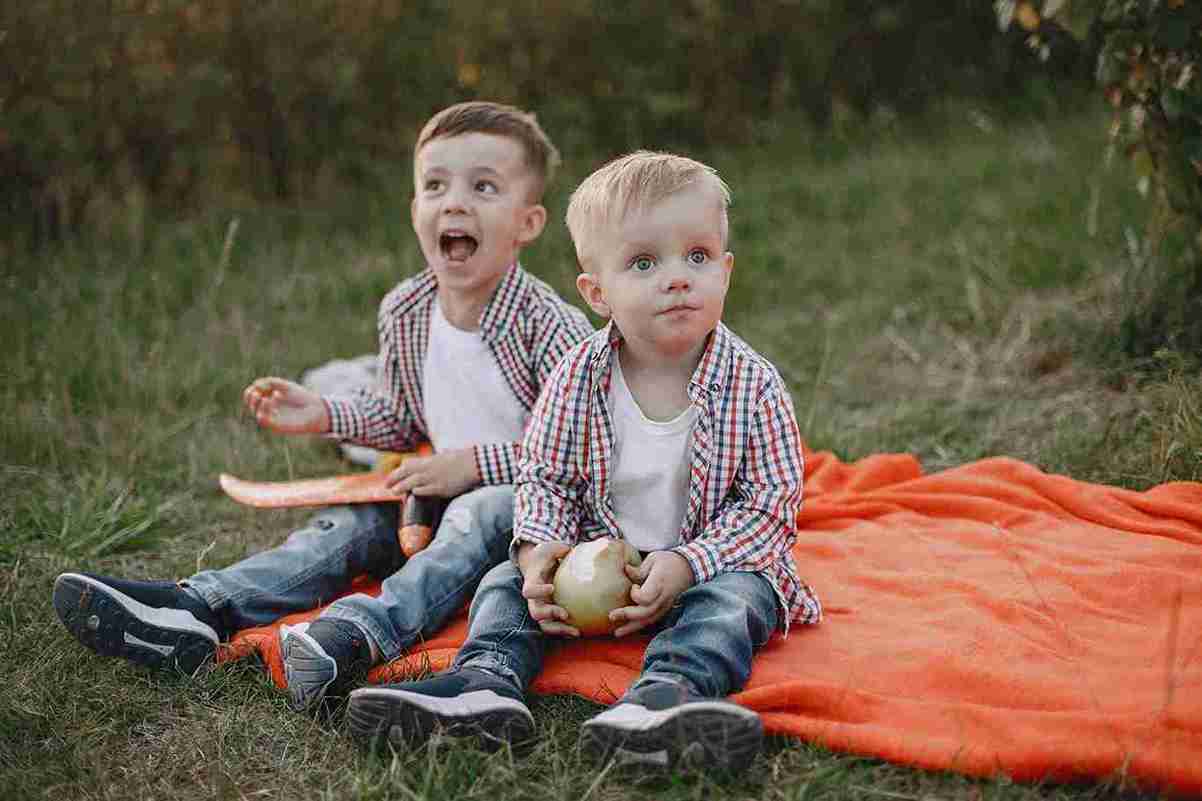
Identical twins come from one fertilised egg that splits. They share 100% of identical DNA. Even though they share the same DNA structure, they are far from identical in terms of growth. speech, and behaviour. Their development is largely influenced by environmental factors, as well as the conditions of their birth and their specific placement in the womb.
One important thing to understand early: identical twins are more likely to be born premature and at a lower birth weight than single babies. Premature birth affects the nervous system, muscle tone, and brain development, all of which influence when and how a child reaches their early milestones. When tracking twins’ developmental milestones, doctors often use the corrected age (age calculated from the due date, not the actual birth date) rather than chronological age for babies born early.
For full-term identical twins, the broad milestones are similar to those for single children. But there is naturally more variation between the two twins than you might expect.
Most twins sit without support around 6 to 8 months, pull to stand by 9 to 12 months, and walk between 12 and 18 months. One twin may walk weeks before the other. This is very typical and usually nothing to worry about.
Being able to enjoy each other's company right from the beginning is one of the major benefits of having identical twins. There is always someone there who understands you perfectly and shares the experience; that's really good when you are trying to learn communication skills. At the same time, this could make twins less interactive with others.
Problem-solving, memory, and learning tend to follow the usual timeline in identical twins development. What changes is how they learn; twins often learn from and with each other. One twin figuring something out can accelerate the other.
The main thing to remember is that twins developmental milestones should not be compared between the two. Each child is an individual. Comparing them to each other is a trap many parents fall into, and it rarely leads anywhere helpful.
This is the area where identical twins most consistently differ from single children, and it is worth understanding why. Speech delay in twins is well-documented. Studies show twins are more likely to talk later than single children, and there are a few reasons for this.
● First, twins share parental attention. A parent of one child gives that child the bulk of their verbal interaction, narrating, responding, and asking questions. With two babies, that one-on-one talking time is naturally divided. Less direct verbal input means slower language development, on average.
● Second, twins develop what researchers call "twin language" or idioglossia, a private communication system that only they understand. It might look like babble to everyone else, but they are genuinely communicating with each other. While this is fascinating, it can reduce the push to learn standard language, since they are already getting their needs met.
● Third, prematurity, which is more common in twins, affects speech development. A premature baby's auditory processing and oral motor skills mature more slowly.
What counts as a speech delay? By 12 months, children should be saying one or two words. By 24 months, most children put two words together. If your twin is not meeting these markers even after accounting for prematurity, bring it up with your paediatrician. Early speech therapy makes a significant difference and is widely available globally.
One parent tip that works: make time for one-on-one conversations with each twin, separately, every day. Even 10 to 15 minutes of undivided verbal interaction per child adds up over weeks and months.
Not necessarily, and this surprises many parents. Identical twins share the same DNA, but personality is shaped by far more than genetics. How each twin is positioned in the womb, which twin gets more parental interaction, early experiences, and even small differences in how they are spoken to, all of these shape who they become.
Many parents of identical twins notice clear personality differences from very early on. One may be more vocal, the other more observant. One may take risks more readily, the other hangs back. These differences tend to become more pronounced as the children grow.
Identical twins' development, in terms of personality and behaviour, is a mix of shared traits and individual ones. Treating twins as individuals, through occasional different clothing, separate friendships, and independent activities as they grow, supports healthy personal identity development.
Some developmental differences between twins are normal. But certain signs warrant a conversation with a specialist, regardless of whether it is one twin or both. See a paediatrician or developmental specialist if either twin:
● Is not sitting without support by 9 months (corrected age for premature twins)
● Is not walking by 18 months
● Has no words at 12 months or no two-word phrases by 24 months
● Does not make eye contact or respond to their name
● Loses skills they had previously developed
Speech delay in twins, if caught before age three, responds very well to speech therapy. Physiotherapy and occupational therapy are similarly effective for motor delays when started early.
● Talk to each twin separately: Talk as often as possible, not just as a pair
● Read to them daily: Even short sessions with picture books build vocabulary
● Do not compare: One twin to the other when tracking twins' developmental milestones
● Encourage individual interests: Let each child explore what they enjoy
● Make playdates with other children: So they can build friendships outside of each other
● Keep paediatrician visits regular: Routine developmental screening catches issues early

Raising identical twins is one of the more remarkable experiences a parent can have. The journey comes with double the joy and a fair share of questions. Most of what looks like a delay in child development in twins turns out to be within the range of normal. But when something feels off, trust that instinct and get it checked early. The earlier a concern is caught, the more options you have.
1. top pediatricians in hyderabad
2. best child specialist in bangalore
3. best child specialist doctor in chennai
4. Top pediatricians near me in chandigarh
5. top child specialist in fariabad
6. best pediatricians in gurugram
7. best pediatricians near me in ludhiana
8. top pediatricians in lucknow
9. best child specialist in new delhi
10. best child specialist doctor in mumbai
11. Top pediatricians near me in panchkula
12. top child specialist in pune
13. best pediatricians in noida

They can, especially in speech. Twins share parental attention and often develop their own private communication with each other, which can slow standard language development. Premature birth, which is more common in twins, also affects early milestones. That said, most twins catch up fully by school age. Tracking twins' developmental milestones using corrected age (for premature twins) gives a more accurate picture.
Yes, speech delay in twins is more common than in single children. Divided parental attention, twin language, and premature birth all play a role. If your twin has no words by 12 months or no two-word phrases by 24 months, speak to your paediatrician.
Not always. Identical twins share DNA, but personality is shaped by experience, environment, and how each child is nurtured. Many parents notice clear differences from the first few months. Identical twins' personality and temperament development can vary quite a bit, even when they look exactly alike. Treating them as individuals from an early age supports healthy development for both.
They are more common in twins than in single children, mainly because of the higher rate of premature birth. Prematurity affects muscle tone, brain development, and language. However, most delays in child development in twins are mild and respond well to early intervention. Regular paediatrician check-ups and developmental screening are the best way to catch concerns early and address them.


 Best Gynecologists in Bellandur Best Gynecologists in Electronic City Best Gynecologists in HRBR LayoutBest Gynecologists in Jayanagar Best Gynecologists in Kanakapura RoadBest Gynecologists in Malleswaram Best Gynecologists in Nagarbhavi Best Gynecologists in Old Airport RoadBest Gynecologists in Sahakarnagar Best Gynecologists in Sarjapur RoadBest Gynecologists in ThanisandraBest Gynecologists in Varthur RoadBest Gynecologists in Whitefield Best Gynecologists in Industrial Area Phase IIBest Gynecologists in OMRBest Gynecologists in T NagarBest Gynecologists in New Industrial TownBest Gynecologists in IndirapuramBest Gynecologists in Golf Course RoadBest Gynecologists in Sector 14Best Gynecologists in Sector 47Best Gynecologists in Banjara HillsBest Gynecologists in GachibowliBest Gynecologists in Hitech CityBest Gynecologists in KompallyBest Gynecologists in Gomti NagarBest Gynecologists in Phase 3, Sector 58Best Gynecologists in MaladBest Gynecologists in NerulBest Gynecologists in VashiBest Gynecologists in Kailash ColonyBest Gynecologists in PatparganjBest Gynecologists in Punjabi BaghBest Gynecologists in VikaspuriBest Gynecologists in Gaur CityBest Gynecologists in Pari ChowkBest Gynecologists in Sector 51Best Gynecologists in Sector 5 Swastik ViharBest Gynecologists in Kalyani NagarBest Gynecologists in SB RoadBest Gynecologists in Pimple SaudagarBest Pediatricians in BellandurBest Pediatricians in Electronic CityBest Pediatricians in HRBR LayoutBest Pediatricians in JayanagarBest Pediatricians in Kanakapura RoadBest Pediatricians in MalleswaramBest Pediatricians in NagarbhaviBest Pediatricians in Old Airport RoadBest Pediatricians in SahakarnagarBest Pediatricians in Sarjapur RoadBest Pediatricians in ThanisandraBest Pediatricians in Varthur RoadBest Pediatricians in WhitefieldBest Pediatricians in Industrial Area Phase IIBest Pediatricians in OMRBest Pediatricians in T NagarBest Pediatricians in New Industrial TownshipBest Pediatricians in IndirapuramBest Pediatricians in Golf Course RoadBest Pediatricians in Sector 14Best Pediatricians in Sector 47Best Pediatricians in Hitech CityBest Pediatricians in Banjara HillsBest Pediatricians in GachibowliBest Pediatricians in KompallyBest Pediatricians in Gomti NagarBest Pediatricians in Phase 3, Sector 58Best Pediatricians in MaladBest Pediatricians in NerulBest Pediatricians in VashiBest Pediatricians in Kailash ColonyBest Pediatricians in PatparganjBest Pediatricians in Punjabi BaghBest Pediatricians in VikaspuriBest Pediatricians in Gaur CityBest Pediatricians in Pari ChowkBest Pediatricians in Sector 51Best Pediatricians in Sector 5 Swastik ViharBest Pediatricians in Kalyani NagarBest Pediatricians in SB RoadBest Pediatricians in Pimple Saudagar


