
Bleeding during pregnancy can be worrying, no matter when it happens. While there are several possible reasons for bleeding, two conditions that often cause confusion are placenta previa and placental abruption. Although both are important pregnancy complications that can affect the health of the mother and baby, they are not the same condition.
Understanding the difference won't help you diagnose the cause yourself, but it can help you recognise why any bleeding during pregnancy should be assessed by a healthcare professional without delay.
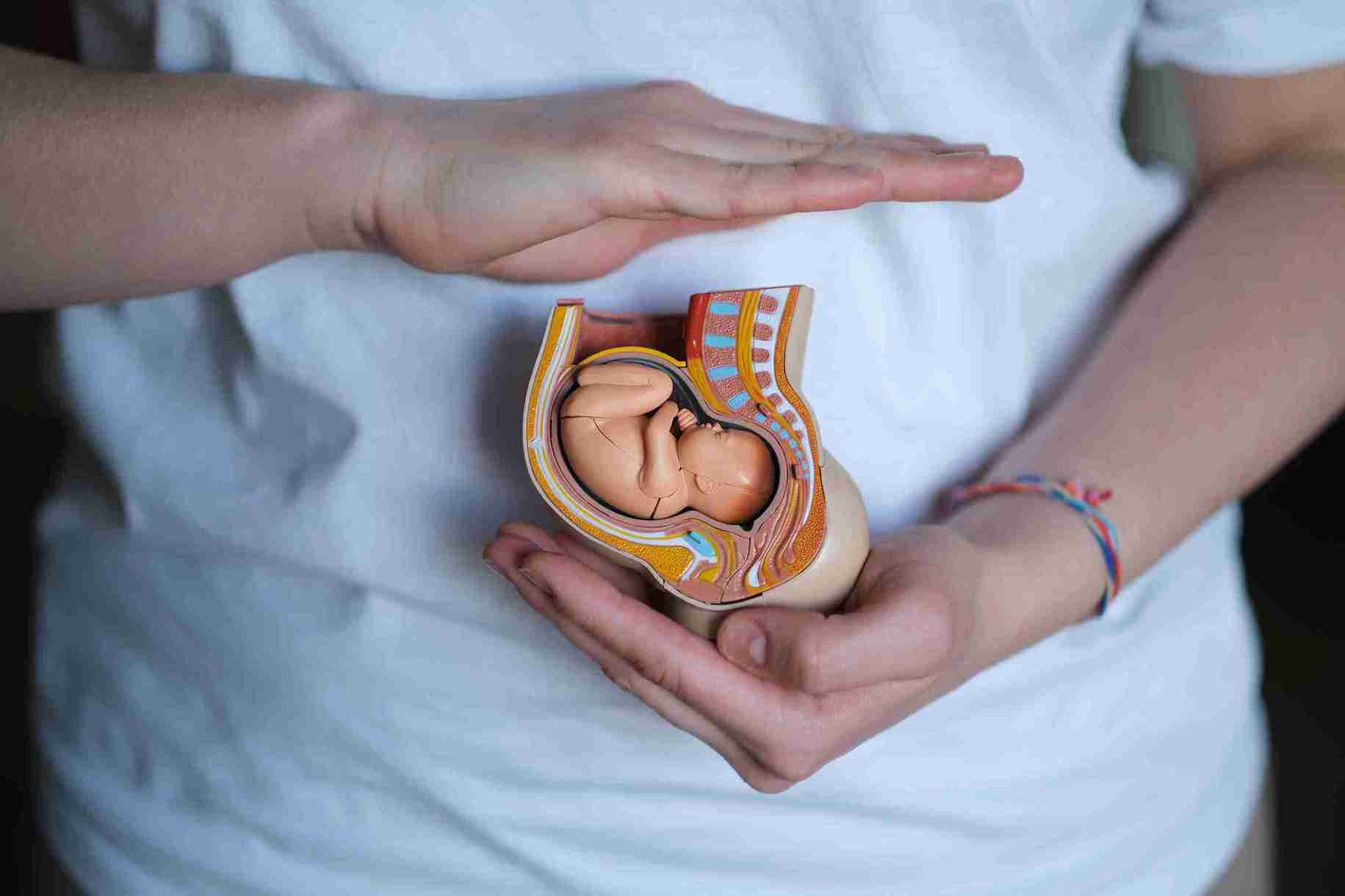
The placenta is an organ that develops during pregnancy to support your baby's growth. It supplies oxygen and nutrients to the baby while removing waste products through the umbilical cord.
In most pregnancies, the placenta develops and functions normally throughout pregnancy. However, complications can occur if the placenta is positioned unusually or separates from the wall of the uterus before the baby is born. Two examples are placenta previa and placental abruption.
Although placenta previa and placental abruption are different conditions, both can cause bleeding during pregnancy, and both require prompt medical assessment. It isn't possible to identify the cause based on symptoms alone, so any bleeding during pregnancy should always be discussed with your healthcare provider.
Placenta previa occurs when the placenta is positioned low in the uterus and partially or completely covers the cervix, which is the opening to the birth canal. The most common symptom is painless vaginal bleeding during the second half of pregnancy. Some women may have no symptoms, and the condition is detected during a routine ultrasound examination.
Depending on how much of the cervix is covered, your obstetrician will monitor the pregnancy closely and discuss the safest plan for delivery.
In many cases, yes. When a low-lying placenta is identified earlier in pregnancy, it may move upwards as the uterus expands. This means that some women who are diagnosed with placenta previa during the second trimester no longer have the condition later in pregnancy.
For this reason, your doctor may recommend follow-up ultrasound scans to check the position of the placenta as your pregnancy progresses. If the placenta continues to cover the cervix closer to delivery, a Caesarean birth may be recommended.
Placental abruption occurs when the placenta separates partially or completely from the wall of the uterus before the baby is born.
Unlike placenta previa, this condition often causes vaginal bleeding along with sudden abdominal pain, back pain or contractions. In some cases, bleeding may be hidden inside the uterus, which means the amount of visible bleeding does not always reflect the severity of the condition. Because the placenta plays a vital role in supplying oxygen and nutrients to the baby, placental abruption requires urgent medical assessment and treatment.
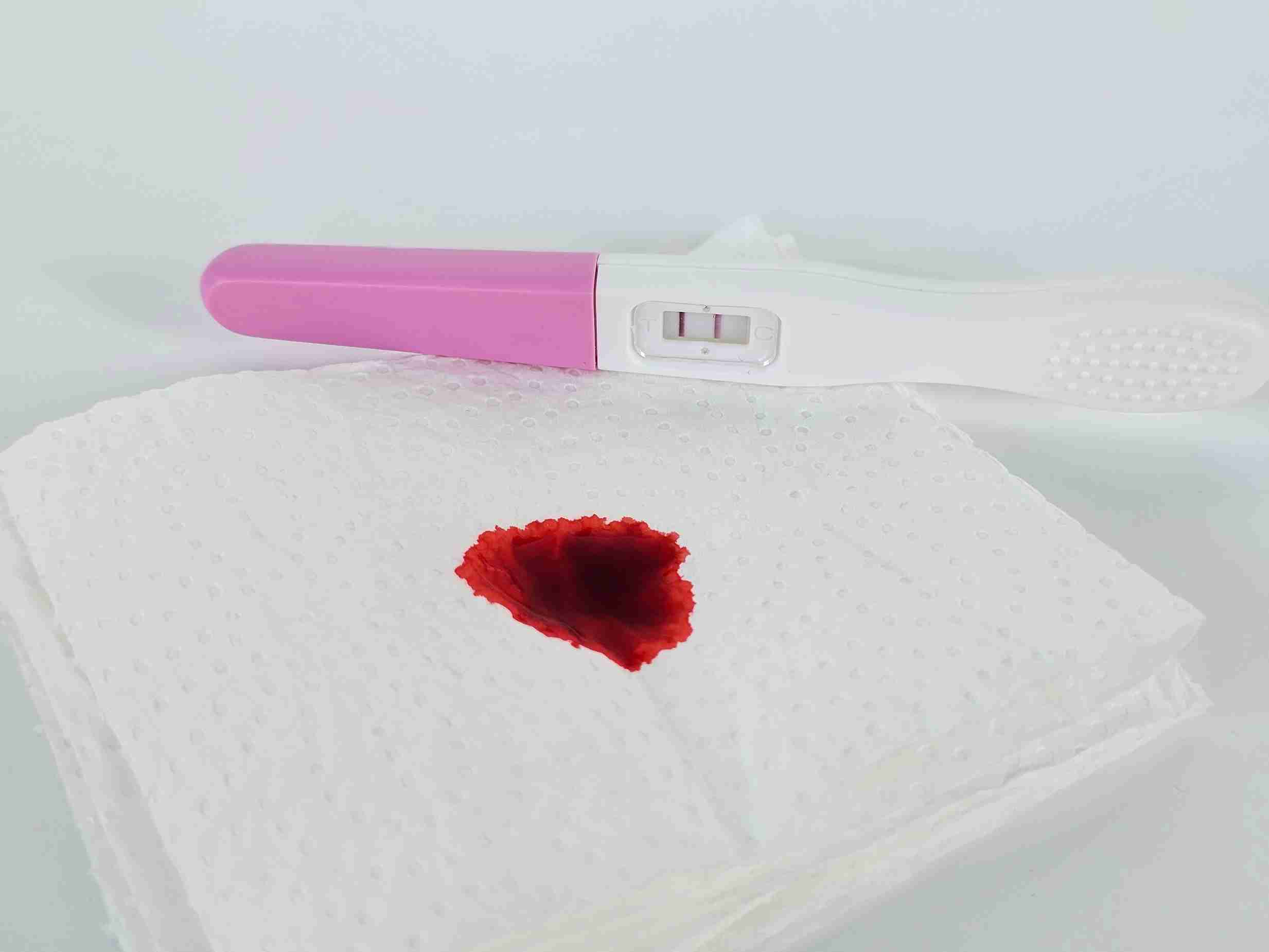
Not every episode of bleeding during pregnancy is caused by placenta previa or placental abruption. Light bleeding can occur for several reasons, including cervical changes, infections or other pregnancy-related conditions.
However, bleeding during pregnancy should never be ignored, even if it stops quickly or is not accompanied by pain. Prompt medical assessment helps identify the cause and determine whether any treatment or monitoring is needed. If you notice vaginal bleeding at any stage of pregnancy, contact your healthcare provider or visit your nearest emergency department without delay.
Some women have a higher chance of developing these pregnancy complications, although they can also occur in women with no known risk factors.
Risk Factors for Placenta Previa
● Had a previous Caesarean birth.
● Had placenta previa in an earlier pregnancy.
● Had previous surgery involving the uterus.
● A multiple pregnancy, such as twins or triplets.
Risk Factors for Placental Abruption
● High blood pressure during pregnancy.
● Smoking.
● Abdominal trauma, such as from a fall or road traffic accident.
● A previous placental abruption.
● Multiple pregnancy.
Having one or more risk factors does not mean these conditions will occur. It simply means your pregnancy may require closer monitoring as part of high-risk pregnancy care.
Your doctor will begin by asking about your symptoms and examining you carefully. Depending on the situation, investigations may include:
● An ultrasound scan to assess the placenta and the baby's well-being.
● Monitoring the baby's heart rate.
● Blood tests, if significant bleeding has occurred.
Placenta previa is usually confirmed with ultrasound. Placental abruption is sometimes diagnosed based on symptoms and clinical findings because it may not always be visible on an ultrasound scan.
The treatment plan depends on several factors, including the amount of bleeding, how far the pregnancy has progressed, and the health of both mother and baby. For placenta previa, management may involve regular monitoring, limiting certain activities when advised, and planning the safest time and mode of delivery. If the placenta continues to cover the cervix later in pregnancy, a Caesarean birth is usually recommended.
For placental abruption, treatment depends on the severity of the separation and the baby's condition. Some women require close monitoring, while others may need urgent delivery if the mother's or baby's health is at risk. Your obstetric team will recommend the most appropriate treatment based on your individual circumstances.
Seek urgent medical attention if you experience:
● Vaginal bleeding during pregnancy.
● Sudden or severe abdominal pain.
● Persistent back pain with bleeding.
● Fluid leaking from the vagina.
● Painful contractions that do not settle.
● Reduced fetal movements after they have become regular.
● Feeling faint or unwell after bleeding.
These symptoms do not always indicate placenta previa or placental abruption, but they should always be assessed promptly.

Not every pregnancy complication can be prevented, and experiencing bleeding during pregnancy does not always mean something serious is wrong. The most important step is to attend your regular antenatal appointments, follow your obstetrician's advice and seek medical care promptly if you notice any warning signs.
Understanding conditions such as placenta previa and placental abruption can help you recognise when urgent assessment is needed. Early evaluation allows your healthcare team to provide the most appropriate care for both you and your baby.
Want to consult the best gynecologists in India? Please find the links below.
Want to consult the best Maternity Packages in India? Please find the links below.

Yes. Placental abruption is considered an obstetric emergency because it can affect both the mother's health and the baby's oxygen supply. If placental abruption is suspected, immediate medical assessment is essential.
Yes, in many cases. When a low-lying placenta is identified earlier in pregnancy, it may move upwards as the uterus grows. Follow-up ultrasound scans help determine whether the placenta has moved away from the cervix later in pregnancy.
The most common symptom is painless vaginal bleeding during the second half of pregnancy. Some women have no symptoms, and placenta previa is detected during a routine ultrasound examination.
The exact cause is not always known. However, placental abruption is associated with factors such as high blood pressure, abdominal trauma, smoking, multiple pregnancy and a previous placental abruption.







 Best Gynecologists in Bellandur Best Gynecologists in Electronic City Best Gynecologists in HRBR LayoutBest Gynecologists in Jayanagar Best Gynecologists in Kanakapura RoadBest Gynecologists in Malleswaram Best Gynecologists in Nagarbhavi Best Gynecologists in Old Airport RoadBest Gynecologists in Sahakarnagar Best Gynecologists in Sarjapur RoadBest Gynecologists in ThanisandraBest Gynecologists in Varthur RoadBest Gynecologists in Whitefield Best Gynecologists in Industrial Area Phase IIBest Gynecologists in OMRBest Gynecologists in T NagarBest Gynecologists in New Industrial TownBest Gynecologists in IndirapuramBest Gynecologists in Golf Course RoadBest Gynecologists in Sector 14Best Gynecologists in Sector 47Best Gynecologists in Banjara HillsBest Gynecologists in GachibowliBest Gynecologists in Hitech CityBest Gynecologists in KompallyBest Gynecologists in Gomti NagarBest Gynecologists in MaladBest Gynecologists in NerulBest Gynecologists in VashiBest Gynecologists in Kailash ColonyBest Gynecologists in PatparganjBest Gynecologists in Punjabi BaghBest Gynecologists in VikaspuriBest Gynecologists in Gaur CityBest Gynecologists in Pari ChowkBest Gynecologists in Sector 51Best Gynecologists in Sector 5 Swastik ViharBest Gynecologists in Kalyani NagarBest Gynecologists in SB RoadBest Gynecologists in Pimple SaudagarBest Pediatricians in BellandurBest Pediatricians in Electronic CityBest Pediatricians in HRBR LayoutBest Pediatricians in JayanagarBest Pediatricians in Kanakapura RoadBest Pediatricians in MalleswaramBest Pediatricians in NagarbhaviBest Pediatricians in Old Airport RoadBest Pediatricians in SahakarnagarBest Pediatricians in Sarjapur RoadBest Pediatricians in ThanisandraBest Pediatricians in Varthur RoadBest Pediatricians in WhitefieldBest Pediatricians in Industrial Area Phase IIBest Pediatricians in OMRBest Pediatricians in T NagarBest Pediatricians in New Industrial TownshipBest Pediatricians in IndirapuramBest Pediatricians in Golf Course RoadBest Pediatricians in Sector 14Best Pediatricians in Sector 47Best Pediatricians in Hitech CityBest Pediatricians in Banjara HillsBest Pediatricians in GachibowliBest Pediatricians in KompallyBest Pediatricians in Gomti NagarBest Pediatricians in MaladBest Pediatricians in NerulBest Pediatricians in VashiBest Pediatricians in Kailash ColonyBest Pediatricians in PatparganjBest Pediatricians in Punjabi BaghBest Pediatricians in VikaspuriBest Pediatricians in Gaur CityBest Pediatricians in Pari ChowkBest Pediatricians in Sector 51Best Pediatricians in Sector 5 Swastik ViharBest Pediatricians in Kalyani NagarBest Pediatricians in SB RoadBest Pediatricians in Pimple Saudagar


