
Walk into almost any home with a toddler today, and, sadly, you will find a phone or tablet part of the daily routine. It can be either at mealtimes or during car rides, to keep the child occupied while parents manage the household. Screens have become part of how young children are managed, and for most families, this happened gradually without much thought.
But over the last few years, paediatricians and speech therapists across the country have been raising a concern: children are coming in for speech assessments at younger ages, and screen time and language development are increasingly being connected in ways that parents should be aware of.
Does this mean screens cause speech delay? The answer is not black-and-white, but the evidence is concerning enough to warrant serious consideration.

Before getting into screens, it helps to understand how speech and language actually develop. Children do not learn language by listening passively. They learn it through back-and-forth interaction, what researchers call serve and return.
A baby babbles. A parent responds. The baby babbles again. The parent names something. The baby imitates. This constant loop of interaction, along with eye contact, facial expressions, and real-time responses, is what builds language. It is not just about hearing words. It is about being in a conversation, even before the child can speak.
This is why reading to a child, talking to them during everyday tasks, and playing together without distraction are so effective for language development. The child is an active participant, not just a listener.
A screen talks to a child, not with one. No matter how educational the content, a video cannot respond to what your child just said, read their expression, or slow down when the child looks confused. The interaction is entirely one-directional.
Research has consistently shown that children learn words and language far better through live human interaction than through a screen, even when the same words and content are presented in both formats. This is sometimes called the video deficit effect. Toddlers under two years are particularly affected by this because the part of the brain that processes language is still in its most sensitive developmental window.
Screen time effects on child speech development become more significant when:
Background TV is especially important to highlight. Even when a toddler is playing, and the TV is on in the background, it disrupts the natural back-and-forth of parent-child interaction. Parents talk less, respond less, and make less eye contact with their child when a screen is on nearby.
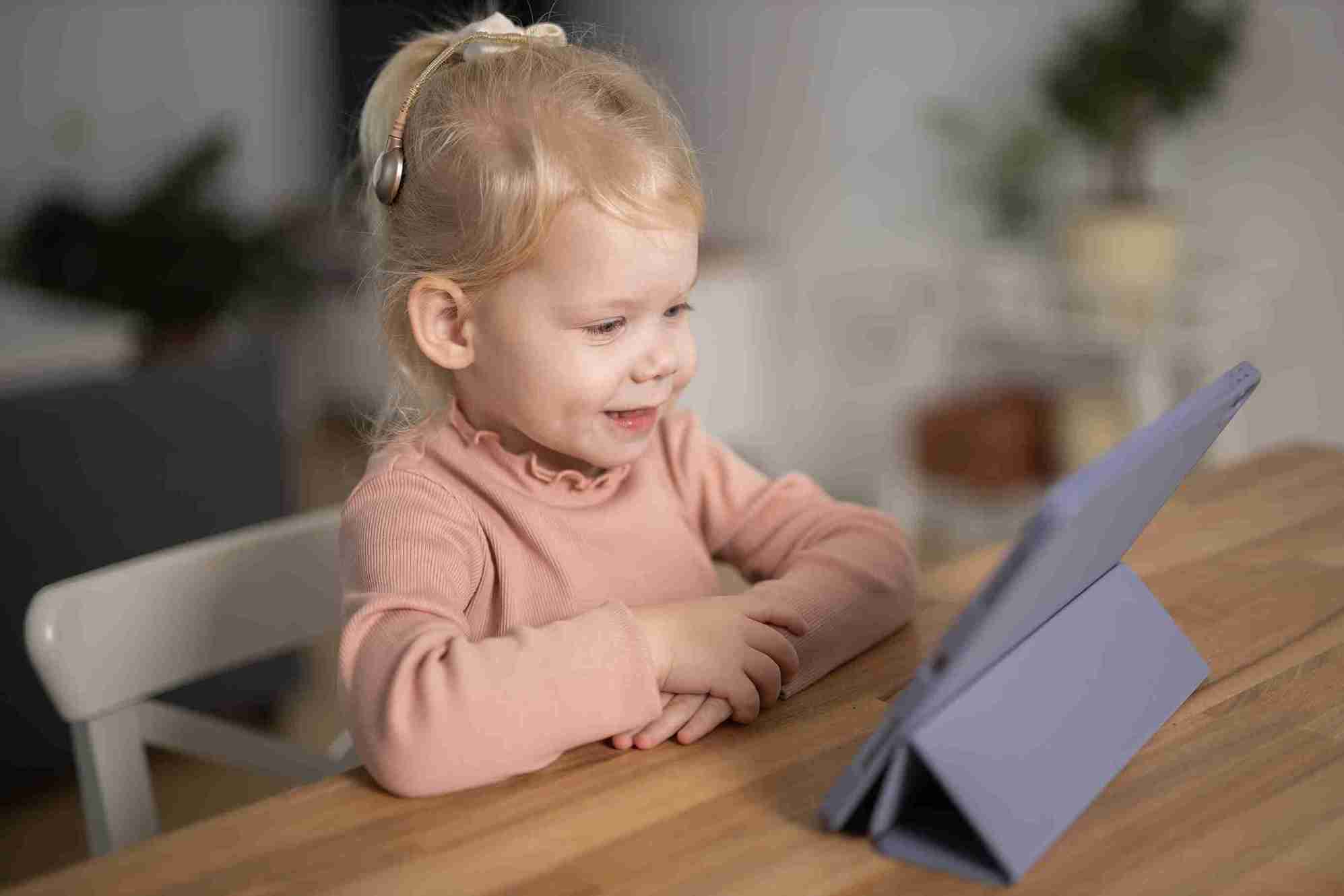
Several studies have examined the link between screen time and toddler speech delay. A large Canadian study found that every 30-minute increase in daily screen time at 18 months was associated with a higher risk of speech delay by age two.
As per the recommendation of the Indian Academy of Paediatrics, there should be no screen time at all for children under 2, and no more than 1 hour per day for children aged 2-5. These guidelines exist for a reason: the first 2-3 years of life are a critical window for language acquisition, and what fills that time matters enormously.
Knowing the signs helps parents act early. Toddler speech delay does not always look the same, but red flags include:
If the child is showing signs of delay, the first question is not always which specialist to see; it is what is filling the child's day. For many families, replacing even one hour of screen time with interactive activity makes a noticeable difference within weeks.
What supports language development:
Talking during everyday tasks: Narrate what you are doing, "I am cutting the vegetables now," "let us wash our hands." This builds vocabulary naturally without needing a separate activity.
Reading picture books together: Even short sessions daily of 5-10 minutes expose children to vocabulary they would not hear in everyday conversation. Point to pictures, ask simple questions, and let the child respond however they can.
Playing without screens: Simple play like stacking blocks, rolling a ball, and pretend cooking all involve constant verbal interaction. These moments build language in ways that passive screen viewing cannot.
Reducing background TV: Switch off the television whenever it’s not in use or being watched. The quiet that follows is not empty; it is an invitation for the child to communicate.
One-on-one time without phones: When you are with your toddler, put your phone face down. Even a parent scrolling on a phone while the child plays nearby reduces the quality and quantity of interaction.
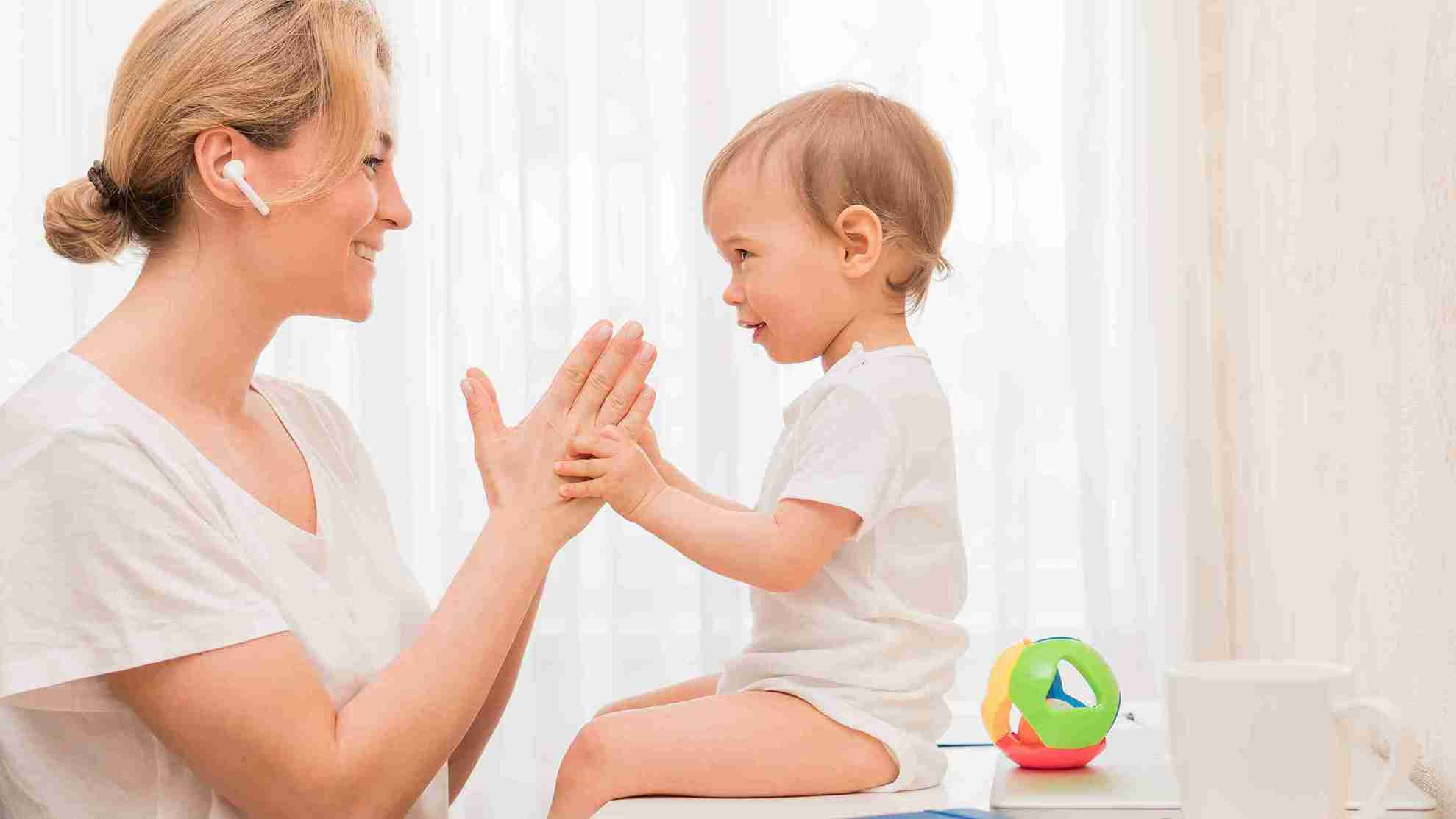
For children whose speech delay is primarily linked to excessive screen time and limited interaction, yes, reducing screen time and increasing face-to-face interaction can and does improve language development. Many parents and speech therapists report clear progress within 2-3 months of consistently making these changes.
However, if a child has not caught up after three to four months of reduced screen time and increased interaction, or if the delay is significant for their age, a speech therapy assessment is the right next step. A speech therapist can properly assess whether there is an underlying cause and put together a structured programme.
Hearing should also be checked. A child who cannot hear well will struggle to develop language regardless of screen time. A basic hearing assessment can be done at most paediatric hospitals in India and should should be among the initial steps when speech delay is suspected.
Screens are not going away, and the goal is not to create guilt around every minute of screen time. The goal is awareness, understanding that the first two to three years of a child's life are a window that does not stay open forever, and that what fills that time shapes how language develops. Less screen time, more conversation, more play. It really is that straightforward.

Want to consult the best pediatrician in India? Please find the links below

Excessive screen time can contribute to toddler speech delay, mainly because it replaces the face-to-face interaction children need to develop language. Screens talk to children rather than with them. It does not build back-and-forth communication skills, which language development depends on. The risk is highest in children under two and those with more than two hours of daily screen exposure. It is a contributing factor, not always the sole cause.
According to the Indian Academy of Paediatrics, children under two years old should have no screen time at all. It has also specified that screen time can be no more than one hour per day for children aged 2-5. Screen time effects on child speech development are most significant in the early years when the brain is in its most sensitive language window. Video calls with family members are a different matter; they involve real interaction and are not subject to the same concerns as passive screen viewing.
Key signs of toddler speech delay include no babbling by 12 months, no single words by 16 months, no two-word combinations by 24 months, not following simple instructions by 18 to 24 months, and losing words or skills previously gained. Poor response to their name or to sounds, and limited use of gestures like pointing or waving by 12 months, are also early warning signs. Any regression in skills should be assessed promptly.
Yes, for many children. When screen time is reduced and replaced with talking, reading, and interactive play, language development often picks up noticeably within two to three months. Screen time and language development are closely linked in the early years, and removing this barrier helps children get the language practice they need.







 Best Gynecologists in Bellandur Best Gynecologists in Electronic City Best Gynecologists in HRBR LayoutBest Gynecologists in Jayanagar Best Gynecologists in Kanakapura RoadBest Gynecologists in Malleswaram Best Gynecologists in Nagarbhavi Best Gynecologists in Old Airport RoadBest Gynecologists in Sahakarnagar Best Gynecologists in Sarjapur RoadBest Gynecologists in ThanisandraBest Gynecologists in Varthur RoadBest Gynecologists in Whitefield Best Gynecologists in Industrial Area Phase IIBest Gynecologists in OMRBest Gynecologists in T NagarBest Gynecologists in New Industrial TownBest Gynecologists in IndirapuramBest Gynecologists in Golf Course RoadBest Gynecologists in Sector 14Best Gynecologists in Sector 47Best Gynecologists in Banjara HillsBest Gynecologists in GachibowliBest Gynecologists in Hitech CityBest Gynecologists in KompallyBest Gynecologists in Gomti NagarBest Gynecologists in MaladBest Gynecologists in NerulBest Gynecologists in VashiBest Gynecologists in Kailash ColonyBest Gynecologists in PatparganjBest Gynecologists in Punjabi BaghBest Gynecologists in VikaspuriBest Gynecologists in Gaur CityBest Gynecologists in Pari ChowkBest Gynecologists in Sector 51Best Gynecologists in Sector 5 Swastik ViharBest Gynecologists in Kalyani NagarBest Gynecologists in SB RoadBest Gynecologists in Pimple SaudagarBest Pediatricians in BellandurBest Pediatricians in Electronic CityBest Pediatricians in HRBR LayoutBest Pediatricians in JayanagarBest Pediatricians in Kanakapura RoadBest Pediatricians in MalleswaramBest Pediatricians in NagarbhaviBest Pediatricians in Old Airport RoadBest Pediatricians in SahakarnagarBest Pediatricians in Sarjapur RoadBest Pediatricians in ThanisandraBest Pediatricians in Varthur RoadBest Pediatricians in WhitefieldBest Pediatricians in Industrial Area Phase IIBest Pediatricians in OMRBest Pediatricians in T NagarBest Pediatricians in New Industrial TownshipBest Pediatricians in IndirapuramBest Pediatricians in Golf Course RoadBest Pediatricians in Sector 14Best Pediatricians in Sector 47Best Pediatricians in Hitech CityBest Pediatricians in Banjara HillsBest Pediatricians in GachibowliBest Pediatricians in KompallyBest Pediatricians in Gomti NagarBest Pediatricians in MaladBest Pediatricians in NerulBest Pediatricians in VashiBest Pediatricians in Kailash ColonyBest Pediatricians in PatparganjBest Pediatricians in Punjabi BaghBest Pediatricians in VikaspuriBest Pediatricians in Gaur CityBest Pediatricians in Pari ChowkBest Pediatricians in Sector 51Best Pediatricians in Sector 5 Swastik ViharBest Pediatricians in Kalyani NagarBest Pediatricians in SB RoadBest Pediatricians in Pimple Saudagar


