
Many women are shocked to discover they have low AMH but regular periods, especially when they have no obvious fertility issues. Regular menstrual cycles often create a sense of reassurance, but they do not always reflect the true picture of ovarian reserve.
Anti-Müllerian Hormone (AMH) levels are increasingly used in fertility assessments, and low values can raise concerns about future conception. However, low AMH does not automatically mean infertility. Many women still conceive naturally or with minimal medical support. What it does influence is fertility planning and time sensitivity, rather than making pregnancy impossible.
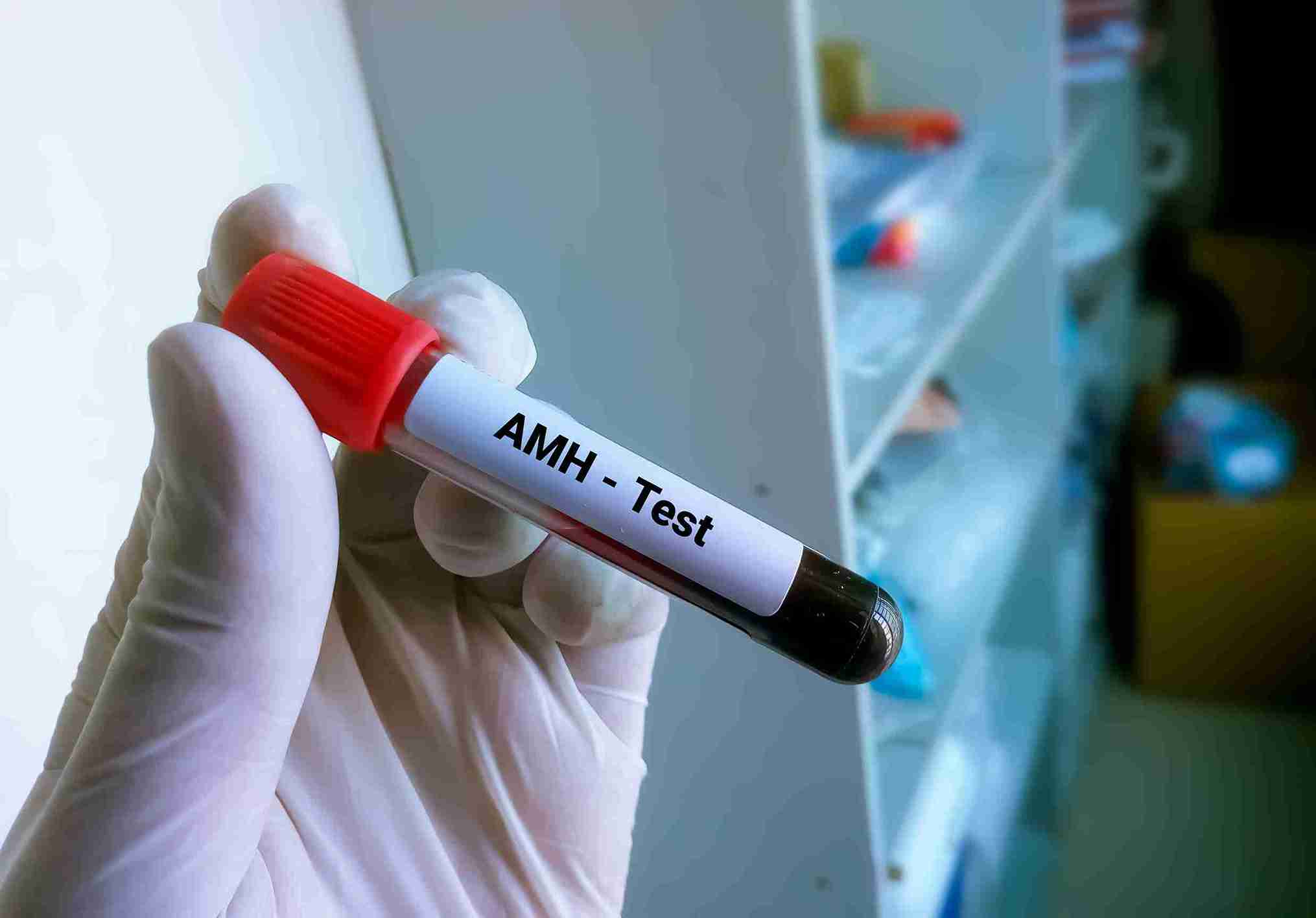
Anti-Müllerian Hormone (AMH) is a hormone produced by follicles of the ovaries. This is the hormone that is most frequently used as a marker of ovarian reserve – the number of eggs present in the ovaries of a woman.
AMH testing is done through a simple blood test and can be taken at any time during the menstrual cycle. It is widely used because it provides a fairly stable indicator of egg quantity, unlike other hormones that fluctuate monthly.
AMH interpretation depends on the patient’s age as follows:
It is important to note that AMH reflects egg quantity, not egg quality.
A low AMH level means that the woman has fewer eggs in her ovaries, or diminished ovarian reserve. Nevertheless, a low AMH level does not indicate that the woman stops ovulating or will not get pregnant.
Fertility relies significantly on the quality of eggs, which, in turn, depends heavily on the age of the woman. In fact, even a woman with a low AMH level will be able to produce good eggs and conceive if she is relatively young.
Among possible reasons for diminished ovarian reserve there are:

Yes, low AMH with regular periods is quite common. This is probably one of the biggest misconceptions surrounding fertility health.
Having regular periods indicates that ovulation is taking place, but low AMH is an indication that there isn’t much in terms of egg reserve left in the ovaries.
The truth is, many women will only realise that they have low AMH when they try to conceive. They are going to have normal menstrual periods all along.
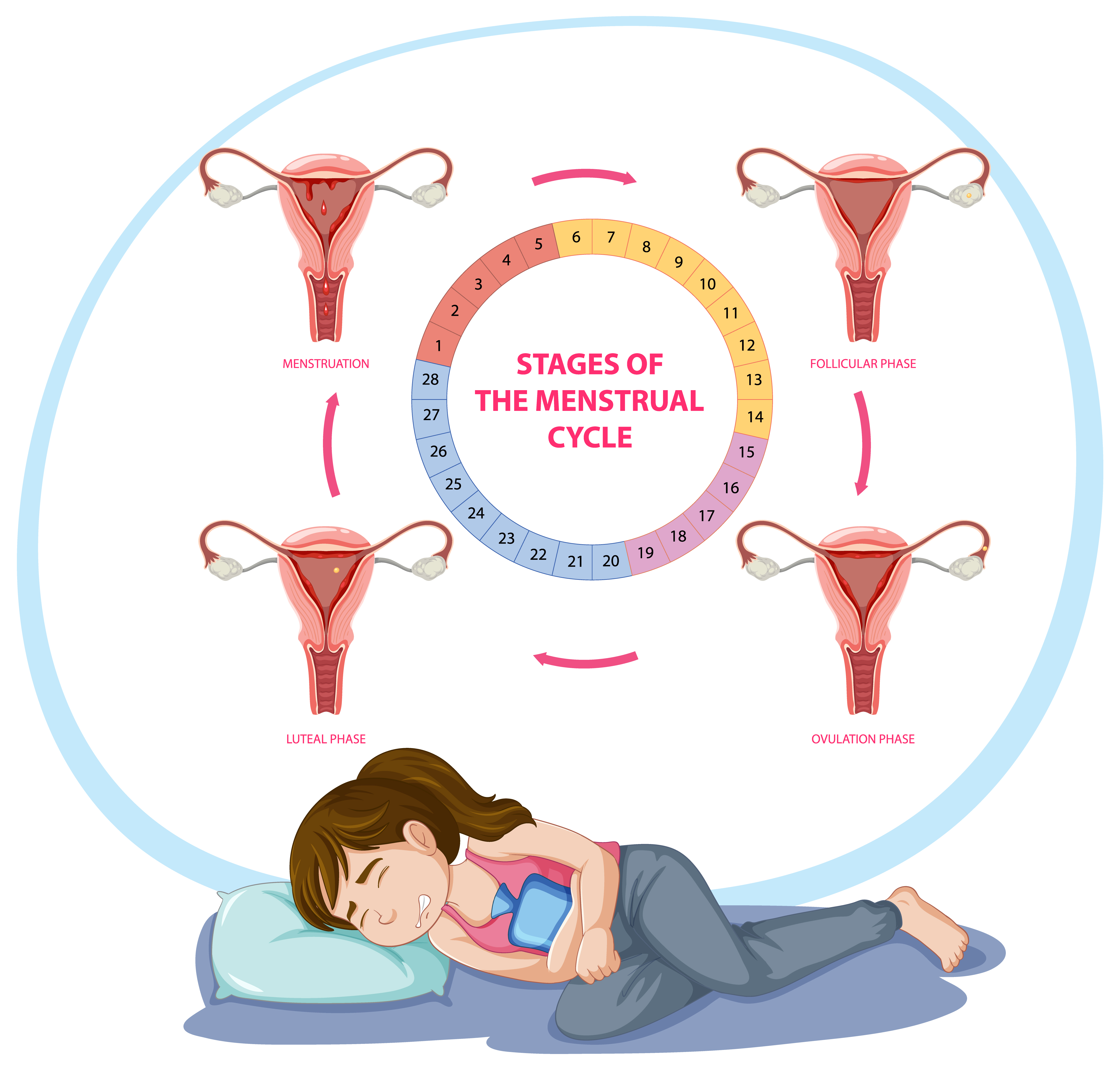
Menstrual regularity reflects hormonal rhythm, not egg quantity. A woman may continue to ovulate regularly even when the ovarian reserve is declining.
In fact, ovarian reserve often decreases years before menstrual cycles become irregular. This is why relying on periods alone can be misleading when assessing fertility potential.
Yes, pregnancy is still possible. Many women with low AMH conceive naturally, especially if they are younger and ovulating regularly.
However, AMH provides important insight into fertility timing. Lower levels may indicate a shorter reproductive window, meaning earlier planning can improve chances of success.
Egg quality plays a more important role than AMH alone when it comes to actual conception.
Factors That Affect Pregnancy Chances
For the most part, low AMH does not have any identifiable physical symptoms and is usually determined only through fertility tests. This explains why many women only learn about their AMH level when trying to conceive.
Certain women may exhibit the following symptoms of low AMH, which include:
Yes. Many women have low AMH with absolutely no noticeable symptoms. Regular periods, normal energy levels, and stable health can still occur, which is why testing is important for fertility evaluation.
Diagnosis is not based on AMH alone. Doctors usually combine multiple tests:
Together, these tests provide a clearer picture of ovarian reserve and reproductive potential.
There is no treatment that can permanently increase ovarian reserve, but several strategies can support fertility outcomes.

It is important to clarify that no vitamin can reliably increase AMH or restore ovarian reserve. However, certain nutrients may support overall reproductive health.
Research on whether vitamin D increases AMH shows mixed results. Some studies suggest a possible link between vitamin D levels and ovarian function, especially in women who are deficient.
However, there is no strong evidence that vitamin D significantly increases AMH levels or restores ovarian reserve. It may support reproductive health indirectly, but it should not be seen as a treatment for low AMH.
While lifestyle cannot increase egg count, it can improve overall fertility health:
These factors collectively support hormonal balance and egg quality.

Cloudnine is known for its structured, evidence-based fertility and maternity care that combines advanced reproductive medicine with personalised patient support. Instead of offering a generic approach, it focuses on individual fertility journeys, especially important in cases like low AMH, where early intervention and precise planning matter.
With experienced fertility specialists, modern embryology labs, and integrated counselling support, Cloudnine ensures patients receive both medical clarity and emotional reassurance throughout their care journey. This combination of clinical expertise and compassionate guidance makes the experience more coordinated and outcome-focused.
Low AMH with regular periods can feel confusing, but it does not close the door to pregnancy. While AMH provides insight into ovarian reserve, it is only one part of a larger fertility picture. Age, egg quality, and overall reproductive health play equally important roles.
With timely evaluation, lifestyle support, and the right medical guidance, many women with low AMH go on to conceive successfully and have healthy pregnancies.
Want to consult the best gynecologists in India? Please find the links below.
Want to consult the best Maternity Packages in India? Please find the links below.

No. Low AMH does not affect baby health after conception.
AMH is one indicator of ovarian reserve, not the complete measure.
Yes, though it is less common. Some women may have overlapping hormonal patterns.
Yes, many women conceive naturally or with fertility support even with low AMH.







 Best Gynecologists in Bellandur Best Gynecologists in Electronic City Best Gynecologists in HRBR LayoutBest Gynecologists in Jayanagar Best Gynecologists in Kanakapura RoadBest Gynecologists in Malleswaram Best Gynecologists in Nagarbhavi Best Gynecologists in Old Airport RoadBest Gynecologists in Sahakarnagar Best Gynecologists in Sarjapur RoadBest Gynecologists in ThanisandraBest Gynecologists in Varthur RoadBest Gynecologists in Whitefield Best Gynecologists in Industrial Area Phase IIBest Gynecologists in OMRBest Gynecologists in T NagarBest Gynecologists in New Industrial TownBest Gynecologists in IndirapuramBest Gynecologists in Golf Course RoadBest Gynecologists in Sector 14Best Gynecologists in Sector 47Best Gynecologists in Banjara HillsBest Gynecologists in GachibowliBest Gynecologists in Hitech CityBest Gynecologists in KompallyBest Gynecologists in Gomti NagarBest Gynecologists in MaladBest Gynecologists in NerulBest Gynecologists in VashiBest Gynecologists in Kailash ColonyBest Gynecologists in PatparganjBest Gynecologists in Punjabi BaghBest Gynecologists in VikaspuriBest Gynecologists in Gaur CityBest Gynecologists in Pari ChowkBest Gynecologists in Sector 51Best Gynecologists in Sector 5 Swastik ViharBest Gynecologists in Kalyani NagarBest Gynecologists in SB RoadBest Gynecologists in Pimple SaudagarBest Pediatricians in BellandurBest Pediatricians in Electronic CityBest Pediatricians in HRBR LayoutBest Pediatricians in JayanagarBest Pediatricians in Kanakapura RoadBest Pediatricians in MalleswaramBest Pediatricians in NagarbhaviBest Pediatricians in Old Airport RoadBest Pediatricians in SahakarnagarBest Pediatricians in Sarjapur RoadBest Pediatricians in ThanisandraBest Pediatricians in Varthur RoadBest Pediatricians in WhitefieldBest Pediatricians in Industrial Area Phase IIBest Pediatricians in OMRBest Pediatricians in T NagarBest Pediatricians in New Industrial TownshipBest Pediatricians in IndirapuramBest Pediatricians in Golf Course RoadBest Pediatricians in Sector 14Best Pediatricians in Sector 47Best Pediatricians in Hitech CityBest Pediatricians in Banjara HillsBest Pediatricians in GachibowliBest Pediatricians in KompallyBest Pediatricians in Gomti NagarBest Pediatricians in MaladBest Pediatricians in NerulBest Pediatricians in VashiBest Pediatricians in Kailash ColonyBest Pediatricians in PatparganjBest Pediatricians in Punjabi BaghBest Pediatricians in VikaspuriBest Pediatricians in Gaur CityBest Pediatricians in Pari ChowkBest Pediatricians in Sector 51Best Pediatricians in Sector 5 Swastik ViharBest Pediatricians in Kalyani NagarBest Pediatricians in SB RoadBest Pediatricians in Pimple Saudagar


