
Ask any parent about the toughest part of a school morning, and there's a good chance food will be somewhere on the list. One child refuses breakfast. Another brings home an untouched lunchbox. Some happily eat fruit one day and refuse it the next. It's all part of growing up, but it can leave parents wondering whether their child is getting the nutrition they need.
The good news is that healthy eating isn't about preparing perfect meals or following strict food rules. Small, consistent habits usually have a much bigger impact than occasional "healthy" meals. And that's what helps children grow, learn and stay active throughout the school day. The nutrition tips for school-going children in this guide are designed to fit into everyday family life, making healthy eating practical rather than overwhelming.
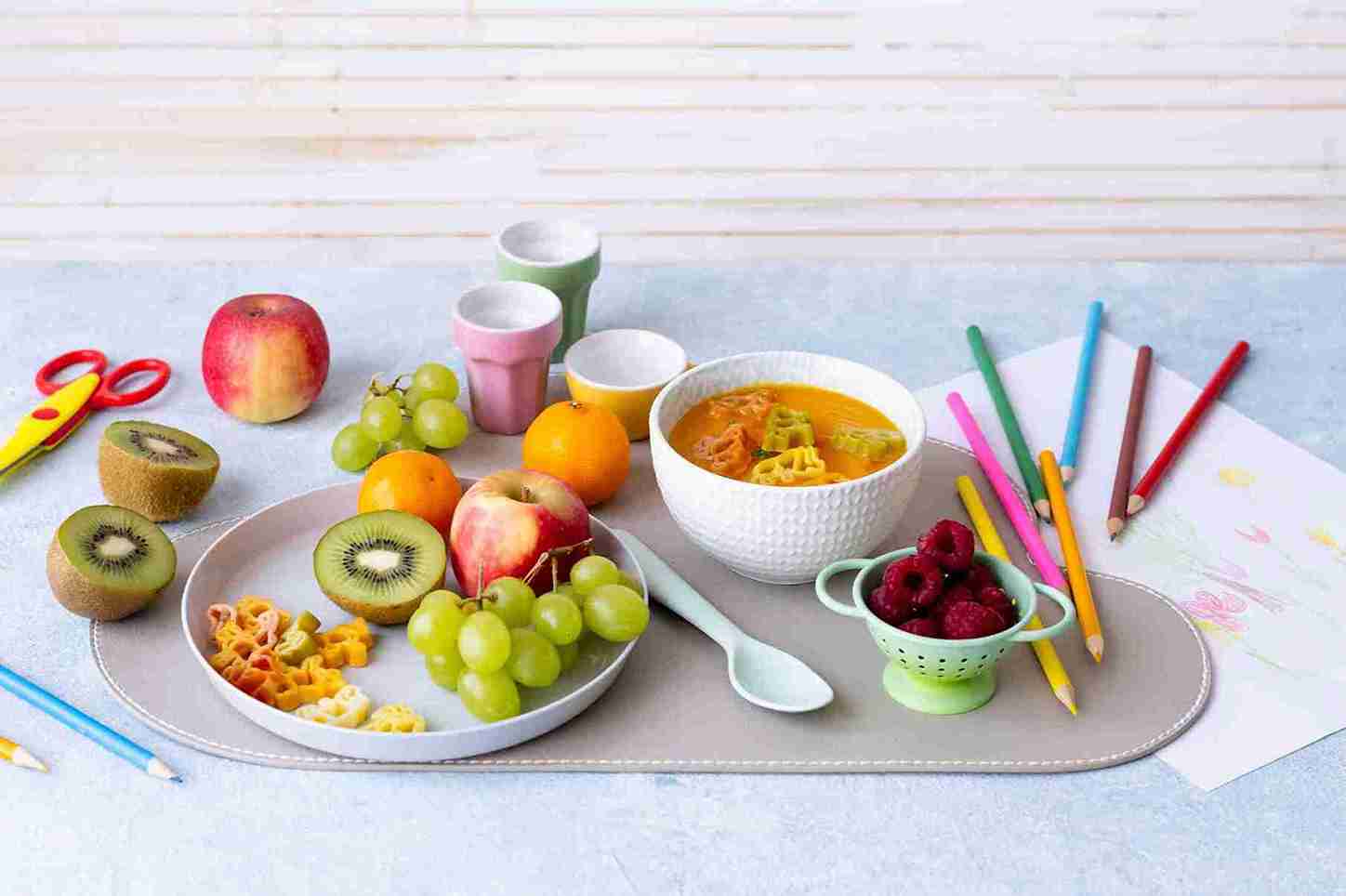
A healthy diet for school children isn't built around one particular food. It's built around routines that are easy to follow most days of the week.
Healthy eating habits often include:
● Eating regular meals instead of skipping them.
● Starting the day with breakfast.
● Including a variety of fruits and vegetables.
● Drinking enough water throughout the day.
● Limiting packaged foods and sugary drinks.
● Eating together as a family whenever possible.
No child eats perfectly every day, and they don't need to. What matters most is the overall pattern of eating over weeks and months, not whether yesterday's lunchbox came home half full.
Parents often ask what a balanced diet for school-age kids should actually look like. A simple way to think about it is to picture the plate rather than counting nutrients.
● Half the plate: Vegetables and fruits.
● One-quarter: Whole grains such as roti, brown rice, millet, oats or whole-wheat bread.
● One-quarter: Protein-rich foods such as dal, beans, eggs, paneer, fish or lean chicken.
Alongside the meal, include dairy or other calcium-rich foods where appropriate and use healthy fats in moderation. Encourage children to drink water regularly throughout the day. The aim isn't to build a perfect plate every single time. It's to make balanced meals the usual choice rather than the occasional one.
If there's one meal that's most likely to be skipped on busy school mornings, it's breakfast. After a night's sleep, children need energy to concentrate, stay active, and participate in school. Starting the day with breakfast can support attention, learning, and mood in the morning.
The good news is that breakfast doesn't have to be elaborate. Simple options work just as well, such as:
● Vegetable poha
● Idli with sambar
● Upma with vegetables
● Dosa with chutney
● Whole-wheat toast with egg or peanut butter
● Oats topped with fruit
● Curd with fruit and homemade granola
The best breakfast is often the one that's nutritious, quick to prepare and something your child enjoys eating.
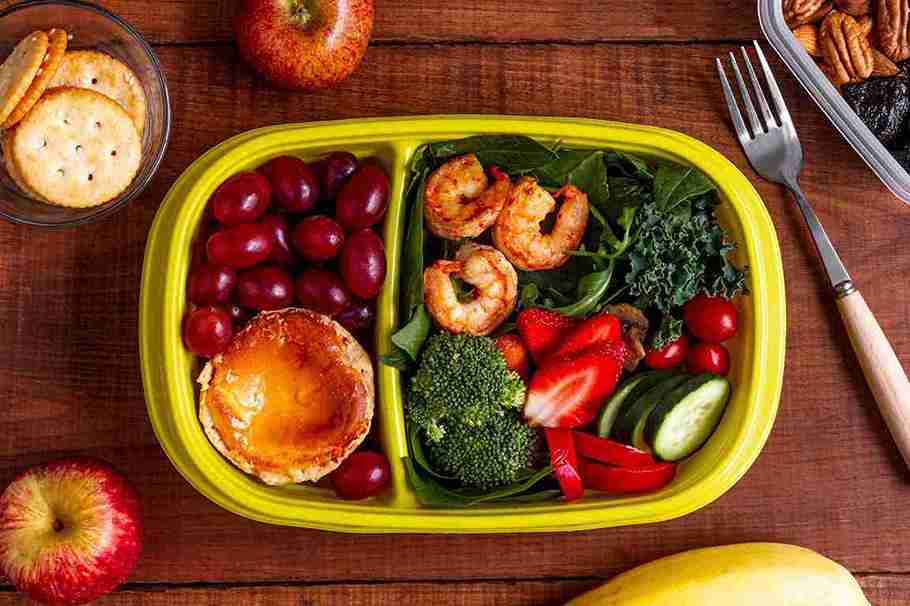
Packing a lunchbox every day can feel repetitive, especially when children's tastes change. Instead of looking for new recipes every week, try rotating a few balanced meals that your child already enjoys.
● Vegetable paratha with curd.
● Paneer or egg wrap.
● Lemon rice with boiled egg.
● Vegetable pulao with raita.
● Dal chilla with mint chutney.
● Chapati rolls with mixed vegetables.
● Idli with podi or sambar.
● Sprouts salad with fruit.
● Fresh fruit with yoghurt.
● Roasted chana or peanuts (age-appropriate).
● Corn chaat.
● Homemade vegetable sandwich.
● Boiled sweet corn.
● Makhana roasted with mild spices.
Before packing their lunch box, ask yourself:
● Is there a source of protein?
● Have I included a fruit or a vegetable?
● Is there a whole grain or another nutritious carbohydrate?
● Have I packed a bottle of water?
You don't have to tick every box every day. But if most lunchboxes meet most of these points over the week, you're already building healthy habits.
Healthy eating isn't about banning certain foods. In fact, foods like sweets or chips can still have a place occasionally. The aim is to make everyday choices more nutritious while keeping treats occasional rather than routine.
Some habits worth limiting include:
● Sugar-sweetened beverages such as soft drinks and packaged fruit juices.
● Frequent consumption of chips, instant noodles and highly processed snacks.
● Regular sweets, chocolates and bakery products.
● Skipping meals and replacing them with packaged snacks.
● Eating while watching television or using a mobile phone.
Children learn eating habits over time. When healthier options become part of the daily routine, there's less need to label foods as "good" or "bad."
Almost every parent faces this at some point. A child who happily ate carrots one week may refuse them the next. That doesn't always mean they'll dislike them forever. In fact, research suggests that some children may need 10 to 15 exposures before they accept a new food. So if something is refused today, it doesn't mean you should stop offering it altogether.
A few simple approaches often work better than pressure:
● Offer new foods alongside familiar favourites.
● Let children decide how much they want to eat.
● Involve them in age-appropriate meal preparation.
● Eat together as a family whenever possible.
● Avoid using desserts or treats as rewards for finishing meals.
Healthy eating habits develop gradually. Patience usually works better than persuasion.
Some of the most effective nutrition tips for school-going children aren't about specific foods; they're about the everyday habits that shape a child's relationship with eating. Nutrition isn't only about the food that's served. The environment around meals matters too. Simple routines can help children build a positive relationship with food:
● Try to keep regular meal and snack times.
● Encourage meals without television or mobile phones.
● Let children recognise when they're hungry and when they're full.
● Avoid forcing children to finish everything on their plates.
● Be a role model: children are more likely to try foods they see adults enjoying.
These habits don't just support healthy eating today. They also help children develop a balanced approach to food as they grow older.

Parents often worry about whether they're doing enough. The truth is, healthy eating isn't measured by a single meal or one difficult week. It's built through everyday routines that become part of family life over time.
A balanced diet, regular meals, plenty of variety and positive mealtime habits can all support a child's growth, learning and overall well-being. Small changes, repeated consistently, usually have a far greater impact than trying to make every meal perfect.

Healthy eating habits include eating regular meals, not skipping breakfast, choosing a variety of fruits and vegetables, drinking enough water, limiting highly processed foods, and enjoying balanced meals most days of the week.
A balanced diet should include vegetables and fruits, whole grains, protein-rich foods such as dal, eggs or paneer, dairy or other calcium-rich foods where appropriate, healthy fats in moderation and adequate water throughout the day.
Breakfast provides energy after an overnight fast and helps children stay alert during the morning. A nutritious breakfast can support concentration, learning and participation in school activities.
Lunches such as vegetable paratha with curd, paneer wraps, vegetable pulao, idlis with sambar or dal chilla are nutritious and easy to pack. Healthy snacks include fruit, yoghurt, roasted chana, makhana, sweet corn and homemade sandwiches.







 Best Gynecologists in Bellandur Best Gynecologists in Electronic City Best Gynecologists in HRBR LayoutBest Gynecologists in Jayanagar Best Gynecologists in Kanakapura RoadBest Gynecologists in Malleswaram Best Gynecologists in Nagarbhavi Best Gynecologists in Old Airport RoadBest Gynecologists in Sahakarnagar Best Gynecologists in Sarjapur RoadBest Gynecologists in ThanisandraBest Gynecologists in Varthur RoadBest Gynecologists in Whitefield Best Gynecologists in Industrial Area Phase IIBest Gynecologists in OMRBest Gynecologists in T NagarBest Gynecologists in New Industrial TownBest Gynecologists in IndirapuramBest Gynecologists in Golf Course RoadBest Gynecologists in Sector 14Best Gynecologists in Sector 47Best Gynecologists in Banjara HillsBest Gynecologists in GachibowliBest Gynecologists in Hitech CityBest Gynecologists in KompallyBest Gynecologists in Gomti NagarBest Gynecologists in MaladBest Gynecologists in NerulBest Gynecologists in VashiBest Gynecologists in Kailash ColonyBest Gynecologists in PatparganjBest Gynecologists in Punjabi BaghBest Gynecologists in VikaspuriBest Gynecologists in Gaur CityBest Gynecologists in Pari ChowkBest Gynecologists in Sector 51Best Gynecologists in Sector 5 Swastik ViharBest Gynecologists in Kalyani NagarBest Gynecologists in SB RoadBest Gynecologists in Pimple SaudagarBest Pediatricians in BellandurBest Pediatricians in Electronic CityBest Pediatricians in HRBR LayoutBest Pediatricians in JayanagarBest Pediatricians in Kanakapura RoadBest Pediatricians in MalleswaramBest Pediatricians in NagarbhaviBest Pediatricians in Old Airport RoadBest Pediatricians in SahakarnagarBest Pediatricians in Sarjapur RoadBest Pediatricians in ThanisandraBest Pediatricians in Varthur RoadBest Pediatricians in WhitefieldBest Pediatricians in Industrial Area Phase IIBest Pediatricians in OMRBest Pediatricians in T NagarBest Pediatricians in New Industrial TownshipBest Pediatricians in IndirapuramBest Pediatricians in Golf Course RoadBest Pediatricians in Sector 14Best Pediatricians in Sector 47Best Pediatricians in Hitech CityBest Pediatricians in Banjara HillsBest Pediatricians in GachibowliBest Pediatricians in KompallyBest Pediatricians in Gomti NagarBest Pediatricians in MaladBest Pediatricians in NerulBest Pediatricians in VashiBest Pediatricians in Kailash ColonyBest Pediatricians in PatparganjBest Pediatricians in Punjabi BaghBest Pediatricians in VikaspuriBest Pediatricians in Gaur CityBest Pediatricians in Pari ChowkBest Pediatricians in Sector 51Best Pediatricians in Sector 5 Swastik ViharBest Pediatricians in Kalyani NagarBest Pediatricians in SB RoadBest Pediatricians in Pimple Saudagar


