
Ovulation is a natural phase of the menstrual cycle when a mature egg is released from the ovary. While many women do not notice any physical changes during this time, some experience light spotting known as ovulation bleeding. This type of spotting is usually harmless, temporary, and occurs around the middle of the menstrual cycle.
In some women, experiencing spotting can lead to concerns about their fertility levels or any underlying health problems that might be affecting them. Understanding ovulation bleeding symptoms can be used to differentiate between normal and abnormal spotting. While ovulation spotting is normal, it is important to know when it could be a problem.
Ovulation bleeding describes light bleeding that takes place during ovulation. It usually happens in the middle of a woman's menstrual cycle, on days 12–16 of a 28-day cycle.
This spotting is quite rare and usually lasts only a few hours to two days. It is much lighter than a menstrual period and often appears pink, red, or brown. The bleeding occurs due to hormonal fluctuations and physical changes associated with ovulation.
In anticipation of ovulation, estrogen levels increase and then decrease shortly before ovulation takes place. These hormonal changes trigger light bleeding due to the shedding of the uterine lining.
During ovulation, a mature ovarian follicle ruptures to release a mature egg. For some women, this follicular rupture triggers light bleeding.
During ovulation, hormones cause higher blood flow to the ovaries and reproductive organs. This may lead to spotting because of higher blood flow.
Women are affected differently by hormonal fluctuations. This is why some women experience spotting while ovulating, and other women have never noticed it.
Ovulation bleeding symptoms may include:
Ovulation spotting is very light and can appear pink, red, or brown.
Some women feel mild pain in their pelvis when ovulating.
When ovulation occurs, it is common for cervical mucus production to increase.
There might be increased breast tenderness due to hormonal changes.
Most women will feel an increased urge to have sexual intercourse during ovulation.
It usually does not last longer than 1-2 days.
Most women wonder whether spotting during ovulation is a good sign when it comes to fertility. Indeed, there might be certain reasons to see spotting during ovulation as a good sign since it indicates that certain hormonal changes take place due to ovulation.
Because ovulation determines the period of fertility, spotting can help women find their fertile days. Nevertheless, it should be understood that spotting during ovulation is not a good sign and cannot be generalised; not all women experience spotting at this stage. Moreover, ovulation spotting may not necessarily indicate that ovulation happened.
A common question is: bleeding during ovulation am i pregnant?
The answer is usually no. Ovulation bleeding occurs before conception can be confirmed. Pregnancy cannot be detected at the time of ovulation because fertilisation and implantation happen later.
Timeline:
ovulation → Fertilization → Embryo Development → Implantation → Positive Pregnancy Test
Therefore, if you're asking bleeding during ovulation am i pregnant, the spotting is more likely related to ovulation than pregnancy itself.
Yes. Spotting during ovulation typically does not interfere with the ability to become pregnant. On the contrary, such phenomena occur within the period of the cycle in which conception is most probable. Conception primarily depends on a woman's reproductive health and ovulation, while other aspects, like sperm health and so on, also play important roles.
It can be quite unsettling to go through bleeding during ovulation for the first time. Bleeding during the process of ovulation should not cause much worry if it persists for one or two days and does not accompany other serious symptoms. Nevertheless, if there is significant bleeding, accompanied by serious pain, and recurs frequently, especially after sexual intercourse, then the situation definitely needs to be brought to the attention of the doctor.
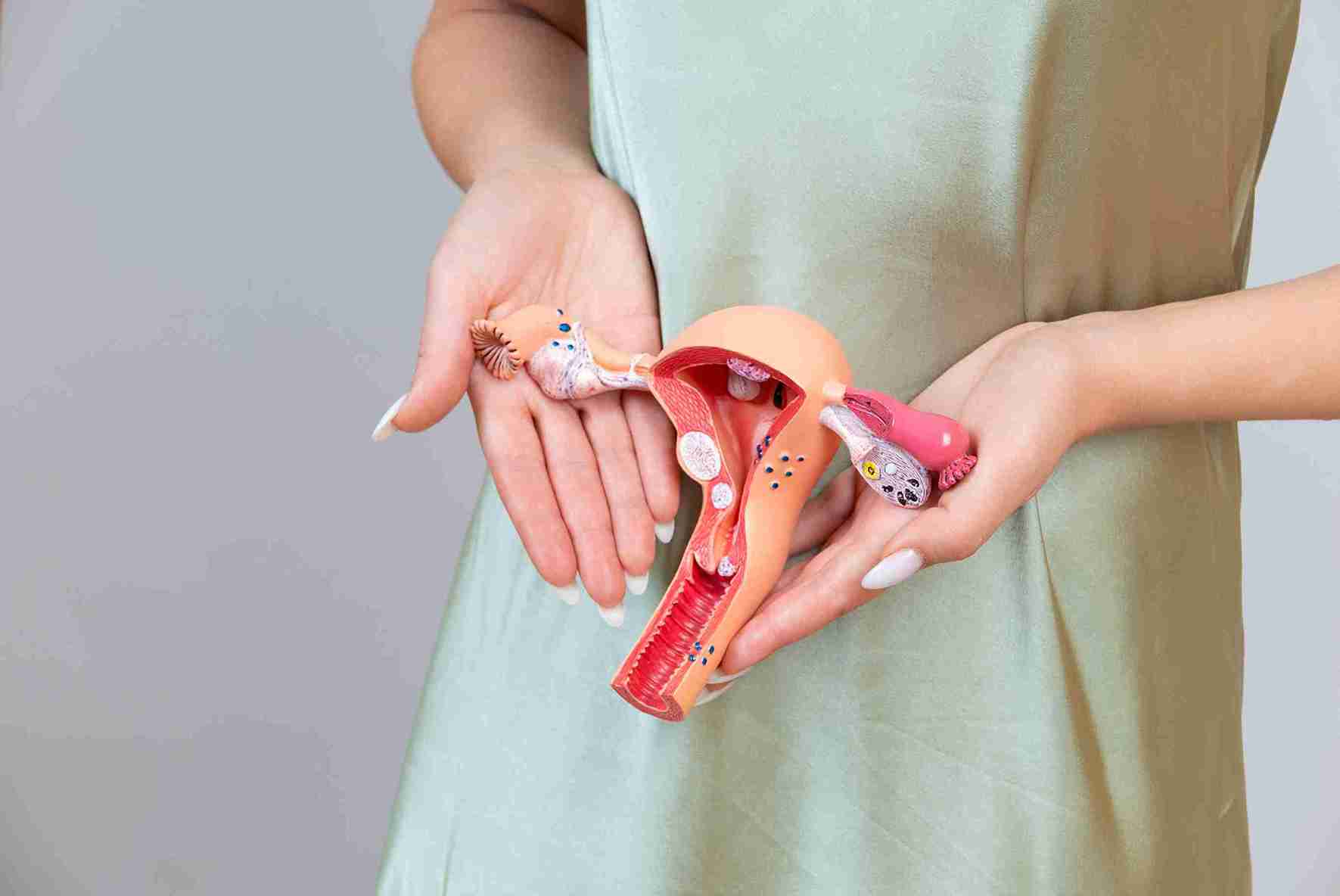
While ovulation spotting is usually harmless, abnormal bleeding may be linked to:
Irregular hormone levels can cause unpredictable bleeding.
Abnormal growth of endometrial tissue may lead to spotting and pelvic pain.
Fibroids can contribute to abnormal uterine bleeding.
These benign growths may cause spotting between periods.
Infection-related inflammation can cause irregular bleeding.
Disruptions in estrogen and progesterone levels may affect bleeding patterns.
Thyroid dysfunction can interfere with normal menstrual cycles.
Most cases of ovulation spotting are easily managed without the need for treatment.
In case of hormonal imbalance, the patient will be offered medications to normalise the menstrual cycle and stop excessive bleeding.

Make an appointment with your physician if you are experiencing:
At Cloudnine, we provide integrated healthcare solutions for women's reproductive health offered by qualified gynaecologists, fertility doctors, and specialists. Whether it is abnormal bleeding patterns, infertility issues or hormonal problems, Cloudnine offers patients personalised healthcare solutions along with accurate diagnosis and effective treatment methods.
Ovulation bleeding is usually a normal and temporary part of the menstrual cycle. While light spotting around ovulation is often harmless, understanding its causes and symptoms can help distinguish normal changes from conditions that require medical attention. If spotting is persistent, heavy, or associated with significant pain, consulting a healthcare professional is the best way to ensure optimal reproductive health.

Want to consult the best gynecologists in India? Please find the links below.
Want to consult the best Maternity Packages in India? Please find the links below.

Yes. Some women experience light spotting during ovulation due to hormonal fluctuations and follicle rupture.
No. Ovulation spotting is generally not linked to infertility and often occurs during the fertile window.
Yes. Light ovulation spotting does not prevent sperm from surviving or reaching the egg.
Ovulation bleeding often occurs just before, during, or shortly after the egg is released, usually within 24–48 hours.







 Best Gynecologists in Bellandur Best Gynecologists in Electronic City Best Gynecologists in HRBR LayoutBest Gynecologists in Jayanagar Best Gynecologists in Kanakapura RoadBest Gynecologists in Malleswaram Best Gynecologists in Nagarbhavi Best Gynecologists in Old Airport RoadBest Gynecologists in Sahakarnagar Best Gynecologists in Sarjapur RoadBest Gynecologists in ThanisandraBest Gynecologists in Varthur RoadBest Gynecologists in Whitefield Best Gynecologists in Industrial Area Phase IIBest Gynecologists in OMRBest Gynecologists in T NagarBest Gynecologists in New Industrial TownBest Gynecologists in IndirapuramBest Gynecologists in Golf Course RoadBest Gynecologists in Sector 14Best Gynecologists in Sector 47Best Gynecologists in Banjara HillsBest Gynecologists in GachibowliBest Gynecologists in Hitech CityBest Gynecologists in KompallyBest Gynecologists in Gomti NagarBest Gynecologists in MaladBest Gynecologists in NerulBest Gynecologists in VashiBest Gynecologists in Kailash ColonyBest Gynecologists in PatparganjBest Gynecologists in Punjabi BaghBest Gynecologists in VikaspuriBest Gynecologists in Gaur CityBest Gynecologists in Pari ChowkBest Gynecologists in Sector 51Best Gynecologists in Sector 5 Swastik ViharBest Gynecologists in Kalyani NagarBest Gynecologists in SB RoadBest Gynecologists in Pimple SaudagarBest Pediatricians in BellandurBest Pediatricians in Electronic CityBest Pediatricians in HRBR LayoutBest Pediatricians in JayanagarBest Pediatricians in Kanakapura RoadBest Pediatricians in MalleswaramBest Pediatricians in NagarbhaviBest Pediatricians in Old Airport RoadBest Pediatricians in SahakarnagarBest Pediatricians in Sarjapur RoadBest Pediatricians in ThanisandraBest Pediatricians in Varthur RoadBest Pediatricians in WhitefieldBest Pediatricians in Industrial Area Phase IIBest Pediatricians in OMRBest Pediatricians in T NagarBest Pediatricians in New Industrial TownshipBest Pediatricians in IndirapuramBest Pediatricians in Golf Course RoadBest Pediatricians in Sector 14Best Pediatricians in Sector 47Best Pediatricians in Hitech CityBest Pediatricians in Banjara HillsBest Pediatricians in GachibowliBest Pediatricians in KompallyBest Pediatricians in Gomti NagarBest Pediatricians in MaladBest Pediatricians in NerulBest Pediatricians in VashiBest Pediatricians in Kailash ColonyBest Pediatricians in PatparganjBest Pediatricians in Punjabi BaghBest Pediatricians in VikaspuriBest Pediatricians in Gaur CityBest Pediatricians in Pari ChowkBest Pediatricians in Sector 51Best Pediatricians in Sector 5 Swastik ViharBest Pediatricians in Kalyani NagarBest Pediatricians in SB RoadBest Pediatricians in Pimple Saudagar


