
Most parents know the basics: eat well, sleep on time, get off the phone. But knowing and actually getting a child to do these things are two very different things. Children do not build good habits because someone told them to. They build them because those habits are woven into daily life, modelled by the adults around them, and repeated consistently over time.
The good news is that children are creatures of habit. When healthy habits for kids are introduced early and kept consistent, they stick. This guide covers what actually works, not in theory, but in the everyday reality of an Indian household.
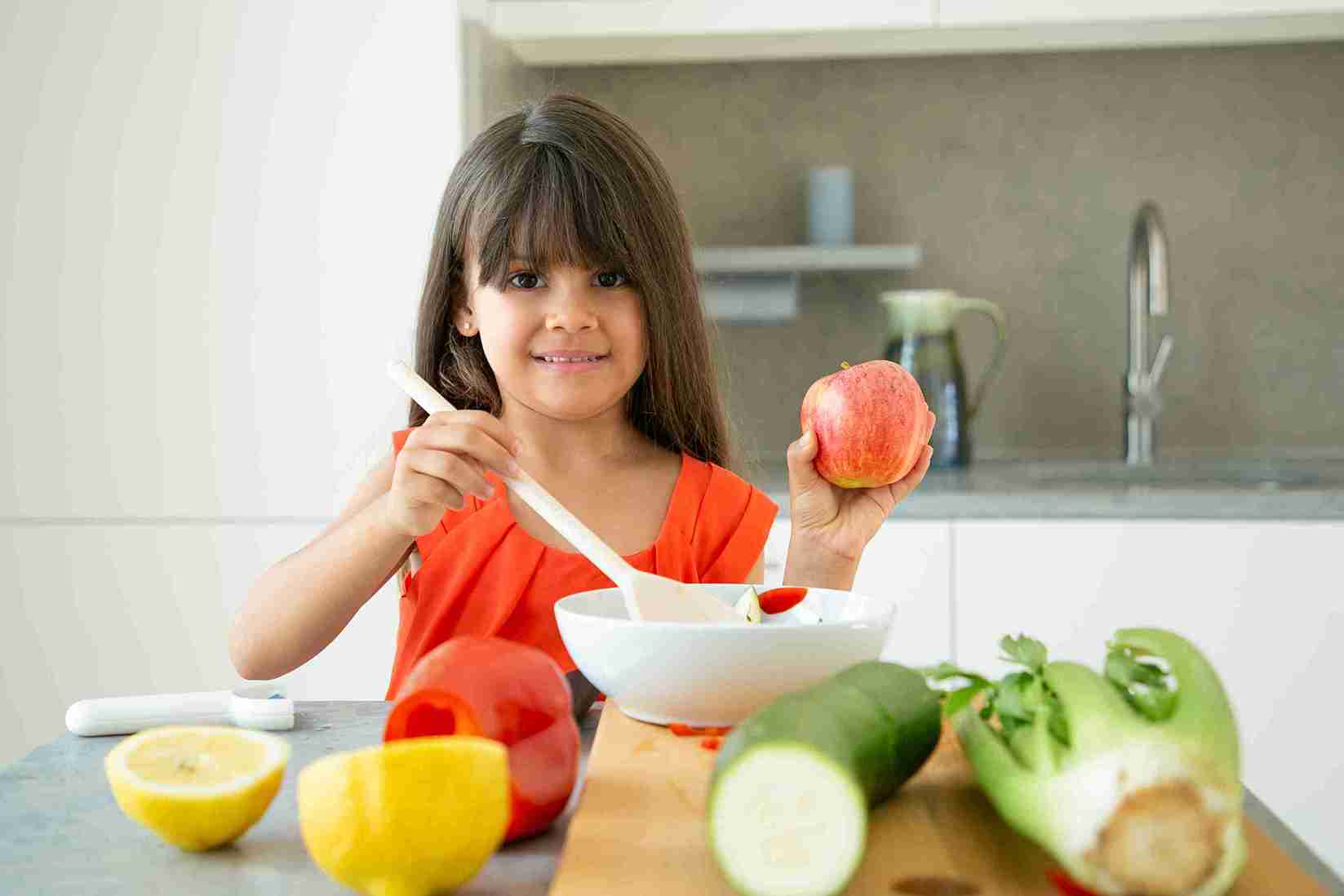
The habits a child builds before the age of ten tend to follow them into adulthood. Research consistently shows that children who eat well, sleep enough, and stay physically active do better not just physically, but academically and emotionally too.
In India, lifestyle patterns are shifting fast. Screen time is up, physical activity is down, and a large number of school-going children are skipping breakfast or surviving on packaged snacks. These are not small issues. They affect concentration in class, immunity, weight, and long-term health.
The earlier a family builds structure around food, sleep, movement, and rest, the easier it becomes. And the easier it becomes for the child, the more likely those patterns are to last.
A daily routine for children is not about making life rigid. It is about taking the guesswork out of the day. When children know what to expect, when they wake up, when they eat, when homework happens, and when bedtime is, they feel more secure. There is less pushing back, less negotiating, and fewer last-minute battles.
A workable school-day routine for most children looks something like this:
● Wake up at a fixed time — even on weekends, try to stay within an hour of the weekday time
● A proper breakfast before school — not biscuits in the auto, but something with protein and carbohydrates
● School, then a short break after returning home — children need downtime before homework
● Physical activity in the evening — outdoor play, a sport, or even a walk
● Dinner as a family when possible
● A wind-down period before bed — no screens for at least 30 to 45 minutes before sleep
● Fixed bedtime — school-going children need 9 to 11 hours of sleep
Consistency matters more than perfection. If the routine slips for a few days, bring it back without making a big deal of it.

You do not need superfoods or expensive supplements to feed a child well. Indian home cooking, at its core, is already nutritionally strong with dal, sabzi, roti or rice, curd, and seasonal fruits that cover most bases well. The challenge is not knowledge. It is a habit. Here is what helps:
Children who eat with their family eat more variety and less junk. It is that straightforward.
Forcing a child to eat something they dislike backfires. Offer it repeatedly in small amounts without pressure. Children often accept foods they rejected earlier once they see others eating it.
If a bowl of cut fruit or a banana is on the counter, children will reach for it. If chips are visible and fruit is in the fridge, they will reach for the chips.
Biscuits, namkeen, instant noodles — these are fine occasionally, but not as daily staples. Replace them with roasted chana, boiled groundnuts, fruit, or homemade chivda.
Most packaged juices have as much sugar as a cold drink. Get children into the habit of drinking water through the day. Coconut water, nimbu pani, and chaas are good options too.
Good habits for school children around food start at home. What children see adults eating is what they normalise.
Children need at least 60 minutes of physical activity every day. Not structured gym time, just movement. Running, playing, cycling, swimming, dancing, or any sport counts. Some practical ways to bring movement back:
● Enrol them in a sport or activity they enjoy like cricket, football, badminton, dance, or martial arts. When children enjoy it, they do not need to be pushed.
● Walk or cycle for short distances instead of taking the car or auto for everything
● Use the stairs at home and in buildings
● Limit sitting for long stretches — after 45 minutes of homework or screen time, a short movement break helps
Healthy lifestyle tips for kids around physical activity are not about training schedules. They are about keeping movement a normal, enjoyable part of the day.
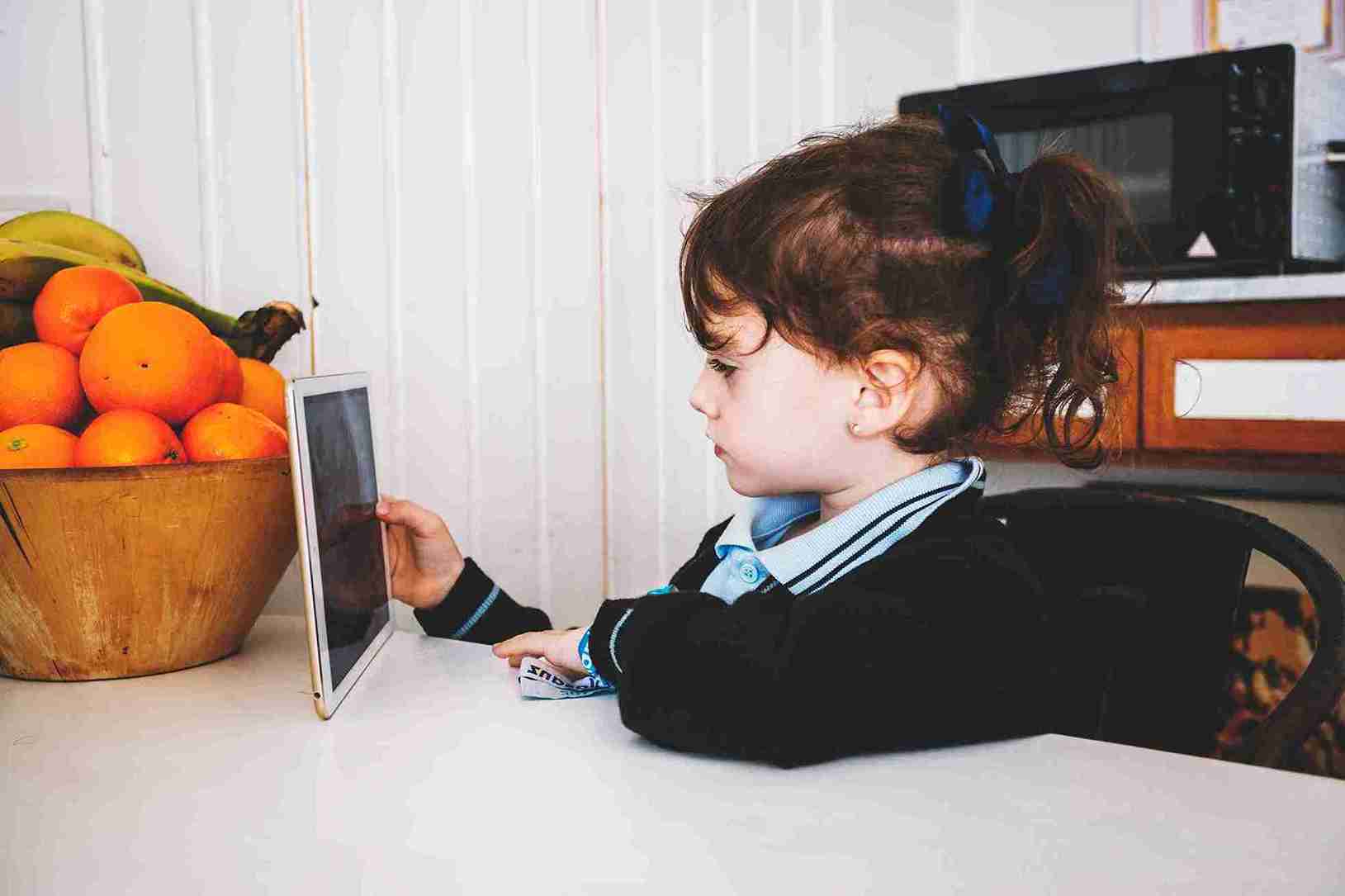
This is the area most parents struggle with, and there is no clean solution. Screens are part of modern life. But unchecked screen time crowds out sleep, physical activity, reading, and face-to-face interaction.
The Indian Academy of Paediatrics recommends no screen time for children under two (except video calls), and no more than one hour a day for children aged two to five. For older children, the focus should be on quality and context rather than just hours.
What helps:
● No screens during meals — make this a household rule, for adults too
● No screens in the bedroom — and no devices at bedtime
● Decide screen time together — children are more likely to follow rules they helped set
● Replace screen time with something they enjoy — a child who has a sport, a hobby, or books to read fills that time naturally
Good habits for school children around screens start with what they see at home. If adults are on their phones through dinner and after bedtime, it is very hard to hold children to a different standard.
Sleep is when the body grows, the brain consolidates learning, and immunity rebuilds. School-going children between six and twelve need 9 to 11 hours a night. Teenagers need 8 to 10 hours.
Most Indian children are not getting this. Late dinners, homework that runs past 10 pm, and screen time in bed all push sleep later. The result is children who are tired, irritable, less focused in class, and more likely to fall sick.
A fixed bedtime, a screen-free wind-down, and a dark, quiet room go a long way. A daily routine for children that protects sleep at both ends, consistent wake time and consistent bedtime, makes the biggest difference.

Building healthy habits in kids does not require a complete overhaul of daily life. Start with one or two things: a fixed bedtime, a daily outdoor play session, or sitting together for dinner. When those feel settled, add more. Small, consistent changes build the foundation that carries children through school, adolescence, and beyond.
Want to consult the best Pediatrician in India? Please find the links below.
best child specialist in hyderabad
best child specialist doctor in bangalore
Top pediatricians near me in chennai
top child specialist in chandigarh
Good pediatricians near me in faridabad
best pediatricians in gurgaon
best pediatricians near me in ludhiana
best child specialist in new delhi
best child specialist doctor in mumbai
Top pediatricians near me in panchkula
Good pediatricians near me in noida

A daily routine for children gives them a sense of security and predictability. When children know what comes next, they are less anxious and easier to manage. Routines also build self-discipline over time: children learn to do things like brush their teeth, finish homework, and sleep on time without being reminded every day. Consistency is what makes routines work.
Eat together as a family as often as possible. Keep healthy snacks visible and accessible. Do not force foods, offer them repeatedly without pressure. Involve children in simple cooking tasks so they feel connected to what they eat. Healthy habits for kids around food are built gradually, not overnight. What children see adults eating shapes what they consider normal.
Children need at least 60 minutes of physical activity every day. It does not have to be structured - outdoor play, cycling, a sport, or even dancing counts. Healthy lifestyle tips for kids around movement focus on making activity enjoyable, not compulsory. When children are enrolled in a sport or activity they like, getting that hour in becomes far less of a battle.
Set clear rules early: no screens at meals, no devices in bedrooms, no screens before sleep. Involve children in setting the rules. Replace screen time with activities they genuinely enjoy, like a sport, a hobby, or reading. Good habits for school children around screens are easier to build when adults in the home follow the same boundaries consistently.







 Best Gynecologists in Bellandur Best Gynecologists in Electronic City Best Gynecologists in HRBR LayoutBest Gynecologists in Jayanagar Best Gynecologists in Kanakapura RoadBest Gynecologists in Malleswaram Best Gynecologists in Nagarbhavi Best Gynecologists in Old Airport RoadBest Gynecologists in Sahakarnagar Best Gynecologists in Sarjapur RoadBest Gynecologists in ThanisandraBest Gynecologists in Varthur RoadBest Gynecologists in Whitefield Best Gynecologists in Industrial Area Phase IIBest Gynecologists in OMRBest Gynecologists in T NagarBest Gynecologists in New Industrial TownBest Gynecologists in IndirapuramBest Gynecologists in Golf Course RoadBest Gynecologists in Sector 14Best Gynecologists in Sector 47Best Gynecologists in Banjara HillsBest Gynecologists in GachibowliBest Gynecologists in Hitech CityBest Gynecologists in KompallyBest Gynecologists in Jawahar NagarBest Gynecologists in Gomti NagarBest Gynecologists in Phase 3, Sector 58Best Gynecologists in MaladBest Gynecologists in NerulBest Gynecologists in VashiBest Gynecologists in Kailash ColonyBest Gynecologists in PatparganjBest Gynecologists in Punjabi BaghBest Gynecologists in RohiniBest Gynecologists in VikaspuriBest Gynecologists in Gaur CityBest Gynecologists in Pari ChowkBest Gynecologists in Sector 51Best Gynecologists in Sector 5 Swastik ViharBest Gynecologists in Kalyani NagarBest Gynecologists in SB RoadBest Gynecologists in Pimple SaudagarBest Pediatricians in BellandurBest Pediatricians in Electronic CityBest Pediatricians in HRBR LayoutBest Pediatricians in JayanagarBest Pediatricians in Kanakapura RoadBest Pediatricians in MalleswaramBest Pediatricians in NagarbhaviBest Pediatricians in Old Airport RoadBest Pediatricians in SahakarnagarBest Pediatricians in Sarjapur RoadBest Pediatricians in ThanisandraBest Pediatricians in Varthur RoadBest Pediatricians in WhitefieldBest Pediatricians in Industrial Area Phase IIBest Pediatricians in OMRBest Pediatricians in T NagarBest Pediatricians in New Industrial TownshipBest Pediatricians in IndirapuramBest Pediatricians in Golf Course RoadBest Pediatricians in Sector 14Best Pediatricians in Sector 47Best Pediatricians in Hitech CityBest Pediatricians in Banjara HillsBest Pediatricians in GachibowliBest Pediatricians in KompallyBest Pediatricians in Jawahar NagarBest Pediatricians in Gomti NagarBest Pediatricians in Phase 3, Sector 58Best Pediatricians in MaladBest Pediatricians in NerulBest Pediatricians in VashiBest Pediatricians in Kailash ColonyBest Pediatricians in PatparganjBest Pediatricians in Punjabi BaghBest Pediatricians in RohiniBest Pediatricians in VikaspuriBest Pediatricians in Gaur CityBest Pediatricians in Pari ChowkBest Pediatricians in Sector 51Best Pediatricians in Sector 5 Swastik ViharBest Pediatricians in Kalyani NagarBest Pediatricians in SB RoadBest Pediatricians in Pimple Saudagar


