
When a couple goes through IVF, the goal is straightforward: a healthy pregnancy and a healthy baby. But not every embryo created in the lab has the same chance of getting there. Some carry chromosomal problems that will stop implantation, cause a miscarriage, or result in a child born with a serious condition. The question is whether you find this out before or after the embryo is transferred.
This is where genetic testing in IVF comes in. It is a set of tests done on embryos before they are placed in the uterus. It does not guarantee success. But for many couples, it changes what is possible and reduces the heartbreak of failed cycles and pregnancy loss.

In IVF, genetic testing is done through PGT (Preimplantation Genetic Testing). In this procedure, a few cells are removed from the embryo on day five of development and sent to a genetics lab. The embryo is frozen while results come back, which takes about 1-2 weeks. There are three types:
PGT-A checks whether the embryo has the right number of chromosomes. Embryos with too many or too few chromosomes, called aneuploid embryos, usually fail to implant or end in miscarriage. Down syndrome, for example, is caused by an extra chromosome 21.
PGT-M tests for specific inherited conditions like thalassaemia, sickle cell anaemia, cystic fibrosis, or spinal muscular atrophy, when one or both parents carry the gene. Thalassaemia is worth mentioning specifically here. Carrier rates in certain Indian communities are notably high, and PGT-M gives these couples a way to have an unaffected child through IVF.
PGT-SR is used when a parent carries a chromosomal rearrangement, such as a translocation, that can produce abnormal embryos even though the parent is healthy.
PGT testing in IVF is not for every couple. It is suggested in specific situations where there is a higher risk of a genetic problem.
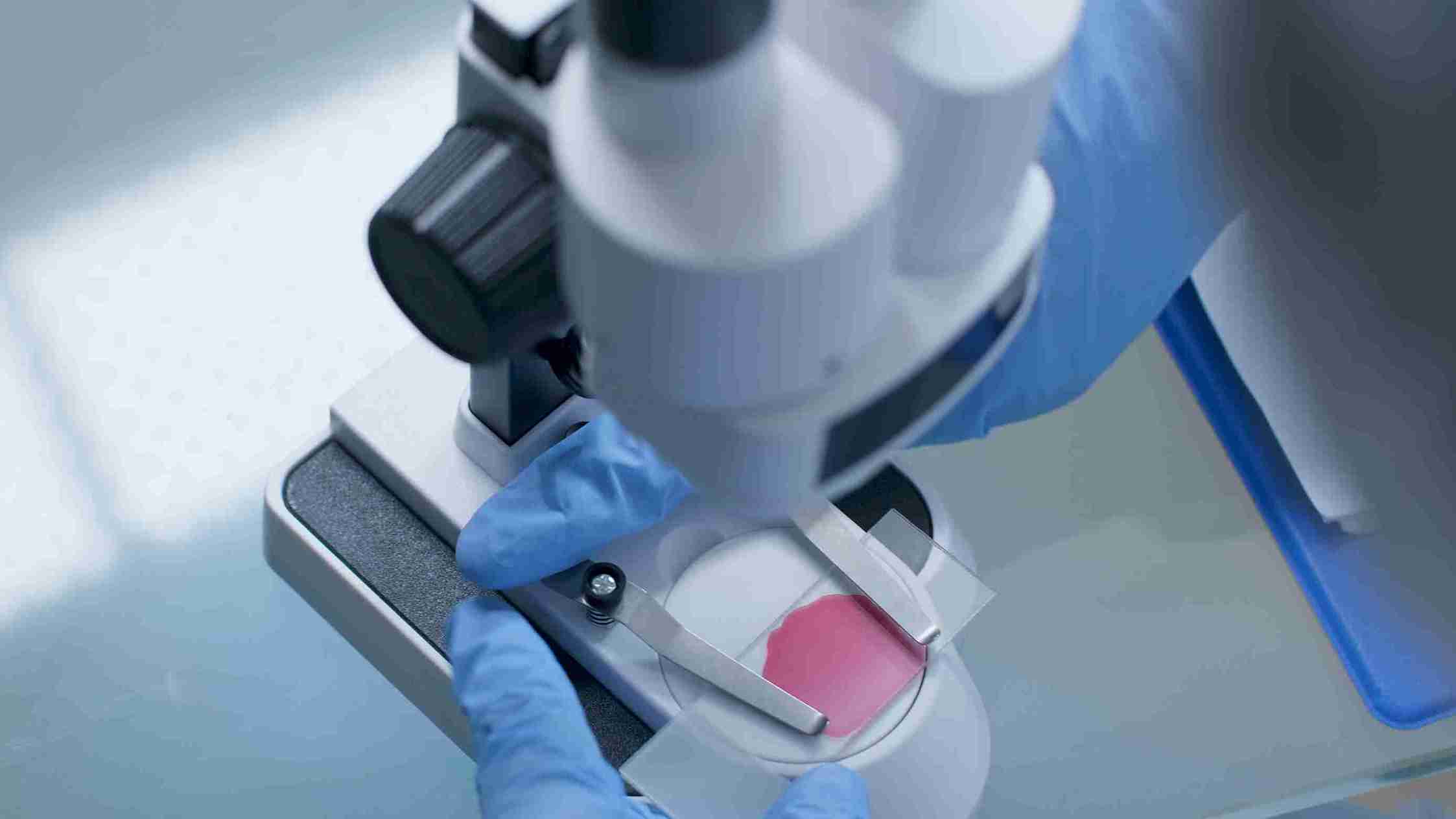
For couples who genuinely need it, the benefits of genetic testing before IVF are real.
The risks of genetic testing in IVF are real, and they deserve an honest look.

Before going ahead with PGT testing in IVF, have a direct conversation with your fertility doctor:
A good fertility specialist will not push PGT as a routine addition. They will recommend it when there is a clear reason, and be honest about what the results will and will not tell you.
Genetic testing in IVF is not a magic fix. But in the right situations, like repeated miscarriage, known carrier status, older maternal age, and unexplained IVF failure, it gives couples far more to work with. It reduces guesswork, cuts down on failed cycles, and in some cases makes a healthy pregnancy possible when it might not have been otherwise. Talk it through with your specialist and go in with clear expectations.


Genetic testing in IVF is recommended when there is a higher chance of chromosomal or genetic problems in the embryo. This covers women over 35, couples with recurrent miscarriage, known carriers of conditions like thalassaemia, and those with repeated IVF failure. It helps the team pick the embryo most likely to implant and result in a healthy pregnancy, rather than finding out after a failed transfer.
The benefits of genetic testing before IVF include better implantation rates, fewer miscarriages, and fewer transfer cycles. For couples carrying conditions like thalassaemia or sickle cell anaemia, PGT-M allows only unaffected embryos to be transferred. It does not guarantee a baby, but it gives couples and their doctors better information at every step, which can make a meaningful difference across a full IVF journey.
For the right candidates, older women, those with recurrent miscarriage, or repeated IVF failure, PGT testing in IVF can improve success per transfer by weeding out chromosomally abnormal embryos. For younger women with no history of genetic concerns or repeated failure, the benefit is less clear. It is not a blanket recommendation. The decision should be made based on individual history, not as a routine add-on.
Yes. The risks of genetic testing in IVF include a small chance of embryo damage during biopsy, inconclusive results, the complexity of mosaic embryos, and additional cost. PGT also does not catch every possible genetic problem; a normal result means chromosome numbers are correct, not that the embryo is free of all abnormalities. Go into it with clear expectations and have an open conversation with your doctor first.







 Best Gynecologists in Bellandur Best Gynecologists in Electronic City Best Gynecologists in HRBR LayoutBest Gynecologists in Jayanagar Best Gynecologists in Kanakapura RoadBest Gynecologists in Malleswaram Best Gynecologists in Nagarbhavi Best Gynecologists in Old Airport RoadBest Gynecologists in Sahakarnagar Best Gynecologists in Sarjapur RoadBest Gynecologists in ThanisandraBest Gynecologists in Varthur RoadBest Gynecologists in Whitefield Best Gynecologists in Industrial Area Phase IIBest Gynecologists in OMRBest Gynecologists in T NagarBest Gynecologists in New Industrial TownBest Gynecologists in IndirapuramBest Gynecologists in Golf Course RoadBest Gynecologists in Sector 14Best Gynecologists in Sector 47Best Gynecologists in Banjara HillsBest Gynecologists in GachibowliBest Gynecologists in Hitech CityBest Gynecologists in KompallyBest Gynecologists in Gomti NagarBest Gynecologists in MaladBest Gynecologists in NerulBest Gynecologists in VashiBest Gynecologists in Kailash ColonyBest Gynecologists in PatparganjBest Gynecologists in Punjabi BaghBest Gynecologists in VikaspuriBest Gynecologists in Gaur CityBest Gynecologists in Pari ChowkBest Gynecologists in Sector 51Best Gynecologists in Sector 5 Swastik ViharBest Gynecologists in Kalyani NagarBest Gynecologists in SB RoadBest Gynecologists in Pimple SaudagarBest Pediatricians in BellandurBest Pediatricians in Electronic CityBest Pediatricians in HRBR LayoutBest Pediatricians in JayanagarBest Pediatricians in Kanakapura RoadBest Pediatricians in MalleswaramBest Pediatricians in NagarbhaviBest Pediatricians in Old Airport RoadBest Pediatricians in SahakarnagarBest Pediatricians in Sarjapur RoadBest Pediatricians in ThanisandraBest Pediatricians in Varthur RoadBest Pediatricians in WhitefieldBest Pediatricians in Industrial Area Phase IIBest Pediatricians in OMRBest Pediatricians in T NagarBest Pediatricians in New Industrial TownshipBest Pediatricians in IndirapuramBest Pediatricians in Golf Course RoadBest Pediatricians in Sector 14Best Pediatricians in Sector 47Best Pediatricians in Hitech CityBest Pediatricians in Banjara HillsBest Pediatricians in GachibowliBest Pediatricians in KompallyBest Pediatricians in Gomti NagarBest Pediatricians in MaladBest Pediatricians in NerulBest Pediatricians in VashiBest Pediatricians in Kailash ColonyBest Pediatricians in PatparganjBest Pediatricians in Punjabi BaghBest Pediatricians in VikaspuriBest Pediatricians in Gaur CityBest Pediatricians in Pari ChowkBest Pediatricians in Sector 51Best Pediatricians in Sector 5 Swastik ViharBest Pediatricians in Kalyani NagarBest Pediatricians in SB RoadBest Pediatricians in Pimple Saudagar


