





The first few weeks with a newborn are filled with surprises. Your baby may be twitching, curling their fingers, or moving their mouth, all on their own. These are newborn reflexes: automatic responses your baby is born with. These are not random, even though they may appear so. Each one of these reflexes shows that your baby’s brain and nervous system are developing and working the way that they should. These responses help your baby get through the first few weeks of their life and give doctors a way to check how well their nervous system is developing.
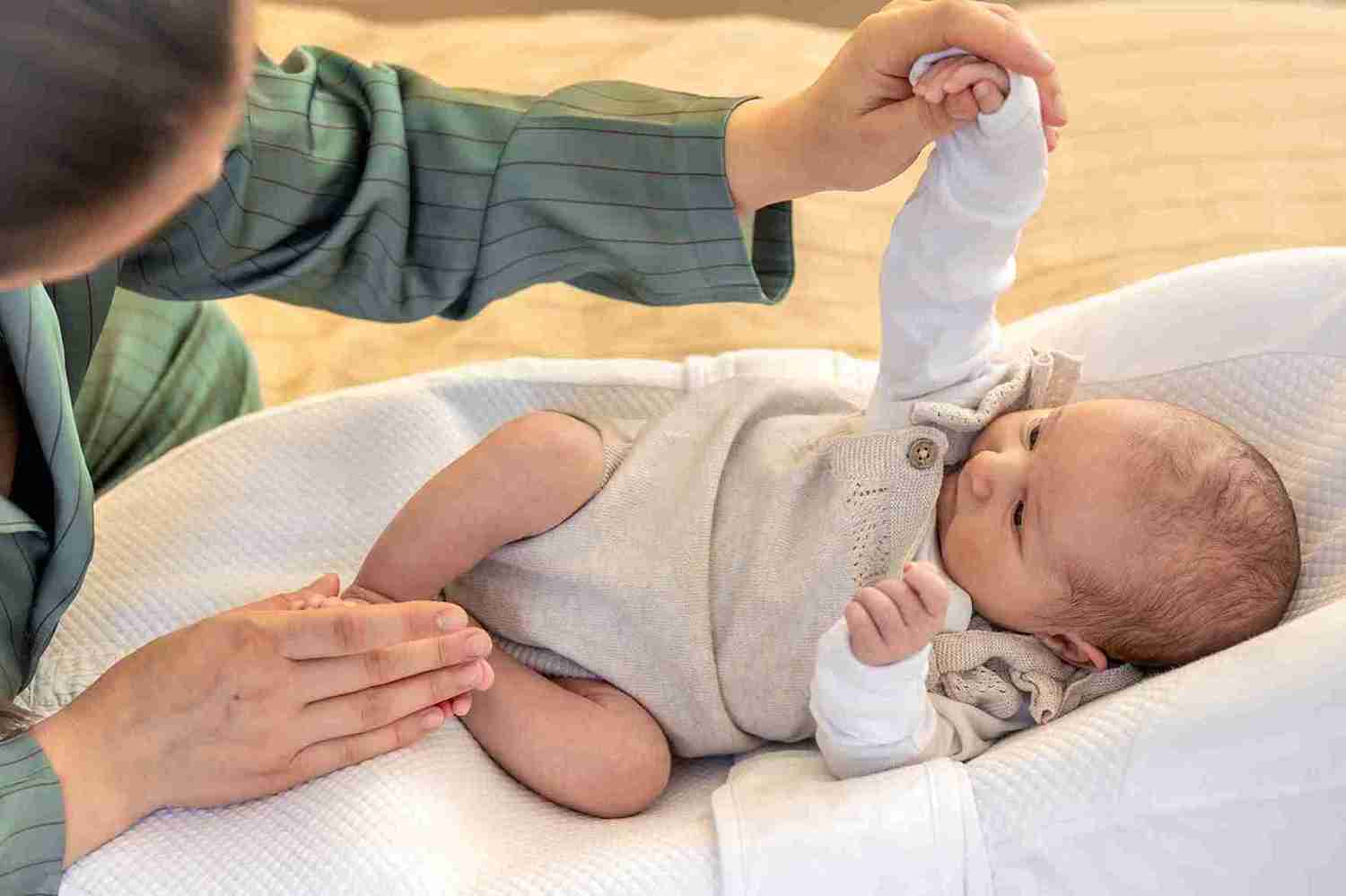
Newborn reflexes are automatic responses given by the muscles to touch, sound, or any movement. Your baby may not be able to control them; it may just happen on its own. Paediatricians check these reflexes at every well-baby visit to make sure the brain and nervous system are on track.
These are sometimes called as primitive reflexes because they come from the most basic parts of the brain. Most of them fade as your baby grows and starts moving on purpose. A few of them, like blinking, coughing, and sneezing, stay with us all our lives.
Infant reflexes serve a real purpose. Many are survival responses that help your baby feed, breathe, and stay safe in the first weeks after birth.
Gently stroke the corner of your newborn's cheek or mouth. They will turn their head that way and open their mouth. This is called the rooting reflex. It helps your baby find the breast or bottle and start feeding.
This reflex fades around 3 to 4 months. By then, your baby turns towards the nipple on their own. It is one of the most useful infant reflexes for feeding in the early weeks.
The sucking reflex works closely with rooting. When something touches the roof of your baby’s mouth, they immediately start sucking. This reflex begins much before they see the outside world - between the 32nd and 36th week of pregnancy. This is one of the reasons babies born early may need extra help with feeding.
The Moro reflex is the one that catches most parents off guard. When your baby hears a loud sound, feels a sudden movement, or senses they are falling, they throw their arms and legs outward, then pull them back in. It can look scary, but it is perfectly normal.
This reflex works like an alarm in your baby's body. It shows that the nervous system is picking up on sudden changes. The Moro reflex is present from birth, starts to settle around 3 months, and is gone by 6 months.
Press a finger into your baby's palm, and they will grip it tightly. This is the palmar grasp reflex. It is strong enough that a newborn can nearly hold their own weight this way. This reflex lasts until about 5 to 6 months, after which your baby starts grabbing things on purpose.
Firmly stroke the sole of your baby's foot, and the big toe will bend upward while the other toes fan out. This is the Babinski reflex (also called the plantar reflex). It is a normal reflex in newborn development and fades by around 12 months as the nervous system grows.
Hold your newborn upright with their feet on a flat surface, and they will make walking movements. This is called the stepping or "dance" reflex. It is not real walking; it fades in about 2 months. It shows up again later in the first year when your baby actually learns to walk.
When your baby's head is turned to one side while lying on their back, the arm on that side will stretch out, and the other arm will bend. This is called the tonic neck reflex, or fencing reflex. It usually fades by 5 to 7 months.

Doctors monitor these reflexes to track how the newborn is developing. They check how strong a reflex is, whether it shows up on both sides, and when it fades; all give clues about how the nervous system is maturing.
A reflex that is missing, very weak, very strong, or that lingers too long can be a sign that something needs a closer look. At the same time, some differences between babies are normal; premature infants may take a little longer for their reflexes to fully show up.
Most infant reflexes fade in the first few months. Here is a rough guide:
● Rooting reflex fades by 3 to 4 months
● Sucking reflex may continue in a voluntary form into childhood
● Moro reflex fades by 3 to 4 months, gone by 6 months
● Palmar grasp reflex fades by 5 to 6 months
● Babinski reflex fades by 12 months
● Stepping reflex fades by 2 months
● Tonic neck reflex fades by 5 to 7 months
When these reflexes fade, it is a good sign. It simply means that the brain is growing and controls your baby’s movements.
● A reflex is totally missing. If the Moro reflex is absent on both sides of your baby, it may point to some underlying issues. Similarly, if it is missing on one side alone, it could be pointing to another issue.
● A reflex that stays well beyond the expected fading time - it could still mean something is wrong with the system.
● A reflex only shows on one side of the body.
● A reflex seems very exaggerated or extreme.
Abnormal infant reflexes do not always mean something serious. But it is always better to get an early check done. Your paediatrician can decide if more tests are needed.
Keeping track of newborn development can feel like a lot to handle, especially when you are getting advice from all directions. A few things to keep in mind:
● Go to all scheduled well-baby visits (at birth, 6 weeks, 10 weeks, 14 weeks, and so on as per India's national immunisation schedule). Your paediatrician checks reflexes at each visit.
● Swaddling your baby can help with the Moro reflex, especially when laying them down at night triggers a startle.
● Try not to compare your baby's development to other babies. Every child moves at their own pace.
● If you notice something between visits that does not feel right, call your doctor. Do not wait for the next appointment.

Newborn reflexes tell you something important: that your baby came into the world ready. These automatic responses are your baby's first way of interacting with the world around them. As months go by, these reflexes give way to movements your baby chooses to make.
Want to consult the best pediatrician in India? Please find the links below

Most newborn reflexes fade in the first few months. The rooting and Moro reflexes go away by 3 to 6 months. The palmar grasp fades by 5 to 6 months, and the Babinski reflex by 12 months. Some reflexes, like blinking and coughing, stay with us for life.
The Moro reflex happens when a baby throws their arms and legs out suddenly in response to a loud noise, a quick movement, or the feeling of falling, then pulls them back in. It is a normal newborn reflex, present from birth. It starts to settle around 3 months and is gone by 6 months.
Each reflex fades at a different age. Most infant reflexes go away between 2 and 12 months as the brain matures. If a reflex stays past the expected age, it is worth talking to your paediatrician to check if development is on track.
Abnormal infant reflexes, ones that are missing, are one-sided, are too strong, or last too long, can sometimes point to a nervous system issue. But not every difference is a problem. Your paediatrician will look at the reflex along with other signs of development. Getting an early check is always the right call if you are worried.


 Best Gynecologists in Bellandur Best Gynecologists in Electronic City Best Gynecologists in HRBR LayoutBest Gynecologists in Jayanagar Best Gynecologists in Kanakapura RoadBest Gynecologists in Malleswaram Best Gynecologists in Nagarbhavi Best Gynecologists in Old Airport RoadBest Gynecologists in Sahakarnagar Best Gynecologists in Sarjapur RoadBest Gynecologists in ThanisandraBest Gynecologists in Varthur RoadBest Gynecologists in Whitefield Best Gynecologists in Industrial Area Phase IIBest Gynecologists in OMRBest Gynecologists in T NagarBest Gynecologists in New Industrial TownBest Gynecologists in IndirapuramBest Gynecologists in Golf Course RoadBest Gynecologists in Sector 14Best Gynecologists in Sector 47Best Gynecologists in Banjara HillsBest Gynecologists in GachibowliBest Gynecologists in Hitech CityBest Gynecologists in KompallyBest Gynecologists in Gomti NagarBest Gynecologists in MaladBest Gynecologists in NerulBest Gynecologists in VashiBest Gynecologists in Kailash ColonyBest Gynecologists in PatparganjBest Gynecologists in Punjabi BaghBest Gynecologists in VikaspuriBest Gynecologists in Gaur CityBest Gynecologists in Pari ChowkBest Gynecologists in Sector 51Best Gynecologists in Sector 5 Swastik ViharBest Gynecologists in Kalyani NagarBest Gynecologists in SB RoadBest Gynecologists in Pimple SaudagarBest Pediatricians in BellandurBest Pediatricians in Electronic CityBest Pediatricians in HRBR LayoutBest Pediatricians in JayanagarBest Pediatricians in Kanakapura RoadBest Pediatricians in MalleswaramBest Pediatricians in NagarbhaviBest Pediatricians in Old Airport RoadBest Pediatricians in SahakarnagarBest Pediatricians in Sarjapur RoadBest Pediatricians in ThanisandraBest Pediatricians in Varthur RoadBest Pediatricians in WhitefieldBest Pediatricians in Industrial Area Phase IIBest Pediatricians in OMRBest Pediatricians in T NagarBest Pediatricians in New Industrial TownshipBest Pediatricians in IndirapuramBest Pediatricians in Golf Course RoadBest Pediatricians in Sector 14Best Pediatricians in Sector 47Best Pediatricians in Hitech CityBest Pediatricians in Banjara HillsBest Pediatricians in GachibowliBest Pediatricians in KompallyBest Pediatricians in Gomti NagarBest Pediatricians in MaladBest Pediatricians in NerulBest Pediatricians in VashiBest Pediatricians in Kailash ColonyBest Pediatricians in PatparganjBest Pediatricians in Punjabi BaghBest Pediatricians in VikaspuriBest Pediatricians in Gaur CityBest Pediatricians in Pari ChowkBest Pediatricians in Sector 51Best Pediatricians in Sector 5 Swastik ViharBest Pediatricians in Kalyani NagarBest Pediatricians in SB RoadBest Pediatricians in Pimple Saudagar


