
A failed IVF cycle is one of the hardest things a couple can go through. You have invested months of preparation, significant money, daily injections, hospital visits, and an enormous amount of hope, and then it does not work. The grief that follows is real and should not be minimised.
But once the initial shock settles, most couples want answers. Understanding IVF failure causes does not make the disappointment disappear, but it does give you something to work with. In many cases, a failed cycle actually reveals information that improves the chances of the next one.
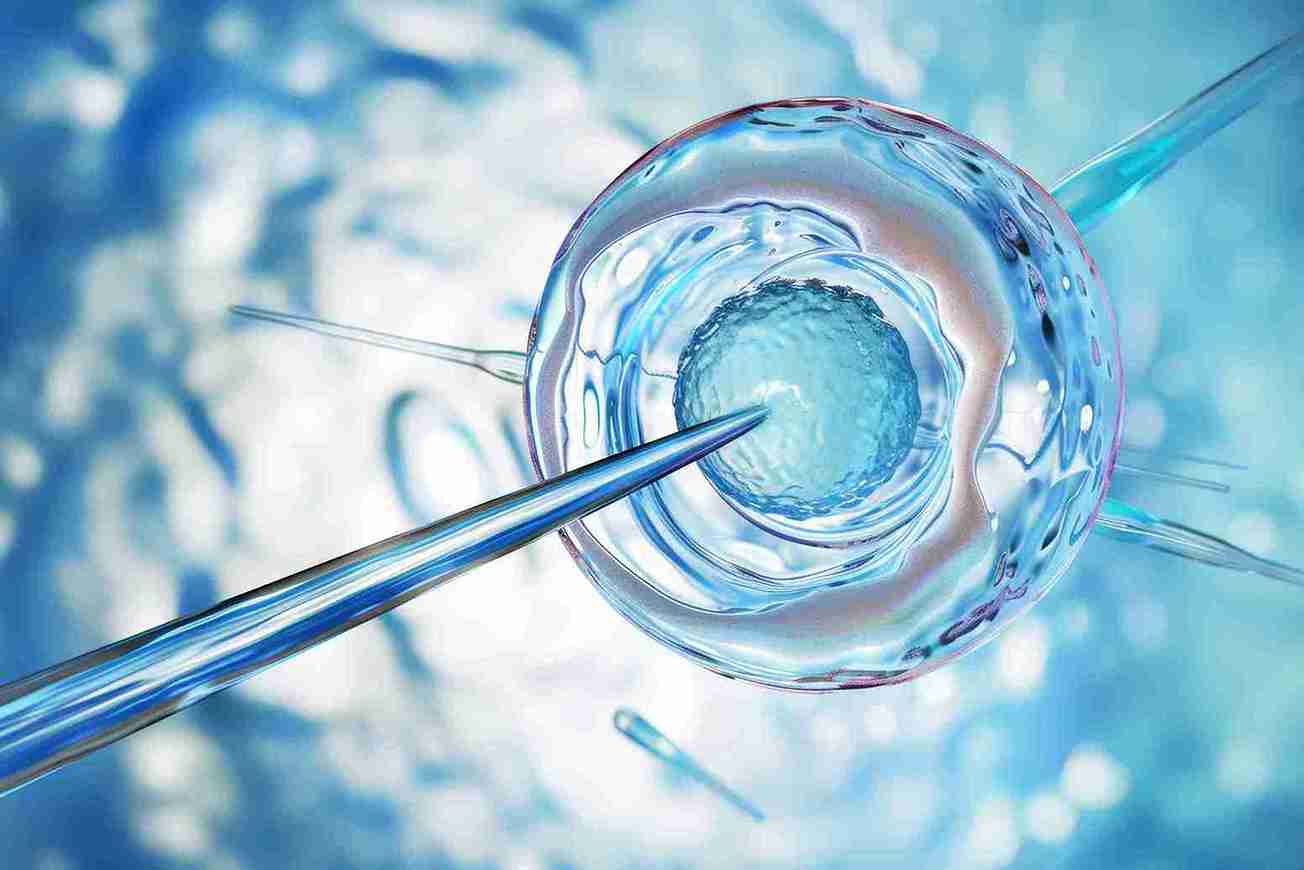
When doctors sit down with couples after a failed cycle, embryo quality is the conversation that comes up most. An embryo can appear completely healthy under a microscope and still carry chromosomal abnormalities that quietly stop it from implanting or growing any further.
This is not a failure of the lab or the doctor. Chromosomally abnormal embryos are a biological reality, and they become more common with age. A woman in her late thirties may produce several embryos in a cycle, but a significant proportion of them may be genetically abnormal, even when they look healthy visually.
This is why some fertility specialists recommend Preimplantation Genetic Testing (PGT) after a failed cycle, to screen future embryos for chromosomal errors before transfer. It does not work for everyone, but for couples where embryo quality is the likely explanation, it helps the doctor select only the healthiest embryos for transfer.
Age is one of the clearest reasons for failed IVF cycle outcomes. A woman's eggs decline in both quantity and quality over time, and by the mid-thirties, this drop becomes more pronounced. By 40, the proportion of chromosomally normal eggs falls considerably, which is why success rates per transfer are lower for women using their own eggs at this stage.
Age affects men, too, though less sharply. Sperm quality declines with age, and men over 45 tend to show higher DNA fragmentation rates, which can interfere with fertilisation and early embryo development.

An embryo can be chromosomally normal, develop well in the lab, and still not implant. Implantation failure in IVF is one of the more frustrating explanations because it is harder to pin down. Several things can get in the way.
Fibroids inside the uterine cavity, polyps, or a uterine septum can influence where the embryo tries to attach. A thin endometrial lining, generally below 7 mm, is also associated with lower implantation rates. These are usually picked up on ultrasound during monitoring, but not always.
Even when the lining looks fine on a scan, it may not be in the right hormonal state to accept an embryo. The window of implantation (a short period when the lining is most receptive) varies between women. Tests like the ERA (Endometrial Receptivity Analysis) can identify whether the timing of transfer is off, which is more common than most people expect.
In some women, the immune system responds to the embryo as though it were a foreign body. Elevated natural killer cells are being studied as a contributor to implantation failure in IVF, though research in this area is still evolving. Conditions like antiphospholipid syndrome also affect blood flow to the uterus and placenta, which can prevent healthy implantation. These are screened for with a blood test and are treatable.
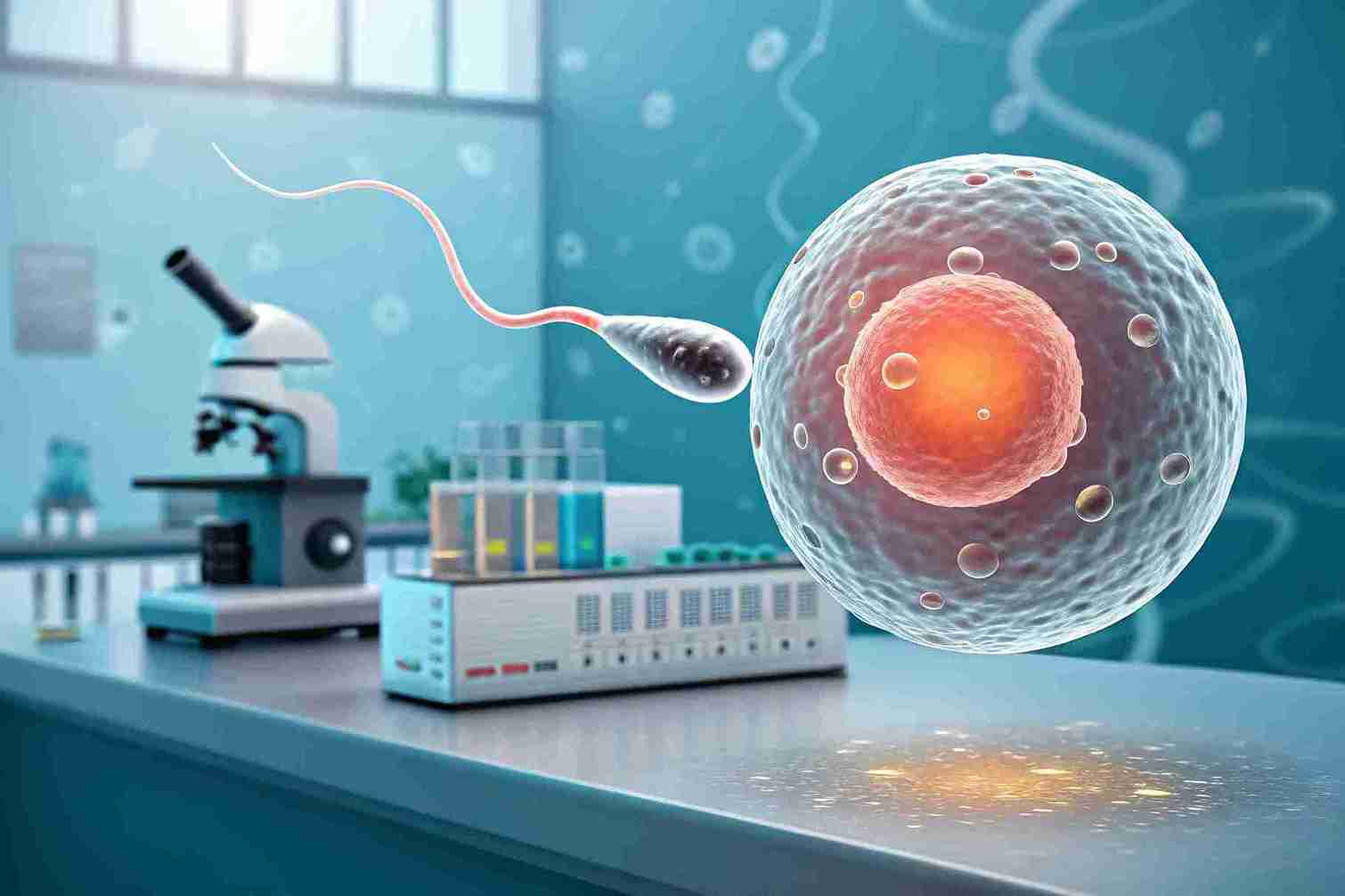
A standard semen analysis looks at count, motility, and shape, but it does not tell you about the genetic material inside the sperm. DNA fragmentation refers to breaks or damage in the sperm's DNA. High fragmentation can lead to fertilisation failure, poor embryo development, or early miscarriage, and it often goes undetected in routine testing.
A sperm DNA fragmentation test may be suggested after a failed cycle, especially when embryo quality has been the only explanation offered. Things like prolonged heat exposure, smoking, drinking, and ongoing stress are all known to worsen fragmentation over time. In some men, a varicocele, which is an enlargement of the veins in the scrotum, is a treatable underlying cause.
IVF requires the ovaries to produce multiple eggs in a single cycle, but the hormone injections used do not always deliver the expected response.
When only one or two eggs are retrieved, there is simply less to work with, and the chances of having a good quality blastocyst to transfer reduce significantly. Women with low ovarian reserve, identified through AMH (Anti-Mullerian Hormone) levels and antral follicle count, tend to be more vulnerable here. At the other extreme, an excessive response can lead to Ovarian Hyperstimulation Syndrome (OHSS), where the transfer may need to be postponed and all embryos frozen for a later cycle.
After a failed attempt, adjusting the stimulation protocol is usually one of the first things a good fertility team will revisit.
Why IVF treatment fails is not always about biology alone. Lifestyle factors play a supporting role and should be taken seriously between cycles.

A failed cycle should always be followed by a thorough review with your fertility specialist. This conversation is not a formality. It is arguably the most important one in your IVF journey.
Ask specifically what the embryo development report shows, whether the endometrial lining was adequate, whether sperm DNA fragmentation testing is recommended, and whether the stimulation protocol needs to change.
In some cases, the answer is a small adjustment. In others, it may mean a more thorough investigation before trying again. For some couples, particularly those with repeated IVF failure caused by egg quality, donor eggs may be discussed as a possibility.
A failed cycle does not mean IVF will never work. It means you now have more information than you had before, and that matters.
IVF failure is painful, but it is rarely the end of the road. Most couples who continue, with the right investigations and adjustments, eventually find a path forward. Take the time to understand what happened, ask the hard questions, and go into the next cycle with better information than before.

The most common IVF failure causes include poor embryo quality, chromosomal abnormalities, implantation failure, uterine problems like fibroids or polyps, poor ovarian response to stimulation, and high sperm DNA fragmentation. Age is also a major factor, particularly in women over 35. A detailed review with your fertility specialist after a failed cycle helps identify which of these may have played a role.
Yes, it is one of the leading reasons for failed IVF cycle outcomes. An embryo can look normal under the microscope but still carry chromosomal errors that prevent implantation or further development. This becomes more common as women get older. Preimplantation Genetic Testing can screen embryos for these errors before transfer and is sometimes recommended after a failed cycle.
Age directly affects egg quality and quantity. After 35, the proportion of chromosomally abnormal eggs rises considerably, which is why IVF treatment fails more often in older women using their own eggs. More cycles may be needed. Men over 45 also show higher sperm DNA fragmentation rates, which can affect fertilisation and early embryo development.
Implantation failure in IVF is when a good-quality embryo is transferred but does not attach to the uterine lining. It can happen due to uterine problems like fibroids or polyps, a thin endometrial lining, immune factors, blood clotting disorders, or a mismatch in transfer timing. Tests like the ERA and immune screening can help identify the cause after repeated failures.







 Best Gynecologists in Bellandur Best Gynecologists in Electronic City Best Gynecologists in HRBR LayoutBest Gynecologists in Jayanagar Best Gynecologists in Kanakapura RoadBest Gynecologists in Malleswaram Best Gynecologists in Nagarbhavi Best Gynecologists in Old Airport RoadBest Gynecologists in Sahakarnagar Best Gynecologists in Sarjapur RoadBest Gynecologists in ThanisandraBest Gynecologists in Varthur RoadBest Gynecologists in Whitefield Best Gynecologists in Industrial Area Phase IIBest Gynecologists in OMRBest Gynecologists in T NagarBest Gynecologists in New Industrial TownBest Gynecologists in IndirapuramBest Gynecologists in Golf Course RoadBest Gynecologists in Sector 14Best Gynecologists in Sector 47Best Gynecologists in Banjara HillsBest Gynecologists in GachibowliBest Gynecologists in Hitech CityBest Gynecologists in KompallyBest Gynecologists in Gomti NagarBest Gynecologists in MaladBest Gynecologists in NerulBest Gynecologists in VashiBest Gynecologists in Kailash ColonyBest Gynecologists in PatparganjBest Gynecologists in Punjabi BaghBest Gynecologists in VikaspuriBest Gynecologists in Gaur CityBest Gynecologists in Pari ChowkBest Gynecologists in Sector 51Best Gynecologists in Sector 5 Swastik ViharBest Gynecologists in Kalyani NagarBest Gynecologists in SB RoadBest Gynecologists in Pimple SaudagarBest Pediatricians in BellandurBest Pediatricians in Electronic CityBest Pediatricians in HRBR LayoutBest Pediatricians in JayanagarBest Pediatricians in Kanakapura RoadBest Pediatricians in MalleswaramBest Pediatricians in NagarbhaviBest Pediatricians in Old Airport RoadBest Pediatricians in SahakarnagarBest Pediatricians in Sarjapur RoadBest Pediatricians in ThanisandraBest Pediatricians in Varthur RoadBest Pediatricians in WhitefieldBest Pediatricians in Industrial Area Phase IIBest Pediatricians in OMRBest Pediatricians in T NagarBest Pediatricians in New Industrial TownshipBest Pediatricians in IndirapuramBest Pediatricians in Golf Course RoadBest Pediatricians in Sector 14Best Pediatricians in Sector 47Best Pediatricians in Hitech CityBest Pediatricians in Banjara HillsBest Pediatricians in GachibowliBest Pediatricians in KompallyBest Pediatricians in Gomti NagarBest Pediatricians in MaladBest Pediatricians in NerulBest Pediatricians in VashiBest Pediatricians in Kailash ColonyBest Pediatricians in PatparganjBest Pediatricians in Punjabi BaghBest Pediatricians in VikaspuriBest Pediatricians in Gaur CityBest Pediatricians in Pari ChowkBest Pediatricians in Sector 51Best Pediatricians in Sector 5 Swastik ViharBest Pediatricians in Kalyani NagarBest Pediatricians in SB RoadBest Pediatricians in Pimple Saudagar


