
Experiencing a single miscarriage is deeply painful. Facing two, three, or more consecutive losses is an emotional burden that few are prepared to handle. By the time a couple reaches that point, the grief is layered with fear, confusion, and an urgent need for answers.
The good news is that many couples who experience recurrent pregnancy loss are able to go on to have a successful pregnancy. The path involves understanding the causes of the losses, getting the right tests done, and following a plan that provides the next pregnancy with the best possible foundation.
This guide covers pregnancy after recurrent miscarriage. Learn about the causes of repeated miscarriages, essential testing, available treatments, and how to get your body and mind ready for your next pregnancy attempt.

Recurrent pregnancy loss (RPL) is defined as two or more pregnancy losses. Some older definitions used three losses as the threshold, but most specialists in India and internationally now recommend investigation after two consecutive losses, particularly if the woman is over 35.
It is worth knowing that miscarriage is more common than most people realise. Around 10-20% of confirmed pregnancies end in miscarriage. Recurrent loss affects roughly 1-2% of couples trying to conceive.
Identifying the underlying cause is the first step. Recurrent miscarriage causes and treatment go hand in hand; the right treatment depends entirely on what the investigation finds.
This is the most common cause, accounting for 50-60% of early miscarriages. As women age, the proportion of chromosomally abnormal eggs increases. Most of these losses happen before eight weeks and are the body's way of ending a pregnancy that could not develop normally.
Treatment: If a chromosomal problem is suspected and no other causes are found, one option is preimplantation genetic testing (PGT) with IVF. This process tests embryos before transfer, so only those with a normal set of chromosomes are chosen. For couples who conceive naturally, the option of early prenatal genetic testing in subsequent pregnancies can also be discussed.
A uterine septum, fibroids inside the cavity, polyps, or adhesions can all interfere with implantation or early pregnancy development.
Treatment: Most of these are correctable through surgery. A hysteroscopy can remove polyps, cut a septum, and clear adhesions. This is a day care procedure in most cases and has a a strong record of improving outcomes in later pregnancies.
APS is a blood-clotting disorder in which the immune system produces antibodies that increase the risk of blood clots forming in small blood vessels, including those supplying the placenta. It is one of the most treatable causes of recurrent miscarriage and is found in around 15% of women with RPL.
Treatment: Low-dose aspirin combined with low-molecular-weight heparin injections during pregnancy has been shown to significantly improve live birth rates. This treatment begins as soon as a pregnancy test is positive and continues under close supervision for the entire pregnancy.
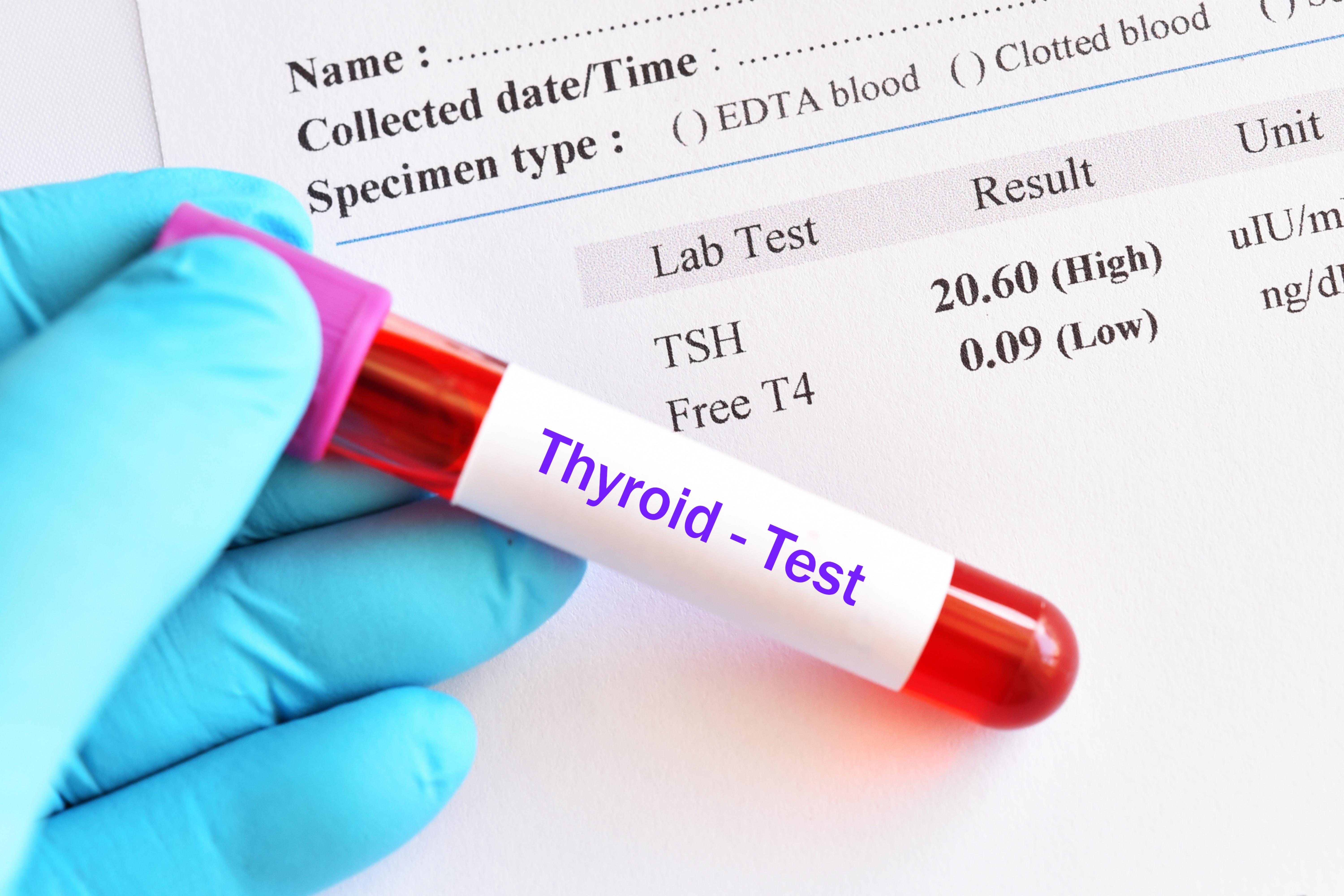
Both hypothyroidism and hyperthyroidism are associated with miscarriage. Even subclinical hypothyroidism, where TSH is mildly elevated but not yet at the diagnostic threshold, has been linked to pregnancy loss.
Treatment: The treatment involves bringing TSH levels into the appropriate range before and during pregnancy. Women with thyroid disorders planning a pregnancy should have their levels checked and medication adjusted, ideally three months before trying to conceive. During pregnancy, TSH targets are lower than outside pregnancy; your doctor will advise you on the specific range.
About 3-5% of couples with recurrent pregnancy loss have a chromosomal rearrangement, usually a translocation in one partner. While the parent with the rearrangement is healthy, their eggs or sperm can have unbalanced chromosomes, leading to embryos that cannot develop normally.
Treatment: Parental karyotyping helps to identify a translocation. If found, IVF with PGT-SR is the best option as it involves the selection of only balanced embryos for transfer.
Even after a thorough investigation, 30-40% of couples with RPL have no identifiable cause. This is deeply frustrating. Even so, the outlook remains positive. Many couples with unexplained RPL still achieve a healthy pregnancy with just supportive care.
Before attempting another pregnancy after recurrent miscarriage, a complete workup should be done. It’s understandable to want to try again, but it’s best to find the cause of the losses first. Tests to discuss with your specialist:
● Pelvic ultrasound and hysteroscopy to check the uterine cavity for structural problems.
● Parental karyotype blood test for both partners to check chromosomal structure.
● Antiphospholipid antibody tests to check for APS; these should ideally be done twice, six to twelve weeks apart, to confirm the result.
● Thyroid function tests, such as TSH and Free T4.
● Full blood count and thrombophilia screen to check for other blood-clotting conditions.
● Hormonal panel with FSH, LH, AMH, and prolactin to assess ovarian reserve and rule out other hormonal contributors.
● Semen analysis, even though sperm quality is rarely a direct cause of recurrent miscarriage.
Some specialists also assess immune markers such as natural killer cell activity, though evidence for immune treatments is still developing and varies by clinic.

Getting physically and emotionally ready for the next pregnancy matters as much as the medical workup.
Give your body time: Most doctors advise waiting for at least one to two natural menstrual cycles after a miscarriage before trying again. This allows the uterine lining to recover and gives time for any investigations to be completed.
Take folic acid consistently: Start at least 3 months before trying to conceive. The recommended dose for most women is 400 to 500 micrograms daily. If you have certain medical conditions or a previous pregnancy with a neural tube defect, your doctor may recommend a higher dose.
Manage thyroid and blood sugar: Both thyroid disease and poorly controlled blood sugar raise miscarriage risk. Get your blood sugar and thyroid levels assessed and treated to normalise them before the next pregnancy.
Cut out smoking and alcohol completely: Both increase miscarriage risk. There is no safe level for alcohol or tobacco before and during pregnancy.
Reach a healthy body weight: Being significantly overweight or underweight affects hormone levels and increases miscarriage risk. Losing or gaining just 4-5 kg can significantly improve your chances.
Support your emotional health: Recurrent pregnancy loss treatment must include the emotional side. Anxiety about the next pregnancy is almost universal after multiple losses. Speaking to a counsellor, either individually or as a couple, before and during the next pregnancy helps.
Book an online appointment with Dr. Ankita Gahlot for Fertility related issues.
Recurrent pregnancy loss is one of the hardest things a couple can face. But for most couples, a healthy pregnancy is still possible with thorough testing, targeted treatment if a cause is found, and good preparation. Get a full assessment, follow your specialist’s advice, and remember that you don’t have to do this alone. Most couples do go on to have a successful pregnancy.


The chances are better than most people expect. Even without identifying a clear cause, studies show that a large proportion of couples with recurrent pregnancy loss go on to have a successful pregnancy. With treatment for conditions like antiphospholipid syndrome, thyroid disorders, or uterine structural problems, live birth rates improve further. Age plays a role, too, which is why identifying recurrent miscarriage causes and treatment sooner rather than later matters.
Complete a full medical workup first. Start taking folic acid at least three months before you try to conceive. Make sure your thyroid levels are normal. Stop smoking and alcohol consumption completely. Reach a healthy weight as needed. Allow yourself time to grieve and consider speaking to a counsellor. A healthy pregnancy after miscarriage depends on both physical preparation and emotional readiness; one without the other makes the process harder.
Key tests include a pelvic ultrasound and hysteroscopy to check the uterine cavity, parental karyotyping for both partners, antiphospholipid antibody tests, thyroid function tests, a thrombophilia screen, a full hormonal panel, and a semen analysis.
Yes. Hormonal problems are a recognised cause of recurrent pregnancy loss. Thyroid disorders are among the most common, and even mildly elevated TSH has been linked to miscarriage. Other factors such as high prolactin, uncontrolled blood sugar, or low progesterone in the second half of the cycle can also play a role.







 Best Gynecologists in Bellandur Best Gynecologists in Electronic City Best Gynecologists in HRBR LayoutBest Gynecologists in Jayanagar Best Gynecologists in Kanakapura RoadBest Gynecologists in Malleswaram Best Gynecologists in Nagarbhavi Best Gynecologists in Old Airport RoadBest Gynecologists in Sahakarnagar Best Gynecologists in Sarjapur RoadBest Gynecologists in ThanisandraBest Gynecologists in Varthur RoadBest Gynecologists in Whitefield Best Gynecologists in Industrial Area Phase IIBest Gynecologists in OMRBest Gynecologists in T NagarBest Gynecologists in New Industrial TownBest Gynecologists in IndirapuramBest Gynecologists in Golf Course RoadBest Gynecologists in Sector 14Best Gynecologists in Sector 47Best Gynecologists in Banjara HillsBest Gynecologists in GachibowliBest Gynecologists in Hitech CityBest Gynecologists in KompallyBest Gynecologists in Gomti NagarBest Gynecologists in MaladBest Gynecologists in NerulBest Gynecologists in VashiBest Gynecologists in Kailash ColonyBest Gynecologists in PatparganjBest Gynecologists in Punjabi BaghBest Gynecologists in VikaspuriBest Gynecologists in Gaur CityBest Gynecologists in Pari ChowkBest Gynecologists in Sector 51Best Gynecologists in Sector 5 Swastik ViharBest Gynecologists in Kalyani NagarBest Gynecologists in SB RoadBest Gynecologists in Pimple SaudagarBest Pediatricians in BellandurBest Pediatricians in Electronic CityBest Pediatricians in HRBR LayoutBest Pediatricians in JayanagarBest Pediatricians in Kanakapura RoadBest Pediatricians in MalleswaramBest Pediatricians in NagarbhaviBest Pediatricians in Old Airport RoadBest Pediatricians in SahakarnagarBest Pediatricians in Sarjapur RoadBest Pediatricians in ThanisandraBest Pediatricians in Varthur RoadBest Pediatricians in WhitefieldBest Pediatricians in Industrial Area Phase IIBest Pediatricians in OMRBest Pediatricians in T NagarBest Pediatricians in New Industrial TownshipBest Pediatricians in IndirapuramBest Pediatricians in Golf Course RoadBest Pediatricians in Sector 14Best Pediatricians in Sector 47Best Pediatricians in Hitech CityBest Pediatricians in Banjara HillsBest Pediatricians in GachibowliBest Pediatricians in KompallyBest Pediatricians in Gomti NagarBest Pediatricians in MaladBest Pediatricians in NerulBest Pediatricians in VashiBest Pediatricians in Kailash ColonyBest Pediatricians in PatparganjBest Pediatricians in Punjabi BaghBest Pediatricians in VikaspuriBest Pediatricians in Gaur CityBest Pediatricians in Pari ChowkBest Pediatricians in Sector 51Best Pediatricians in Sector 5 Swastik ViharBest Pediatricians in Kalyani NagarBest Pediatricians in SB RoadBest Pediatricians in Pimple Saudagar


