
As your baby grows, your body changes in remarkable ways. While these changes support your pregnancy, they can also place extra strain on your muscles and joints, making back pain during pregnancy one of the most common discomforts expectant mothers experience.
For some women, it's a mild ache after a long day. For others, it may make walking, sleeping or even getting out of bed uncomfortable.
The good news is that pregnancy-related back pain can often be managed with simple lifestyle changes, gentle movement and the right support. Understanding why it happens and knowing what helps can make a real difference to your comfort throughout pregnancy.
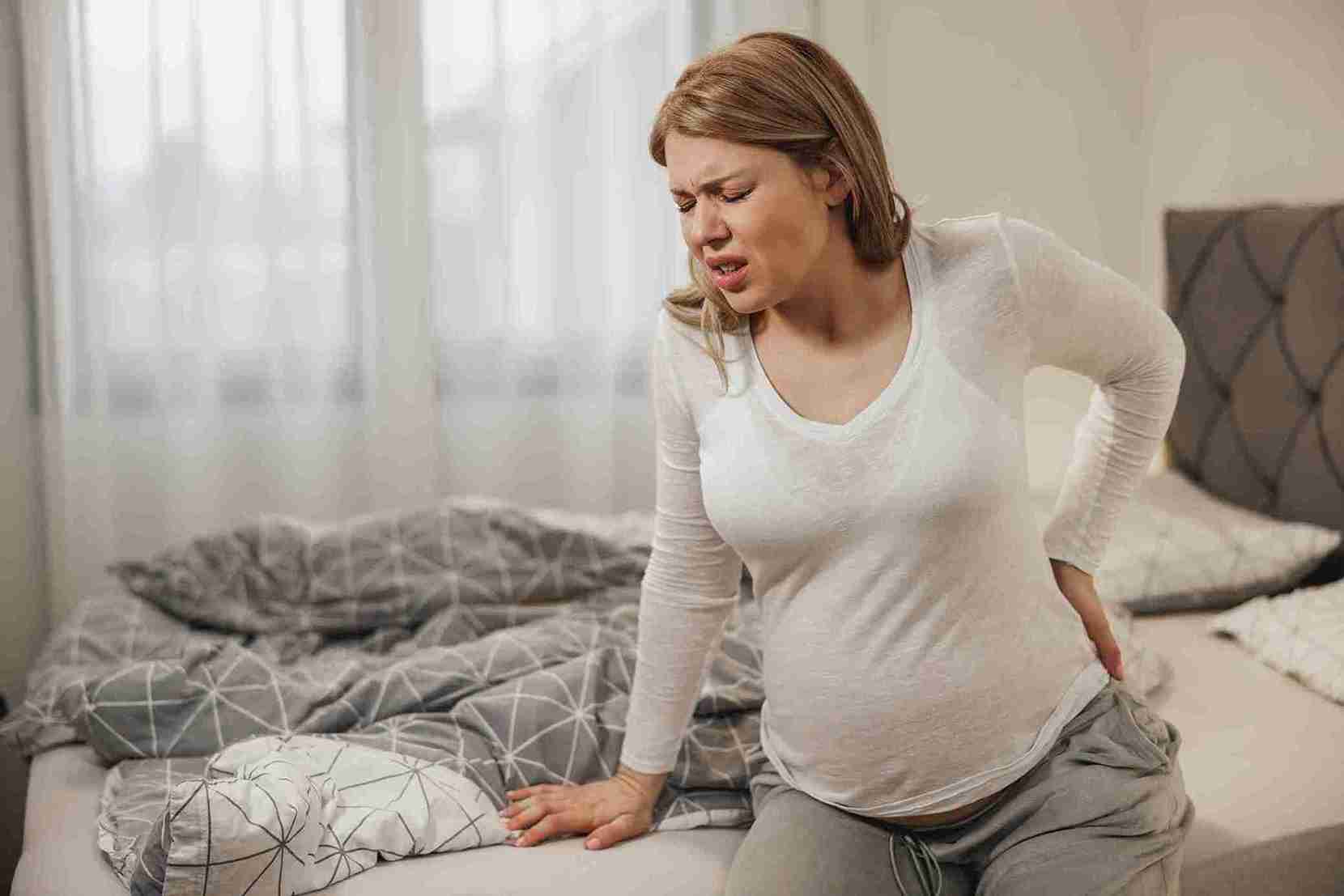
Yes. Back pain during pregnancy is very common and affects many women at some stage of pregnancy. The discomfort may begin early or develop gradually as your pregnancy progresses. Some women experience occasional stiffness, while others notice persistent aches that become more noticeable after standing, walking or sitting for long periods.
Although pregnancy back pain is often a normal part of the body's changes, it shouldn't be something you feel you simply have to tolerate. There are many safe ways to reduce discomfort and improve your day-to-day comfort.
Pregnancy back pain doesn't feel the same for everyone.
You may experience:
● A dull ache in the lower back.
● Tightness around the hips or pelvis.
● Lower back pain during pregnancy after standing or walking for long periods.
● Discomfort when turning over in bed.
● Pain around the buttocks or pelvic region.
Some women describe it as an occasional backache during pregnancy, while others notice discomfort that comes and goes throughout the day. If the pain is severe, sudden or accompanied by other symptoms such as bleeding or fever, it's important to seek medical advice promptly.
Several natural changes during pregnancy can contribute to back pain. As your baby grows, your centre of gravity shifts forwards. This often causes changes in posture, placing extra strain on the muscles that support your back.
Hormonal changes also play a role. These pregnancy hormones help your body get ready for childbirth by loosening up the ligaments around your pelvis. These pregnancy hormones can also make your joints a little wobbly, and that can be uncomfortable. Pregnancy hormones are really making your joints less stable. That is why you feel discomfort from these pregnancy hormones.
Other factors include:
● Gradual weight gain during pregnancy.
● Muscle fatigue as your body adapts.
● Reduced core muscle support.
● Changes in the way you stand, walk and sleep.
These changes can all contribute to lower back pain during pregnancy, particularly during the second and third trimesters.
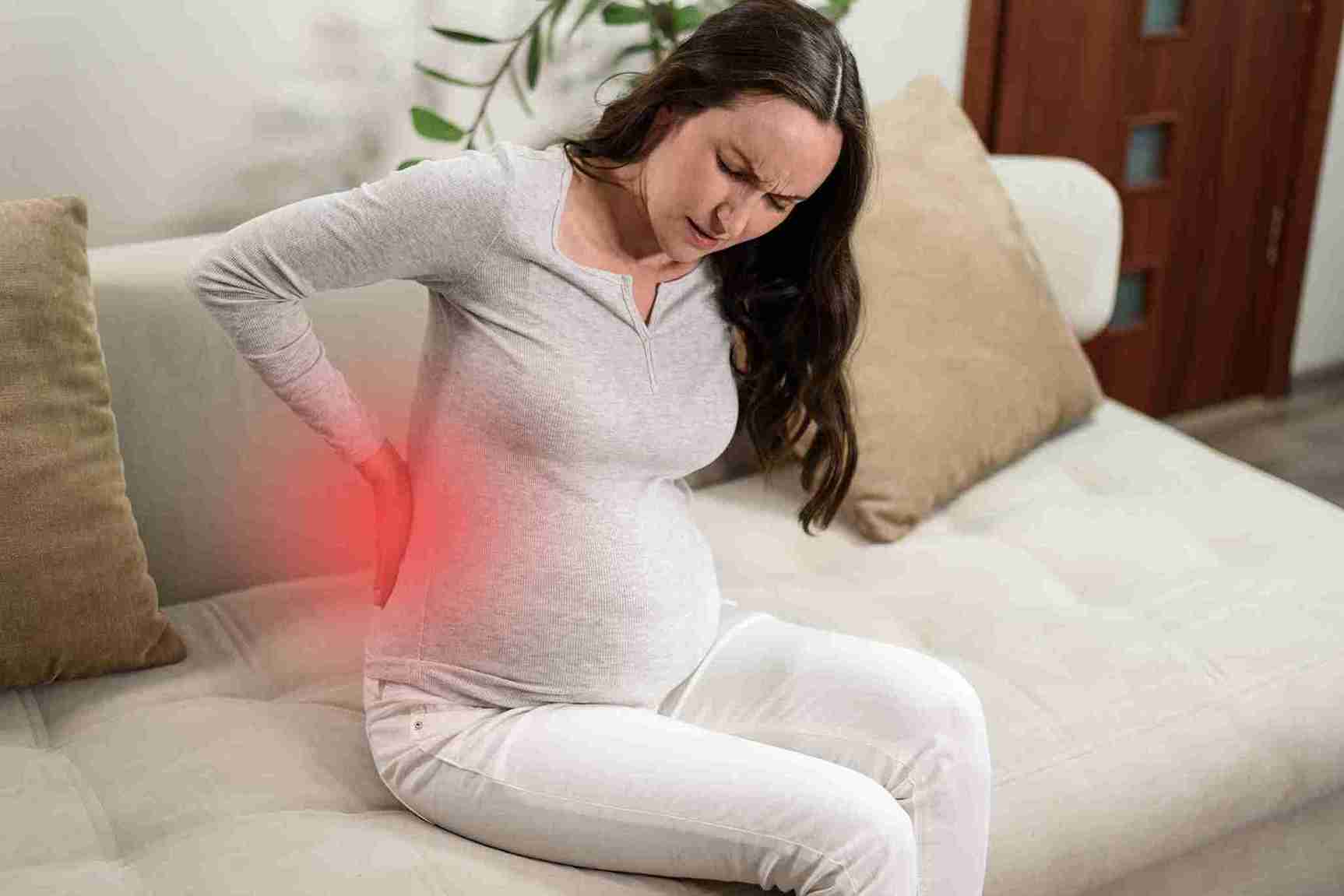
Back pain can change as pregnancy goes on. During early pregnancy, discomfort may be mild and related to hormonal changes or early postural adjustments. As your baby grows, the increasing weight of the uterus puts more strain on your back and your pelvis. A lot of women notice that pain in their back and pelvis worsens after they have been active for a while or at the end of the day.
When you are in the later months of pregnancy, you may feel discomfort in your lower back, and it can move to your hips or pelvic area as your body gets ready for birth. The pain you feel can be different, but it shouldn't become so severe that it prevents you from carrying out normal daily activities.
Although both are common during pregnancy, lower back pain and pelvic girdle pain are slightly different conditions.
Some women experience one type of pain, while others experience both. If you're unsure which type you're experiencing, your healthcare provider or physiotherapist can help identify the cause.
For many women, simple daily habits can make a noticeable difference to back pain during pregnancy. While there isn't a single solution that works for everyone, combining a few gentle strategies often provides effective pregnancy pain relief.
You may find it helpful to:
● Change positions regularly instead of sitting or standing for long periods.
● Wear supportive, low-heeled footwear.
● Apply a warm (not hot) heat pack to the painful area if recommended by your healthcare provider.
● Avoid lifting heavy objects as much as possible.
● Do things that are easy on your body, like going for a walk.
If a particular activity consistently makes your pain worse, modify it or take regular breaks rather than pushing through the discomfort.
Many women notice that their backs feel worse after a poor night's sleep. Small changes to your sleeping position can often improve comfort. As pregnancy progresses, sleeping on your side is generally more comfortable for many women. Placing a pillow between your knees can help keep your hips aligned, while another pillow under your abdomen or behind your back may provide additional support if needed. Your mattress also plays a role. A mattress that is too soft or too firm may not provide adequate support, so finding a comfortable sleeping surface can make a difference. If turning over in bed causes discomfort, try moving your shoulders, hips and knees together instead of twisting through your back.

Gentle pregnancy stretches can help reduce stiffness, improve flexibility and support better posture. Stretch only within a comfortable range and stop if you experience pain, dizziness or discomfort.
How to do it: It helps you move gently and can ease your back stiffness.
How to do it: Start getting on your hands and knees. Slowly arch your back upwards, then gently lower it while keeping the movement smooth and controlled.
How it may help: Strengthens the muscles that support the lower back and pelvis.
How to do it: Stand against a wall or position yourself on your hands and knees. Gently tilt your pelvis forwards and backwards without forcing the movement.
How it may help: Gently stretches the lower back and hips.
How to do it: Kneel comfortably with your knees apart and slowly lean forwards, supporting yourself with cushions if needed. Avoid any position that places pressure on your abdomen.
How it may help: Helps reduce tightness around the hips that may cause back discomfort.
How to do it: To start, you put one foot forward into a lunge position. Then gently shift your weight until you feel a stretch at the front of the opposite hip.
How it may help: Relieves tightness along the sides of the body and encourages better posture.
How to do it: Stand comfortably with your feet apart and slowly reach one arm overhead while leaning gently to the opposite side. Repeat on both sides.
In many cases, yes. Regular, low-impact exercise helps keep the muscles that support your back strong and flexible. Activities such as walking, swimming, prenatal yoga and supervised exercise programmes can all contribute to pregnancy pain relief.
The goal isn't intense exercise. Consistent, gentle movement is often more beneficial than long periods of rest, which can sometimes make stiffness worse. If you've not exercised before pregnancy or have a high-risk pregnancy, speak with your healthcare provider before starting a new exercise programme.
Small changes to your daily routine can help protect your back throughout pregnancy.
● Avoid standing with your weight on one leg for long periods.
● Change your sitting or standing position every 30 to 60 minutes.
● Sit with your back well supported, particularly if you work at a desk.
● Bend your knees rather than your back when picking something up.
● Avoid carrying heavy shopping bags or lifting unnecessary weight.
● If you have a toddler, encourage them to climb onto your lap rather than lifting them whenever possible.
These habits may seem simple, but together they can significantly reduce strain on your back.
Sometimes, back pain needs more than home care. A physiotherapist may be able to help if your pain is affecting your daily activities, disturbing your sleep or making it difficult to walk or move comfortably. They can assess how your body moves and recommend exercises, stretches and posture advice tailored to your pregnancy.
In most cases, back pain during pregnancy is not serious, but certain symptoms should never be ignored.
Seek medical advice promptly if your back pain:
● Is severe or suddenly worsens.
● Is accompanied by vaginal bleeding or fluid leakage.
● Occurs with fever or chills.
● Is associated with painful, regular contractions.
● Causes numbness, weakness or difficulty walking.
● Is accompanied by loss of bladder or bowel control.
These symptoms don't always indicate a serious problem, but they should always be assessed by a healthcare professional.
Back Care Reminder
✔ Change your position regularly throughout the day.
✔ Wear supportive footwear.
✔ Stay gently active if your healthcare provider says it's safe.
✔ Practise gentle pregnancy stretches that feel comfortable.
✔ Don't ignore severe or persistent pain.

Experiencing back pain during pregnancy doesn't mean you have to simply put up with it until your baby arrives.
Simple lifestyle changes, regular movement, supportive sleep positions and gentle exercise can often make a meaningful difference to your comfort. Just as importantly, knowing when to seek medical advice helps ensure that more serious causes of back pain aren't overlooked.
Looking after your back is also part of looking after yourself. The more comfortable you feel, the easier it can be to stay active and enjoy your pregnancy.
Want to consult the best gynecologists in India? Please find the links below.
Want to consult the best Maternity Packages in India? Please find the links below.

Yes. Back pain during pregnancy is very common, particularly as pregnancy progresses. Hormonal changes, weight gain, posture changes and the growing uterus can all contribute to discomfort. If your pain is severe, persistent or accompanied by other concerning symptoms, it should be assessed by a healthcare professional.
Many women find relief through gentle movement, good posture and supportive daily habits. Walking, stretching, sleeping with supportive pillows, wearing comfortable footwear and avoiding prolonged sitting or standing may all help. If these things do not help, you should talk to your doctor. They can give you advice.
Pregnancy back pain should be assessed promptly if it is severe or occurs with other warning signs. Symptoms such as vaginal bleeding, fever, fluid leakage, painful contractions, numbness or difficulty walking need medical evaluation. It's always safer to seek advice if you're unsure whether your symptoms are normal.
Yes, gentle exercise can often help reduce pregnancy-related back pain. Activities such as walking, swimming and prenatal yoga help improve strength, flexibility and posture, which can reduce strain on the back. Choose activities that feel comfortable and check with your healthcare provider before starting a new exercise programme.







 Best Gynecologists in Bellandur Best Gynecologists in Electronic City Best Gynecologists in HRBR LayoutBest Gynecologists in Jayanagar Best Gynecologists in Kanakapura RoadBest Gynecologists in Malleswaram Best Gynecologists in Nagarbhavi Best Gynecologists in Old Airport RoadBest Gynecologists in Sahakarnagar Best Gynecologists in Sarjapur RoadBest Gynecologists in ThanisandraBest Gynecologists in Varthur RoadBest Gynecologists in Whitefield Best Gynecologists in Industrial Area Phase IIBest Gynecologists in OMRBest Gynecologists in T NagarBest Gynecologists in New Industrial TownBest Gynecologists in IndirapuramBest Gynecologists in Golf Course RoadBest Gynecologists in Sector 14Best Gynecologists in Sector 47Best Gynecologists in Banjara HillsBest Gynecologists in GachibowliBest Gynecologists in Hitech CityBest Gynecologists in KompallyBest Gynecologists in Gomti NagarBest Gynecologists in MaladBest Gynecologists in NerulBest Gynecologists in VashiBest Gynecologists in Kailash ColonyBest Gynecologists in PatparganjBest Gynecologists in Punjabi BaghBest Gynecologists in VikaspuriBest Gynecologists in Gaur CityBest Gynecologists in Pari ChowkBest Gynecologists in Sector 51Best Gynecologists in Sector 5 Swastik ViharBest Gynecologists in Kalyani NagarBest Gynecologists in SB RoadBest Gynecologists in Pimple SaudagarBest Pediatricians in BellandurBest Pediatricians in Electronic CityBest Pediatricians in HRBR LayoutBest Pediatricians in JayanagarBest Pediatricians in Kanakapura RoadBest Pediatricians in MalleswaramBest Pediatricians in NagarbhaviBest Pediatricians in Old Airport RoadBest Pediatricians in SahakarnagarBest Pediatricians in Sarjapur RoadBest Pediatricians in ThanisandraBest Pediatricians in Varthur RoadBest Pediatricians in WhitefieldBest Pediatricians in Industrial Area Phase IIBest Pediatricians in OMRBest Pediatricians in T NagarBest Pediatricians in New Industrial TownshipBest Pediatricians in IndirapuramBest Pediatricians in Golf Course RoadBest Pediatricians in Sector 14Best Pediatricians in Sector 47Best Pediatricians in Hitech CityBest Pediatricians in Banjara HillsBest Pediatricians in GachibowliBest Pediatricians in KompallyBest Pediatricians in Gomti NagarBest Pediatricians in MaladBest Pediatricians in NerulBest Pediatricians in VashiBest Pediatricians in Kailash ColonyBest Pediatricians in PatparganjBest Pediatricians in Punjabi BaghBest Pediatricians in VikaspuriBest Pediatricians in Gaur CityBest Pediatricians in Pari ChowkBest Pediatricians in Sector 51Best Pediatricians in Sector 5 Swastik ViharBest Pediatricians in Kalyani NagarBest Pediatricians in SB RoadBest Pediatricians in Pimple Saudagar


