





If you have been diagnosed with an autoimmune disorder, you may worry about how it will affect your chances of getting pregnant. Conditions like Hashimoto’s thyroiditis, lupus, rheumatoid arthritis, antiphospholipid syndrome, and coeliac disease (also known as celiac disease) may affect your ability to get pregnant in some ways, but they do not always stop you from having a baby.
The connection between autoimmune disorders and fertility depends on the specific condition, how well the condition is controlled, and whether hormones, ovulation, egg quality, sperm quality, or implantation are impacted. With the right planning and medical support, many people with autoimmune conditions go on to have healthy pregnancies.
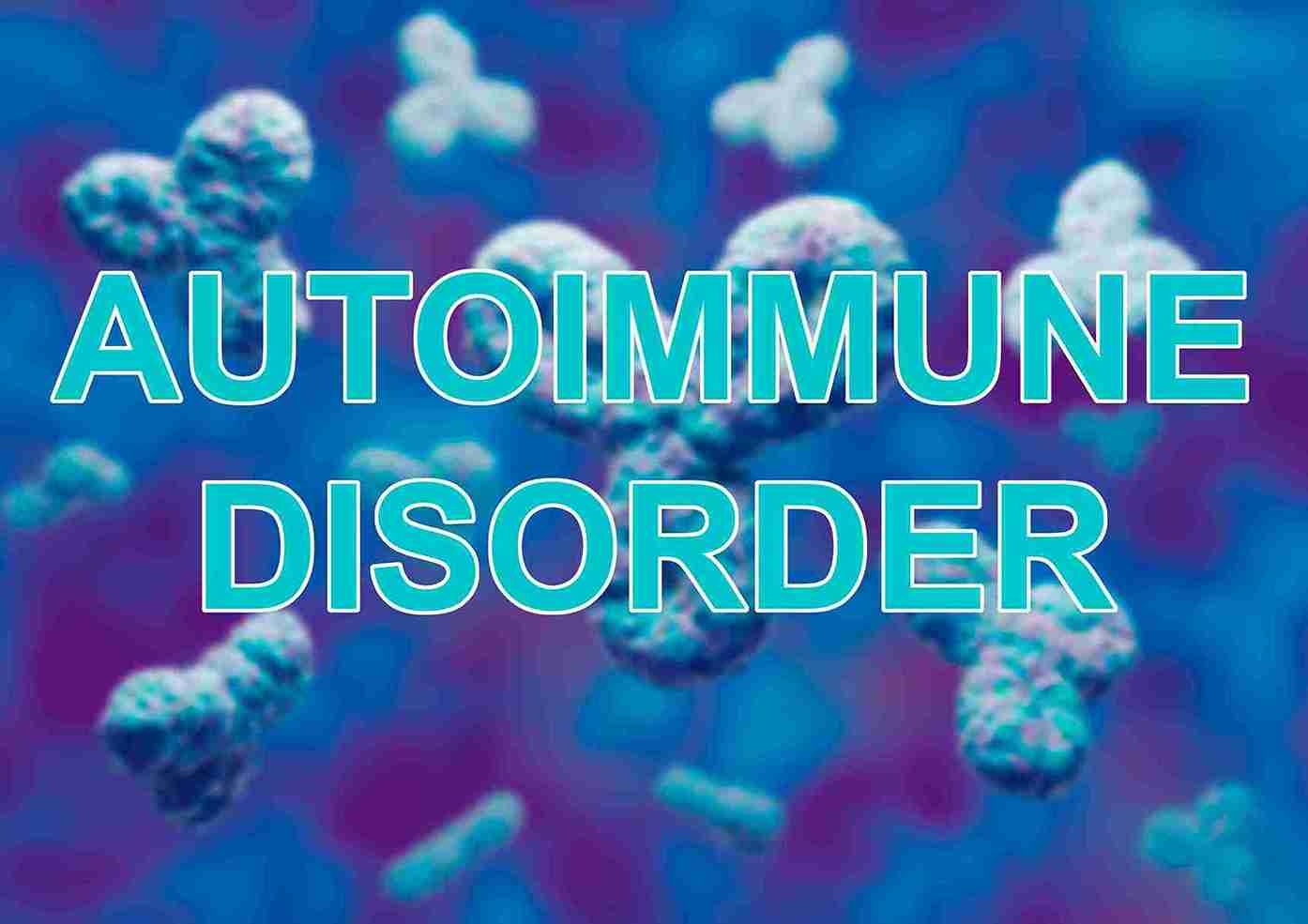
The immune system’s job is to protect us from infections and help restore us to health when we get sick. Sometimes it misidentifies our own cells as threats and begins attacking healthy cells in the body. When the immune system does this, it can affect different parts of our body, such as the thyroid, joints, skin, digestive system, blood vessels, and reproductive system.
Some autoimmune conditions are mild and well-controlled, while others may flare up occasionally. Common examples include Hashimoto’s thyroiditis, lupus, rheumatoid arthritis, antiphospholipid syndrome, type 1 diabetes, and coeliac disease/celiac disease. Since some of these conditions are more common in women, understanding their possible effect on fertility and pregnancy is important.
The answer is yes, but not every autoimmune condition affects fertility in the same way. In some cases, women with autoimmune diseases conceive naturally without difficulty. In others, inflammation, hormonal imbalances, or complications related to the disease itself may make it harder to get pregnant or maintain a pregnancy.
Because of autoimmune conditions, your body may have inflammation, which can interfere with the hormones involved in ovulation and reproductive function. Some disorders, such as Hashimoto's thyroiditis, affect thyroid hormone levels, while others can influence ovarian function or cause menstrual irregularities.
Certain conditions may increase the risk of implantation problems or recurrent miscarriages. For example, antiphospholipid syndrome is associated with blood clotting abnormalities that can affect pregnancy. Autoimmune infertility may involve immune system responses and inflammation that can affect reproductive health. However, the exact mechanisms behind how these factors influence fertility are still being studied.
It's also important to remember that fertility can be influenced by autoimmune disease and also by factors such as age, disease activity, medications, and overall health. Which is why a personalised approach is essential. Many people with autoimmune disorders successfully conceive, especially when the condition is well controlled before pregnancy.

Autoimmune diseases are not all the same in how they affect health. Some autoimmune diseases can affect the hormone levels in our body. They can even affect ovulation. Then there are those autoimmune diseases that are linked to issues such as recurrent miscarriages or pregnancy complications.
Hashimoto's disease is one of the most common autoimmune thyroid disorders. If thyroid hormone levels are not well controlled, it may lead to irregular ovulation and make conception more difficult. Luckily, there are appropriate treatments which help restore normal reproductive function.
Having lupus, which is also known as lupus erythematosus, does not mean you cannot get pregnant, but active disease can increase the risk of complications. Pregnancy outcomes are generally better when lupus is well controlled before conception.
Chronic inflammation and certain medications used to treat rheumatoid arthritis may sometimes delay conception. However, many women with rheumatoid arthritis go on to have successful pregnancies with thoughtful preparation and close medical guidance.
This condition can cause problems with blood clots and miscarriages. Early diagnosis and prompt treatment can significantly improve pregnancy outcomes.
Untreated coeliac/celiac disease may lead to nutritional deficiencies that affect fertility. Following a strict gluten-free diet can help restore nutrient balance, support overall health, and may improve fertility outcomes.
For many women, the answer is yes. Having an autoimmune condition does not automatically mean you will struggle to conceive or experience pregnancy complications. In fact, many women with conditions such as Hashimoto's thyroiditis, lupus, rheumatoid arthritis, or coeliac/celiac disease go on to have successful pregnancies, either naturally or with fertility support when needed.
The key to pregnancy with autoimmune disease is careful preparation. Doctors generally recommend attempting conception when your condition is stable and well-managed. This can lower the risk of complications and improve the chances of a healthy pregnancy.
It's also important to remember that every autoimmune disorder acts differently. Some conditions may require review or adjustments to your medications before trying to conceive. Working closely with your gynaecologist, fertility specialist, rheumatologist, endocrinologist, or other specialists, depending on your condition, can help prioritise your health and your baby's throughout pregnancy.
Managing an autoimmune disorder involves more than focusing on the diagnosis alone. Staying on top of your condition, maintaining overall health, and seeking timely medical guidance can help support your fertility journey. With appropriate care, many women with autoimmune disorders are able to achieve their family-building goals.
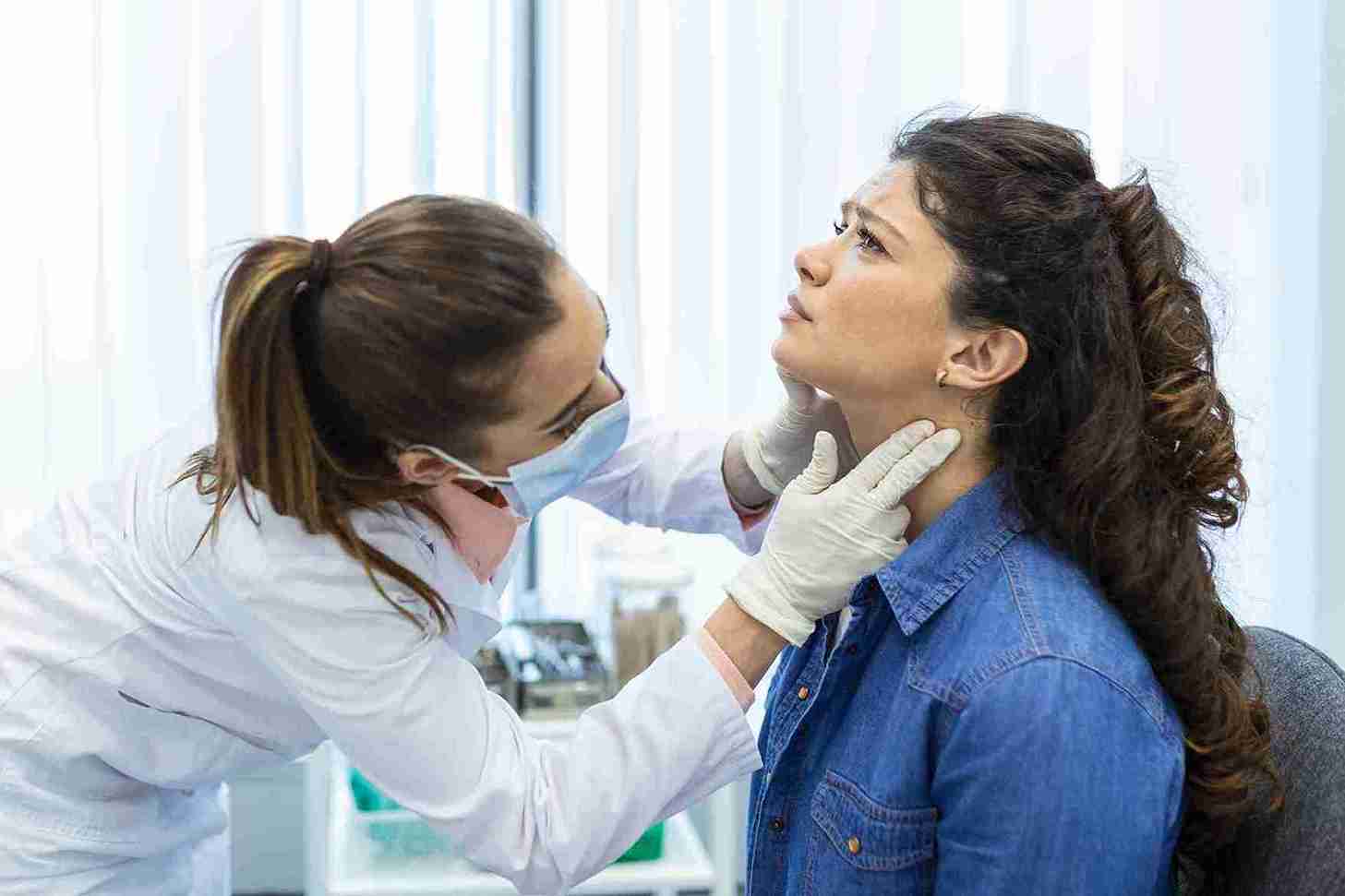
Planning ahead can make a meaningful difference when you're trying to conceive with an autoimmune condition. Taking a few proactive steps before pregnancy can help optimise fertility and improve pregnancy outcomes.
Doctors generally recommend planning pregnancy when the condition has been stable for several months. Active inflammation or disease flare-ups may make conception and pregnancy management more challenging, which is why controlling the condition before pregnancy is important.
Certain medications prescribed for autoimmune disorders may need to be changed or avoided during pregnancy. Before trying to conceive, discuss your medications with your doctor to understand if any adjustments are needed. Do not stop any prescribed treatment without medical guidance, as managing your condition safely is important for your health and pregnancy planning.
Maintaining a healthy weight can support overall well-being and may help create a healthier foundation for pregnancy. Following a balanced diet, getting adequate sleep, and managing stress can support your reproductive health. Addressing nutritional deficiencies before planning a pregnancy also helps.
Preconception counselling allows your healthcare team to review your condition, medications, thyroid function, and overall health before you start trying for a baby. This helps identify potential risks early and create a personalised pregnancy plan that takes current challenges into account.
Keep up With Regular Follow-Ups
Regular check-ups during pregnancy are important for monitoring your health and supporting a safe pregnancy journey. Blood tests, scans or specialist visits are important to ensure you and your baby stay healthy throughout.
Having an autoimmune condition does not automatically mean you will need IVF. Many women conceive naturally, while others may benefit from treatments such as ovulation induction, intrauterine insemination (IUI), or IVF, depending on the underlying cause of infertility.
The choice of treatment depends on several factors, including your age, ovarian reserve, sperm quality, the activity and severity of your condition, and how long you have been trying to conceive.

Consider speaking with a fertility specialist if you've been trying to conceive without success, have irregular periods, have experienced recurrent miscarriages, or have already been diagnosed with an autoimmune disorder. Women over 35 may benefit from earlier evaluation.
Seeking timely advice can help identify any underlying concerns and create a plan that supports both fertility and overall health.
Living with an autoimmune disorder does not mean you have to put your family-building plans on hold. While some conditions may affect ovulation, implantation, or pregnancy outcomes, many women with autoimmune diseases are able to conceive naturally or with fertility support and go on to have healthy pregnancies and healthy babies.
Understanding your condition, keeping it well managed, and seeking timely medical advice can help you plan your pregnancy journey. With the right care and personalised support, many people with autoimmune disorders are able to conceive.

Want to consult the best gynecologists in India? Please find the links below.
Want to consult the best Maternity Packages in India? Please find the links below.

Yes. Hashimoto's disease affects thyroid hormone levels, which play an important role in ovulation and menstrual cycles. If left untreated, it may make conception more challenging, but appropriate treatment and regular monitoring can help many women conceive naturally and have healthy pregnancies.
Most women with lupus can conceive naturally, especially when the disease is well controlled. Planning conception during periods of low disease activity and having close monitoring throughout the journey can help reduce the risk of complications.
Maintaining a healthy weight, eating a balanced diet, getting adequate sleep, exercising regularly, and effectively managing stress can all support reproductive health. Following a prescribed treatment and correcting nutritional deficiencies are equally important when planning pregnancy.
Yes. Some autoimmune conditions and the associated inflammation may affect sperm quality, hormone levels, or sexual function. Since the impact varies from person to person, a fertility evaluation can help identify potential concerns and determine the right treatment approach.


 Best Gynecologists in Bellandur Best Gynecologists in Electronic City Best Gynecologists in HRBR LayoutBest Gynecologists in Jayanagar Best Gynecologists in Kanakapura RoadBest Gynecologists in Malleswaram Best Gynecologists in Nagarbhavi Best Gynecologists in Old Airport RoadBest Gynecologists in Sahakarnagar Best Gynecologists in Sarjapur RoadBest Gynecologists in ThanisandraBest Gynecologists in Varthur RoadBest Gynecologists in Whitefield Best Gynecologists in Industrial Area Phase IIBest Gynecologists in OMRBest Gynecologists in T NagarBest Gynecologists in New Industrial TownBest Gynecologists in IndirapuramBest Gynecologists in Golf Course RoadBest Gynecologists in Sector 14Best Gynecologists in Sector 47Best Gynecologists in Banjara HillsBest Gynecologists in GachibowliBest Gynecologists in Hitech CityBest Gynecologists in KompallyBest Gynecologists in Gomti NagarBest Gynecologists in MaladBest Gynecologists in NerulBest Gynecologists in VashiBest Gynecologists in Kailash ColonyBest Gynecologists in PatparganjBest Gynecologists in Punjabi BaghBest Gynecologists in VikaspuriBest Gynecologists in Gaur CityBest Gynecologists in Pari ChowkBest Gynecologists in Sector 51Best Gynecologists in Sector 5 Swastik ViharBest Gynecologists in Kalyani NagarBest Gynecologists in SB RoadBest Gynecologists in Pimple SaudagarBest Pediatricians in BellandurBest Pediatricians in Electronic CityBest Pediatricians in HRBR LayoutBest Pediatricians in JayanagarBest Pediatricians in Kanakapura RoadBest Pediatricians in MalleswaramBest Pediatricians in NagarbhaviBest Pediatricians in Old Airport RoadBest Pediatricians in SahakarnagarBest Pediatricians in Sarjapur RoadBest Pediatricians in ThanisandraBest Pediatricians in Varthur RoadBest Pediatricians in WhitefieldBest Pediatricians in Industrial Area Phase IIBest Pediatricians in OMRBest Pediatricians in T NagarBest Pediatricians in New Industrial TownshipBest Pediatricians in IndirapuramBest Pediatricians in Golf Course RoadBest Pediatricians in Sector 14Best Pediatricians in Sector 47Best Pediatricians in Hitech CityBest Pediatricians in Banjara HillsBest Pediatricians in GachibowliBest Pediatricians in KompallyBest Pediatricians in Gomti NagarBest Pediatricians in MaladBest Pediatricians in NerulBest Pediatricians in VashiBest Pediatricians in Kailash ColonyBest Pediatricians in PatparganjBest Pediatricians in Punjabi BaghBest Pediatricians in VikaspuriBest Pediatricians in Gaur CityBest Pediatricians in Pari ChowkBest Pediatricians in Sector 51Best Pediatricians in Sector 5 Swastik ViharBest Pediatricians in Kalyani NagarBest Pediatricians in SB RoadBest Pediatricians in Pimple Saudagar


