





One of the most common questions during IVF treatment is how many days after egg retrieval embryo transfer is performed when using frozen embryos. Unlike a fresh embryo transfer, a frozen embryo transfer (FET) is usually not done immediately after egg retrieval. Instead, the embryos are frozen and transferred during a later menstrual cycle once the uterus is ready for implantation.
For most patients, frozen embryo transfer is performed about 4–8 weeks after egg retrieval, although the exact timing varies. Factors such as embryo development, uterine lining preparation, hormone levels, genetic testing, and individual treatment protocols all influence when the transfer is scheduled.
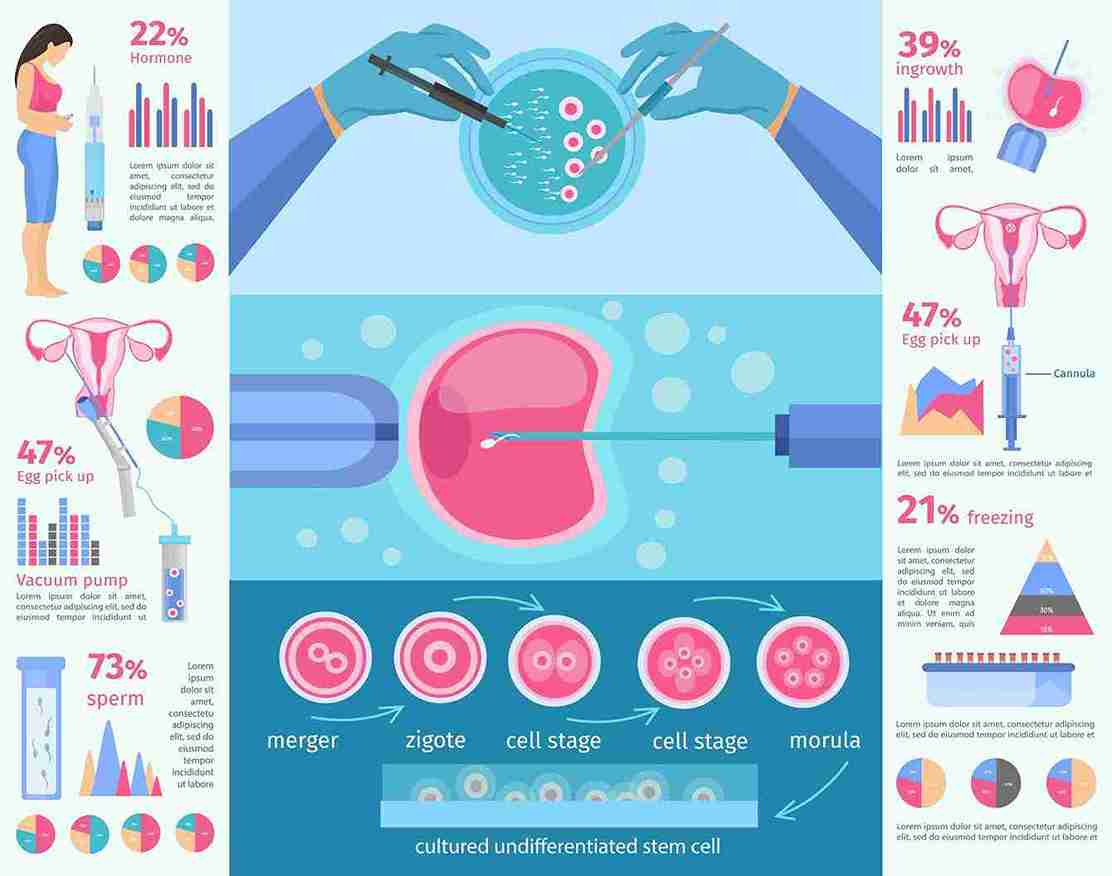
The difference between egg retrieval and frozen embryo transfer takes more time compared to fresh embryo transfer since there should be time for the body to heal itself, as well as preparing the womb in an optimal manner.
While many patients undergo transfer in the cycle immediately following retrieval, others may need a longer waiting period depending on their medical situation.
There are various reasons why fertility doctors would not proceed with immediate transfer.
IVF involves the stimulation of the ovaries using fertility medications, which causes the production of multiple eggs. Once the eggs have been extracted, there needs to be a recovery period before attempting to conceive.
A successful pregnancy requires that the development of the embryo and endometrium is synchronised.
A successful pregnancy depends on proper synchronisation between the embryo and the uterine lining. Waiting until the endometrium is optimally prepared may improve the chances of implantation.
Patients who are susceptible to Ovarian Hyperstimulation Syndrome (OHSS) are usually recommended to postpone embryo transfer. This strategy ensures that all signs are gone and prevents future problems.
This approach allows symptoms to resolve and may reduce complications.
Some patients choose preimplantation genetic testing, such as PGT-A or PGT-M. These tests require additional laboratory processing time, making frozen embryo transfer the preferred option.
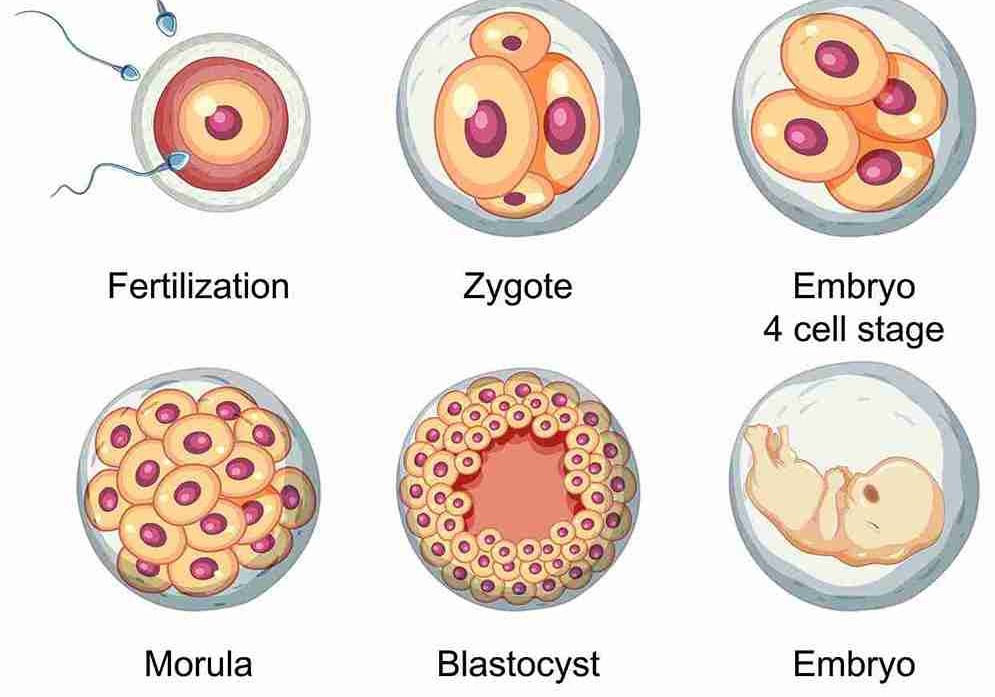
Knowing the average time between egg retrieval and frozen embryo transfer can be helpful for many patients.
Days Five to Seven
Many patients are able to proceed with transfer during their next menstrual cycle, although some may require additional preparation time.
The timing of frozen embryo transfer depends partly on the type of cycle being used.
In a natural cycle, transfer timing follows the body's natural ovulation pattern. In a medicated cycle, hormone medications are used to prepare the uterine lining and determine transfer timing.

A number of factors may impact your wait time between egg retrieval and frozen embryo transfer, such as:
Since every IVF process is different, the wait time will be different for each individual.
Many patients worry that waiting weeks or months before transfer could reduce their chances of pregnancy.
Frozen embryos can remain viable for extended periods when stored properly. Waiting longer does not necessarily decrease success rates. In fact, many fertility specialists believe that uterine receptivity and proper embryo-endometrium synchronisation are more important than immediate embryo transfer.
Preparing for transfer involves following your fertility specialist's recommendations carefully.
Helpful steps include:
These measures support overall health during treatment.

Many women search for what to avoid after egg retrieval while recovering from the procedure.
Following egg retrieval, it is generally recommended to avoid:
You should also follow any specific instructions provided by your fertility team regarding activity levels and medications.
Contact your fertility specialist if you experience:
Early communication can help address concerns and ensure your treatment stays on track.
Cloudnine's fertility specialists provide comprehensive IVF and frozen embryo transfer care tailored to each individual's needs. Through advanced fertility assessments, embryo monitoring, endometrial evaluation, and personalised treatment planning, the team helps determine the optimal timing for embryo transfer. Whether you are preparing for egg retrieval or a frozen embryo transfer cycle, expert guidance can help you navigate each stage with confidence.

If you are wondering how many days after egg retrieval is embryo transfer performed in a frozen cycle, the answer is typically around 4–8 weeks after retrieval, although some patients may wait longer. The exact timing depends on embryo development, hormone levels, uterine preparation, and individual treatment plans. Rather than focusing on speed, fertility specialists aim to transfer the embryo when the chances of successful implantation are highest.
So, the answer to how many days after egg retrieval is embryo transfer performed in a frozen cycle is around 4–8 weeks after retrieval, although some patients may wait longer. The exact timing depends on embryo development, hormone levels, uterine preparation, and individual treatment plans. Instead of focusing on speed, fertility specialists aim to transfer the embryo when the chances of successful implantation are highest.
Want to consult the best gynecologists in India? Please find the links below.
Want to consult the best Maternity Packages in India? Please find the links below.

The most challenging stage varies from person to person. Many patients find the waiting periods, particularly between embryo transfer and pregnancy testing, emotionally demanding.
Yes, pregnancy is possible with three eggs retrieved. Success depends on factors such as age, egg quality, fertilisation rates, and embryo development.
IVF outcomes can be affected at multiple stages, including fertilisation, embryo development, implantation, and early pregnancy. No single stage accounts for all unsuccessful cycles.
IVF success rates are generally highest in women under 35. However, successful pregnancies can occur at older ages depending on individual fertility factors.


 Best Gynecologists in Bellandur Best Gynecologists in Electronic City Best Gynecologists in HRBR LayoutBest Gynecologists in Jayanagar Best Gynecologists in Kanakapura RoadBest Gynecologists in Malleswaram Best Gynecologists in Nagarbhavi Best Gynecologists in Old Airport RoadBest Gynecologists in Sahakarnagar Best Gynecologists in Sarjapur RoadBest Gynecologists in ThanisandraBest Gynecologists in Varthur RoadBest Gynecologists in Whitefield Best Gynecologists in Industrial Area Phase IIBest Gynecologists in OMRBest Gynecologists in T NagarBest Gynecologists in New Industrial TownBest Gynecologists in IndirapuramBest Gynecologists in Golf Course RoadBest Gynecologists in Sector 14Best Gynecologists in Sector 47Best Gynecologists in Banjara HillsBest Gynecologists in GachibowliBest Gynecologists in Hitech CityBest Gynecologists in KompallyBest Gynecologists in Gomti NagarBest Gynecologists in MaladBest Gynecologists in NerulBest Gynecologists in VashiBest Gynecologists in Kailash ColonyBest Gynecologists in PatparganjBest Gynecologists in Punjabi BaghBest Gynecologists in VikaspuriBest Gynecologists in Gaur CityBest Gynecologists in Pari ChowkBest Gynecologists in Sector 51Best Gynecologists in Sector 5 Swastik ViharBest Gynecologists in Kalyani NagarBest Gynecologists in SB RoadBest Gynecologists in Pimple SaudagarBest Pediatricians in BellandurBest Pediatricians in Electronic CityBest Pediatricians in HRBR LayoutBest Pediatricians in JayanagarBest Pediatricians in Kanakapura RoadBest Pediatricians in MalleswaramBest Pediatricians in NagarbhaviBest Pediatricians in Old Airport RoadBest Pediatricians in SahakarnagarBest Pediatricians in Sarjapur RoadBest Pediatricians in ThanisandraBest Pediatricians in Varthur RoadBest Pediatricians in WhitefieldBest Pediatricians in Industrial Area Phase IIBest Pediatricians in OMRBest Pediatricians in T NagarBest Pediatricians in New Industrial TownshipBest Pediatricians in IndirapuramBest Pediatricians in Golf Course RoadBest Pediatricians in Sector 14Best Pediatricians in Sector 47Best Pediatricians in Hitech CityBest Pediatricians in Banjara HillsBest Pediatricians in GachibowliBest Pediatricians in KompallyBest Pediatricians in Gomti NagarBest Pediatricians in MaladBest Pediatricians in NerulBest Pediatricians in VashiBest Pediatricians in Kailash ColonyBest Pediatricians in PatparganjBest Pediatricians in Punjabi BaghBest Pediatricians in VikaspuriBest Pediatricians in Gaur CityBest Pediatricians in Pari ChowkBest Pediatricians in Sector 51Best Pediatricians in Sector 5 Swastik ViharBest Pediatricians in Kalyani NagarBest Pediatricians in SB RoadBest Pediatricians in Pimple Saudagar


