
Cases of early puberty have been increasing globally. Many parents notice physical and emotional changes appearing earlier than expected, which raises concern regarding growth, hormones, and health issues in the future. While genetics and certain medical conditions play a major role, researchers are also exploring how diet and lifestyle may influence hormonal development in children.
Certain processed foods, excess sugar, unhealthy fats, and exposure to hormone-disrupting chemicals are often discussed as possible contributors to earlier puberty onset. Although food alone does not determine when puberty starts, studies suggest that eating habits and obesity may affect hormonal balance and growth patterns.
This has raised awareness about foods that cause early puberty and how dietary choices may impact children’s health over time.
Understanding the possible connection between nutrition and hormonal development can help parents make healthier food choices for their children.

Early puberty, also called precocious puberty, happens when a child’s body begins developing into adulthood earlier than the usual age range. In girls, puberty typically starts between ages 8 and 13, while in boys it usually begins between ages 9 and 14.
When these changes occur before age 8 in girls or before age 9 in boys, it may be considered early puberty.
Common indicators include:
● Development of breasts before 8 years
● Early menstruation
● Body odour
● Acne
● Faster height growth
Indicators include:
● Deepening voice
● Hair on the face
● Muscle growth
● Fast growth spurt
A question that most parents ask is, “Can food cause early puberty?” Well, the answer lies in the fact that food alone does not "cause" puberty but influences hormones, body fat, insulin, and overall growth patterns.
Research shows that obesity is strongly associated with earlier puberty in girls. Excess body fat can affect estrogen levels and other hormones involved in sexual development. This is why experts often discuss the connection between a diet linked to early puberty and childhood obesity.
In addition, some packaged foods may expose children to chemicals that can interfere with normal hormone function. However, genetics, physical activity, sleep, stress, and environmental factors also play important roles.
Here is the list of foods to avoid during early puberty. This includes:
Foods like hamburgers, French fries, snack products, and instant noodles have high amounts of unhealthy fats, refined carbs, and unnecessary calories. Their regular consumption might cause obesity and hormonal disturbances; these factors can contribute to early puberty onset.
These foods are commonly included in discussions about foods that cause early puberty because they offer poor nutrition while increasing the risk of weight gain.
Beverages such as soda, juice drinks, sweets, pastries, and candy increase caloric intake. High consumption of sugar may lead to alterations in one's insulin levels and promote fat accumulation, affecting hormone production.
A tendency toward consuming too much sugar might become a risk factor for childhood obesity and early puberty onset.
Processed meats such as sausages, chicken nuggets, salami, and hot dogs tend to have preservatives, salt, and unhealthy fats. Eating too much of these foods could result in negative health consequences. While an occasional indulgence does not affect one's well-being, moderation should always be exercised while eating these foods.
Foods with artificial colouring agents, such as coloured candies, packaged sweets, flavoured chips, and other processed snack foods, have been linked to early puberty by some experts.
Parents may choose to reduce highly processed snack foods as a precautionary measure.
Some studies have explored whether hormones naturally present in dairy products could influence puberty timing. However, evidence remains mixed, and dairy itself should not be viewed as harmful.
Milk and dairy products provide important nutrients like calcium and protein, so moderation and balance are key. This topic is often discussed while evaluating foods that cause early puberty in females, but no direct relationship has been conclusively proven.
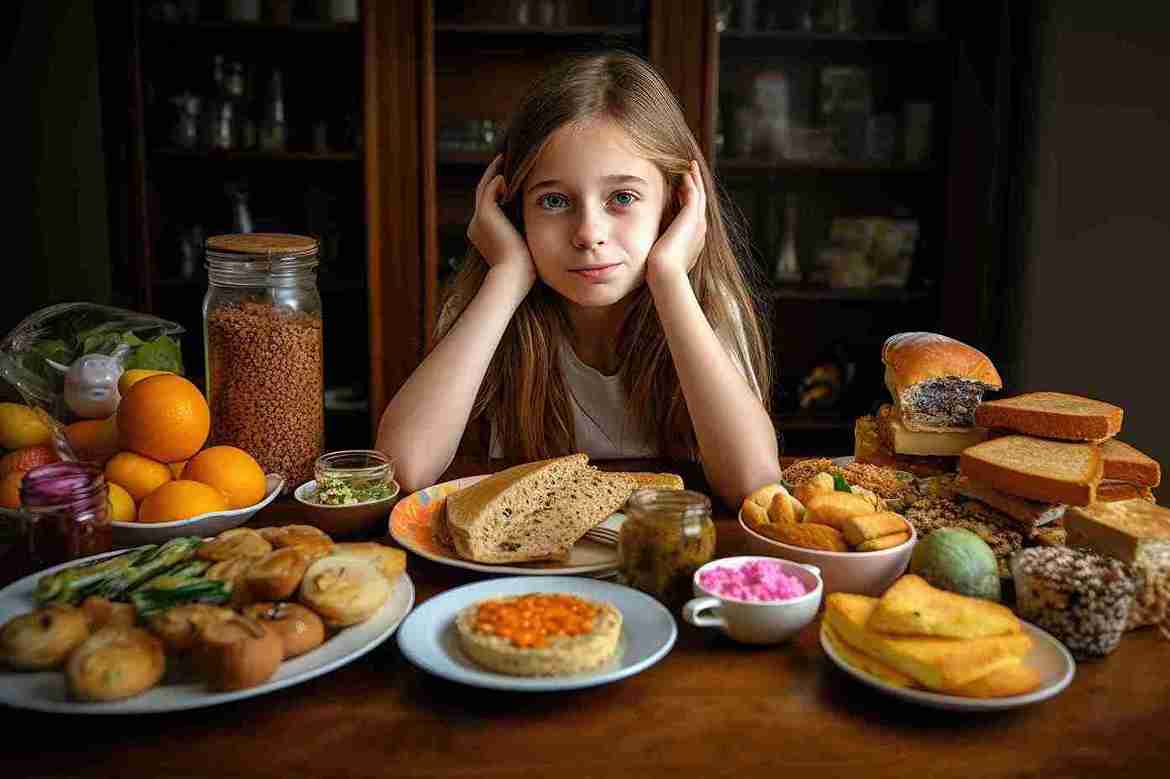
Foods such as chips, bakery products, desserts, and highly processed foods are usually low in vitamins and minerals but high in fat, sugar, and salt.
Unhealthy dieting associated with obesity can be described as one of the critical factors in early puberty discussions. Children who frequently eat junk food may also have lower physical activity levels, further increasing health risks.
Caffeinated energy drinks and soda are not appropriate drinks for children since excessive consumption of caffeine may adversely impact sleep cycles, metabolism, and general health. Sleep disruptions can also affect hormone regulation over time. Healthy alternatives include drinking water, milk, or making beverages at home using fresh ingredients.
Food products that come in specific plastic materials or excessive packaging may introduce children to substances such as Bisphenol A (BPA). These chemicals are called endocrine disruptors since they can disrupt hormones.
Although it is inevitable to have some contact, minimising plastic food storage and opting for fresh produce can mitigate potential risks.
A balanced diet is crucial for healthy development. Rather than thinking about what needs to be avoided, parents should include foods like:
● Fresh fruit
● Vegetables
● Whole grains
● Nuts
● Protein
● Fats
These foods provide vitamins, minerals, fibre, and antioxidants that support normal growth and hormonal balance.
Apart from diet, there could be other factors responsible for early puberty:
● Being overweight
● Endocrine problems
● Exposure to an external environment
● Physical inactivity
● Stress
Parents can support healthier development through simple lifestyle habits:
● Encourage outdoor play and physical activity
● Help children maintain a healthy weight
● Reduce processed food intake
● Ensure adequate sleep
● Limit screen time
● Avoid sugary beverages
● Focus on balanced meals
Healthy daily habits can positively influence overall physical and emotional development.
Parents should consult a paediatrician if they notice:
● Puberty before age 8 in girls
● Puberty before age 9 in boys
● Rapid physical changes
● Emotional distress
● Very fast growth spurts
Early evaluation can help identify underlying causes and determine whether treatment is needed.
Cloudnine specialises in comprehensive paediatric and adolescent healthcare with a strong emphasis on early growth monitoring, nutrition guidance, and hormonal health support. Their multidisciplinary approach combines paediatricians, nutrition experts, and specialists to help parents better understand developmental changes in children. With personalised care, preventive guidance, and child-focused wellness programs, our experts support healthy growth and timely medical evaluation when concerns about puberty arise.

Early puberty can be influenced by multiple factors, including genetics, body weight, lifestyle, and environmental exposure. While no single food directly triggers puberty, diets high in processed foods, sugar, and unhealthy fats may contribute to hormonal imbalance and obesity. Understanding possible dietary influences and encouraging healthier habits can help support balanced growth and overall well-being in children.

Every child is different, and some develop at a faster pace than others. Factors such as genetics, body mass, hormones, and environment may all play a role. A consultation with your doctor will determine whether your child’s development is within the normal range.
Losing weight, regular exercise, avoiding processed food and ensuring proper sleeping habits can help maintain balance in growth and hormone levels.
While there is evidence suggesting that Vitamin D may affect hormones, further research needs to be done to prove its exact impact on the development of hormonal imbalances.
There is no single deficiency directly known to cause early periods. However, nutritional imbalance and obesity may influence hormonal changes.







 Best Gynecologists in Bellandur Best Gynecologists in Electronic City Best Gynecologists in HRBR LayoutBest Gynecologists in Jayanagar Best Gynecologists in Kanakapura RoadBest Gynecologists in Malleswaram Best Gynecologists in Nagarbhavi Best Gynecologists in Old Airport RoadBest Gynecologists in Sahakarnagar Best Gynecologists in Sarjapur RoadBest Gynecologists in ThanisandraBest Gynecologists in Varthur RoadBest Gynecologists in Whitefield Best Gynecologists in Industrial Area Phase IIBest Gynecologists in OMRBest Gynecologists in T NagarBest Gynecologists in New Industrial TownBest Gynecologists in IndirapuramBest Gynecologists in Golf Course RoadBest Gynecologists in Sector 14Best Gynecologists in Sector 47Best Gynecologists in Banjara HillsBest Gynecologists in GachibowliBest Gynecologists in Hitech CityBest Gynecologists in KompallyBest Gynecologists in Gomti NagarBest Gynecologists in MaladBest Gynecologists in NerulBest Gynecologists in VashiBest Gynecologists in Kailash ColonyBest Gynecologists in PatparganjBest Gynecologists in Punjabi BaghBest Gynecologists in VikaspuriBest Gynecologists in Gaur CityBest Gynecologists in Pari ChowkBest Gynecologists in Sector 51Best Gynecologists in Sector 5 Swastik ViharBest Gynecologists in Kalyani NagarBest Gynecologists in SB RoadBest Gynecologists in Pimple SaudagarBest Pediatricians in BellandurBest Pediatricians in Electronic CityBest Pediatricians in HRBR LayoutBest Pediatricians in JayanagarBest Pediatricians in Kanakapura RoadBest Pediatricians in MalleswaramBest Pediatricians in NagarbhaviBest Pediatricians in Old Airport RoadBest Pediatricians in SahakarnagarBest Pediatricians in Sarjapur RoadBest Pediatricians in ThanisandraBest Pediatricians in Varthur RoadBest Pediatricians in WhitefieldBest Pediatricians in Industrial Area Phase IIBest Pediatricians in OMRBest Pediatricians in T NagarBest Pediatricians in New Industrial TownshipBest Pediatricians in IndirapuramBest Pediatricians in Golf Course RoadBest Pediatricians in Sector 14Best Pediatricians in Sector 47Best Pediatricians in Hitech CityBest Pediatricians in Banjara HillsBest Pediatricians in GachibowliBest Pediatricians in KompallyBest Pediatricians in Gomti NagarBest Pediatricians in MaladBest Pediatricians in NerulBest Pediatricians in VashiBest Pediatricians in Kailash ColonyBest Pediatricians in PatparganjBest Pediatricians in Punjabi BaghBest Pediatricians in VikaspuriBest Pediatricians in Gaur CityBest Pediatricians in Pari ChowkBest Pediatricians in Sector 51Best Pediatricians in Sector 5 Swastik ViharBest Pediatricians in Kalyani NagarBest Pediatricians in SB RoadBest Pediatricians in Pimple Saudagar


