
For years, women diagnosed with Polycystic Ovary Syndrome (PCOS) have questioned one thing: if the condition affects so much more than the ovaries, why does its name focus only on them? That question has now led to a historic shift in women's healthcare. PCOS has officially been renamed Polyendocrine Metabolic Ovarian Syndrome (PMOS), a term that better reflects the condition's impact on hormones, metabolism, reproductive health, and long-term wellbeing.
While the name is changing, the condition itself remains the same. Here's everything you need to know about PMOS, why the change happened, and what it means for patients.
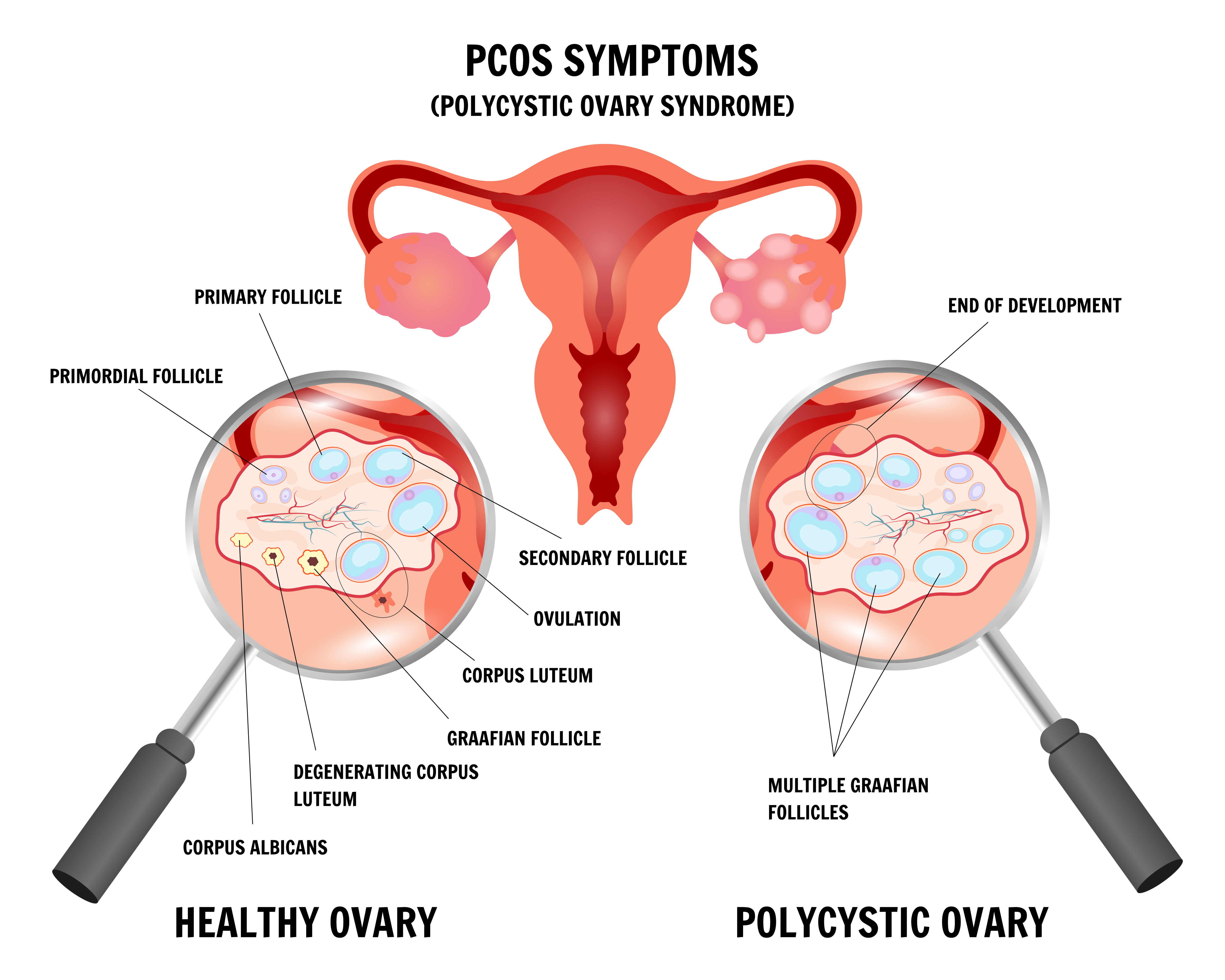
PMOS, or Polyendocrine Metabolic Ovarian Syndrome, is the new name for PCOS. This condition involves several hormonal and metabolic issues that affect multiple endocrine systems in the body, often disrupting ovulation, menstrual cycles, metabolism, and fertility.
For people searching for what PMOS is, it’s basically the updated medical term for PCOS. PMOS is the updated medical term for PCOS, chosen to better represent the full spectrum of symptoms and health risks associated with the condition.
The term "polyendocrine" highlights the involvement of multiple hormone systems, while "metabolic" points out the influence of insulin resistance and other related problems common in those with the condition. So, PMOS really just describes how complex this syndrome is and tries to make it easier for doctors to understand and treat all its aspects.
PMOS is one of the most common endocrine disorders affecting women of reproductive age.
Globally, it affects approximately 1 in 8 women, translating to more than 170 million people worldwide. Despite its prevalence, many women remain undiagnosed for years because symptoms can vary significantly from person to person.
On May 12, 2026, the official name change from PCOS to PMOS was made after an international consensus paper was published in The Lancet.
This decision came from a huge global effort lasting 14 years, involving 56 organisations and feedback from over 14,300 people, both patients and healthcare providers. The goal was to create terminology that more accurately reflects current scientific understanding of the condition.
Actually, the problem with the older name was the term itself. First of all, when people heard about polycystic ovaries, it often suggested that women with this disorder have real cysts in the ovaries.
These misunderstandings caused many patients to think they had cyst problems, while other women, without visible symptoms of polycystic ovaries, were not diagnosed, although they had all the signs of the disorder.
The change in name is a step towards fixing this misunderstanding and improving care for everyone dealing with this condition.

The previous term promoted a one-dimensional approach that did not take into account the full scope of problems associated with PMOS.
The majority of women suffering from PMOS suffer from insulin resistance, cardiovascular issues, weight management problems, anxiety, depression and metabolic disorders. In some cases, due to a focused approach, these issues remained untreated by healthcare professionals.
The new term suggests viewing the disorder as a systemic condition and provides more efficient healthcare solutions.
The discussion around PMOS vs PCOS often leads to one important question: has anything about the condition changed?
The answer is no.
For patients comparing PMOS vs PCOS, the condition remains exactly the same. The difference lies in how accurately it is described.
Not at all!
There are no changes in diagnostic criteria or treatment protocols between PCOS and PMOS. It’s just a matter of terminology, nothing else.
There’s no need for any additional tests or diagnosis if you have already been diagnosed and treated for PCOS, the change in terminology does not affect your situation at all.

One of the key reasons why the change to PMOS is so important is because it recognises the extent of PMOS symptoms.
Some common symptoms of a hormonal and reproductive nature in women suffering from PMOS include:
Such symptoms are usually associated with androgen excess and hormone imbalance.
Metabolic dysfunction is a major component of PMOS and affects many women regardless of body weight.
Common metabolic PMOS signs include:

Mental health concerns are increasingly recognised as an important part of PMOS.
Women may experience:
These symptoms were often under-recognised under the previous disease framework, despite having a significant impact on quality of life.
There is no single PMOS cause. Instead, experts believe the condition develops through a combination of hormonal, metabolic, genetic, and environmental factors.
Insulin resistance is considered one of the most important PMOS causes.
When cells become less responsive to insulin, the body compensates by producing more of the hormone. Excess insulin can stimulate the ovaries to produce higher levels of androgens, contributing to many symptoms associated with PMOS.
Androgens play a central role in PMOS.
Elevated androgen levels can interfere with ovulation and contribute to acne, excessive hair growth, and hair loss. In some women, androgen activity may be heightened even when hormone levels appear normal.
Family history is a well-established risk factor.
Women with a parent or sibling diagnosed with PMOS or PCOS are more likely to develop the condition. Lifestyle factors such as nutrition, physical activity, sleep quality, and stress can influence symptom severity, although they are not considered the sole PMOS cause.

The Rotterdam criteria remain the standard for PMOS diagnosis.
A diagnosis typically requires at least two of the following:
When evaluating how to diagnose PMOS, your doctor may recommend:
These investigations help confirm the diagnosis while ruling out other conditions with similar symptoms.
Yes. Although PMOS can affect ovulation and fertility, many women successfully conceive with appropriate medical support. Lifestyle interventions, ovulation-inducing medications, fertility treatments, and metabolic management can all improve reproductive outcomes.
Managing PMOS requires more than treating irregular periods or fertility concerns in isolation. Because the condition affects hormones, metabolism, reproductive health, and emotional well-being, women often benefit from a multidisciplinary approach. At Cloudnine, patients have access to experienced gynaecologists, fertility specialists, endocrinologists, nutrition experts, and mental wellness professionals who work together to create personalised treatment plans. This integrated approach helps address the full spectrum of PMOS symptoms, ensuring that care goes beyond symptom management and focuses on long-term health outcomes.

The shift from PCOS to PMOS reflects a better understanding of a condition that affects far more than the ovaries. While the name may change, the focus remains the same: early diagnosis, appropriate treatment, and long-term management. With the right care and support, women with PMOS can effectively manage symptoms and maintain their overall health.

The name change resulted from an international consensus involving researchers, clinicians, professional societies, and patient advocacy groups from around the world.
No. PMOS is not classified as an autoimmune disease. It is a hormonal and metabolic disorder involving complex endocrine pathways.
Yes. While weight gain is common, women of all body types can develop PMOS and experience hormonal, reproductive, and metabolic symptoms.
They can. Without appropriate management, PMOS may increase the risk of insulin resistance, type 2 diabetes, cardiovascular disease, and other metabolic complications over time.







 Best Gynecologists in Bellandur Best Gynecologists in Electronic City Best Gynecologists in HRBR LayoutBest Gynecologists in Jayanagar Best Gynecologists in Kanakapura RoadBest Gynecologists in Malleswaram Best Gynecologists in Nagarbhavi Best Gynecologists in Old Airport RoadBest Gynecologists in Sahakarnagar Best Gynecologists in Sarjapur RoadBest Gynecologists in ThanisandraBest Gynecologists in Varthur RoadBest Gynecologists in Whitefield Best Gynecologists in Industrial Area Phase IIBest Gynecologists in OMRBest Gynecologists in T NagarBest Gynecologists in New Industrial TownBest Gynecologists in IndirapuramBest Gynecologists in Golf Course RoadBest Gynecologists in Sector 14Best Gynecologists in Sector 47Best Gynecologists in Banjara HillsBest Gynecologists in GachibowliBest Gynecologists in Hitech CityBest Gynecologists in KompallyBest Gynecologists in Gomti NagarBest Gynecologists in MaladBest Gynecologists in NerulBest Gynecologists in VashiBest Gynecologists in Kailash ColonyBest Gynecologists in PatparganjBest Gynecologists in Punjabi BaghBest Gynecologists in VikaspuriBest Gynecologists in Gaur CityBest Gynecologists in Pari ChowkBest Gynecologists in Sector 51Best Gynecologists in Sector 5 Swastik ViharBest Gynecologists in Kalyani NagarBest Gynecologists in SB RoadBest Gynecologists in Pimple SaudagarBest Pediatricians in BellandurBest Pediatricians in Electronic CityBest Pediatricians in HRBR LayoutBest Pediatricians in JayanagarBest Pediatricians in Kanakapura RoadBest Pediatricians in MalleswaramBest Pediatricians in NagarbhaviBest Pediatricians in Old Airport RoadBest Pediatricians in SahakarnagarBest Pediatricians in Sarjapur RoadBest Pediatricians in ThanisandraBest Pediatricians in Varthur RoadBest Pediatricians in WhitefieldBest Pediatricians in Industrial Area Phase IIBest Pediatricians in OMRBest Pediatricians in T NagarBest Pediatricians in New Industrial TownshipBest Pediatricians in IndirapuramBest Pediatricians in Golf Course RoadBest Pediatricians in Sector 14Best Pediatricians in Sector 47Best Pediatricians in Hitech CityBest Pediatricians in Banjara HillsBest Pediatricians in GachibowliBest Pediatricians in KompallyBest Pediatricians in Gomti NagarBest Pediatricians in MaladBest Pediatricians in NerulBest Pediatricians in VashiBest Pediatricians in Kailash ColonyBest Pediatricians in PatparganjBest Pediatricians in Punjabi BaghBest Pediatricians in VikaspuriBest Pediatricians in Gaur CityBest Pediatricians in Pari ChowkBest Pediatricians in Sector 51Best Pediatricians in Sector 5 Swastik ViharBest Pediatricians in Kalyani NagarBest Pediatricians in SB RoadBest Pediatricians in Pimple Saudagar


