





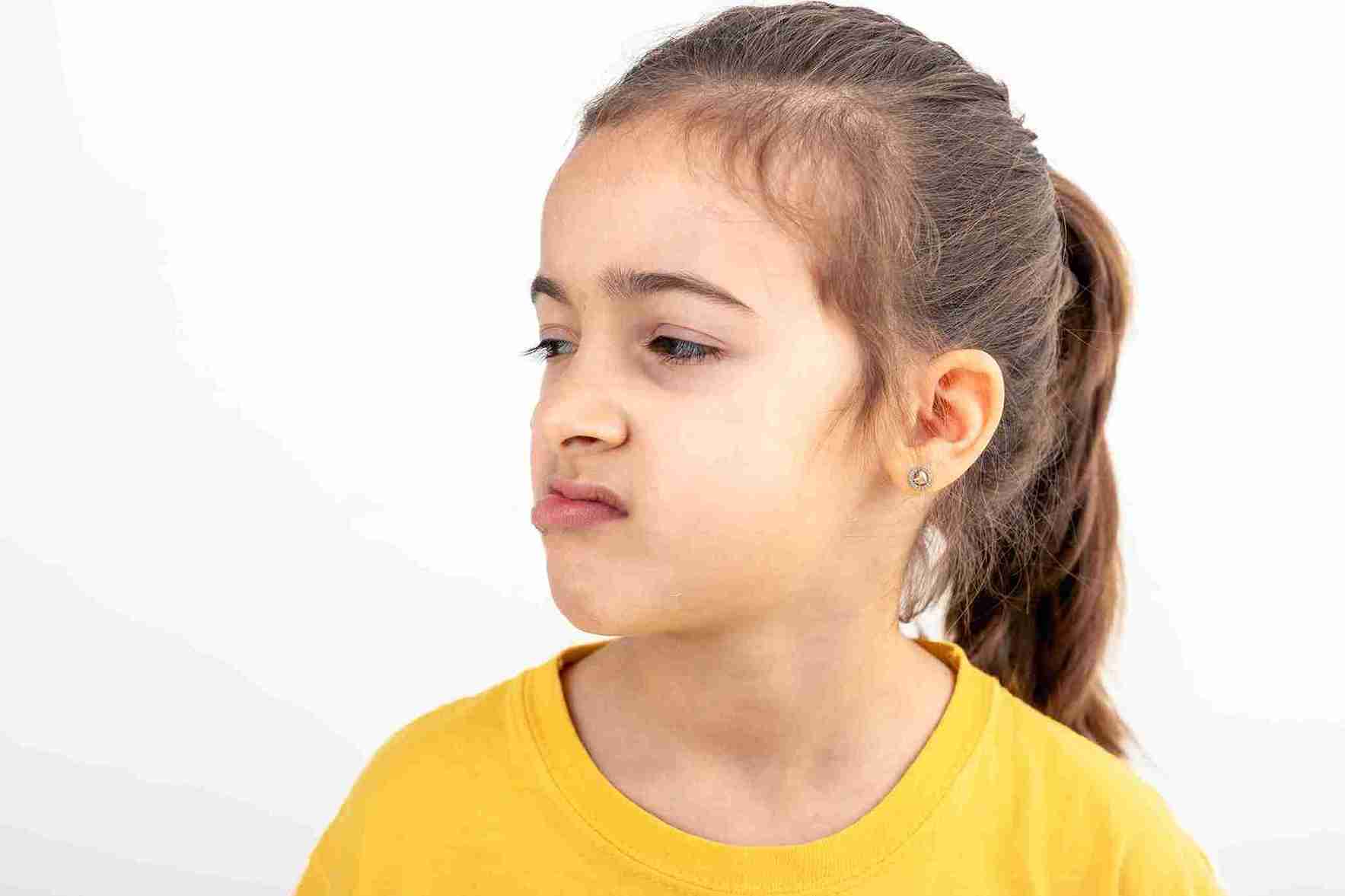
Ear piercing for kids has cultural, traditional and spiritual significance in India, and most parents opt to have it done sooner rather than later. It is a simple process that needs to be performed in a safe and clean environment, without which it can lead to allergic reactions, infections and scarring. So ear piercing must be performed by a qualified professional, to ensure hygiene and the best care for your little one. Here’s everything you should know about safe ear piercing for kids, from the appropriate age to perform it, hygiene standards to check, to choosing hypoallergenic ear studs, and more.
%20in%20Children%20Symptoms%2C%20Treatment%2C%20and%20Prevention.jpg)
The best time to get your baby’s ear pierced is complicated and depends on health status, cultural background, maturity level and parents' preference. Some medical experts advise waiting until the baby has two tetanus shots. At the same time, others recommend waiting until the child is mature enough to manage aftercare. Here are some general guidelines that help make informed decisions.
● For Infants: Avoid until the baby gets the first vaccination, as piercing may cause infections. It is a good idea to wait until at least 4-6 months, as this is when they have completed their first immunisation schedule.
● For children: Wait until the child can care for pierced ears independently, as it is less likely to lead to complications.
● For other ages: Some families pierce their newborns as part of their tradition; others prefer to wait until the child is interested in ear piercing, typically around age 7-10.
● Skin infections: A major concern of ear piercing is infection. Piercings can cause rashes and skin redness. If there is an infection, fluid may appear and also cause pain and swelling.
● Piercing cartilage repercussions: Instead of piercing the earlobe, piercing the cartilage can cause keloids. This causes pain and delays healing.
● Allergies: Some children have metal allergies, which can lead to eczema or other allergic conditions.
● Blood infections: An infected needle can cause tetanus, hepatitis B and other dangerous diseases.
● Trauma: Infants may touch the ear before it is healed, which may tear the pierced hole or cause infections.
Ear piercing is a straightforward procedure, but when it comes to children, even the simplest thing can get complicated. An optimal choice for ear-piercing service is an ear-piercing service from a qualified professional, for the following reasons:
● Health and Hygiene -- A qualified professional uses sterile medical-grade ear-piercing equipment, therefore decreasing the risk of infection.
● Trained and Certified -- A qualified professional has been trained and certified in the safe and effective ear-piercing of children.
● Medication Administration -- A qualified professional has a variety of creams and medications that can significantly reduce pain during the ear piercing, and also discomfort after.
● Professional Handling of Children -- A qualified professional provides a calming influence on children during and after the procedure.
● Always choose a trusted, reputable and hygienic ear piercing for children. Do not try to pierce your child’s ear by yourself or by an inexperienced person.
● It’s best to perform the piercing in the comfort of your home, which is the most hygienic place.
● Use disinfected gloves, non-toxic piercing and sterilised equipment for ear piercings.
● Piercers should wash their hands thoroughly and wear fresh gloves before the procedure.
● Use hygienic equipment such as marker pens, cutters, etc.
● Avoid unsafe places or shops as they do not use sterilised equipment.
● Choose places that use a medical-grade piercing gun, and ensure all equipment is properly disinfected.
● Spring Loaded Piercing Gun: This instrument punctures a small hole in the earlobe and inserts a sterile earring. They are reusable and are powered by a spring force. Although quick, cost-effective and easy, they can be painful and pose a risk of infection.
● Needle Piercing: This involves first piercing the earlobe with a sterile, sharp and unused hollow metallic needle. Once the needle has passed through, an earring is inserted. Benefits of this method include using a new needle for each piercing, reduced pain, and faster healing.
● Hand-clasp piercing system: It is similar to a spring-loaded piercing gun but is powered by the technician’s hand. The hole is made, and the jewellery piece is inserted into it. It is smoother and gentler and is the best choice for young children and infants, as there is less risk of infection with pre-sterilised capsules.
Many materials are safe for use in piercings, but very few are approved for new piercings. However, gold has been used in India for centuries as the preferred choice and remains the best option for first earrings. It is soft on the skin, non-allergenic, durable, has no chemicals that can irritate, and is non-corrosive. Alternatives to gold include silver, titanium, and medical-grade stainless steel.
Materials to avoid include nickel, cobalt and brass as they can cause skin allergies. Small, round screw-back/flat-back earrings are recommended as they are comfortable and secure. Dangling or hoop-style earrings should be avoided as they can be pulled on or ripped off.
● Wash your hands well before handling your child's piercings.
● Apply rubbing alcohol or antibiotic ointment to the hole twice daily using a cotton pad.
● Rotate the earring daily at least twice.
● Do not press the baby’s ear as it can be painful.
● After the bath, dry the area around the earring.
● Ear piercings take four to six weeks for healing, and the earring should not be changed or removed during this period.
● Monitor for any indications of infection, including swelling, redness, bleeding or pus, as well as a low-grade fever.
Seek immediate medical attention if the earring appears to be embedded in the skin; if it is oozing pus; there is swelling, tenderness, or redness; or if you develop a fever over 24 hours after having the piercing done. Contact your child’s paediatrician to schedule an appointment.
The process of ear piercing is straightforward. However, parents must make careful and well-thought-out choices about when to get it done, where to go, what type of jewellery to use and how best to care for newly pierced ears to ensure no further pain, infection, or allergy occurs as a result of getting ears pierced. It is important to prioritise kids' ear-piercing safety over cost or convenience. If an ear piercing is performed correctly by qualified professionals, there should be no need to worry about potential health risks for young children.

The service provider should be trained, certified, use sterilised equipment, single-use needles and provide a calming experience to the child.
Check for certifications, licences and observe the cleanliness for kids' ear piercing safety.
Yes! When ear piercing is performed by a medical professional, such as a nurse, you can be sure the procedure is carried out with proper sanitation, thereby reducing the risk of infection compared to when performed by someone else.
The safest earrings are small, round, flatback or screw-type earrings made from gold, silver or medical-grade steel. Gold is the most hypoallergenic material for earrings for kids.


 Best Gynecologists in Bellandur Best Gynecologists in Electronic City Best Gynecologists in HRBR LayoutBest Gynecologists in Jayanagar Best Gynecologists in Kanakapura RoadBest Gynecologists in Malleswaram Best Gynecologists in Nagarbhavi Best Gynecologists in Old Airport RoadBest Gynecologists in Sahakarnagar Best Gynecologists in Sarjapur RoadBest Gynecologists in ThanisandraBest Gynecologists in Varthur RoadBest Gynecologists in Whitefield Best Gynecologists in Industrial Area Phase IIBest Gynecologists in OMRBest Gynecologists in T NagarBest Gynecologists in New Industrial TownBest Gynecologists in IndirapuramBest Gynecologists in Golf Course RoadBest Gynecologists in Sector 14Best Gynecologists in Sector 47Best Gynecologists in Banjara HillsBest Gynecologists in GachibowliBest Gynecologists in Hitech CityBest Gynecologists in KompallyBest Gynecologists in Gomti NagarBest Gynecologists in MaladBest Gynecologists in NerulBest Gynecologists in VashiBest Gynecologists in Kailash ColonyBest Gynecologists in PatparganjBest Gynecologists in Punjabi BaghBest Gynecologists in VikaspuriBest Gynecologists in Gaur CityBest Gynecologists in Pari ChowkBest Gynecologists in Sector 51Best Gynecologists in Sector 5 Swastik ViharBest Gynecologists in Kalyani NagarBest Gynecologists in SB RoadBest Gynecologists in Pimple SaudagarBest Pediatricians in BellandurBest Pediatricians in Electronic CityBest Pediatricians in HRBR LayoutBest Pediatricians in JayanagarBest Pediatricians in Kanakapura RoadBest Pediatricians in MalleswaramBest Pediatricians in NagarbhaviBest Pediatricians in Old Airport RoadBest Pediatricians in SahakarnagarBest Pediatricians in Sarjapur RoadBest Pediatricians in ThanisandraBest Pediatricians in Varthur RoadBest Pediatricians in WhitefieldBest Pediatricians in Industrial Area Phase IIBest Pediatricians in OMRBest Pediatricians in T NagarBest Pediatricians in New Industrial TownshipBest Pediatricians in IndirapuramBest Pediatricians in Golf Course RoadBest Pediatricians in Sector 14Best Pediatricians in Sector 47Best Pediatricians in Hitech CityBest Pediatricians in Banjara HillsBest Pediatricians in GachibowliBest Pediatricians in KompallyBest Pediatricians in Gomti NagarBest Pediatricians in MaladBest Pediatricians in NerulBest Pediatricians in VashiBest Pediatricians in Kailash ColonyBest Pediatricians in PatparganjBest Pediatricians in Punjabi BaghBest Pediatricians in VikaspuriBest Pediatricians in Gaur CityBest Pediatricians in Pari ChowkBest Pediatricians in Sector 51Best Pediatricians in Sector 5 Swastik ViharBest Pediatricians in Kalyani NagarBest Pediatricians in SB RoadBest Pediatricians in Pimple Saudagar


