
Trying to conceive can be frustrating when everything appears normal. Your periods may be normal; your ovulation test shows positive results; hormone reports are normal. Nothing is wrong with your fertility, but you still are not able to get pregnant. In such situations, couples look for reasons for not getting pregnant when everything is normal.
Conception is quite a complicated process that is determined by way more things than just regular periods and ovulation. Pregnancy requires healthy eggs, healthy sperm cells, fertilisation, proper embryo development, and hormones. Any of those processes being interfered with prevents conception.
Another thing to keep in mind is that male and female fertility problems play an equal role in conception. Knowing the reason why you are not able to get pregnant can help you decide when to visit a specialist.
Pregnancy occurs through a series of processes in the body.
Ovulation: An egg that has reached full maturity is released from the ovaries during ovulation.
Fertilisation: Following intercourse, the sperm swims towards the egg, which fertilises it.
Embryonic Development: The zygote undergoes cell division to form an embryo.
Implantation: The embryo implants itself in the wall of the uterus, which marks the beginning of pregnancy.
For pregnancy to take place, all the stages above must be successful. A problem in any of these steps leads to failure of pregnancy.
"Why am I not getting pregnant even when I have ovulated" is something many women ask. Although ovulation is necessary for pregnancy, it is only one of the many steps.
Age is one of the biggest factors affecting egg quality. As women get older, eggs are more likely to have chromosomal abnormalities, reducing the chances of successful fertilisation and implantation.
It is possible that although there is good spermatogenesis, sperm does not manage to fertilise the egg.
While fertilisation is achieved successfully, the embryo should be able to attach itself well to the uterus lining. Hormonal imbalance and other factors could prevent it from happening.

When you have unexplained infertility, it means that your fertility checks out fine but conception fails. Approximately 15-30% of all infertility is classified as such.
A common mistake made by many people is the timing of sex. For instance, conception takes place only when you engage in intercourse five days before ovulation.
Although there might not be problems with ovulation and you may have menstrual periods normally, there could be ovulation disorders, such as late ovulation and luteal phase defects.
The decline in fertility with age is natural, especially after the age of 35, regardless of regularity of menses.
Mild endometriosis does not always result in recognisable symptoms but can influence fertility by causing inflammation and dysfunction of the reproductive organs.
Slight damage to the fallopian tubes may hinder fertilisation.
Egg quality is just as important as egg quantity. Low-quality eggs mean that they will not form healthy embryos.
Some factors affecting male fertility are often disregarded.
They include:
Even mild abnormalities can affect conception.

Some types of uterine conditions decrease implantation chances.
These include:
Reproductive hormones control ovulation and implantation.
They include:
There are many lifestyle factors that impact fertility.
These include: smoking, alcohol abuse, being overweight, prolonged stress, insufficient sleep.
Stress impacts reproductive hormones and may have effects on ovulation and libido. However, it is very unlikely to cause infertility on its own.
It may exacerbate problems associated with infertility and make it harder to conceive. Stress management methods like regular physical activity, meditation, counselling, and sleeping well can help improve fertility.
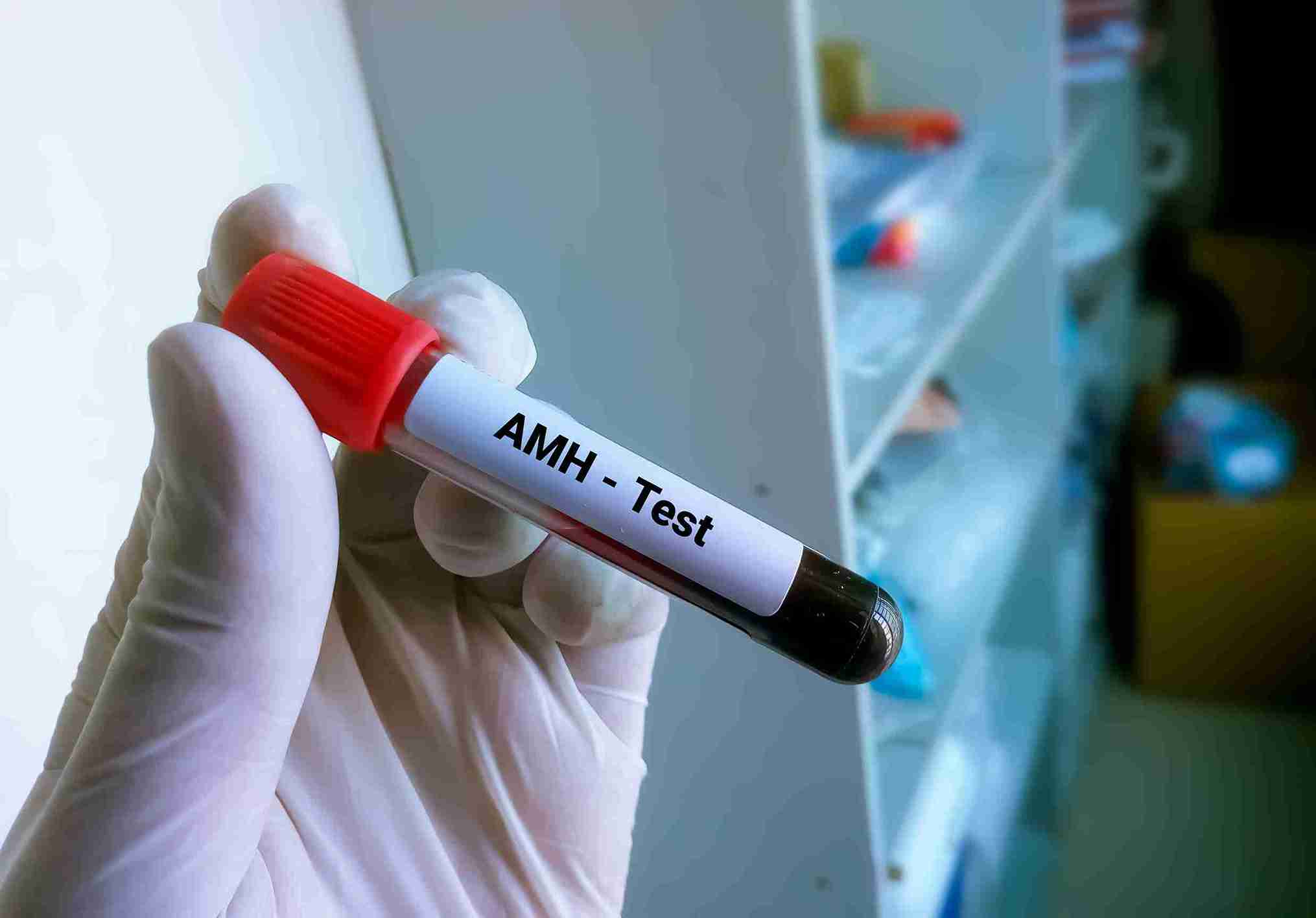
Female Fertility Tests
Male Fertility Tests
These tests can identify issues that routine evaluations may miss.
Cloudnine offers comprehensive fertility care through a multidisciplinary team of fertility specialists, gynaecologists, embryologists, endocrinologists, nutritionists, and counsellors. The hospital provides advanced fertility diagnostics, including hormone testing, ultrasound monitoring, ovarian reserve assessment, IUI, IVF, and other assisted reproductive treatments. Cloudnine hospitals also have dedicated nurses at reception who answer patient calls directly, ensuring patients receive timely guidance and support throughout their fertility journey.

Getting pregnant involves much more than having regular periods and confirmed ovulation. Fertility depends on healthy eggs, healthy sperm, successful fertilisation, embryo development, and implantation. When pregnancy doesn't happen despite normal reports, unexplained infertility or subtle reproductive issues may be responsible. Consulting a fertility specialist can help identify hidden factors and guide appropriate treatment options.
Want to consult the best gynecologists in India? Please find the links below.
Want to consult the best Maternity Packages in India? Please find the links below.

Pregnancy depends on several factors, including egg quality, sperm health, fertilisation, and implantation. A problem at any stage may affect conception.
By around age 30, approximately 90% of a woman's original egg supply has naturally declined.
Difficulty conceiving after the recommended time frame, absent ovulation, blocked tubes, or abnormal fertility tests may indicate fertility challenges.
Possible signs include irregular periods, lack of ovulation, hormonal imbalances, recurrent miscarriages, or prolonged difficulty conceiving.







 Best Gynecologists in Bellandur Best Gynecologists in Electronic City Best Gynecologists in HRBR LayoutBest Gynecologists in Jayanagar Best Gynecologists in Kanakapura RoadBest Gynecologists in Malleswaram Best Gynecologists in Nagarbhavi Best Gynecologists in Old Airport RoadBest Gynecologists in Sahakarnagar Best Gynecologists in Sarjapur RoadBest Gynecologists in ThanisandraBest Gynecologists in Varthur RoadBest Gynecologists in Whitefield Best Gynecologists in Industrial Area Phase IIBest Gynecologists in OMRBest Gynecologists in T NagarBest Gynecologists in New Industrial TownBest Gynecologists in IndirapuramBest Gynecologists in Golf Course RoadBest Gynecologists in Sector 14Best Gynecologists in Sector 47Best Gynecologists in Banjara HillsBest Gynecologists in GachibowliBest Gynecologists in Hitech CityBest Gynecologists in KompallyBest Gynecologists in Gomti NagarBest Gynecologists in MaladBest Gynecologists in NerulBest Gynecologists in VashiBest Gynecologists in Kailash ColonyBest Gynecologists in PatparganjBest Gynecologists in Punjabi BaghBest Gynecologists in VikaspuriBest Gynecologists in Gaur CityBest Gynecologists in Pari ChowkBest Gynecologists in Sector 51Best Gynecologists in Sector 5 Swastik ViharBest Gynecologists in Kalyani NagarBest Gynecologists in SB RoadBest Gynecologists in Pimple SaudagarBest Pediatricians in BellandurBest Pediatricians in Electronic CityBest Pediatricians in HRBR LayoutBest Pediatricians in JayanagarBest Pediatricians in Kanakapura RoadBest Pediatricians in MalleswaramBest Pediatricians in NagarbhaviBest Pediatricians in Old Airport RoadBest Pediatricians in SahakarnagarBest Pediatricians in Sarjapur RoadBest Pediatricians in ThanisandraBest Pediatricians in Varthur RoadBest Pediatricians in WhitefieldBest Pediatricians in Industrial Area Phase IIBest Pediatricians in OMRBest Pediatricians in T NagarBest Pediatricians in New Industrial TownshipBest Pediatricians in IndirapuramBest Pediatricians in Golf Course RoadBest Pediatricians in Sector 14Best Pediatricians in Sector 47Best Pediatricians in Hitech CityBest Pediatricians in Banjara HillsBest Pediatricians in GachibowliBest Pediatricians in KompallyBest Pediatricians in Gomti NagarBest Pediatricians in MaladBest Pediatricians in NerulBest Pediatricians in VashiBest Pediatricians in Kailash ColonyBest Pediatricians in PatparganjBest Pediatricians in Punjabi BaghBest Pediatricians in VikaspuriBest Pediatricians in Gaur CityBest Pediatricians in Pari ChowkBest Pediatricians in Sector 51Best Pediatricians in Sector 5 Swastik ViharBest Pediatricians in Kalyani NagarBest Pediatricians in SB RoadBest Pediatricians in Pimple Saudagar


