
Fresh grapes are packed with vitamins, antioxidants, fibre, and water, making them a genuinely useful addition to a pregnancy diet: good for hydration, digestion, and general wellbeing when eaten in sensible amounts.
There is no research that suggests grapes cause miscarriage or interfere with fetal development. The only real caveat comes down to natural sugar content, so women with gestational diabetes or similar conditions should check portion sizes with their doctor rather than guessing.
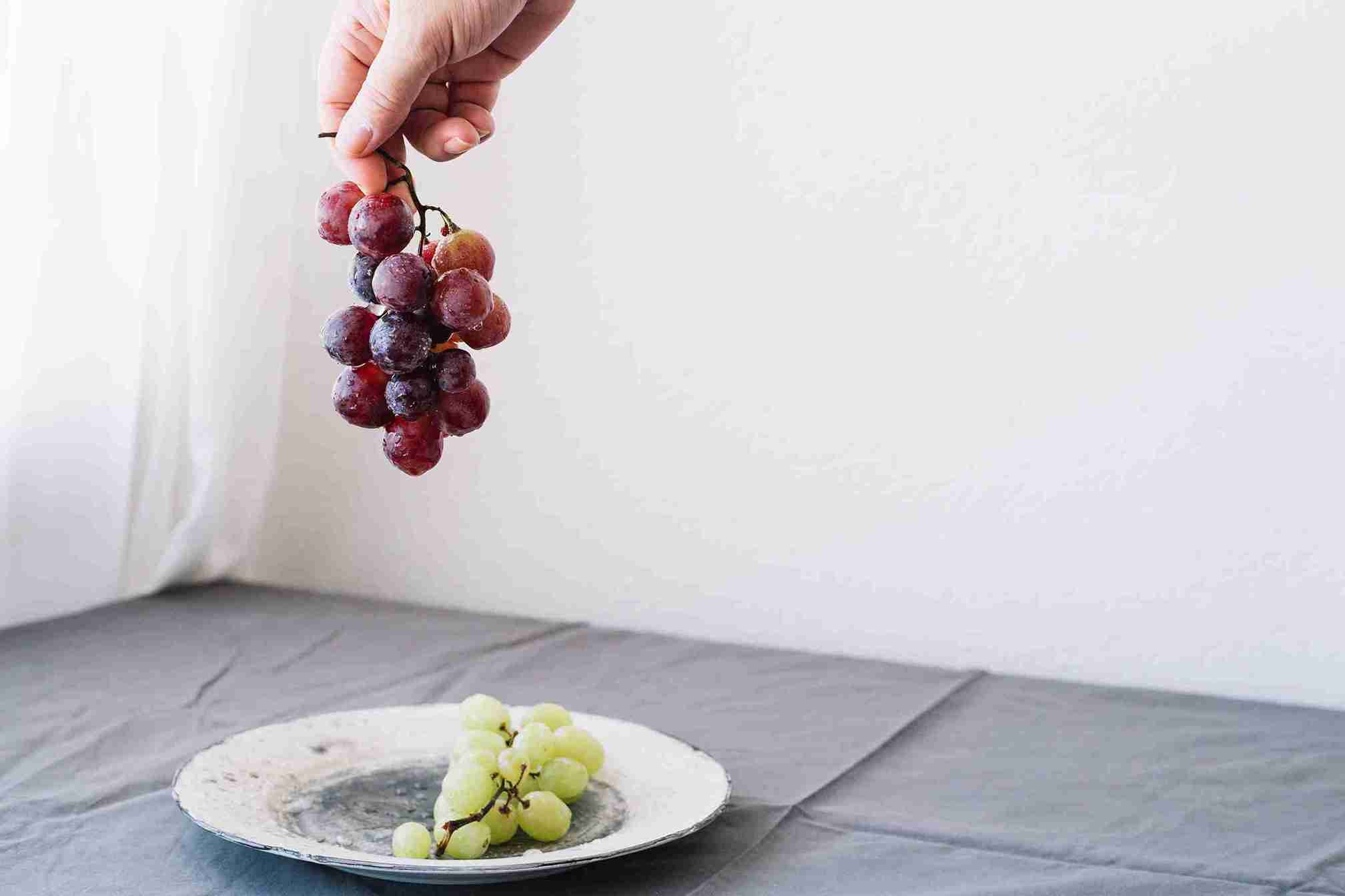
Yes. If you're wondering if grapes are good for pregnancy, the answer is yes for most healthy pregnancies. Fresh grapes are generally safe when consumed as part of a varied diet. There is no scientific evidence that moderate grape consumption causes miscarriage or affects fetal development. However, moderation is important because grapes contain natural sugars. Women with gestational diabetes or other medical conditions may need individual dietary guidance from their doctor.
Understanding the benefits of grapes in pregnancy can help you make informed dietary choices and enjoy this nutritious fruit as part of a healthy, balanced pregnancy diet.
Vitamin C and antioxidants boost immunity and cell protection against free radical damage.
Fibre found in grapes helps to facilitate digestion and can aid in preventing constipation.
Grapes have a good amount of water, hence serve as a good hydration source.
Among the advantages of grape consumption during pregnancy are their vitamins and mineral content that add up to a healthy, balanced diet.
Grapes contain magnesium and potassium, which contribute to normal muscle function, although they are not a treatment for cramps.
Polyphenols and flavonoids help protect cells from oxidative damage and support overall maternal health.
Potassium and antioxidants contribute to cardiovascular health. However, grapes should complement, not replace, a balanced pregnancy diet.
Red and black grapes naturally contain more antioxidants, but all varieties are safe when properly washed and eaten in moderate portions.
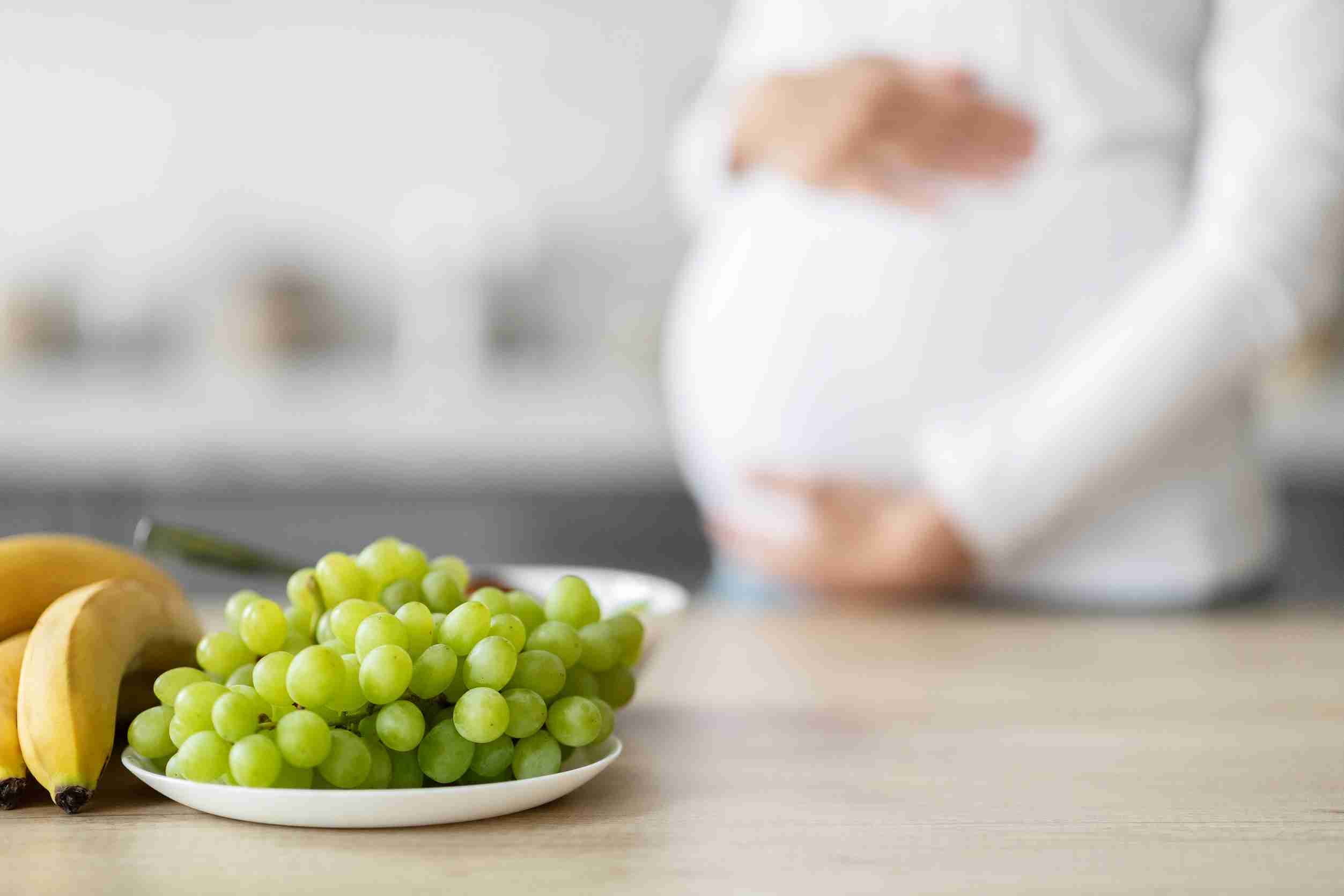
During the first trimester, grapes may help with hydration and provide vitamins needed for the early stages of pregnancy. Pregnant women seeking advice on green grapes for pregnancy in the first trimester can safely include them as part of a balanced diet if tolerated.
During the second trimester, grapes provide fibre to aid the digestive system and carbohydrates for energy, as well as support the development of the baby.
No scientific data exists on whether it is safe to avoid grapes during the third trimester. Portion control and an overall healthy eating pattern remain more important than food myths.
Many women seek an answer to the question: Are grapes good for pregnancy? Eating excessive amounts of grapes may increase natural sugar intake and affect blood sugar levels, particularly in women with gestational diabetes. Grapes should always be washed thoroughly to remove pesticide residues and reduce the risk of foodborne illness.
Overeating may also cause bloating or loose stools in some individuals. Although uncommon, grape allergies can occur. It is also important to distinguish between the naturally occurring resveratrol found in grapes and high-dose resveratrol supplements, which are not recommended during pregnancy.
There are no scientific studies that link the consumption of grapes with miscarriages. The myth associated with grapes causing body heat is based on traditional practice and not clinical research. There are no health hazards associated with black grapes and one may consume them just like any other type of grapes. Similarly, there are no scientific studies linking routine avoidance of grapes with the third trimester.
A moderate amount of grapes is around 10 to 15 grapes. It is better to avoid having a huge amount of grapes in one go. Those concerned with their blood glucose levels can eat grapes along with proteins found in yoghurt and nuts.
It is important to wash the grapes properly under running water prior to consumption. Discard any grapes that look unhealthy and refrigerate them. It is wise to opt for fresh grapes rather than those containing processed sugars. One should avoid grapes sold by the roadside vendors. Consult your doctor regarding the consumption of grapes if you suffer from gestational diabetes.
Enjoy grapes as a fresh snack, mix them into fruit salads, add them to yoghurt parfaits or smoothies, sprinkle them over oatmeal, pair them with cottage cheese, or occasionally freeze them for a refreshing treat.
Consult your doctor before eating grapes regularly if you have gestational diabetes, fruit allergies, digestive intolerance, or a high-risk pregnancy requiring specific dietary advice.
Cloudnine provides personalised pregnancy nutrition guidance alongside expert maternity care. Its experienced obstetricians, nutritionists, and multidisciplinary team help expectant mothers make informed dietary choices based on their individual health needs, ensuring both mother and baby receive comprehensive, evidence-based care throughout pregnancy.

Grapes in pregnancy are nutritious and safe when eaten in moderation. Proper washing, sensible portion sizes, and personalised medical advice are the keys to enjoying their health benefits while supporting a balanced pregnancy diet.
Want to consult the best gynecologists in India? Please find the links below.
Want to consult the best Maternity Packages in India? Please find the links below.

Yes, moderate daily consumption can be part of a healthy pregnancy diet.
Whole grapes are generally better because they contain fibre and usually less concentrated sugar.
Black grapes contain more antioxidants, but both are nutritious and safe.
There is no fixed limit, but eating very large amounts regularly may contribute to excess sugar intake, so moderation is recommended.







 Best Gynecologists in Bellandur Best Gynecologists in Electronic City Best Gynecologists in HRBR LayoutBest Gynecologists in Jayanagar Best Gynecologists in Kanakapura RoadBest Gynecologists in Malleswaram Best Gynecologists in Nagarbhavi Best Gynecologists in Old Airport RoadBest Gynecologists in Sahakarnagar Best Gynecologists in Sarjapur RoadBest Gynecologists in ThanisandraBest Gynecologists in Varthur RoadBest Gynecologists in Whitefield Best Gynecologists in Industrial Area Phase IIBest Gynecologists in OMRBest Gynecologists in T NagarBest Gynecologists in New Industrial TownBest Gynecologists in IndirapuramBest Gynecologists in Golf Course RoadBest Gynecologists in Sector 14Best Gynecologists in Sector 47Best Gynecologists in Banjara HillsBest Gynecologists in GachibowliBest Gynecologists in Hitech CityBest Gynecologists in KompallyBest Gynecologists in Gomti NagarBest Gynecologists in Phase 3, Sector 58Best Gynecologists in MaladBest Gynecologists in NerulBest Gynecologists in VashiBest Gynecologists in Kailash ColonyBest Gynecologists in PatparganjBest Gynecologists in Punjabi BaghBest Gynecologists in VikaspuriBest Gynecologists in Gaur CityBest Gynecologists in Pari ChowkBest Gynecologists in Sector 51Best Gynecologists in Sector 5 Swastik ViharBest Gynecologists in Kalyani NagarBest Gynecologists in SB RoadBest Gynecologists in Pimple SaudagarBest Pediatricians in BellandurBest Pediatricians in Electronic CityBest Pediatricians in HRBR LayoutBest Pediatricians in JayanagarBest Pediatricians in Kanakapura RoadBest Pediatricians in MalleswaramBest Pediatricians in NagarbhaviBest Pediatricians in Old Airport RoadBest Pediatricians in SahakarnagarBest Pediatricians in Sarjapur RoadBest Pediatricians in ThanisandraBest Pediatricians in Varthur RoadBest Pediatricians in WhitefieldBest Pediatricians in Industrial Area Phase IIBest Pediatricians in OMRBest Pediatricians in T NagarBest Pediatricians in New Industrial TownshipBest Pediatricians in IndirapuramBest Pediatricians in Golf Course RoadBest Pediatricians in Sector 14Best Pediatricians in Sector 47Best Pediatricians in Hitech CityBest Pediatricians in Banjara HillsBest Pediatricians in GachibowliBest Pediatricians in KompallyBest Pediatricians in Gomti NagarBest Pediatricians in Phase 3, Sector 58Best Pediatricians in MaladBest Pediatricians in NerulBest Pediatricians in VashiBest Pediatricians in Kailash ColonyBest Pediatricians in PatparganjBest Pediatricians in Punjabi BaghBest Pediatricians in VikaspuriBest Pediatricians in Gaur CityBest Pediatricians in Pari ChowkBest Pediatricians in Sector 51Best Pediatricians in Sector 5 Swastik ViharBest Pediatricians in Kalyani NagarBest Pediatricians in SB RoadBest Pediatricians in Pimple Saudagar


