
Fever is a common concern for parents and often indicates that the body is fighting an infection. While it can be alarming, fever is a natural response and, in most cases, not dangerous. This guide will help you understand what fever is, how to manage it, and when to seek medical attention.
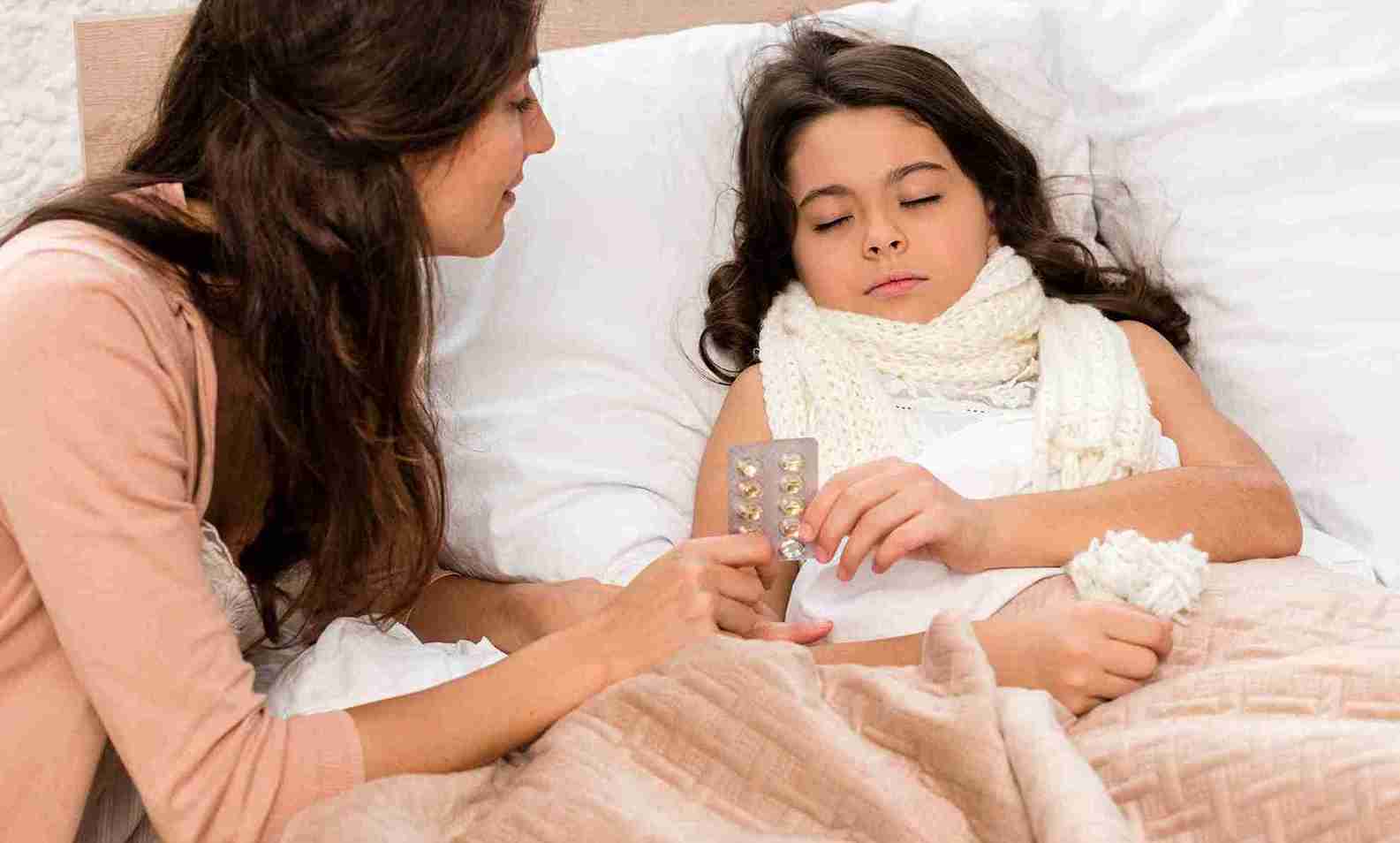
A fever is defined as a temporary increase in body temperature, often due to an illness. In children, a fever is generally considered a temperature of 100.4°F (38°C) or higher. It can result from various causes, including:
Infections: Most commonly viral (like colds or flu) or bacterial (like strep throat or urinary tract infections).
Vaccinations: Some children may develop a mild fever after receiving vaccinations.
Teething: While not universally accepted, teething can sometimes cause a slight increase in temperature.
Heat Exhaustion: Overheating from excessive clothing or hot weather can also raise body temperature.
In addition to an elevated temperature, fever may be accompanied by other symptoms, such as:
- Chills
- Sweating
- Headache
- Body aches
- Fatigue
- Irritability or fussiness in younger children
1. Monitor Temperature: Use a digital thermometer to check your child’s temperature. Rectal thermometers provide the most accurate readings for infants, while oral or axillary (underarm) thermometers are suitable for older children.
2. Hydration: Ensure your child drinks plenty of fluids. Fever can lead to dehydration, so offer water, electrolyte solutions, or clear broths.
3. Comfortable Clothing: Dress your child in lightweight clothing and keep the room at a comfortable temperature. Avoid heavy blankets that can cause overheating.
4. Medications: If your child is uncomfortable, consider administering age-appropriate fever-reducing medications like acetaminophen or ibuprofen. Always follow dosing instructions based on your child's weight and age, and consult your pediatrician for guidance.
5. Rest: Encourage your child to rest. Sleep helps the body recover from illness.
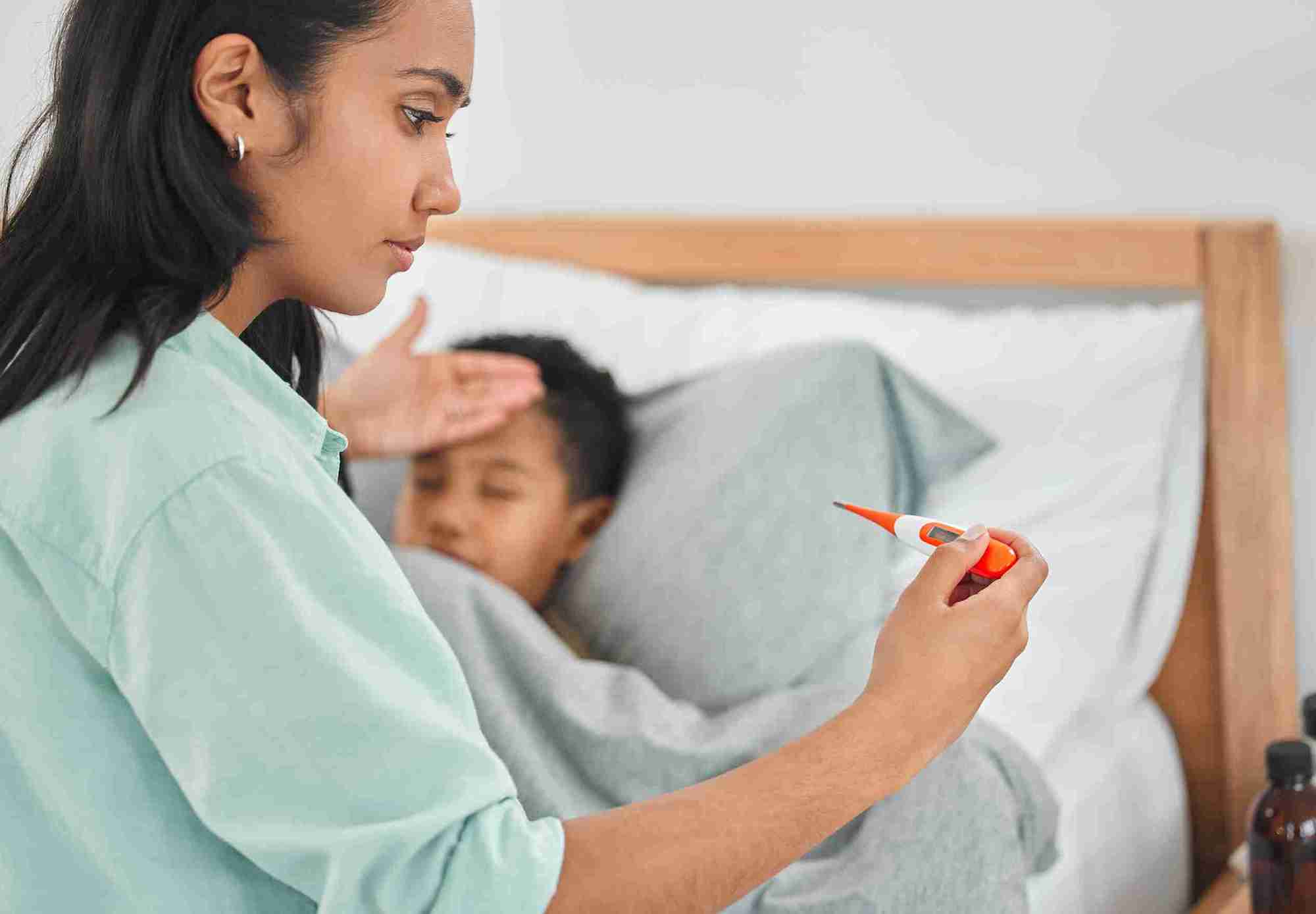
While most fevers can be managed at home, certain situations warrant a call to your healthcare provider:
Infants Under 3 Months: A fever of 100.4°F (38°C) or higher requires immediate medical evaluation.
Persistent High Fever: If your child’s fever lasts more than three days or exceeds 104°F (40°C), consult a doctor.
Severe Symptoms: Look for difficulty breathing, persistent vomiting, severe headache, rash, or signs of dehydration (dry mouth, no tears, or decreased urination).
Unresponsiveness: If your child is unusually drowsy, irritable, or difficult to wake, seek immediate care.
It's important to remember that fever itself is not an illness but a symptom. It often indicates that the body is actively fighting an infection. In many cases, the presence of fever can help:
Fight Infection: Higher body temperatures can inhibit the growth of pathogens.
Indicate Severity: A sudden rise in fever can signal a more serious infection, prompting further investigation.
While you can’t prevent all illnesses, certain practices can reduce the risk of infections that may cause fever:
1. Vaccinations: Keep your child’s vaccinations up to date to protect against common infections.
2. Hand Hygiene: Teach your child the importance of washing hands frequently, especially before meals and after using the bathroom.
3. Avoid Sick Contacts: Limit exposure to sick individuals, particularly during cold and flu season.
4. Healthy Lifestyle: A balanced diet, regular exercise, and adequate sleep strengthen the immune system.
Fever is a common experience for children and often indicates the body is working to fight off infection. Understanding how to manage fever at home and recognizing when to seek medical attention can help alleviate parental concerns. With the right knowledge and proactive measures, you can navigate your child’s fever effectively, ensuring their health and comfort. Always consult your healthcare provider for personalized advice tailored to your child's specific situation.
Want to consult the best pediatrician in India? Please find the links below

A fever that is caused by a mild infection will naturally subside within 1 to 4 days. If the fever lasts more than 5 days or the temperature is very high (more than 101°F), you need to consult a doctor immediately.
A fever is a rise in body temperature that may be due to illness. This illness can be due to an infection or other causes, such as planned vaccinations, teething (in infants), or simple heat exhaustion. So, when your child has a fever, it does not always mean that they have an infection.
Yes, you can bathe your child if they have a fever, but it is mostly to keep them clean and comfortable, not to reduce their temperature. It is advisable to bathe the child in lukewarm water and keep the bath short.
Yes, dehydration can make a fever worse. Fever itself causes dehydration, and it is always advisable to keep the child well hydrated by giving them plenty of fluids. When dehydration sets in, the body is unable to sweat and cool down naturally. This can keep heat inside the body and raise the temperature significantly.







 Best Gynecologists in Bellandur Best Gynecologists in Electronic City Best Gynecologists in HRBR LayoutBest Gynecologists in Jayanagar Best Gynecologists in Kanakapura RoadBest Gynecologists in Malleswaram Best Gynecologists in Nagarbhavi Best Gynecologists in Old Airport RoadBest Gynecologists in Sahakarnagar Best Gynecologists in Sarjapur RoadBest Gynecologists in ThanisandraBest Gynecologists in Varthur RoadBest Gynecologists in Whitefield Best Gynecologists in Industrial Area Phase IIBest Gynecologists in OMRBest Gynecologists in T NagarBest Gynecologists in New Industrial TownBest Gynecologists in IndirapuramBest Gynecologists in Golf Course RoadBest Gynecologists in Sector 14Best Gynecologists in Sector 47Best Gynecologists in Banjara HillsBest Gynecologists in GachibowliBest Gynecologists in Hitech CityBest Gynecologists in KompallyBest Gynecologists in Gomti NagarBest Gynecologists in MaladBest Gynecologists in NerulBest Gynecologists in VashiBest Gynecologists in Kailash ColonyBest Gynecologists in PatparganjBest Gynecologists in Punjabi BaghBest Gynecologists in VikaspuriBest Gynecologists in Gaur CityBest Gynecologists in Pari ChowkBest Gynecologists in Sector 51Best Gynecologists in Sector 5 Swastik ViharBest Gynecologists in Kalyani NagarBest Gynecologists in SB RoadBest Gynecologists in Pimple SaudagarBest Pediatricians in BellandurBest Pediatricians in Electronic CityBest Pediatricians in HRBR LayoutBest Pediatricians in JayanagarBest Pediatricians in Kanakapura RoadBest Pediatricians in MalleswaramBest Pediatricians in NagarbhaviBest Pediatricians in Old Airport RoadBest Pediatricians in SahakarnagarBest Pediatricians in Sarjapur RoadBest Pediatricians in ThanisandraBest Pediatricians in Varthur RoadBest Pediatricians in WhitefieldBest Pediatricians in Industrial Area Phase IIBest Pediatricians in OMRBest Pediatricians in T NagarBest Pediatricians in New Industrial TownshipBest Pediatricians in IndirapuramBest Pediatricians in Golf Course RoadBest Pediatricians in Sector 14Best Pediatricians in Sector 47Best Pediatricians in Hitech CityBest Pediatricians in Banjara HillsBest Pediatricians in GachibowliBest Pediatricians in KompallyBest Pediatricians in Gomti NagarBest Pediatricians in MaladBest Pediatricians in NerulBest Pediatricians in VashiBest Pediatricians in Kailash ColonyBest Pediatricians in PatparganjBest Pediatricians in Punjabi BaghBest Pediatricians in VikaspuriBest Pediatricians in Gaur CityBest Pediatricians in Pari ChowkBest Pediatricians in Sector 51Best Pediatricians in Sector 5 Swastik ViharBest Pediatricians in Kalyani NagarBest Pediatricians in SB RoadBest Pediatricians in Pimple Saudagar


