





Cricket in the lane, football in the park, badminton on the terrace, children in India play hard, and that is a good thing. Physical activity is important for healthy growth, strong bones, and good mental health. But with sport comes the occasional injury, and in children, some of those injuries need more careful attention than they would in an adult.
Sports injuries in children are not simply smaller versions of adult injuries. A child's body is still growing. Bones, growth plates, tendons, and ligaments are at different stages than in a fully developed adult, which changes both what gets injured and how it heals.
Children have cartilage areas near the ends of their long bones called growth plates. This is where new bone is produced, and where the bone is weakest. A force that causes a ligament sprain in an adult can fracture through a growth plate in a child. Growth plate injuries need proper assessment because an X-ray alone does not always show them clearly.
Younger children do not have full-body awareness. This is one of the main reasons why falls, collisions, or awkward landings are more likely in children.
During growing years, the bones tend to grow faster than muscles and tendons. This creates tightness that may increase the risk of injury, especially around the knee or heel.
Children start training for competitive sports at a very young age. Sometimes, they may get into heavy training schedules even before their bodies are prepared to face it. This is one of the biggest reasons for paediatric sports injuries in India right now.
Ankle sprains are among the most common injuries across cricket, football, basketball, and kabaddi. A sprain stretches or tears a ligament. A strain involves a muscle or a tendon.
A sprained ankle causes swelling, bruising, and pain on the outer side after a twist or bad landing. Most mild-moderate sprains heal with rest, ice, compression, and elevation (the RICE method) followed by physiotherapy. Suspected fractures need an X-ray.
Children's bones are more flexible than adult bones and can bend or buckle rather than break cleanly; these are called greenstick fractures. Growth plate fractures are specific to children and require careful management, as they can affect bone growth if not treated properly.
Common fracture sites include the wrist, the collarbone, and the forearm. Any suspected fracture should be seen by a doctor and X-rayed.
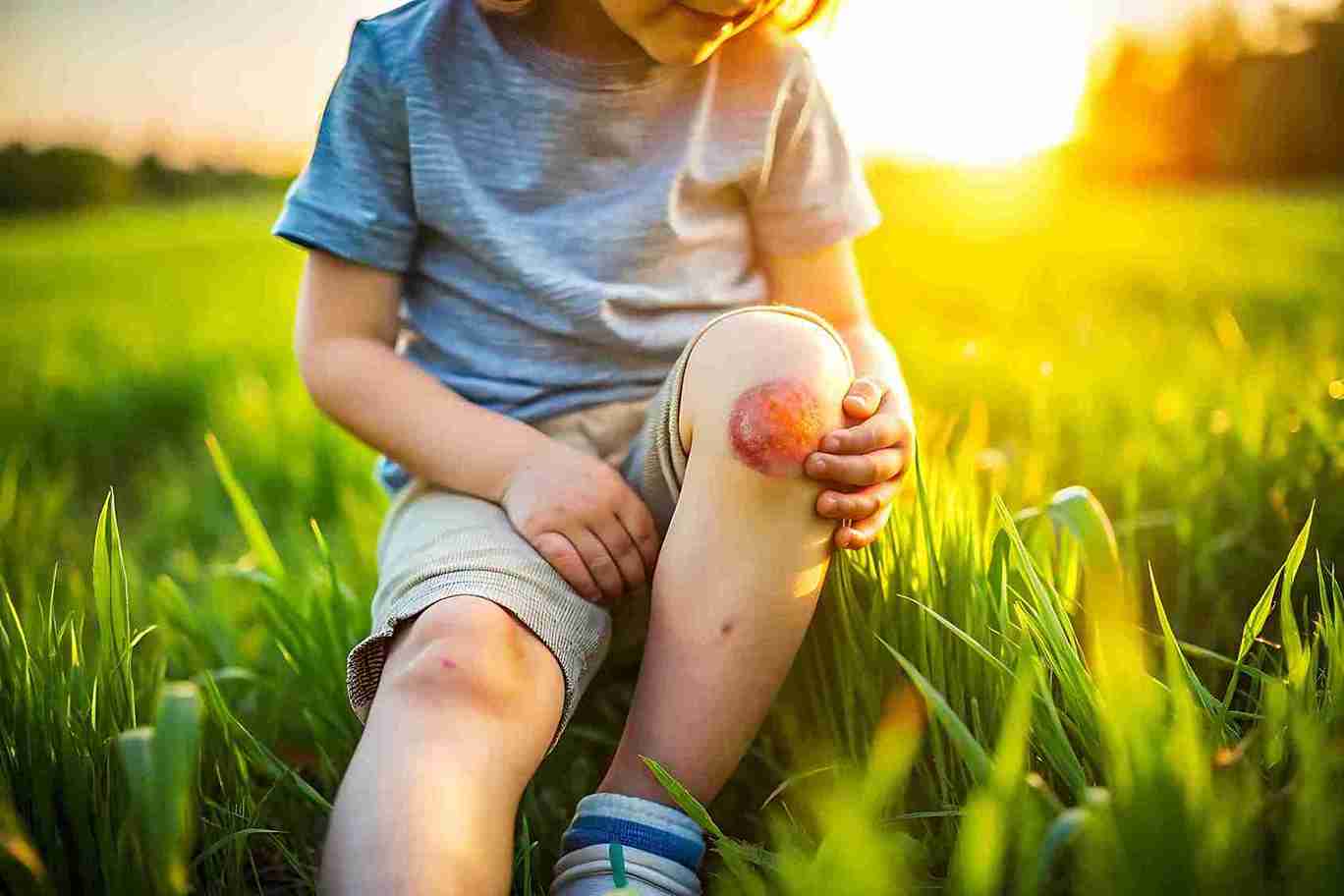
Osgood-Schlatter disease causes pain and swelling just below the kneecap, where the tendon attaches to the shinbone. It is most common in active children aged 10 to 15 going through a growth spurt. It is painful but not dangerous and usually settles with rest and physiotherapy.
ACL (Anterior Cruciate Ligament) injuries are becoming more common as children play more competitive sports. There may be a sudden pop sound, followed by immediate swelling and severe instability in the knee. They need specialist assessment and sometimes surgery.
These build up over time from repeated stress, not from a single event.
Stress fractures are tiny cracks in bone from repeated impact. Common in the feet and shins of runners and cricketers. Pain builds gradually and worsens during activity.
Sever's disease causes heel pain in children aged 8-14. The growth plate in the heel is stressed by the Achilles tendon during a growth spurt. Very common in football and cricket players. Heel pads, stretching, and a reduced training load usually sort it out.
Shoulder overuse, especially in cricket bowlers and swimmers, comes from repeated overhead movement. Rest and physiotherapy are the standard approaches.
Any sport involving contact, balls, or falls carries a risk of head injury. A concussion is more serious in children than in adults because the brain is still developing.
Signs include headache, confusion, dizziness, nausea, and sensitivity to light or noise. A child with a suspected concussion should come off the field immediately. The rule is simple: when in doubt, sit them out. No return to sport until a doctor has assessed them and they have completed a stepwise return-to-play protocol.
Five to ten minutes of gentle movement before and after sport cuts injury risk. This habit should be built in from a young age.
Helmets, shin guards, ankle support, and correct footwear are not optional. A cricket helmet that does not fit or football boots worn on hard ground directly contribute to injury.
Children often push through because they do not want to miss out. Teach them that pain during sport is a signal to stop.
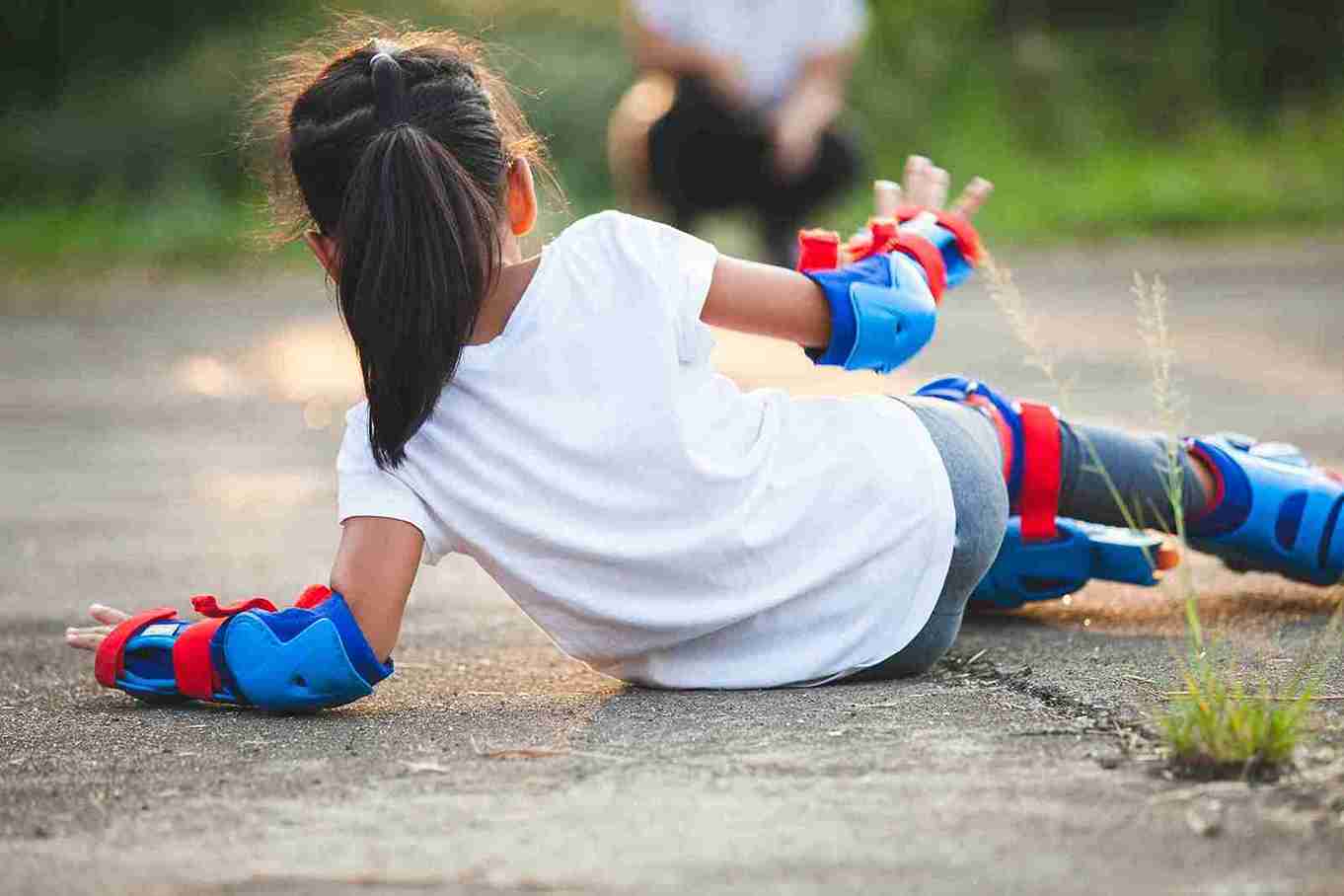
Children who play only one sport all year are at higher risk of overuse injuries than those who mix sports across seasons. Encourage variety, like cricket one season, football another.
A useful guide: hours of structured sport per week should not exceed the child's age in years. A 10-year-old should not be doing more than 10 hours of organised training weekly. Rest days matter.
Simple bodyweight exercises and stretching, especially of the hamstrings, calves, and hip flexors, reduce both the risk of acute and overuse injuries.
Sprains and strains: Use RICE — Rest, Ice (wrapped in cloth, not directly on skin, 15-20 minutes at a time), Compression, Elevation. See a doctor if swelling is significant, the child cannot bear weight, or pain does not improve within 48 hours.
Suspected fractures: Do not try to move or straighten the limb. Support it as it is and take the child for an X-ray.
Concussion: Take the child off immediately. Do not give ibuprofen; paracetamol is safer after a head injury. See a doctor before any return to sport.
Overuse injuries: Cut back the training that is causing the problem. Physiotherapy helps with both recovery and correcting the movement patterns that led to the injury.
Sports is good for children, there is no doubts about it. It gives a lot of health benefits, builds confidence and encourages teamwork. The goal is not to keep children off the field, but to ensure that they play safely, recover well and come back to it fit and fine. Good habits like warm-up and cool down, using the right protective gear in the appropriate way, and listening to the body can protect young athletes in the long run.


Sports injury prevention starts with a proper warm-up and cool-down, correct equipment, and not playing through pain. Children should play a variety of sports rather than specialising too early, and should have regular rest days built into their schedule. Training loads should match the child's age and stage.
The most common pediatric sports injuries include ankle sprains, fracture, Osgood-Schlatter disease, Sever's disease, stress fractures, and concussion. In India, cricket-related shoulder and finger injuries and football-related knee and ankle injuries are very common. Overuse injuries are rising as children play more competitive sports with less recovery time built in between sessions and seasons.
It depends on the injury. Mild sprains may settle in one to two weeks with RICE and physiotherapy. Fractures typically take four to eight weeks. Growth plate injuries need careful monitoring throughout healing. Concussion recovery follows a stepwise return-to-sport protocol and should not be rushed.
No. Returning too soon is one of the most common causes of re-injury. Child sports safety means following a graded return-to-sport plan after any significant injury. For a concussion, a structured stepwise protocol must be completed before full return to play. The child should be pain-free, have full range of motion, and have clearance from a doctor or physiotherapist before going back to their sport.


 Best Gynecologists in Bellandur Best Gynecologists in Electronic City Best Gynecologists in HRBR LayoutBest Gynecologists in Jayanagar Best Gynecologists in Kanakapura RoadBest Gynecologists in Malleswaram Best Gynecologists in Nagarbhavi Best Gynecologists in Old Airport RoadBest Gynecologists in Sahakarnagar Best Gynecologists in Sarjapur RoadBest Gynecologists in ThanisandraBest Gynecologists in Varthur RoadBest Gynecologists in Whitefield Best Gynecologists in Industrial Area Phase IIBest Gynecologists in OMRBest Gynecologists in T NagarBest Gynecologists in New Industrial TownBest Gynecologists in IndirapuramBest Gynecologists in Golf Course RoadBest Gynecologists in Sector 14Best Gynecologists in Sector 47Best Gynecologists in Banjara HillsBest Gynecologists in GachibowliBest Gynecologists in Hitech CityBest Gynecologists in KompallyBest Gynecologists in Gomti NagarBest Gynecologists in MaladBest Gynecologists in NerulBest Gynecologists in VashiBest Gynecologists in Kailash ColonyBest Gynecologists in PatparganjBest Gynecologists in Punjabi BaghBest Gynecologists in VikaspuriBest Gynecologists in Gaur CityBest Gynecologists in Pari ChowkBest Gynecologists in Sector 51Best Gynecologists in Sector 5 Swastik ViharBest Gynecologists in Kalyani NagarBest Gynecologists in SB RoadBest Gynecologists in Pimple SaudagarBest Pediatricians in BellandurBest Pediatricians in Electronic CityBest Pediatricians in HRBR LayoutBest Pediatricians in JayanagarBest Pediatricians in Kanakapura RoadBest Pediatricians in MalleswaramBest Pediatricians in NagarbhaviBest Pediatricians in Old Airport RoadBest Pediatricians in SahakarnagarBest Pediatricians in Sarjapur RoadBest Pediatricians in ThanisandraBest Pediatricians in Varthur RoadBest Pediatricians in WhitefieldBest Pediatricians in Industrial Area Phase IIBest Pediatricians in OMRBest Pediatricians in T NagarBest Pediatricians in New Industrial TownshipBest Pediatricians in IndirapuramBest Pediatricians in Golf Course RoadBest Pediatricians in Sector 14Best Pediatricians in Sector 47Best Pediatricians in Hitech CityBest Pediatricians in Banjara HillsBest Pediatricians in GachibowliBest Pediatricians in KompallyBest Pediatricians in Gomti NagarBest Pediatricians in MaladBest Pediatricians in NerulBest Pediatricians in VashiBest Pediatricians in Kailash ColonyBest Pediatricians in PatparganjBest Pediatricians in Punjabi BaghBest Pediatricians in VikaspuriBest Pediatricians in Gaur CityBest Pediatricians in Pari ChowkBest Pediatricians in Sector 51Best Pediatricians in Sector 5 Swastik ViharBest Pediatricians in Kalyani NagarBest Pediatricians in SB RoadBest Pediatricians in Pimple Saudagar


