
Most couples who are trying to conceive focus on timing, tracking cycles, and managing stress. Food rarely gets the same attention it deserves, but it should. What you eat in the months before conception affects egg quality, sperm health, hormonal balance, and even the uterine environment.
The good news is that you do not need a complicated diet plan. You just need to know what helps and, just as importantly, what gets in the way. This guide focuses on the foods to avoid while trying to conceive and why cutting back or eliminating them can genuinely improve your chances.
Egg cells take about 90 days to mature before ovulation. Sperm also take roughly the same amount of time to develop. That means what you eat today is directly shaping the quality of the egg or sperm that will be involved in conception three months from now.
Poor nutrition affects hormone levels, disrupts ovulation, lowers sperm count, and creates inflammation in the body, none of which support a healthy conception. Fertility diet mistakes made consistently over months can quietly work against you, even when everything else seems fine.
This is not about eating perfectly. It is about being aware of the foods that most affect fertility and making steady, practical changes.
This is one of the most common fertility diet mistakes couples make, not because they are eating badly, but because packaged food has become so normal that it does not register as a problem.
Biscuits, instant noodles, packaged namkeen, ready-to-eat meals, and store-bought bread are loaded with refined flour, added sugars, preservatives, and trans fats. Trans fats are one of the well-known unhealthy foods for fertility. They trigger inflammation, impair insulin sensitivity, and disrupt ovulation in women. In men, high trans fat intake has been linked to lower sperm count and poorer sperm quality.
Some foods that affect fertility are also known to cause blood sugar spikes, yet many people do not connect the two.
When blood sugar rises sharply, the body releases a surge of insulin. Over time, high insulin levels disrupt the hormones that regulate ovulation. Women with insulin resistance, which is closely linked to PCOS, are especially vulnerable to this effect. Cold drinks, packaged juices, mithai, cakes, white bread, and polished white rice, when eaten in large quantities, all fall into this category. This does not mean you need to avoid rice or sweets totally. It means being conscious of portion sizes and frequency, choosing whole grains like brown rice, jowar, bajra, or ragi over refined ones where possible.
For men, high sugar intake has been linked to lower testosterone levels and reduced sperm motility. Cutting down on sugary drinks alone is one of the simplest changes a couple can make.

Caffeine deserves careful attention when trying to conceive, as it's best to avoid or significantly limit your intake.
Multiple studies have found a link between high caffeine intake and reduced fertility in women, including a longer time to conception and a higher risk of early miscarriage. The effect appears to be dose-related: the more caffeine consumed, the greater the impact.
For men, high caffeine consumption has been linked to lower sperm concentration and motility in some research, though the evidence here is less definitive.
Most doctors recommend keeping caffeine under 200 mg per day when trying to conceive. That works out to roughly one strong cup of filter coffee or two small cups of tea. You need to be aware of how much you are consuming, including the caffeine in cold drinks, energy drinks, and chocolate.
There is no safe amount of alcohol established for women who are trying to conceive. Alcohol disrupts estrogen and progesterone levels, affects egg quality, and increases the risk of early pregnancy loss. Since conception can happen without you knowing immediately, drinking alcohol during the conception period carries real risk.
The impact of alcohol is not restricted to women alone. In men, regular alcohol consumption lowers testosterone, reduces sperm production, and negatively impacts sperm shape and motility. These aspects matter especially when sperm quality is already under scrutiny.
Fish is generally good for fertility, as it is a source of omega-3 fatty acids that support egg quality and sperm health. But certain types of fish carry high levels of mercury, which can accumulate in the body and affect the nervous system of a developing foetus.
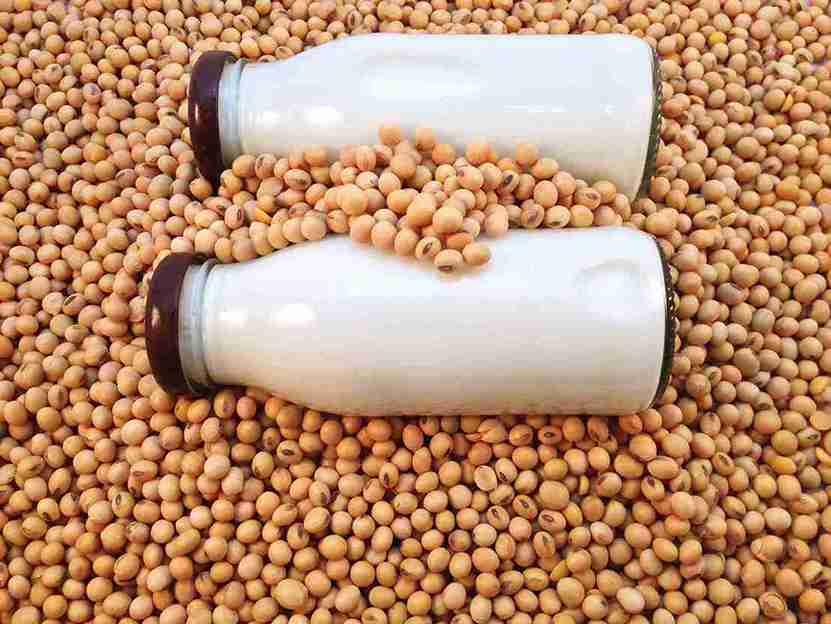
Soy contains plant compounds called phytoestrogens, which can mimic estrogen in the body. In small to moderate amounts, soy is not a concern for most people. But in large quantities, soy protein powders, soy supplements, or diets very heavy in soy-based foods may interfere with hormonal balance in women and have been linked to lower sperm count in men in some studies.
If you regularly use protein shakes or supplements, check whether they are soy-based. This is a fertility diet mistake that is easy to overlook, especially among people who are health-conscious and assume plant-based supplements are always better.
Unpasteurised milk, raw paneer from local vendors, and soft cheeses made from unpasteurised milk can carry bacteria like Listeria, which poses a real risk in early pregnancy. Although the risk is low, it's best to avoid these foods while trying to conceive, as early pregnancy is often unconfirmed for several weeks.
Stick to pasteurised milk and dairy products from reputable brands. Homemade paneer or curd from boiled milk works fine.
Eating well when you are trying to conceive does not mean giving up everything you enjoy. It means being honest about the patterns that may be working against you: the daily cold drink, the frequent packaged snacks, the extra cups of chai. Small, consistent changes in the months before conception can make a meaningful difference. When in doubt, speak to your gynaecologist or a nutritionist who can guide you based on your specific health history.

Want to consult the best gynecologists in India? Please find the links below.
Want to consult the best Maternity Packages in India? Please find the links below.

Foods to avoid while trying to conceive include highly processed and packaged foods, sugary drinks, high-mercury fish, alcohol, and excess caffeine. Avoid raw or unpasteurised dairy and large amounts of soy-based products. These foods affect hormonal balance, egg quality, and sperm health. Replacing them with whole, home-cooked food is the most practical step a couple can take.
Yes. In women, high caffeine intake has been linked to a longer conception time and a higher risk of miscarriage. In men, it may affect sperm motility and concentration. Keeping caffeine under 200 mg per day, roughly one strong coffee or two small teas, is a sensible limit. Caffeine in cold drinks, energy drinks, and chocolate also adds up and should be counted.
They can, yes. Processed foods are high in trans fats, refined sugars, and additives, all of which are unhealthy foods for fertility. Trans fats disrupt ovulation in women and lower sperm quality in men. Regular consumption of packaged snacks and convenience foods is one of the most common fertility diet mistakes couples make without realising the connection to conception difficulties.
Low-mercury fish like rohu, pomfret, catla, and sardines are safe and beneficial. They provide omega-3 fatty acids that support egg and sperm health. However, large predatory fish with high mercury levels should be avoided, as mercury can affect a developing fetus. Raw or undercooked seafood should also be avoided due to the risk of bacterial infection.







 Best Gynecologists in Bellandur Best Gynecologists in Electronic City Best Gynecologists in HRBR LayoutBest Gynecologists in Jayanagar Best Gynecologists in Kanakapura RoadBest Gynecologists in Malleswaram Best Gynecologists in Nagarbhavi Best Gynecologists in Old Airport RoadBest Gynecologists in Sahakarnagar Best Gynecologists in Sarjapur RoadBest Gynecologists in ThanisandraBest Gynecologists in Varthur RoadBest Gynecologists in Whitefield Best Gynecologists in Industrial Area Phase IIBest Gynecologists in OMRBest Gynecologists in T NagarBest Gynecologists in New Industrial TownBest Gynecologists in IndirapuramBest Gynecologists in Golf Course RoadBest Gynecologists in Sector 14Best Gynecologists in Sector 47Best Gynecologists in Banjara HillsBest Gynecologists in GachibowliBest Gynecologists in Hitech CityBest Gynecologists in KompallyBest Gynecologists in Gomti NagarBest Gynecologists in MaladBest Gynecologists in NerulBest Gynecologists in VashiBest Gynecologists in Kailash ColonyBest Gynecologists in PatparganjBest Gynecologists in Punjabi BaghBest Gynecologists in VikaspuriBest Gynecologists in Gaur CityBest Gynecologists in Pari ChowkBest Gynecologists in Sector 51Best Gynecologists in Sector 5 Swastik ViharBest Gynecologists in Kalyani NagarBest Gynecologists in SB RoadBest Gynecologists in Pimple SaudagarBest Pediatricians in BellandurBest Pediatricians in Electronic CityBest Pediatricians in HRBR LayoutBest Pediatricians in JayanagarBest Pediatricians in Kanakapura RoadBest Pediatricians in MalleswaramBest Pediatricians in NagarbhaviBest Pediatricians in Old Airport RoadBest Pediatricians in SahakarnagarBest Pediatricians in Sarjapur RoadBest Pediatricians in ThanisandraBest Pediatricians in Varthur RoadBest Pediatricians in WhitefieldBest Pediatricians in Industrial Area Phase IIBest Pediatricians in OMRBest Pediatricians in T NagarBest Pediatricians in New Industrial TownshipBest Pediatricians in IndirapuramBest Pediatricians in Golf Course RoadBest Pediatricians in Sector 14Best Pediatricians in Sector 47Best Pediatricians in Hitech CityBest Pediatricians in Banjara HillsBest Pediatricians in GachibowliBest Pediatricians in KompallyBest Pediatricians in Gomti NagarBest Pediatricians in MaladBest Pediatricians in NerulBest Pediatricians in VashiBest Pediatricians in Kailash ColonyBest Pediatricians in PatparganjBest Pediatricians in Punjabi BaghBest Pediatricians in VikaspuriBest Pediatricians in Gaur CityBest Pediatricians in Pari ChowkBest Pediatricians in Sector 51Best Pediatricians in Sector 5 Swastik ViharBest Pediatricians in Kalyani NagarBest Pediatricians in SB RoadBest Pediatricians in Pimple Saudagar


