
Diarrhea is a common issue among children and can be a source of concern for parents. Understanding how to effectively manage diarrhea can help minimize discomfort and prevent complications. This guide provides essential information about the causes, symptoms, treatment, and prevention of diarrhea in children.
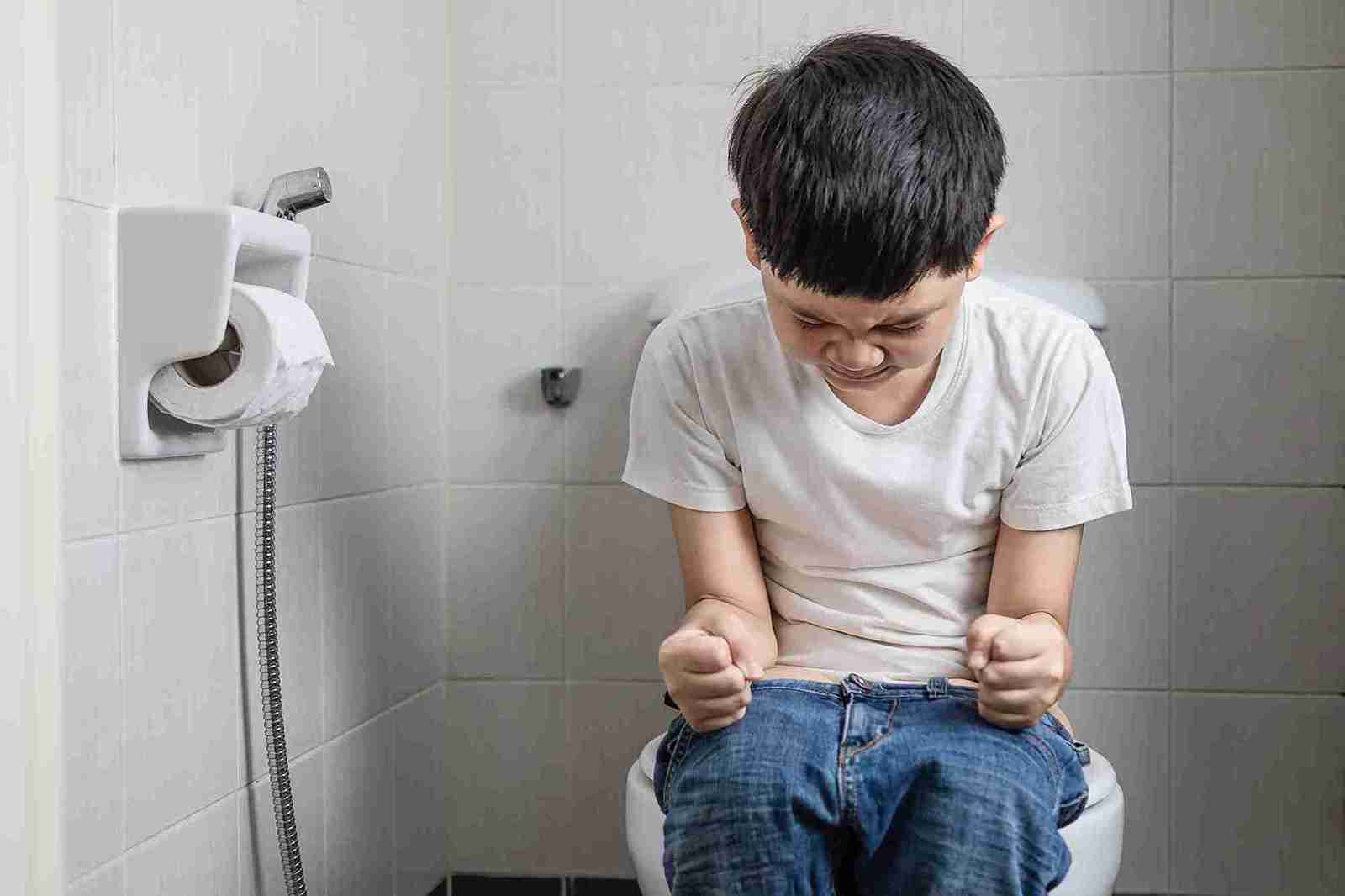
Diarrhea is defined as the frequent passage of loose or watery stools. It can be acute, lasting a few days, or chronic, lasting several weeks. Common causes of diarrhea in children include:
Viral Infections: Rotavirus and norovirus are common culprits, often resulting from contaminated food or water.
Bacterial Infections: Bacteria like E. coli or Salmonella can cause diarrhea, typically from contaminated food.
Parasitic Infections: Less common, but parasites such as Giardia can lead to gastrointestinal distress.
Food Intolerances: Lactose intolerance or reactions to certain foods can trigger diarrhea.
Medications: Antibiotics can disrupt the balance of gut bacteria, leading to diarrhea.
Symptoms of diarrhea can vary, but key indicators include:
- Frequent loose or watery stools
- Abdominal cramps
- Fever
- Dehydration signs, such as dry mouth, decreased urination, or lethargy
1. Hydration is Key: The primary concern with diarrhea is dehydration. Encourage your child to drink plenty of fluids. Oral rehydration solutions (ORS) are ideal as they contain electrolytes that help replenish lost fluids. Clear broths, diluted fruit juices, and water can also be beneficial.
2. Dietary Adjustments: While the "BRAT" diet (bananas, rice, applesauce, toast) is commonly recommended, it’s essential to maintain a balanced diet. Include easily digestible foods like plain pasta, boiled potatoes, and steamed vegetables. Avoid fatty foods, sugary snacks, and dairy products until diarrhea improves.
3. Monitor Symptoms: Keep an eye on your child’s symptoms. If diarrhea persists for more than 24 hours or if they exhibit severe symptoms, consult a healthcare professional.
4. Rest and Comfort: Encourage your child to rest. Sometimes, a calm environment can aid in recovery. Provide comfort through cuddling or engaging in quiet activities to distract them.
While most cases of diarrhea resolve without medical intervention, certain situations require immediate attention:
Signs of Dehydration: If your child shows signs of dehydration (dry mouth, no tears when crying, lethargy, or infrequent urination), seek medical help immediately.
High Fever: A persistent fever above 102°F (39°C) can indicate a more serious infection.
Blood in Stools: If you notice blood or mucus in your child’s stool, it’s crucial to consult a healthcare provider.
Severe Abdominal Pain: Persistent pain could signal an underlying issue that needs evaluation.
To reduce the risk of diarrhea in children, consider the following preventive measures:
1. Hand Hygiene: Teach your child the importance of washing hands with soap and water, especially after using the bathroom and before meals.
2. Safe Food Practices: Ensure food is prepared and stored safely. Wash fruits and vegetables thoroughly and avoid giving raw or undercooked foods to young children.
3. Vaccinations: Vaccines, such as the rotavirus vaccine, can protect against some viral causes of diarrhea. Stay up to date with your child’s immunization schedule.
4. Avoiding Contaminated Water: Be cautious about water quality, especially when traveling. Stick to bottled water or boiled water in areas where sanitation may be questionable.
Managing diarrhea in children can be straightforward with the right knowledge and resources. By focusing on hydration, dietary adjustments, and monitoring symptoms, you can help your child recover more comfortably. Always consult with a healthcare provider if you have concerns, especially regarding dehydration or prolonged symptoms. With proactive management, most cases of diarrhea can be effectively handled, allowing your child to return to their happy, active self.
Want to consult the best pediatrician in India? Please find the links below

The common cause of diarrhoea in children is viral infections like rotavirus and norovirus, which can spread through contaminated food or water. Bacteria such as E. coli and Salmonella can also cause diarrhoea through food contamination. Parasitic infections are also a reason for children to get diarrhoea. Sometimes intolerance to certain foods, like dairy products, can also lead to this infection. Certain medications, like antibiotics, can also mess with the balance of good bacteria in the gut and can lead to diarrhoea.
The first tip to treat diarrhoea at home is to focus on hydration. Give plenty of fluids, including ORS. Give them a balanced diet - simple homemade foods that are easy to digest. Keep a close eye on the symptoms. If the symptoms become severe, consult a doctor right away. Proper rest and comfort need to be encouraged.
The focus needs to be on providing light, easily digestible foods. Give them plenty of fluids, such as ORS, clear soups, fresh fruit juices, and water. Include bananas, rice, and apples in their diet. Boiled potatoes and steamed vegetables can be given. Avoid heavy, oily, spicy foods and sugary snacks till they recover completely.
The key is to keep the child sufficiently hydrated so the body can replenish the water lost to diarrhoea. Give them plenty of fluids in the form of ORS, soups, fresh fruit juices and lots of water. You can also add watery fruits and vegetables like watermelon and cucumber to ensure they are not dehydrated.







 Best Gynecologists in Bellandur Best Gynecologists in Electronic City Best Gynecologists in HRBR LayoutBest Gynecologists in Jayanagar Best Gynecologists in Kanakapura RoadBest Gynecologists in Malleswaram Best Gynecologists in Nagarbhavi Best Gynecologists in Old Airport RoadBest Gynecologists in Sahakarnagar Best Gynecologists in Sarjapur RoadBest Gynecologists in ThanisandraBest Gynecologists in Varthur RoadBest Gynecologists in Whitefield Best Gynecologists in Industrial Area Phase IIBest Gynecologists in OMRBest Gynecologists in T NagarBest Gynecologists in New Industrial TownBest Gynecologists in IndirapuramBest Gynecologists in Golf Course RoadBest Gynecologists in Sector 14Best Gynecologists in Sector 47Best Gynecologists in Banjara HillsBest Gynecologists in GachibowliBest Gynecologists in Hitech CityBest Gynecologists in KompallyBest Gynecologists in Gomti NagarBest Gynecologists in MaladBest Gynecologists in NerulBest Gynecologists in VashiBest Gynecologists in Kailash ColonyBest Gynecologists in PatparganjBest Gynecologists in Punjabi BaghBest Gynecologists in VikaspuriBest Gynecologists in Gaur CityBest Gynecologists in Pari ChowkBest Gynecologists in Sector 51Best Gynecologists in Sector 5 Swastik ViharBest Gynecologists in Kalyani NagarBest Gynecologists in SB RoadBest Gynecologists in Pimple SaudagarBest Pediatricians in BellandurBest Pediatricians in Electronic CityBest Pediatricians in HRBR LayoutBest Pediatricians in JayanagarBest Pediatricians in Kanakapura RoadBest Pediatricians in MalleswaramBest Pediatricians in NagarbhaviBest Pediatricians in Old Airport RoadBest Pediatricians in SahakarnagarBest Pediatricians in Sarjapur RoadBest Pediatricians in ThanisandraBest Pediatricians in Varthur RoadBest Pediatricians in WhitefieldBest Pediatricians in Industrial Area Phase IIBest Pediatricians in OMRBest Pediatricians in T NagarBest Pediatricians in New Industrial TownshipBest Pediatricians in IndirapuramBest Pediatricians in Golf Course RoadBest Pediatricians in Sector 14Best Pediatricians in Sector 47Best Pediatricians in Hitech CityBest Pediatricians in Banjara HillsBest Pediatricians in GachibowliBest Pediatricians in KompallyBest Pediatricians in Gomti NagarBest Pediatricians in MaladBest Pediatricians in NerulBest Pediatricians in VashiBest Pediatricians in Kailash ColonyBest Pediatricians in PatparganjBest Pediatricians in Punjabi BaghBest Pediatricians in VikaspuriBest Pediatricians in Gaur CityBest Pediatricians in Pari ChowkBest Pediatricians in Sector 51Best Pediatricians in Sector 5 Swastik ViharBest Pediatricians in Kalyani NagarBest Pediatricians in SB RoadBest Pediatricians in Pimple Saudagar


