





Bringing a baby home is joyful, exhausting, and all-consuming. Most new mothers are so focused on their newborn that their own health takes a back seat, which is exactly why postpartum preeclampsia is so easy to miss. It's a serious condition that develops after delivery, and it can affect women who had completely normal blood pressure throughout their entire pregnancy.
Without timely treatment, it can cause severe complications involving the brain, lungs, kidneys, and other organs. It is, without question, a medical emergency.
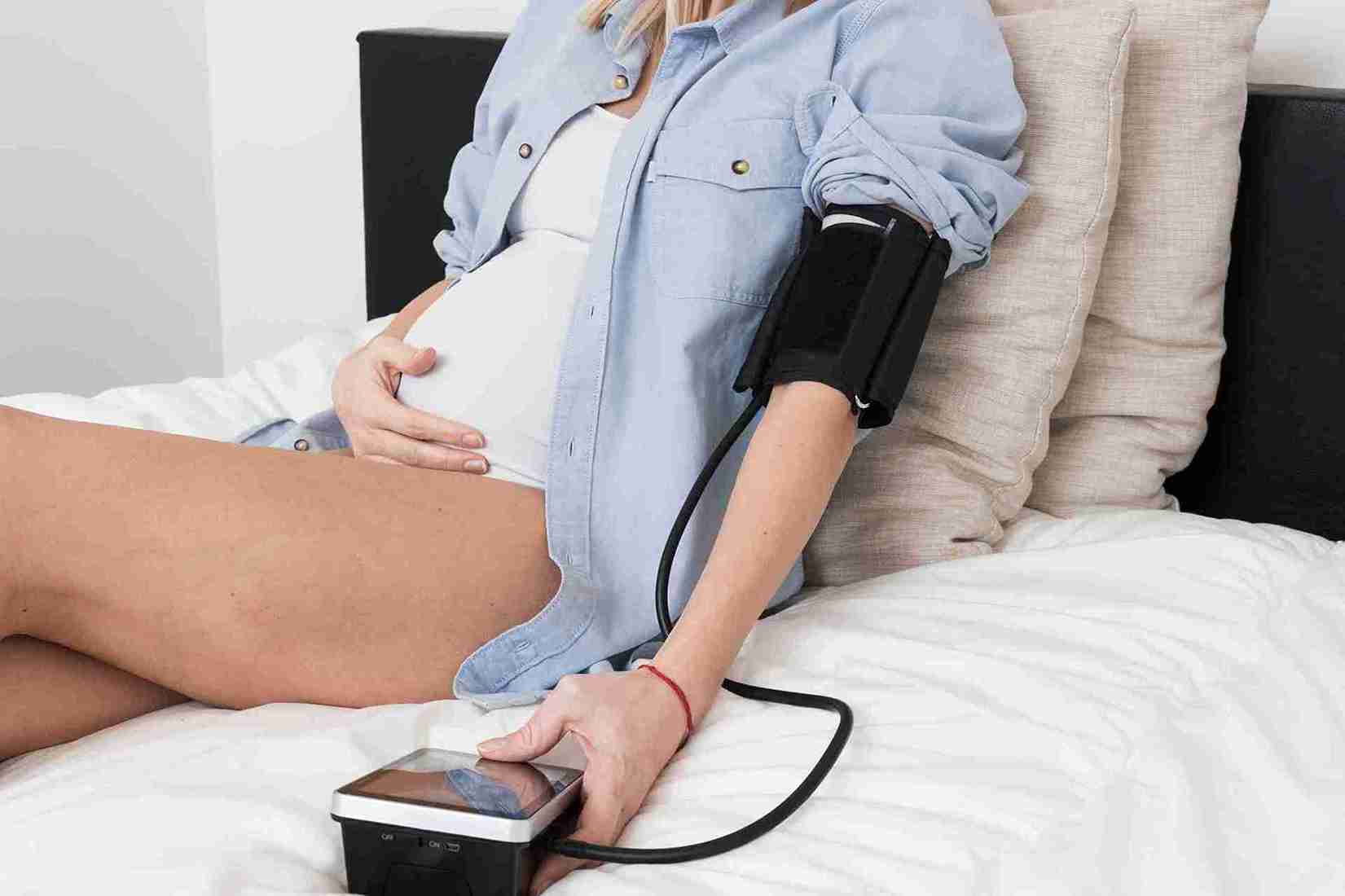
It's a condition where blood pressure spikes and organs come under stress, but after the baby is born, not before. Most cases appear within the first two days of delivery, though it can develop anytime in the first six weeks postpartum.
The danger is that most women assume pregnancy-related risks end the moment they deliver. They don't. And because the warning signs can look a lot like ordinary post-delivery fatigue, they often go unnoticed until the situation becomes serious. Catching it early is what keeps it from becoming life-threatening.
Abnormal blood vessel function and widespread inflammation hamper blood flow. And if the lining of these vessels, called endothelium, stops working properly, it can lead to elevated blood pressure and organ stress.
Some experts also believe that placental substances may continue to influence the mother's body even after delivery. Hormonal shifts and inflammatory changes that occur during the postpartum period may further increase the risk.
Now, who’s more likely to have these problems? Women with certain risk factors are at higher risk:
Just having one of these factors doesn’t mean you'll definitely get postpartum preeclampsia, but it's smart to stay extra vigilant post-delivery.
Recognising the symptoms early can save a lot of trouble and avoid serious complications.

Recognising postpartum preeclampsia symptoms early can help prevent serious complications.
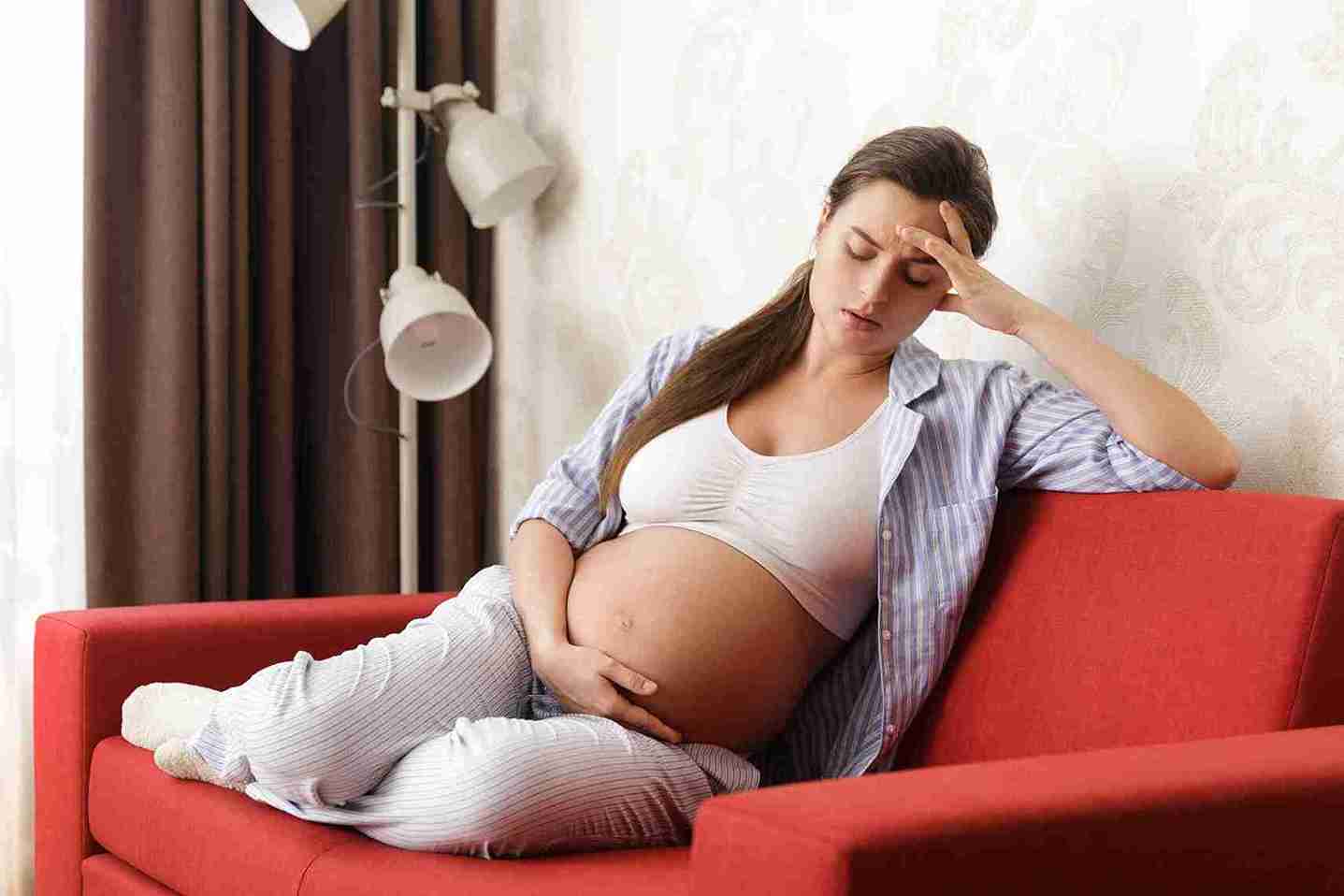
Spotting postpartum preeclampsia early is crucial for stopping serious issues. Common symptoms are:
Seek emergency care if you get a severe headache that won't go away, start seeing flashing lights or lose vision, have chest pain, difficulty breathing, seizures, or stomach pain. These could be signs of a serious complication that needs your attention right away.
Diagnosis begins with blood pressure monitoring. A healthcare provider will assess whether blood pressure levels are elevated and evaluate for signs of organ involvement.
Additional tests may include:
These investigations help determine the severity of the condition and guide treatment decisions.

Untreated postpartum preeclampsia can cause major health issues.
This occurs when seizures develop as a result of severe preeclampsia. This is a medical emergency requiring immediate intervention.
A stroke can occur from super-high blood pressure causing bleeding or blockages in the brain.
Fluid can accumulate in the lungs, causing breathing difficulties and reduced oxygen levels.
The kidneys, liver, brain, and cardiovascular system can be affected if high blood pressure remains uncontrolled.
Postpartum preeclampsia may increase the risk of abnormal blood clotting, which can be dangerous if left untreated.
Although rare, with appropriate care, severe complications can become life-threatening. Early recognition and treatment significantly improve outcomes.
Treatment for postpartum preeclampsia centres on keeping blood pressure under control and stopping problems before they happen.
Based on how severe the symptoms are, you might need to stay in the hospital.
Close follow-up after discharge remains an important part of recovery.
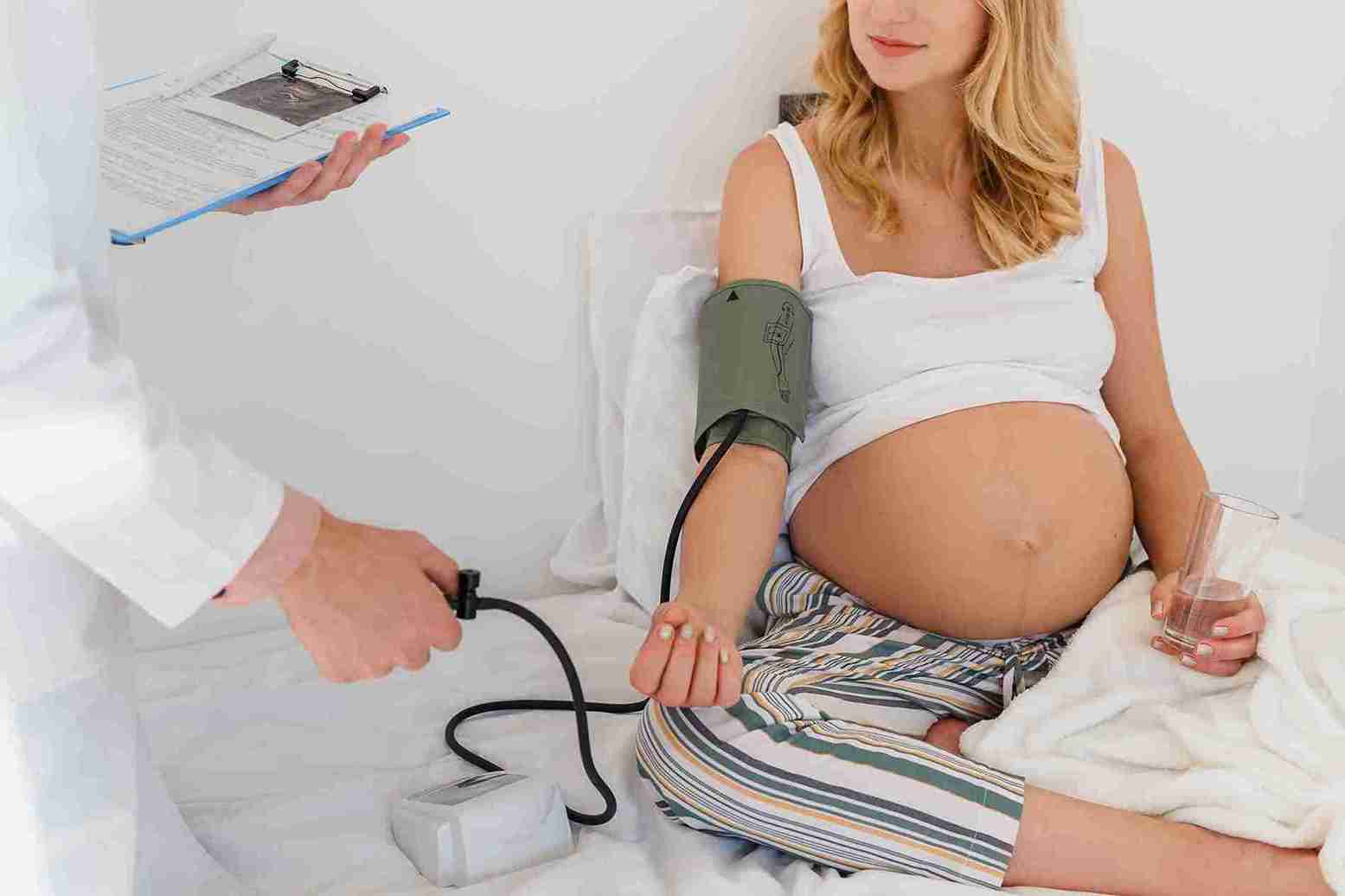
Recovery varies from person to person. Some women experience improvement within a few days, while others may require blood pressure medications and monitoring for several weeks.
Regular follow-up appointments help ensure blood pressure returns to a healthy range and that no complications develop.
In most cases, yes. With the right diagnosis and treatment, postpartum preeclampsia does resolve. Blood pressure typically returns to normal within days to a few weeks after delivery. That said, some women need longer monitoring and continued medical support even after symptoms improve — which is why postpartum checkups matter, not just while you're symptomatic, but after too.
One of the most common questions women ask is: does postpartum preeclampsia go away?
In most cases, yes. With timely diagnosis and proper treatment, the condition gradually resolves. Blood pressure often returns to normal within days or weeks after delivery.
However, some women may require longer monitoring and ongoing medical care. Attending postpartum checkups is essential even after symptoms improve.
While a postpartum preeclampsia diet cannot cure the condition, it can play an important role in supporting recovery, protecting heart health, and helping your body heal after childbirth.
What to eat more of: Fresh fruits and vegetables, whole grains, lean proteins, low-fat dairy, potassium-rich foods like bananas and sweet potatoes, and healthy fats from nuts, seeds, and fish are all good choices.
What to pull back on: Salt, heavily processed foods, sugary drinks, and excess caffeine — particularly if your doctor has flagged any of these for your specific situation.
Don't forget water. Staying well hydrated supports recovery and helps your body regulate blood pressure more effectively. If you have swelling or ongoing blood pressure concerns, ask your doctor what fluid intake looks like for you specifically.
There's no guaranteed way of preventing postpartum preeclampsia, but there's a lot you can do to reduce your risk and stay ahead of it.
Eating well, staying active once your doctor gives the go-ahead, and keeping up with every postpartum appointment are basics that matter more than they might seem. If you've been prescribed medication or have a chronic condition like diabetes or hypertension, managing it consistently isn't optional; it's protective. Monitoring your blood pressure at home in the weeks after delivery, knowing what warning signs to look for, and having a care plan tailored to your specific risk level can all make a real difference.
The goal isn't to worry more. It's to stay informed enough that nothing catches you off guard.
Postpartum care at Cloudnine doesn't stop at discharge. Obstetricians, maternal health specialists, and nursing teams remain actively involved because they know complications don't always announce themselves before you leave the hospital.
One thing that stands out: when new mothers call with concerns, they're connected to trained nurses, not a general reception desk. That means faster, clinically informed guidance at a moment when every minute can matter. Recovery plans are personalised, blood pressure monitoring is built into follow-up care, and access to specialist support is never far away.
Postpartum preeclampsia is serious, but it's also treatable, and most women who receive timely care recover fully. The weeks after delivery deserve the same attention as the months before. Pay attention to how you feel, show up for your follow-up appointments, and don't second-guess yourself when something seems wrong. Your health after birth matters just as much as it did during pregnancy.

Want to consult the best gynecologists in India? Please find the links below.
Want to consult the best Maternity Packages in India? Please find the links below.

Severe preeclampsia typically involves very high blood pressure, significant organ involvement, severe headaches, visual disturbances, or abnormal blood test results.
In most cases, yes. Many medications used to treat postpartum preeclampsia are compatible with breastfeeding, but individual medical advice is important.
Preeclampsia involves high blood pressure and organ dysfunction, while eclampsia occurs when seizures develop as a complication of preeclampsia.
Most women recover within days to weeks with appropriate treatment, although some may require longer-term blood pressure monitoring and follow-up care.


 Best Gynecologists in Bellandur Best Gynecologists in Electronic City Best Gynecologists in HRBR LayoutBest Gynecologists in Jayanagar Best Gynecologists in Kanakapura RoadBest Gynecologists in Malleswaram Best Gynecologists in Nagarbhavi Best Gynecologists in Old Airport RoadBest Gynecologists in Sahakarnagar Best Gynecologists in Sarjapur RoadBest Gynecologists in ThanisandraBest Gynecologists in Varthur RoadBest Gynecologists in Whitefield Best Gynecologists in Industrial Area Phase IIBest Gynecologists in OMRBest Gynecologists in T NagarBest Gynecologists in New Industrial TownBest Gynecologists in IndirapuramBest Gynecologists in Golf Course RoadBest Gynecologists in Sector 14Best Gynecologists in Sector 47Best Gynecologists in Banjara HillsBest Gynecologists in GachibowliBest Gynecologists in Hitech CityBest Gynecologists in KompallyBest Gynecologists in Gomti NagarBest Gynecologists in MaladBest Gynecologists in NerulBest Gynecologists in VashiBest Gynecologists in Kailash ColonyBest Gynecologists in PatparganjBest Gynecologists in Punjabi BaghBest Gynecologists in VikaspuriBest Gynecologists in Gaur CityBest Gynecologists in Pari ChowkBest Gynecologists in Sector 51Best Gynecologists in Sector 5 Swastik ViharBest Gynecologists in Kalyani NagarBest Gynecologists in SB RoadBest Gynecologists in Pimple SaudagarBest Pediatricians in BellandurBest Pediatricians in Electronic CityBest Pediatricians in HRBR LayoutBest Pediatricians in JayanagarBest Pediatricians in Kanakapura RoadBest Pediatricians in MalleswaramBest Pediatricians in NagarbhaviBest Pediatricians in Old Airport RoadBest Pediatricians in SahakarnagarBest Pediatricians in Sarjapur RoadBest Pediatricians in ThanisandraBest Pediatricians in Varthur RoadBest Pediatricians in WhitefieldBest Pediatricians in Industrial Area Phase IIBest Pediatricians in OMRBest Pediatricians in T NagarBest Pediatricians in New Industrial TownshipBest Pediatricians in IndirapuramBest Pediatricians in Golf Course RoadBest Pediatricians in Sector 14Best Pediatricians in Sector 47Best Pediatricians in Hitech CityBest Pediatricians in Banjara HillsBest Pediatricians in GachibowliBest Pediatricians in KompallyBest Pediatricians in Gomti NagarBest Pediatricians in MaladBest Pediatricians in NerulBest Pediatricians in VashiBest Pediatricians in Kailash ColonyBest Pediatricians in PatparganjBest Pediatricians in Punjabi BaghBest Pediatricians in VikaspuriBest Pediatricians in Gaur CityBest Pediatricians in Pari ChowkBest Pediatricians in Sector 51Best Pediatricians in Sector 5 Swastik ViharBest Pediatricians in Kalyani NagarBest Pediatricians in SB RoadBest Pediatricians in Pimple Saudagar


