
When a couple first walks into a fertility clinic, the many treatment options can feel overwhelming - IUI, IVF, ICSI, FET. The terminology can feel clinical and confusing, and figuring out which treatment fits your needs can be difficult.
The two treatments people hear about most, and often find most confusing, are IUI and IVF. Both options support conception and can be helpful for those facing challenges in starting a family. However, they differ in how they work, who they may help, what is involved, and also in their costs.
Understanding the difference between IUI and IVF is important for couples making decisions that can impact their family, finances, and emotional well-being.
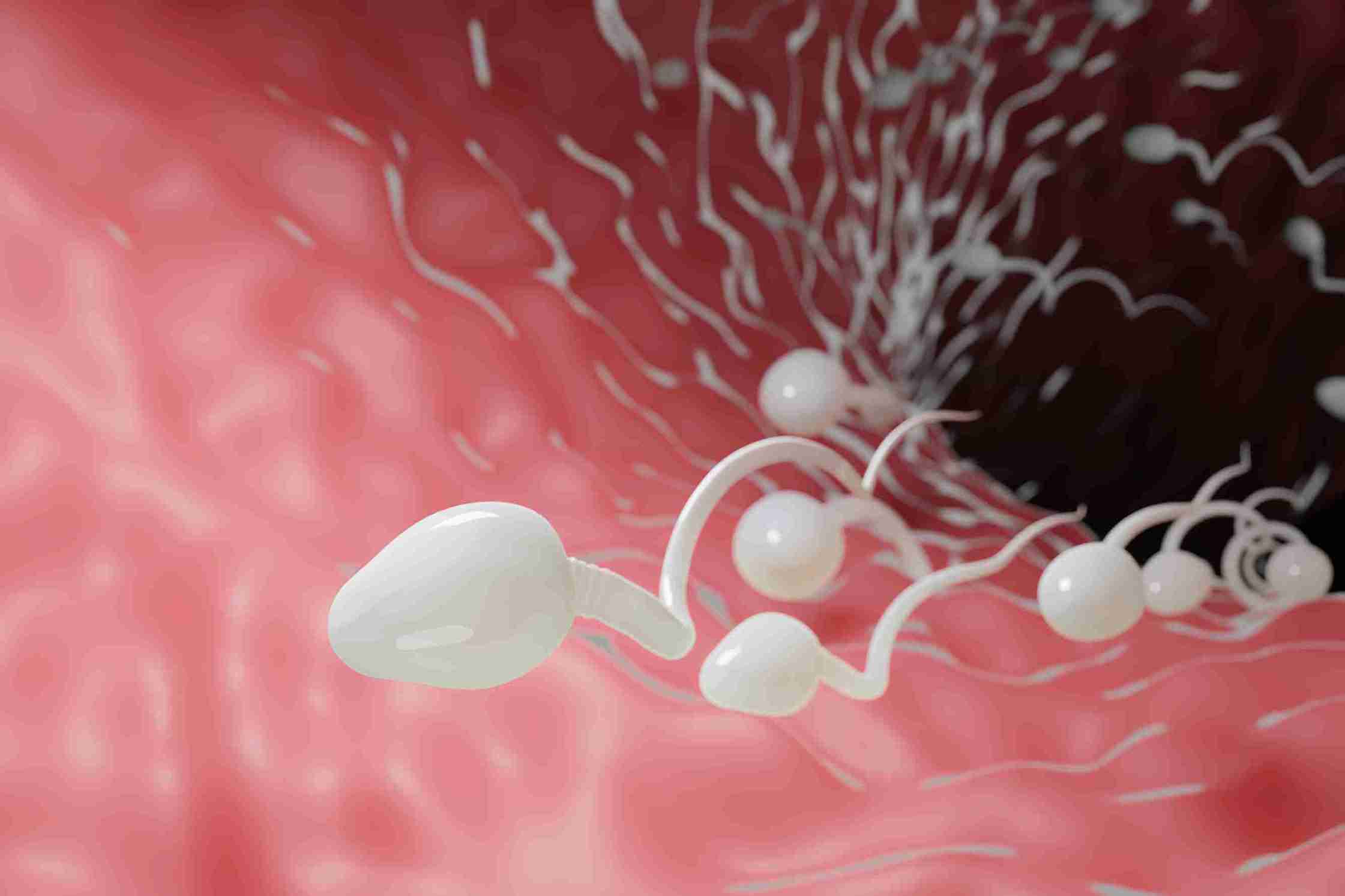
IUI stands for Intrauterine Insemination. It is the simpler of the two treatments, both in terms of the procedure itself and what it asks of the body.
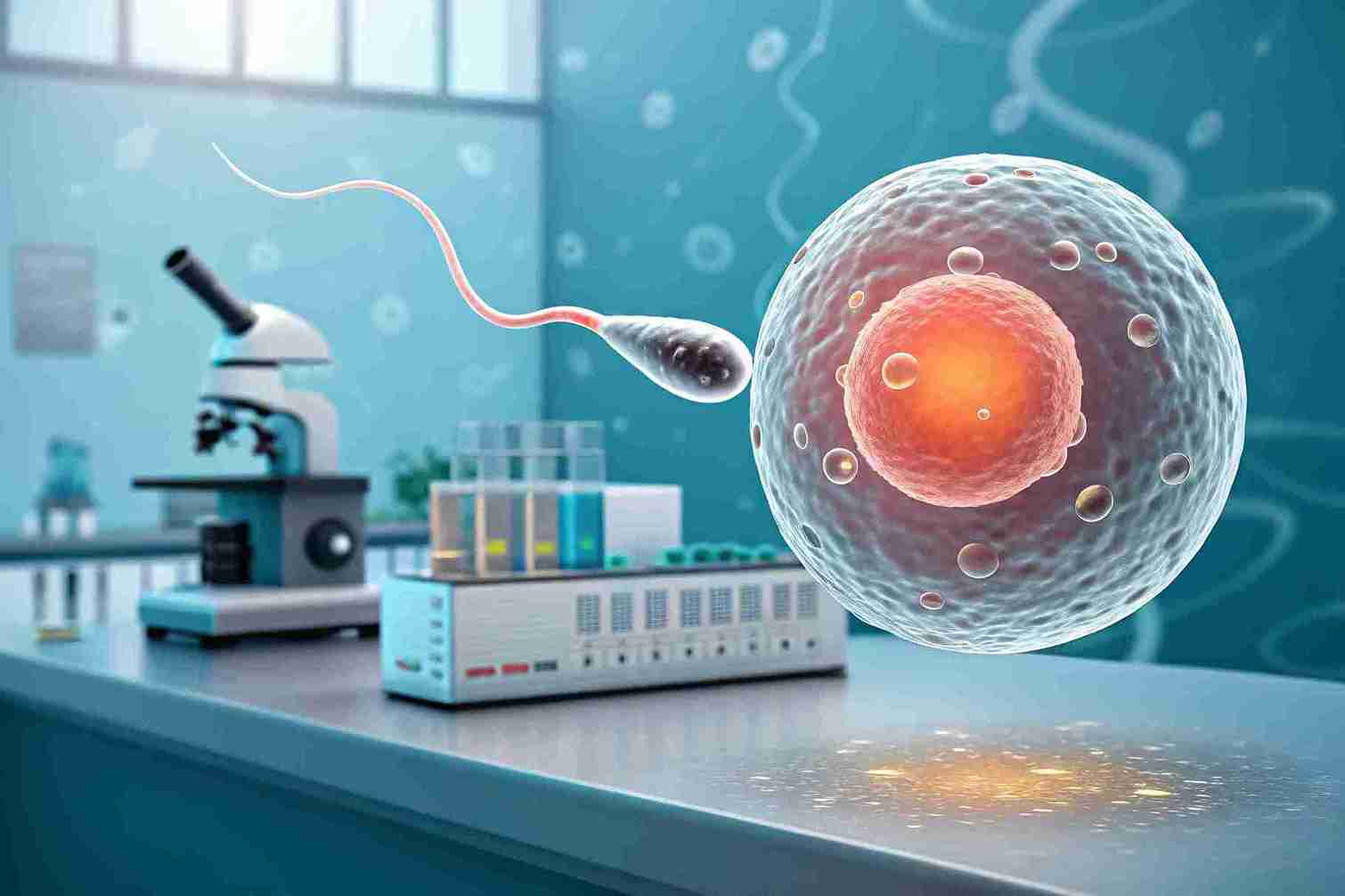
IVF stands for In Vitro Fertilisation. IVF is a more complex process in which fertilisation occurs entirely outside the body in a laboratory setting.
The fundamental difference between IUI and IVF is the location and method of fertilisation—whether it takes place inside the body or outside in a lab.
In IUI, fertilisation happens naturally within the body, as the procedure introduces more sperm closer to the egg to aid the process. In contrast, IVF involves collecting eggs and sperm, creating embryos in a laboratory, and transferring the most viable one into the uterus.
This distinction matters because IUI can only be successful if the fallopian tubes are healthy, there is an adequate sperm count, and there is a possibility of ovulation occurring. IVF is effective even if the fallopian tubes are blocked, sperm counts are extremely low, or egg quality is poor, as it bypasses many barriers that can prevent natural conception.
IUI is a first-line treatment for mild or unexplained infertility. It suits couples when:
Which is better, IUI or IVF? There’s no universal answer. IVF is necessary in some cases. Here are scenarios for IVF:
Success rates for IUI vs IVF treatment differ significantly, and should be considered when comparing the two.
IUI success rates per cycle range from 10% to 20%. It usually depends on the woman’s age, the quality of sperm, and whether ovarian stimulation is used. With 3 to 4 cycles, the cumulative success rate is higher, but still much lower than with IVF.
IVF success rates are 30-50%, depending on age and embryo quality.
Choosing between IUI and IVF is a big decision and best made alongside a fertility specialist who will carefully review both partners’ test results and explain what they mean for your unique situation.
This guide can help couples walk into that conversation knowing the right questions to ask, like:
These questions help couples understand what each treatment entails, leading to informed, confident conversations.

IUI and IVF aren’t in competition —they are different options that fit different needs. IUI is simpler, more affordable, and usually suggested when the fertility challenge is mild. IVF is more involved and more effective in situations where IUI has failed or is unlikely to succeed. The choice is personal and should be based on detailed medical findings and what gives the couple the best chance of welcoming a baby.

The main difference between IUI and IVF is where fertilisation occurs. In IUI, washed sperm are placed directly into the uterus. Fertilisation happens naturally inside the woman’s body in the fallopian tube. In IVF, eggs are surgically removed, fertilised in a laboratory, and the resulting embryo is transferred into the uterus. IVF bypasses the fallopian tubes entirely, making it suitable for cases where IUI cannot work.
IVF has higher success rates per cycle, typically 30-50% compared to 10-20% for IUI. However, IUI or IVF, which is better, depends entirely on the clinical situation. For mild infertility, multiple IUI cycles can achieve comparable cumulative success at a lower cost. For blocked tubes, severe male infertility, or low ovarian reserve, IVF is significantly more likely to succeed and is the more appropriate first choice.
IUI treatment is most suitable for women with open fallopian tubes, adequate ovarian reserve, and regular or stimulated ovulation, paired with a male partner whose sperm count and motility are within an acceptable range. It is also a good option for unexplained infertility, mild male factor infertility, and for single women or same-sex couples using donor sperm. Age under 35 improves the likelihood of success with IUI significantly.
IVF is advised in cases where the fallopian tubes are blocked or missing, male infertility is severe enough to require ICSI, ovarian reserve is greatly reduced, endometriosis is affecting the reproductive environment, or previous IUI cycles have been unsuccessful. Women over 37 or 38 are often advised to proceed to IVF sooner rather than spend time on IUI. The best fertility treatment for infertility is the one tailored to the unique circumstances and investigation results of both partners.







 Best Gynecologists in Bellandur Best Gynecologists in Electronic City Best Gynecologists in HRBR LayoutBest Gynecologists in Jayanagar Best Gynecologists in Kanakapura RoadBest Gynecologists in Malleswaram Best Gynecologists in Nagarbhavi Best Gynecologists in Old Airport RoadBest Gynecologists in Sahakarnagar Best Gynecologists in Sarjapur RoadBest Gynecologists in ThanisandraBest Gynecologists in Varthur RoadBest Gynecologists in Whitefield Best Gynecologists in Industrial Area Phase IIBest Gynecologists in OMRBest Gynecologists in T NagarBest Gynecologists in New Industrial TownBest Gynecologists in IndirapuramBest Gynecologists in Golf Course RoadBest Gynecologists in Sector 14Best Gynecologists in Sector 47Best Gynecologists in Banjara HillsBest Gynecologists in GachibowliBest Gynecologists in Hitech CityBest Gynecologists in KompallyBest Gynecologists in Gomti NagarBest Gynecologists in MaladBest Gynecologists in NerulBest Gynecologists in VashiBest Gynecologists in Kailash ColonyBest Gynecologists in PatparganjBest Gynecologists in Punjabi BaghBest Gynecologists in VikaspuriBest Gynecologists in Gaur CityBest Gynecologists in Pari ChowkBest Gynecologists in Sector 51Best Gynecologists in Sector 5 Swastik ViharBest Gynecologists in Kalyani NagarBest Gynecologists in SB RoadBest Gynecologists in Pimple SaudagarBest Pediatricians in BellandurBest Pediatricians in Electronic CityBest Pediatricians in HRBR LayoutBest Pediatricians in JayanagarBest Pediatricians in Kanakapura RoadBest Pediatricians in MalleswaramBest Pediatricians in NagarbhaviBest Pediatricians in Old Airport RoadBest Pediatricians in SahakarnagarBest Pediatricians in Sarjapur RoadBest Pediatricians in ThanisandraBest Pediatricians in Varthur RoadBest Pediatricians in WhitefieldBest Pediatricians in Industrial Area Phase IIBest Pediatricians in OMRBest Pediatricians in T NagarBest Pediatricians in New Industrial TownshipBest Pediatricians in IndirapuramBest Pediatricians in Golf Course RoadBest Pediatricians in Sector 14Best Pediatricians in Sector 47Best Pediatricians in Hitech CityBest Pediatricians in Banjara HillsBest Pediatricians in GachibowliBest Pediatricians in KompallyBest Pediatricians in Gomti NagarBest Pediatricians in MaladBest Pediatricians in NerulBest Pediatricians in VashiBest Pediatricians in Kailash ColonyBest Pediatricians in PatparganjBest Pediatricians in Punjabi BaghBest Pediatricians in VikaspuriBest Pediatricians in Gaur CityBest Pediatricians in Pari ChowkBest Pediatricians in Sector 51Best Pediatricians in Sector 5 Swastik ViharBest Pediatricians in Kalyani NagarBest Pediatricians in SB RoadBest Pediatricians in Pimple Saudagar


