





Children love spending time in pools, water parks, and beaches, especially during warm weather. While swimming is a fun and healthy activity, frequent exposure to water can sometimes lead to ear infections, including swimmer’s ear. This condition is quite common in children and usually affects the outer ear canal.
Swimmer’s ear often develops when water gets trapped inside the ear after swimming or bathing. The moisture creates an environment where bacteria or fungi can grow easily. Humid weather, frequent swimming, and certain ear-cleaning habits may increase the risk further. Fortunately, with timely swimmer's ear treatment, most children recover quickly without long-term problems.
Understanding the signs of swimmer's ear in children can help parents seek early treatment and prevent complications.
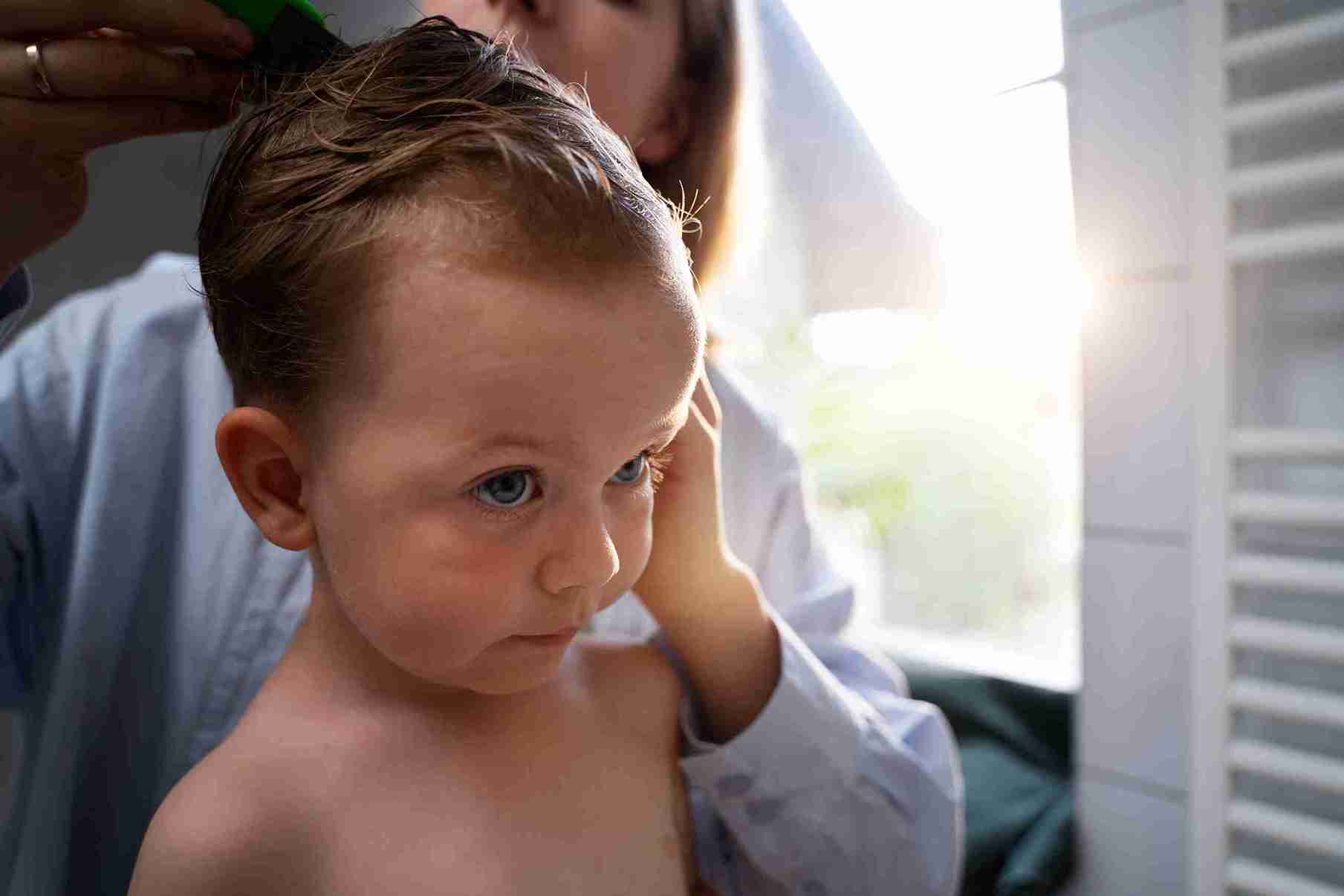
The term “swimmer’s ear” refers to an infection or inflammation that occurs in the outer ear canal, which connects the outer ear to the eardrum. Unlike middle ear infections, which take place inside the ear, otitis externa develops in the skin lining the outer ear canal.
Otitis externa in children is commonly caused by trapped moisture inside the ear. The water causes the skin to become soft, making it prone to bacterial or fungal growth. Frequent swimming is one of the common factors that can contribute to swimmer’s ear in children, especially during the summer or in humid weather.
Sometimes, the development of an infection may result from a small scratch or injury to the skin lining the ear canal.
There are several reasons why swimmer's ear may develop in children. The most prevalent reason is the presence of water in the ear canal from swimming, bathing, or other activities involving contact with water. The moisture that develops in the ear canal offers an ideal condition for microorganisms to thrive.
Children who participate in water-related activities may be more prone to infections due to their exposure to the elements. Warm, humid weather conditions also promote moisture retention in the ear canal. Children with frequent earphone use may also experience irritation in the ear canal, which can lead to infection.
Swimming in contaminated water or even the normal wear and tear of the ear canal lining are additional causes of infection.
Earwax removal using cotton swabs or vigorous cleaning practices can produce micro-tears in the ear canal, facilitating bacterial infection.
The symptoms of swimmer's ear may be mild in the early stages but can get worse with time if not treated properly. An early symptom that many children may exhibit is itching in the ear canal.
Symptoms associated with swimmer's ear include:
● Ear pain
● Itchiness inside the ear canal
● Redness around the ear
● Swelling of the ear canal
● Drainage of fluid or pus from the ear
● Hearing problems
● Pain when chewing food
● Feeling of fullness inside the ear
If the infection advances, the pain may worsen. The children may become irritable or even have difficulty sleeping.

Many parents wonder, "Is swimmer's ear dangerous?" In most cases, swimmer’s ear is mild and responds well to treatment. Early care usually prevents complications, and children recover completely within a short period.
However, if the infection is ignored or left untreated, it can worsen over time. Severe pain, increased swelling, temporary hearing problems, and recurrent infections may develop. In rare situations, the infection may spread to nearby tissues.
Children with diabetes, weakened immunity, or certain medical conditions may require closer monitoring because infections can become more serious in these cases. Seeking medical advice early can help avoid complications and ensure proper healing.
Choosing the appropriate swimmer’s ear treatment option depends on the intensity and causes of the condition. Most patients usually recover swiftly after treatment if diagnosed early.
Options for medical treatment may consist of:
● Antibiotic ear drops to treat bacterial infections
● Use of antifungal drugs if the underlying reason for the infection is fungal growth
● Medications to relieve pain sensations
● Medical cleaning of the affected ear canal in case of significant discharge
Health practitioners may also recommend that patients keep their ears dry during the period of treatment. Children usually start feeling better within the first three days of taking their medications; however, the entire duration required to cure the disease lasts for one week.
Patients must finish all prescribed medications despite feeling better within the early period of recovery.
Sometimes, parents may be looking for a simple swimmers ear home remedy that could help make their children more comfortable. While professional intervention might be necessary, some supportive steps could make the healing process easier.
Some useful home treatments may be as follows:
● Ensure the ears are kept dry
● Use a warm compress on the affected ear
● Make sure the child gets adequate rest
● Avoid swimming until the infection has been cured
There should not be a drop of anything like oil, vinegar, herbs, and homemade ear drops in your child’s ear.
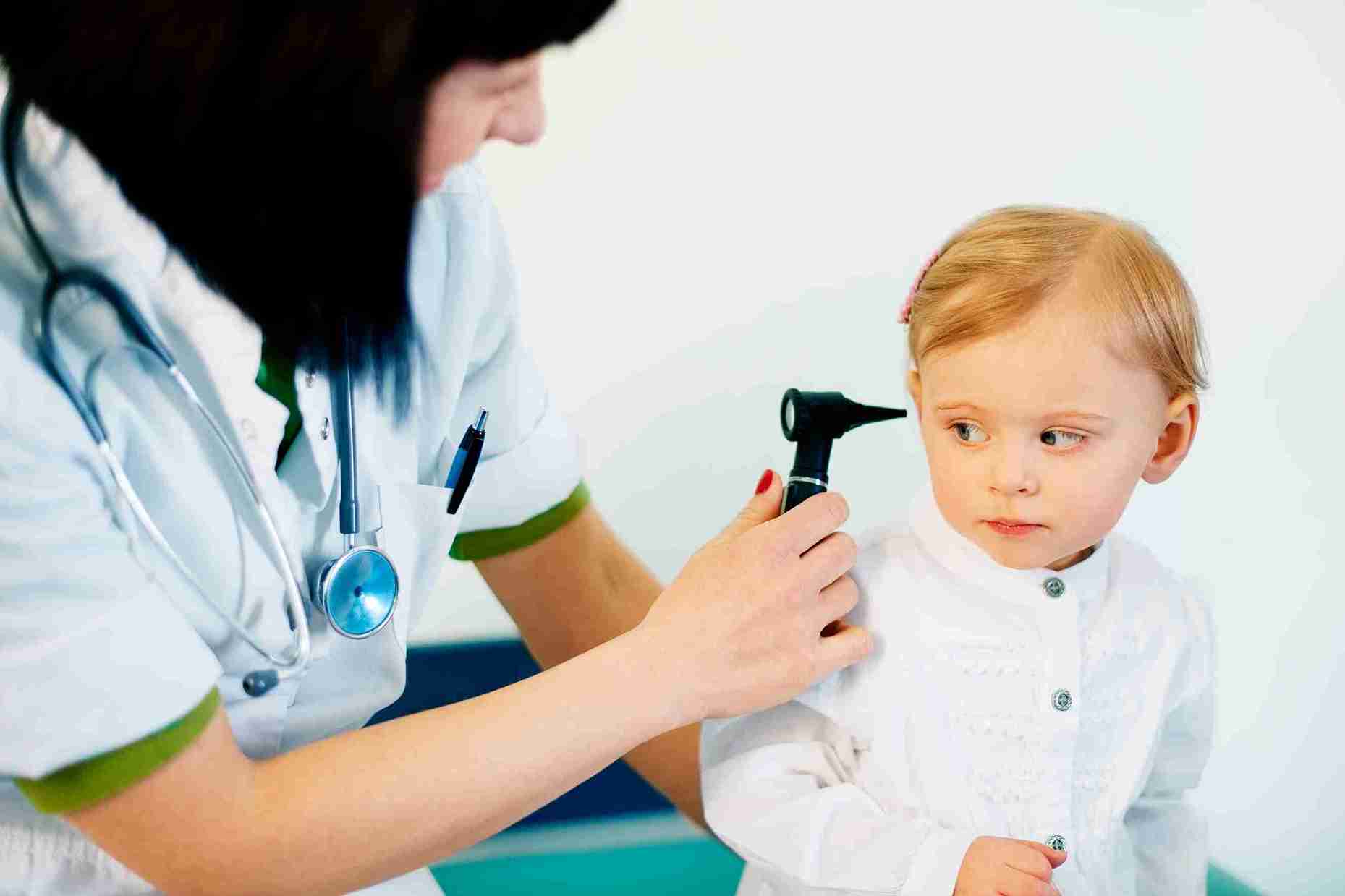
Certain habits may worsen swimmer’s ear or delay healing. Parents should avoid inserting cotton swabs or other objects into the ear canal, as this can irritate the skin further.
Children should also avoid scratching the ear even if itching is present. Self-medicating with random ear drops without medical guidance may not treat the infection properly and could sometimes worsen symptoms.
Swimming should also be avoided during active infection until the doctor confirms that the ear has healed.
Preventing swimmer’s ear often comes down to keeping the ears dry and protecting the ear canal from irritation.
Parents can do the following to lower risks:
● Drying ears carefully and gently after swimming or bathing
● Position head sideways to drain excess water out
● Wear swim caps if your paediatrician advises it
● Don’t perform any aggressive ear cleaning practices
● Maintain hygiene in the pool
A child experiencing recurrent infections should take preventive advice from a paediatrician or an ENT specialist.
The treatment time for mild swimmer’s ear ranges from 7 to 10 days. Pain and other symptoms start decreasing within a few days of taking medications. Even if symptoms have improved initially, it is necessary to complete the recommended treatment to ensure full recovery. If you resume swimming early, there is a chance that your condition will get worse.
Parents should seek medical attention if a child experiences:
● Severe ear pain
● Fever
● Swelling around the ear
● Persistent drainage
● Hearing loss
● Symptoms lasting more than a few days
● Recurrent ear infections
Young children may not always explain their symptoms clearly, so irritability, ear pulling, or trouble sleeping should also be taken seriously. However, the good news is there is a cure for swimmer's ear. Early paediatric evaluation can help prevent complications and provide faster relief.
At Cloudnine, paediatric care focuses on early diagnosis, child-friendly treatment, and personalised support for families. Experienced paediatricians and specialists help identify conditions like swimmer’s ear early and guide parents on safe treatment and prevention strategies. With a strong focus on compassionate care, hygiene, and preventive health education, Cloudnine supports parents in managing common childhood infections with confidence and timely medical guidance.

Swimmer’s ear is common but curable condition that affects many kids during seasons in which swimming becomes a common activity for them. Early detection of the signs and appropriate swimmer’s ear treatment can save you from pain and possible complications.
best pediatricians in hyderabad
best pediatricians near me in bangalore
top pediatricians in chennai
best child specialist in chandigarh
best child specialist doctor in faridabad
Top pediatricians near me in gurugram
top child specialist in ludhiana
best pediatricians in lucknow
best pediatricians near me in new delhi
best child specialist in noida
best child specialist doctor in panchkula
Top pediatricians near me in pune
top child specialist in ghaziabad
best pediatricians in Jalandhar

Most cases are mild and treatable, but untreated infections may worsen or spread. Early treatment usually leads to quick recovery.
Mild cases may improve slightly, but proper medical care is often needed to prevent complications and clear the infection fully.
No. Children should avoid swimming until the infection has healed completely to prevent irritation and delayed recovery.
Most cases improve within 7–10 days with appropriate treatment, although pain often reduces within a few days.


 Best Gynecologists in Bellandur Best Gynecologists in Electronic City Best Gynecologists in HRBR LayoutBest Gynecologists in Jayanagar Best Gynecologists in Kanakapura RoadBest Gynecologists in Malleswaram Best Gynecologists in Nagarbhavi Best Gynecologists in Old Airport RoadBest Gynecologists in Sahakarnagar Best Gynecologists in Sarjapur RoadBest Gynecologists in ThanisandraBest Gynecologists in Varthur RoadBest Gynecologists in Whitefield Best Gynecologists in Industrial Area Phase IIBest Gynecologists in OMRBest Gynecologists in T NagarBest Gynecologists in New Industrial TownBest Gynecologists in IndirapuramBest Gynecologists in Golf Course RoadBest Gynecologists in Sector 14Best Gynecologists in Sector 47Best Gynecologists in Banjara HillsBest Gynecologists in GachibowliBest Gynecologists in Hitech CityBest Gynecologists in KompallyBest Gynecologists in Gomti NagarBest Gynecologists in MaladBest Gynecologists in NerulBest Gynecologists in VashiBest Gynecologists in Kailash ColonyBest Gynecologists in PatparganjBest Gynecologists in Punjabi BaghBest Gynecologists in VikaspuriBest Gynecologists in Gaur CityBest Gynecologists in Pari ChowkBest Gynecologists in Sector 51Best Gynecologists in Sector 5 Swastik ViharBest Gynecologists in Kalyani NagarBest Gynecologists in SB RoadBest Gynecologists in Pimple SaudagarBest Pediatricians in BellandurBest Pediatricians in Electronic CityBest Pediatricians in HRBR LayoutBest Pediatricians in JayanagarBest Pediatricians in Kanakapura RoadBest Pediatricians in MalleswaramBest Pediatricians in NagarbhaviBest Pediatricians in Old Airport RoadBest Pediatricians in SahakarnagarBest Pediatricians in Sarjapur RoadBest Pediatricians in ThanisandraBest Pediatricians in Varthur RoadBest Pediatricians in WhitefieldBest Pediatricians in Industrial Area Phase IIBest Pediatricians in OMRBest Pediatricians in T NagarBest Pediatricians in New Industrial TownshipBest Pediatricians in IndirapuramBest Pediatricians in Golf Course RoadBest Pediatricians in Sector 14Best Pediatricians in Sector 47Best Pediatricians in Hitech CityBest Pediatricians in Banjara HillsBest Pediatricians in GachibowliBest Pediatricians in KompallyBest Pediatricians in Gomti NagarBest Pediatricians in MaladBest Pediatricians in NerulBest Pediatricians in VashiBest Pediatricians in Kailash ColonyBest Pediatricians in PatparganjBest Pediatricians in Punjabi BaghBest Pediatricians in VikaspuriBest Pediatricians in Gaur CityBest Pediatricians in Pari ChowkBest Pediatricians in Sector 51Best Pediatricians in Sector 5 Swastik ViharBest Pediatricians in Kalyani NagarBest Pediatricians in SB RoadBest Pediatricians in Pimple Saudagar


