





Anyone who has lived through a Delhi or Hyderabad summer knows what it feels like to step outside and immediately regret it. Between April and June, temperatures in many Indian cities cross 42℃ without much warning. For most people, that means adjusting their routines, drinking more water, and avoiding the afternoon sun. For a pregnant woman, the stakes are a little higher.
The discomfort around pregnancy during summer is only part of the story. The body is doing a great deal more than usual to keep the baby growing, and that effort alone produces extra heat from within. Add a brutal Indian summer to that, and the risk of overheating and dehydration becomes genuinely significant. The good news is that with some awareness and the right habits, most women get through it just fine.

During pregnancy, blood volume increases by nearly 45-50%. The baby needs a steady supply of oxygen and nutrients, and the body expands its blood volume to meet that demand. As a result, the heart works harder, the body temperature runs slightly higher, and the cooling system, mainly sweating, kicks in more aggressively.
This means pregnant women feel the heat more intensely than others around them. What feels like a warm day to a colleague can feel genuinely draining to someone in her second or third trimester. Swelling in the feet and ankles often worsens too, particularly after standing in the heat for even a short while.
The concern is not just discomfort. Repeated or prolonged overheating puts pressure on circulation, including blood flow to the uterus, which is why most doctors here are quite firm about avoiding outdoor exposure between 11 am and 4 pm through the summer.
Most people think of dehydration during pregnancy as simply feeling thirsty, but it runs deeper than that. Even a mild drop in fluid levels can show up as fatigue, a dull headache, or sudden dizziness, things that are easy to dismiss but should not be ignored. If it progresses, it can trigger Braxton Hicks contractions, reduce amniotic fluid levels, and in severe cases, lead to preterm labour.
The kidneys also work harder during pregnancy to filter waste from both mother and baby. Without enough fluids, urinary tract infections become more likely, and these carry their own risks during pregnancy.
Sweating in Indian summer heat can lead to fluid loss faster than most women realise. The problem is that thirst is not always a reliable early signal. By the time a woman feels thirsty, she may already be mildly dehydrated. Watching urine colour is a more practical guide: pale yellow is what to aim for, and dark yellow is a sign to drink up immediately.
There is a lot of generic advice floating around about staying cool in summer. What follows are summer pregnancy care tips for expectant mothers.
This is the single most important habit to build. Aim for 10 to 12 glasses of water a day, and increase this if you have been outdoors or physically active. Plain water is the foundation, but coconut water, lime juice (nimbu pani) with a pinch of salt, and buttermilk are excellent additions as they replenish electrolytes lost through sweat.
Cold drinks and packaged juices may seem refreshing, but the high sugar content does more harm than good when the body is trying to stay hydrated. Caffeine, including tea and coffee, acts as a mild diuretic, so keep those in check.
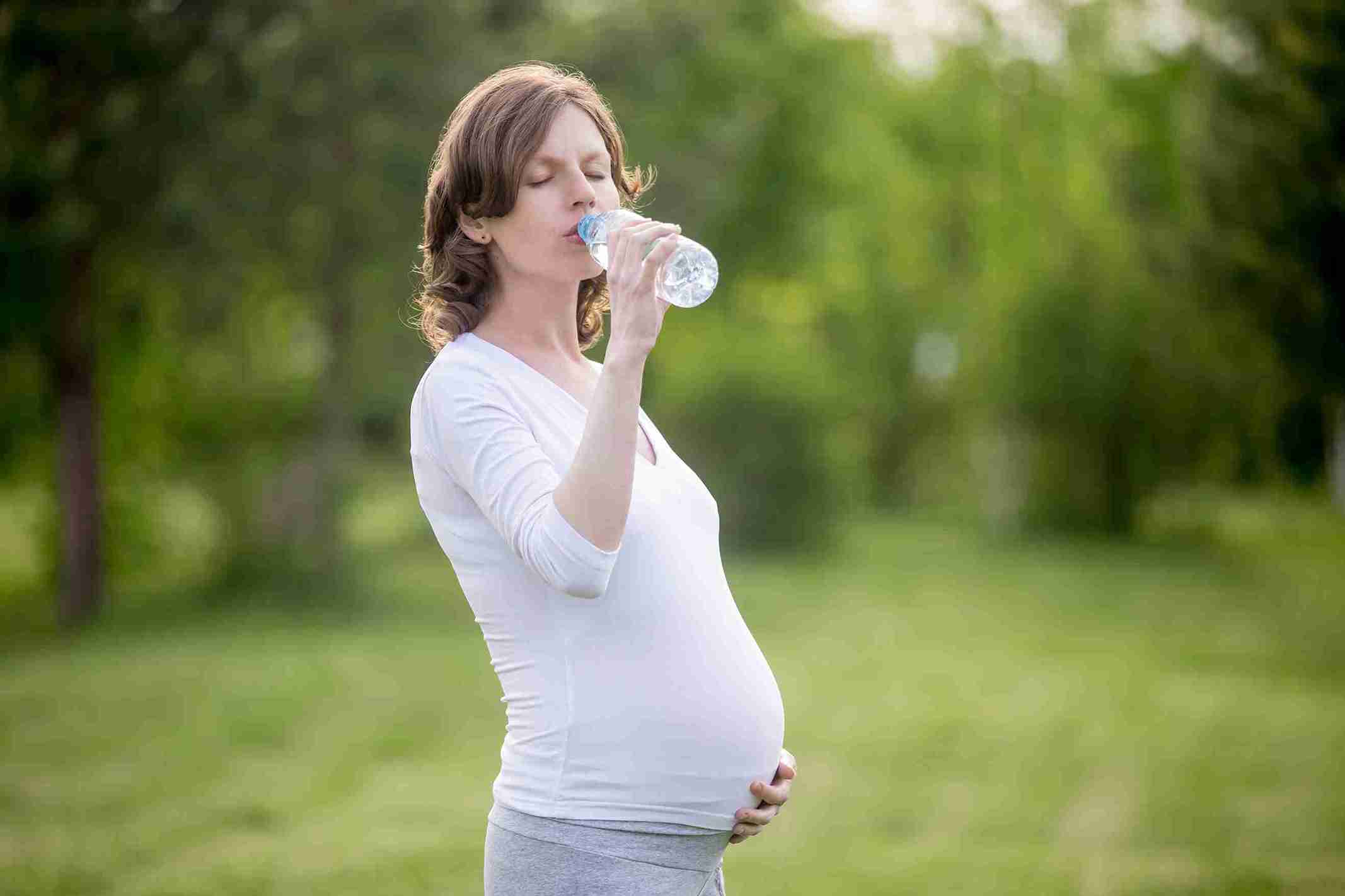
Stepping out for appointments, errands, or walks? Do it before 10 am or after 6 pm. Carry water every time you leave the house. If you use public transport, try to plan for air-conditioned options or keep travel windows short.
Loose cotton clothing in light colours helps the body breathe and reflects heat rather than absorbing it. A damp cloth on the back of the neck or wrists is a simple and effective way to bring body temperature down quickly.
Not every home in India has central air conditioning, and that is fine. A ceiling fan with cross-ventilation can do a lot. Keep curtains drawn on the side facing direct sunlight during afternoon hours. A cool shower before rest time helps the body settle, especially in the third trimester when sleep already gets disrupted.
A large meal in the middle of a hot day takes real effort for the body to process, and that process generates its own heat. Eating smaller portions more frequently keeps things easier on the stomach and steadier on energy levels. Foods like cucumber, watermelon, curd, and tomatoes are worth leaning on; they add to daily fluid intake while also being light and easy to eat. These contribute to hydration and provide nutrients without adding unnecessary heat load.
Avoid deep-fried and heavily spiced food during peak summer, not permanently, but reducing them during the hottest months makes a real difference.
Knowing how to stay cool during pregnancy is not just about comfort; it is about protecting both mother and baby. Heat stress, when it occurs repeatedly, has been linked to low birth weight and early delivery in research published across multiple health platforms.
Doctors in India typically advise pregnant women to monitor for warning signs: persistent dizziness, reduced foetal movement, very dark urine, or headaches that do not resolve after rest and fluids. Any of these warrant a call to the treating doctor, not a wait-and-watch approach.
Prenatal visits scheduled in the summer months are a good opportunity to discuss whether iron or haemoglobin levels need attention, since anaemia makes heat fatigue worse. Some women also find that their blood pressure fluctuates more in summer, another reason to keep those check-ins regular.
The emotional side of pregnancy during summer deserves a mention too. Weeks of poor sleep, physical discomfort, and being mostly stuck indoors can quietly take a toll on how a woman feels emotionally. Keeping in touch with family or finding even an informal group of other mothers-to-be helps more than most people expect.

Getting through a pregnancy during the Indian summer is entirely doable; it just takes a little more planning than usual. Staying ahead of hydration, avoiding the worst of the heat, eating light, and listening to the body go a long way. If something feels off, reaching out to a doctor early is always the better call.
Want to consult the best gynecologists in India? Please find the links below.
Want to consult the best Maternity Packages in India? Please find the links below.

During pregnancy, the body already runs warmer due to increased blood flow and metabolism. Summer heat adds to this load, raising the risk of overheating, which can affect circulation to the uterus. Prolonged heat exposure has been associated with fatigue, swelling, dehydration, and, in severe cases, complications such as preterm labour or low birth weight. Staying indoors during peak hours is strongly advised.
Common signs of dehydration during pregnancy include dark yellow urine, infrequent urination, dry mouth, dizziness, fatigue, and headaches. More serious indicators include Braxton Hicks contractions occurring frequently, reduced foetal movement, and feeling faint. If any of these persist despite increased fluid intake, it is important to contact a doctor without delay rather than managing at home.
Pregnant women are generally advised to drink between 10 to 12 glasses of water daily, with more required if they have been physically active or exposed to heat. Coconut water, buttermilk, and nimbu pani with salt are good additions to plain water, as they help replace electrolytes. Avoid relying on thirst alone, as it is not always an early or reliable indicator. Continue to hydrate even if your body does not indicate any symptoms.
Yes, extreme heat can affect the baby. When the mother's core temperature rises significantly, blood flow to the uterus may be compromised, reducing oxygen and nutrient supply. Research has linked repeated heat stress during pregnancy to outcomes including preterm birth and low birth weight. Keeping the body cool and well hydrated is one of the most effective ways to protect foetal well-being during Indian summers.


 Best Gynecologists in Bellandur Best Gynecologists in Electronic City Best Gynecologists in HRBR LayoutBest Gynecologists in Jayanagar Best Gynecologists in Kanakapura RoadBest Gynecologists in Malleswaram Best Gynecologists in Nagarbhavi Best Gynecologists in Old Airport RoadBest Gynecologists in Sahakarnagar Best Gynecologists in Sarjapur RoadBest Gynecologists in ThanisandraBest Gynecologists in Varthur RoadBest Gynecologists in Whitefield Best Gynecologists in Industrial Area Phase IIBest Gynecologists in OMRBest Gynecologists in T NagarBest Gynecologists in New Industrial TownBest Gynecologists in IndirapuramBest Gynecologists in Golf Course RoadBest Gynecologists in Sector 14Best Gynecologists in Sector 47Best Gynecologists in Banjara HillsBest Gynecologists in GachibowliBest Gynecologists in Hitech CityBest Gynecologists in KompallyBest Gynecologists in Gomti NagarBest Gynecologists in MaladBest Gynecologists in NerulBest Gynecologists in VashiBest Gynecologists in Kailash ColonyBest Gynecologists in PatparganjBest Gynecologists in Punjabi BaghBest Gynecologists in VikaspuriBest Gynecologists in Gaur CityBest Gynecologists in Pari ChowkBest Gynecologists in Sector 51Best Gynecologists in Sector 5 Swastik ViharBest Gynecologists in Kalyani NagarBest Gynecologists in SB RoadBest Gynecologists in Pimple SaudagarBest Pediatricians in BellandurBest Pediatricians in Electronic CityBest Pediatricians in HRBR LayoutBest Pediatricians in JayanagarBest Pediatricians in Kanakapura RoadBest Pediatricians in MalleswaramBest Pediatricians in NagarbhaviBest Pediatricians in Old Airport RoadBest Pediatricians in SahakarnagarBest Pediatricians in Sarjapur RoadBest Pediatricians in ThanisandraBest Pediatricians in Varthur RoadBest Pediatricians in WhitefieldBest Pediatricians in Industrial Area Phase IIBest Pediatricians in OMRBest Pediatricians in T NagarBest Pediatricians in New Industrial TownshipBest Pediatricians in IndirapuramBest Pediatricians in Golf Course RoadBest Pediatricians in Sector 14Best Pediatricians in Sector 47Best Pediatricians in Hitech CityBest Pediatricians in Banjara HillsBest Pediatricians in GachibowliBest Pediatricians in KompallyBest Pediatricians in Gomti NagarBest Pediatricians in MaladBest Pediatricians in NerulBest Pediatricians in VashiBest Pediatricians in Kailash ColonyBest Pediatricians in PatparganjBest Pediatricians in Punjabi BaghBest Pediatricians in VikaspuriBest Pediatricians in Gaur CityBest Pediatricians in Pari ChowkBest Pediatricians in Sector 51Best Pediatricians in Sector 5 Swastik ViharBest Pediatricians in Kalyani NagarBest Pediatricians in SB RoadBest Pediatricians in Pimple Saudagar


